


Solar Companies Sacramento: How to Compare
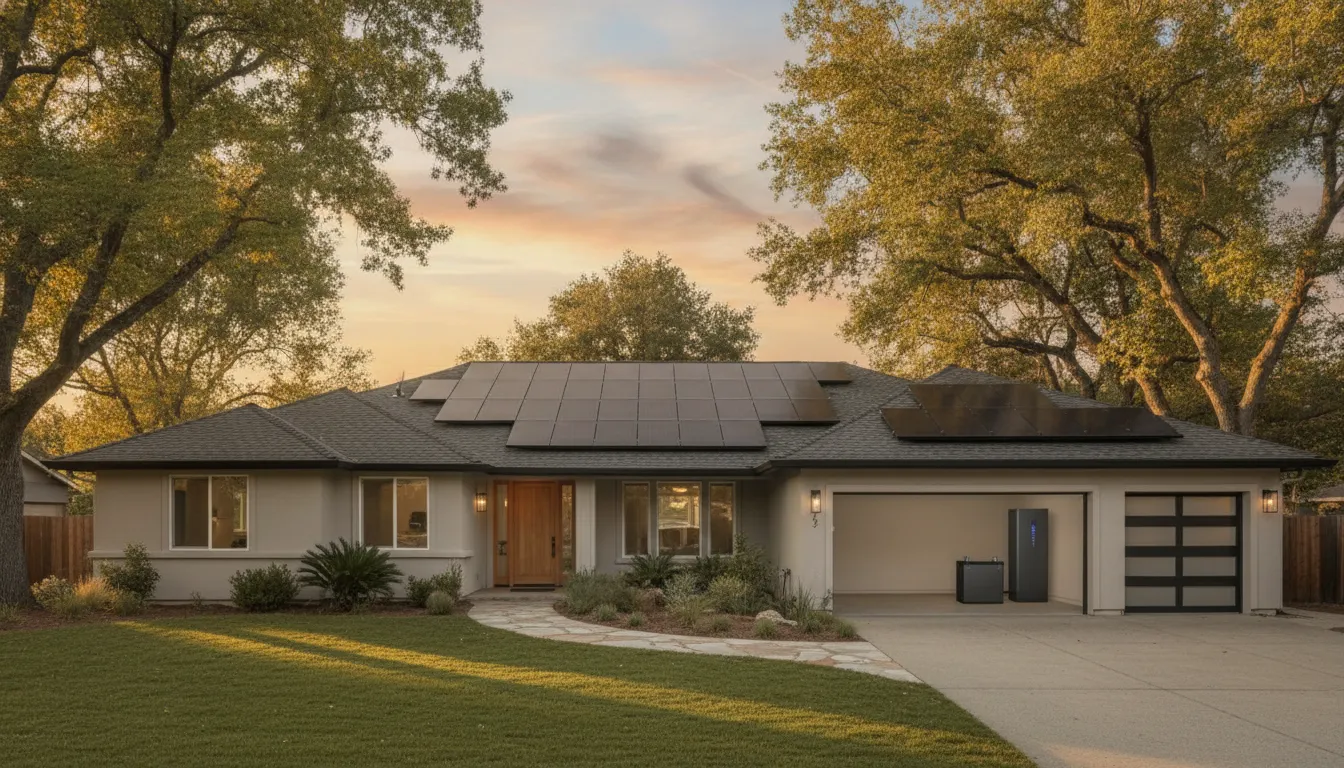
Choosing a solar installer in Sacramento involves more than comparing panel brands or the first proposal total. The right comparison considers how carefully each company evaluates your home, handles permits and utility coordination. Works with your roof, sizes battery storage, and supports the system after installation.
When comparing solar companies sacramento, homeowners should ask for clear evidence of design assumptions, licensing and insurance, equipment and workmanship coverage. Subcontractor responsibilities, permitting and interconnection support, battery options, and long-term monitoring or service.
A proposal is easier to evaluate when you know which questions reveal meaningful differences and which claims require project-specific confirmation. Start by examining the fundamentals of an installer relationship, from documented credentials to the details behind the quote.
Request an estimate for your Sacramento solar project
How Should Sacramento Homeowners Compare Solar Companies?
Start with the project behind the quote, not just the equipment list or monthly payment. Sacramento homeowners should compare how each company handles the address-specific details that affect design and installation: utility territory, roof condition, electrical capacity, permitting, battery goals, and future support.
Request an estimate for your Sacramento solar project
A useful comparison process also separates questions from endorsements. The Sacramento installer comparison guidance from EnergySage points homeowners toward equipment, warranties, experience, credentials, subcontracting, and customer feedback. Those are sensible areas to investigate, but the answers should be verified for your specific proposal and contract.
| Area to compare | Questions to ask | Evidence to request |
|---|---|---|
| Design and equipment | How was the system sized for my energy use, roof, shade, and future loads? Which equipment is proposed? | System design, assumptions, equipment specifications, and production estimates |
| Utility and permitting | Which utility serves this address? Who manages permits, inspections, interconnection, and corrections? | Written scope of responsibility and project documents |
| Roof and installation | Is the roof ready for solar? Who handles repairs, reroofing, mounting, flashing, and weatherproofing? | Roof assessment, crew model, and written workmanship coverage |
| Battery and support | Is backup for selected circuits or the whole home? How will monitoring, maintenance, and future service work? | Load assumptions, battery scope, warranty terms, monitoring access, and support contacts |
Make the comparison address-specific
Do not assume that every Sacramento property has the same utility requirements. Confirm the utility territory for the service address and ask how the installer will coordinate interconnection. A complete process may include bill analysis, custom system design, an on-site roof and electrical assessment, permit acquisition, utility coordination, commissioning, and customer handoff. The proposal should make clear which company owns each step and what happens if an inspection or utility review requires changes.
Use a short evidence checklist
- Confirm the company is appropriately licensed, insured, and certified for the proposed work.
- Ask whether installation is performed by company crews or subcontractors, and who supervises the work.
- Compare equipment, workmanship, roof-penetration, and manufacturer warranty language separately.
- Review customer feedback for patterns involving communication, installation quality, and post-installation service.
- Get battery capacity, backup priorities, monitoring, and ownership terms in writing if storage is included.
A Sacramento solar proposal is easier to evaluate when it explains assumptions instead of hiding them behind a single total. Compare the scope, responsibilities, documentation, and support plan side by side before deciding which option fits your home.
What Should a Solar Design Include for a Sacramento Home?
A useful residential solar design begins with your home, not a standard panel package. Sacramento has abundant sunshine, with the National Weather Service describing sunshine for about 78% of the year. But that context does not determine the right system for every address. Roof orientation, shade, electrical infrastructure, household habits, utility territory, and future plans all affect the design.
Ask whether the provider will start with a detailed utility-bill analysis and then explain the assumptions behind the proposed system. AMECO describes a process that moves from bill review and an initial design to custom equipment selection. An on-site roof and electrical assessment, permitting, utility coordination, installation, commissioning, and customer handoff. A custom solar system design should make those decisions understandable before you commit.
What should the site assessment examine?
The design review should account for roof condition, usable roof area, orientation, pitch, obstructions, and shade that changes throughout the day or year. It should also examine the main electrical panel, service capacity, equipment location, and any upgrades that may be needed. If the roof may need repair or replacement, resolve that question before finalizing the array and mounting approach. The designer should also confirm your utility and explain how interconnection requirements may affect the project.
How should system sizing be explained?
System size should be tied to documented energy use, budget, and forecast consumption rather than a generic production estimate. Discuss planned changes such as an electric vehicle, heat pump, pool equipment, remodel, or additional occupants. Those future loads may change panel quantity, inverter selection, electrical work, or the value of adding battery storage. Ask for the assumptions in writing, including the consumption history used, expected load changes, roof areas included, and what the design does not cover.
A complete proposal should also explain monitoring and commissioning. Monitoring can help you see whether the system is operating as designed, while commissioning confirms that equipment, communications, and project documentation are ready for handoff. Treat projected production and savings as estimates that depend on the property, equipment, weather, utility rules, and household use.
- Utility bills and consumption assumptions are documented.
- Roof, shade, electrical service, and equipment locations are assessed.
- Future loads and battery objectives are discussed before sizing.
- Permitting, interconnection, monitoring, and commissioning responsibilities are clear.
- Design exclusions, contingencies, and handoff materials are provided in writing.
Why Do Permitting and Utility Experience Matter in Sacramento?
A solar project is more than panels on a roof. Before a system can be activated, someone must assemble the permit package, respond to jurisdictional requirements. Coordinate inspections, submit interconnection materials, and confirm that the utility has accepted the project. Those responsibilities can affect how clearly the work progresses, even when the equipment and system design are otherwise sound.
Start by asking each installer who owns these steps. The answer should identify the responsible team, not simply say that permitting is included. Ask who prepares and submits the plans, who communicates with the permitting authority. Who schedules or responds to inspection requirements, and who manages utility interconnection from application through confirmation. A written scope should also explain what documentation you will receive and what decisions require your approval.
Utility territory and requirements vary by address, so do not assume that one Sacramento-area utility process applies to every home. Confirm which utility serves the property and ask how the proposal accounts for that utility's current interconnection requirements. The same address-specific review should clarify whether the project needs electrical or structural documentation, special plan details, or changes based on the existing service equipment.
AMECO describes a process that includes utility-bill analysis, system design, an on-site roof and electrical assessment, permit acquisition, utility coordination, installation, commissioning, and customer handoff. When comparing solar design and installation services, look for this kind of defined sequence rather than a proposal that ends at installation. Clear ownership helps keep design assumptions, permit documents, inspection findings, and final system information connected.
It is also worth asking how communication works when an inspector or utility requests clarification. A capable team should be able to explain what changed, whether the change affects equipment or cost, and what action is needed from the homeowner. For more context on the California solar permitting process, review the practical issues that can make this stage more involved than it first appears.
Get an estimate for a Sacramento solar project
Before signing, request a project-specific checklist covering permits, inspection coordination, interconnection, utility confirmation, and the final handoff. Also verify that the company is licensed, insured, and appropriately certified, questions EnergySage identifies as useful when comparing installers. The goal is not a blanket approval promise. It is a documented process with clear responsibility at each step.
How Does Roofing Coordination Protect the Project?
Solar installation depends on the roof beneath it. Before panels are mounted, a homeowner should know whether the existing roof is ready for the expected service life of the solar equipment. Or whether repair, replacement, or solar-ready preparation belongs in the project scope. Installing on a roof that needs immediate work can create avoidable disruption later, including the need to remove and reinstall panels.
A coordinated assessment should look beyond visible shingles or tiles. The installer and roofing team should review roof condition, penetrations, drainage, structural considerations, and the areas where mounting hardware will be installed. If reroofing is appropriate, the schedule and responsibilities should be clear before solar construction begins. AMECO describes its combined capability as including roof replacement and repair, solar-ready preparation, mounting, flashing, and weatherproofing. Learn more about its roofing services for solar projects.
Why do flashing and weatherproofing matter?
Mounting solar equipment requires carefully planned attachment points. Flashing and weatherproofing help manage water around roof penetrations, but their effectiveness depends on the roof assembly, installation method, materials, and workmanship. A proposal should explain how mounting locations will be sealed, how existing roofing materials will be handled, and who will inspect the finished work. These details matter more than a broad statement that the system is weatherproof.
It is also useful to separate equipment warranties from workmanship and roof-penetration coverage. EnergySage specifically recommends comparing an installer's warranty coverage, while some providers describe separate protections for equipment, workmanship, and roof penetrations. Those categories are not interchangeable. Ask for the actual terms, exclusions, claim process, and any conditions that apply to a reroof or future repair rather than assuming every provider offers the same protection.
Questions to put in writing
- What is the current roof condition, and what evidence supports the recommendation to install now or reroof first?
- Who performs roof repairs, replacement, flashing, and solar mounting?
- How will the roof be protected during installation and future service?
- Which party is responsible if water intrusion is found after installation?
- Are workmanship, equipment, and roof-penetration protections listed separately?
- Who coordinates panel removal and reinstallation if roofing work is needed later?
Written answers make it easier to compare solar companies in Sacramento on project coordination rather than headline promises. They also give the homeowner a clear record of scope, timing, and responsibility before work begins.
When Does Battery Backup Make Sense?
Battery storage becomes more useful when your priorities extend beyond producing solar energy during daylight hours. Homeowners may want to keep essential circuits operating during an outage, use more of their own solar power later in the day, or reduce exposure to time-of-use pricing. The right choice depends on your loads, utility territory, roof and electrical conditions, and how you want the system to operate.
Start with the loads you need to protect
Begin by identifying what must remain available if the grid goes down. A partial-backup design might prioritize a refrigerator, internet equipment, lighting, medical equipment, a garage door, or selected outlets. A whole-home configuration is intended to support a broader set of household circuits, but it still requires careful electrical planning. Large loads such as air conditioning, electric resistance heating, pool equipment, or vehicle charging can materially affect the battery capacity and controls required.
Ask each installer to document the backed-up circuits, expected operating conditions, and any loads that will be excluded. This makes proposals easier to compare and prevents the phrase "backup power" from being treated as a guarantee that every appliance will run indefinitely.
Consider resilience and time-of-use goals together
Battery storage can provide a reserve when grid service is interrupted. That concern is increasingly relevant as aging infrastructure and extreme weather raise questions about power disruptions, as described by the UCLA Institute of the Environment and Sustainability. The battery's usable energy, discharge rate, solar production, and household demand determine how long selected loads can operate. No battery can eliminate the need to prioritize consumption during a prolonged outage.
Some homeowners are less focused on outages and more interested in shifting energy use. A battery can store solar energy for later use and may support time-of-use optimization. AMECO's documented battery offerings include whole-home backup configurations and time-of-use optimization, with Enphase and Tesla Powerwall products named as available equipment options. Compatibility depends on the proposed inverter, electrical panel, controls, and existing solar equipment, so request a system-specific design rather than assuming every battery works with every installation.
Compare scope, incentives, and cost at the project level
Battery scope is only one part of the design. Panel quantity, additional equipment, electrical upgrades, equipment compatibility, and any incentive for which a particular project qualifies can all affect the final proposal. Incentive rules and eligibility are location- and project-dependent, and they can change. A responsible quote should show its assumptions, identify included equipment, and explain which figures are estimates rather than universal results. For more planning context, review these solar battery backup options before requesting proposals.
When comparing solar companies Sacramento homeowners are considering, ask who performs the load calculation, who confirms interconnection requirements, and who will commission and explain the system after installation. Those details matter as much as the battery brand.
Request an estimate for a battery-ready solar project
What Does Long-Term Solar Support Look Like?
A solar installation is a long-term equipment decision, so compare the support model as carefully as the proposal. A useful evaluation goes beyond the panels and inverter. Ask who monitors the system, who responds when production changes, how maintenance is handled, and what documentation you receive after commissioning.
Start by separating the warranty categories. Manufacturer coverage for panels, inverters, batteries, or other equipment is not the same as an installer's workmanship coverage. Roof-penetration protection may be addressed separately again. EnergySage specifically recommends asking how an installer's warranty compares with alternatives. Request the complete terms in writing, including exclusions, claim procedures, labor coverage, and whether coverage changes if the home is sold.
Competitor pages can show why the details matter, but their terms should not be treated as a market standard. For example, Sunrun's Sacramento page describes manufacturer equipment warranties, a 10-year workmanship guarantee, and a five-year roof-penetration warranty for purchased systems. It also describes system transfer options for a home sale. Those are Sunrun-reported terms to compare, not universal promises from every installer. Read the actual agreement for any provider you consider.
What happens after the system is turned on?
Ask whether monitoring is included, what alerts are reviewed, and who contacts you when an issue appears. Sunrun says its Solar Subscription customers receive 24/7 system monitoring, but monitoring arrangements vary by provider, ownership model, and equipment. Clarify whether you can access the monitoring portal yourself and what support is included when an alert indicates a communication, inverter, or production problem.
Also ask who performs the work. EnergySage recommends checking whether an installer uses subcontractors, along with verifying licensing, insurance, certifications, and customer feedback. A clear crew model helps you understand who is responsible for installation quality and who will return if a problem develops. Reviews can provide useful signals about communication and follow-through, but examine recent, project-specific feedback rather than relying on a single score.
What should the handoff include?
A complete handoff should cover system operation, monitoring access, equipment documentation, warranty contacts, inspection or interconnection status, and maintenance expectations. Commissioning is also an important checkpoint because it confirms that the installed system is configured and operating as intended. AMECO describes a process that includes installation, commissioning, and customer handoff. Its professional solar installation process can help you understand the stages to discuss with any Sacramento installer.
Before signing, ask for response procedures, expected points of contact, transfer requirements, and the exact documents you will keep. The strongest comparison is not the promise of indefinite support. It is a specific, written explanation of who owns each responsibility after installation.
Frequently Asked Questions
What should I ask solar companies in Sacramento before choosing one?
Ask how the company analyzes your electricity use, sizes the system, evaluates the roof and electrical service, handles permits and utility interconnection, and supports the project after commissioning. Also request written details about equipment, workmanship coverage, monitoring, crew structure, and who is responsible for each handoff.
Does my Sacramento utility affect the solar design and approval process?
Yes. Utility territory, interconnection rules, service-panel requirements, and project documentation can vary by address. Confirm which utility serves the property and ask the installer to explain its role in permit submission. Inspections, interconnection, and final activation rather than assuming every Sacramento project follows the same process.
Should I repair or replace my roof before installing solar?
That depends on the roof's condition, remaining service life, mounting areas, and the scope of the solar project. Have the installer document the roof assessment and explain whether repair, replacement, solar-ready preparation, flashing, and weatherproofing are included or coordinated separately. Put responsibility for roof work and penetrations in writing.
How do I compare battery backup options?
Start with the loads you want to operate during an outage, such as refrigeration, communications, or selected circuits. Then compare whole-home and partial-home configurations, usable capacity, equipment compatibility, control features, and how the battery interacts with your solar system. A project may also be designed around time-of-use energy use, but the right configuration depends on the property and goals.
What should long-term solar support include?
Look for a clear handoff after commissioning, system monitoring, a process for service requests, maintenance guidance, and separate explanations of equipment, workmanship, and roof-penetration coverage. If you may sell the home, ask how agreements and warranties transfer. A strong comparison focuses on documented responsibilities, not just a sales presentation.
Get started with a Sacramento solar comparison
A project-specific review can help you compare design assumptions, utility requirements, roofing needs, battery goals, and long-term support in one conversation. To compare Sacramento solar options and request an estimate tailored to your property, get started with AMECO.


.svg)
