


Project Spotlight: Solar Panels in Fountain Valley

If you live in Southern California, you know the feeling of opening your monthly electricity bill. The rates just seem to keep climbing, especially in places like Orange County where costs are well above the national average. For many homeowners, it feels like there’s no way to get ahead. But what if you could take control of that expense for good? This is the story of one homeowner who did just that by installing solar panels in Fountain Valley. They were tired of high utility costs and wanted a smarter, more sustainable way to power their home. In this project spotlight, we’ll break down the real numbers: the initial investment, the long-term savings, and the impressive return.
Project Spotlight: Solar Panels in Fountain Valley
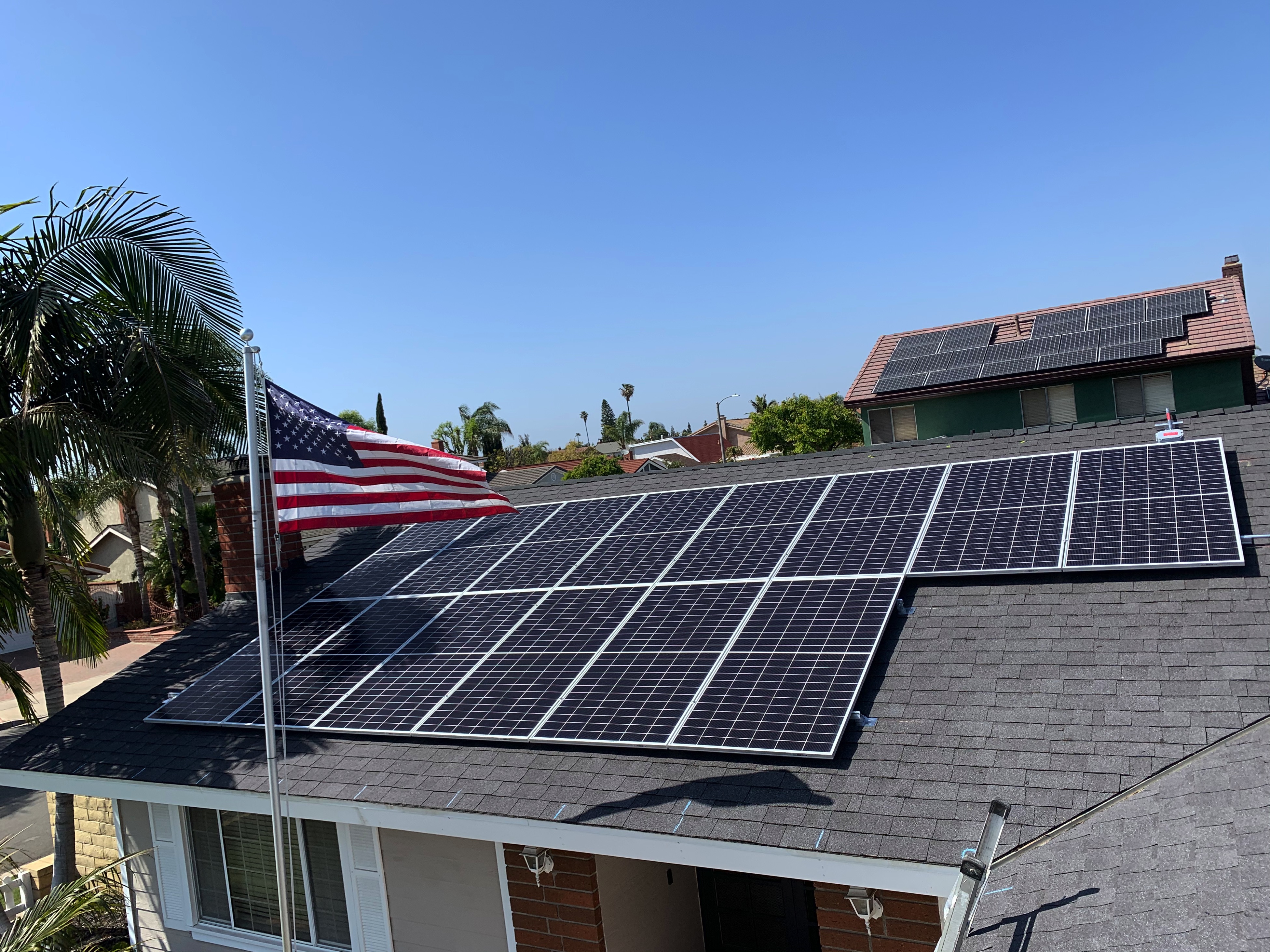
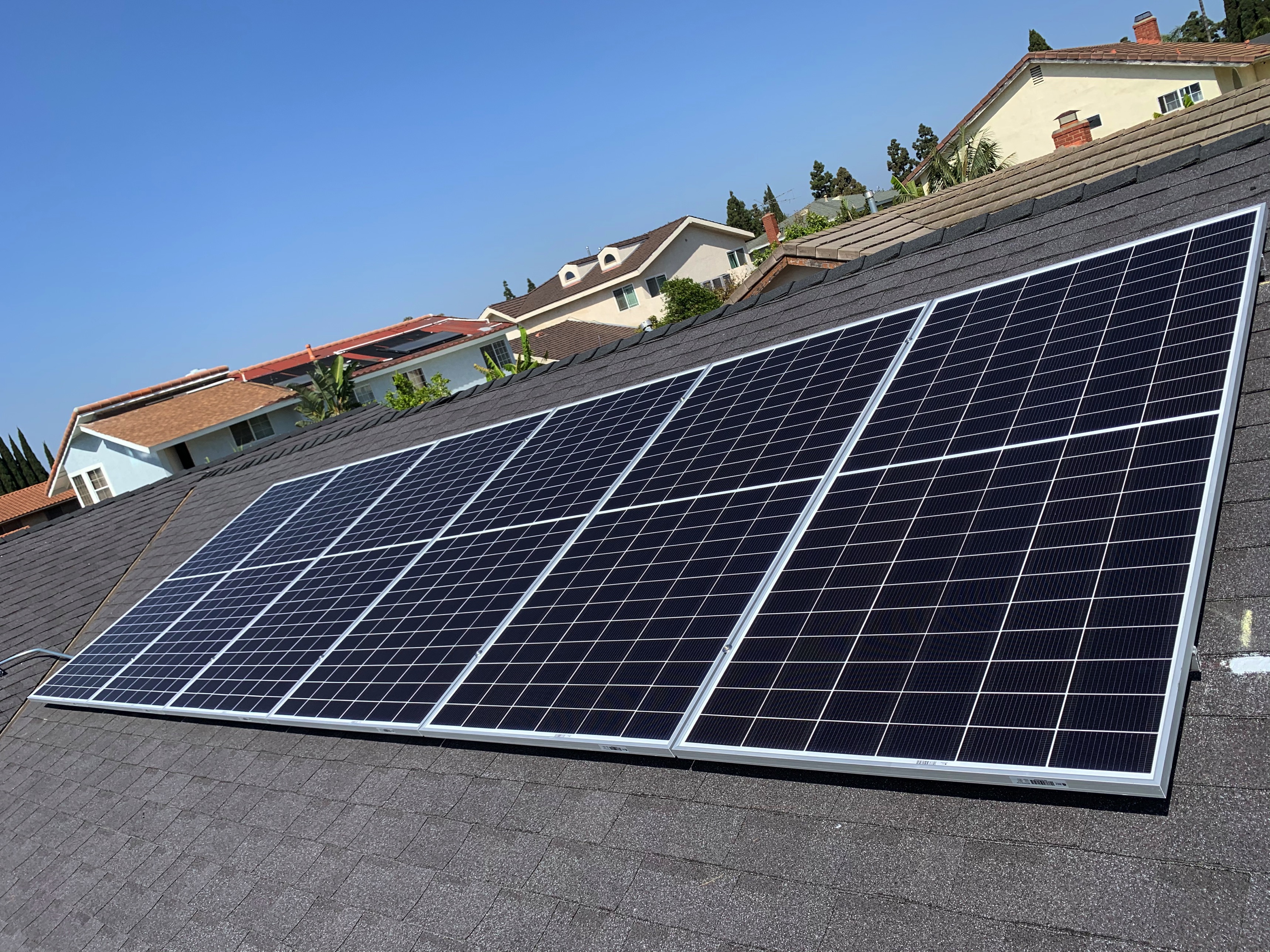
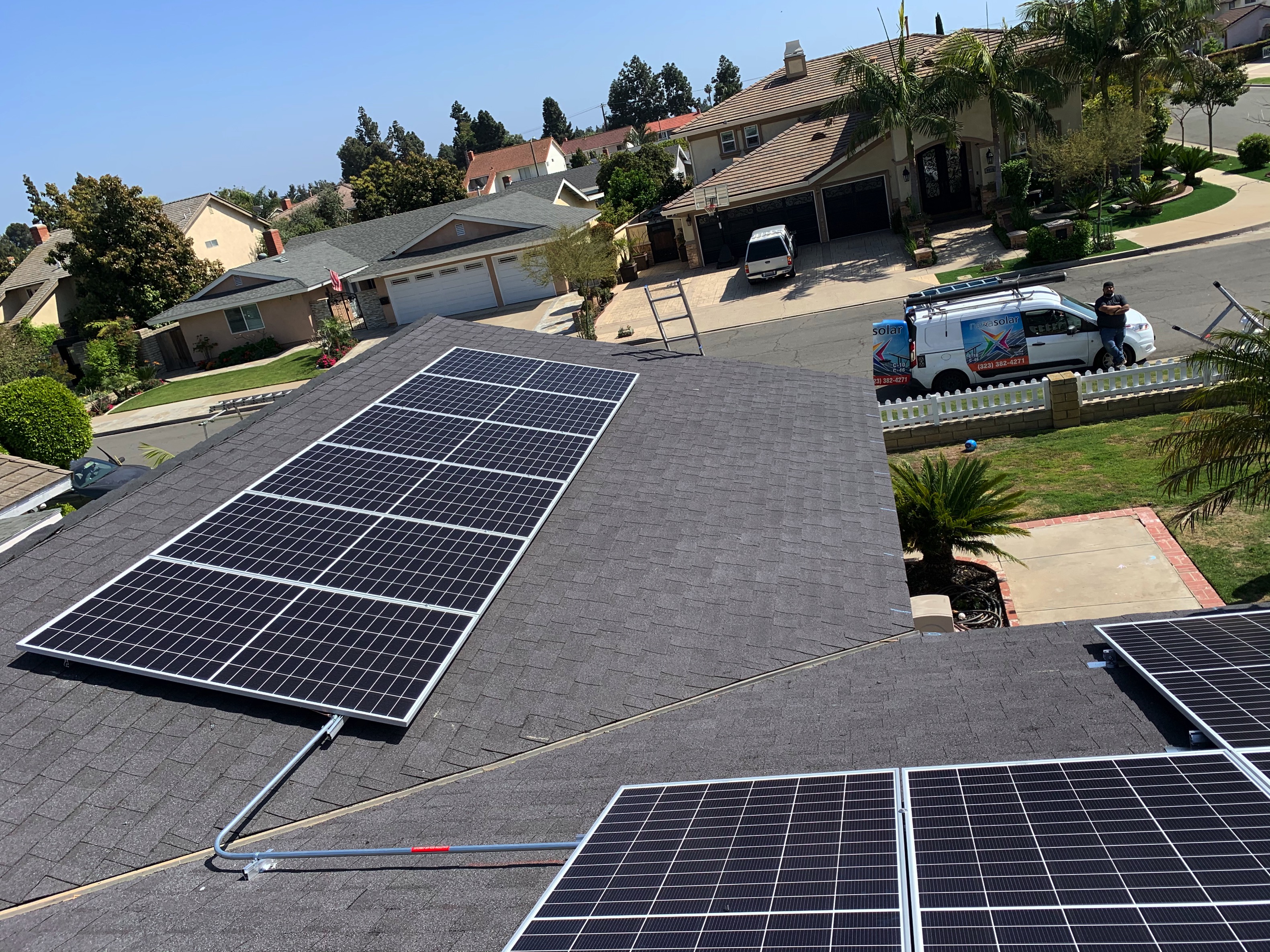
Check out these super sleek solar panels in Fountain Valley, CA.
Our team of solar experts had a great time working with this homeowner on their journey to solar.
As with most SoCal homeowners they had two main reasons for wanting to add rooftop solar panels. High electricity rates and a desire for clean energy.
Fountain Valley sits right in the middle of Orange County, which means high utility bills. The average Fountain Valley homeowner pays 15.98¢/kWh. Keep in mind, this is a base rate and does not consider peak rates which can climb to over 40¢/kWh depending on the time of use rate increases.
For further context, this means the average Fountain Valley resident pays 4.17% more than the California average and 34.51% more than the national average.
Adding rooftop solar panels, like this homeowner did, immediately reduces your monthly electricity bills and allows you to save tens of thousands of dollars in the long-run.
Also, adding solar panels can drastically cut down on your carbon footprint. Rather than using grid-based electricity that utility companies generate in unsustainable way, solar panels allow you to capture energy to power your home carbon free!
Ready to make the switch to solar? Then contact the experts at AMECO to see how much we can help you save when you go solar.
The Neighborhood: Fountain Valley
Fountain Valley
Average Solar Costs and Savings in Fountain Valley
Let's talk numbers. Investing in solar is a significant decision, and understanding the costs and potential savings is the first step. For a typical homeowner in Fountain Valley, an 8.12 kW solar panel system is usually what's needed to cover energy consumption. The average cost for a system of this size is around $20,240 before you factor in any incentives or rebates. While that initial number might seem high, it's crucial to look at it as a long-term investment in your home and your financial future. The immediate benefit is a reduction in your monthly electricity bills, which, as you know, can be quite steep in Southern California. Over time, these monthly savings add up to something substantial.
Understanding Your Potential ROI
The return on your solar investment (ROI) is where things get really exciting. Homeowners in Fountain Valley can save an average of $103,821 over 25 years on their utility bills. Think about what you could do with that extra money! The system typically pays for itself in about eight years, and after that, you're essentially generating free electricity for the life of the panels. Every month, instead of sending a large payment to the utility company, you're paying down an asset that adds value to your home. If you're curious about your specific numbers, you can use an estimate calculator to get a personalized look at your potential savings based on your home's energy use.
How to Size Your Solar System
Getting the right size for your solar system is key to maximizing your savings. A good rule of thumb is the "20% rule," which suggests your system should be designed to produce about 20% more energy than your household typically consumes. This buffer is smart for a few reasons. First, it accounts for the natural, gradual decrease in panel efficiency over their 25+ year lifespan. Second, it prepares you for future increases in energy use, like if you buy an electric vehicle or a new appliance. Properly sizing your system ensures you have all the power you need for years to come, making it a core part of our approach to designing custom solar solutions.
How to Choose a Solar Installer in Fountain Valley
Once you've decided to go solar, picking the right installer is one of the most important choices you'll make. The quality of the installation directly impacts your system's performance, longevity, and your overall savings. A great installer ensures your panels are positioned for optimal sun exposure, the wiring is safe and efficient, and the system is seamlessly integrated with your home's electrical setup. They also handle all the permits and paperwork, making the process smooth and stress-free. Think of your installer as your long-term partner in your home's energy journey; you want to choose a team that is reliable, experienced, and committed to quality workmanship from start to finish.
Compare Quotes and Experience
It’s always a good idea to get a few different quotes before settling on an installer. In fact, comparing multiple offers can save you up to 20% on the total cost. However, don't let price be your only guide. The cheapest option isn't always the best. Look at what each quote includes, from the specific equipment being used to the warranties offered. Most importantly, consider the installer's experience. A company that has been around for decades, like AMECO has since 1974, brings a level of expertise and stability that newer companies can't match. This long history means they've seen it all and have a proven track record of serving residential customers just like you.
Check Credentials and Warranties
Before signing any contracts, do a little homework. Make sure any installer you consider is properly licensed, bonded, and insured in California. This protects you from any liability in case of accidents on your property. Also, pay close attention to the warranties. There are typically two types: an equipment warranty from the manufacturer and a workmanship warranty from the installer. A strong workmanship warranty is a sign that the installer stands behind their work. At AMECO, we provide comprehensive solar solutions that include robust warranties on both the top-tier products we use and our own installation quality, giving you peace of mind for decades.
Read Customer Reviews
Customer reviews are an invaluable resource for getting an honest look at a company's reputation. Check what past clients are saying on independent sites like Google, Yelp, and EnergySage. Are customers happy with the installation process? How did the company handle issues when they arose? Look for patterns in the feedback. Consistent praise for communication, professionalism, and post-installation support is a great sign. Reviews give you a real-world glimpse into the customer experience you can expect, helping you feel confident that you're choosing a company that truly cares about its clients and the quality of its work.
Ask About the Installation Team
Finally, don't hesitate to ask who will actually be installing the panels on your roof. Some companies subcontract their installations to third-party crews, which can lead to inconsistencies in quality and accountability. An installer with a dedicated, in-house team has much better control over training, safety standards, and the overall quality of the job. Inquiring about the experience and qualifications of the installation team is a perfectly reasonable step. A reputable company will be proud to tell you about their skilled technicians and their commitment to ensuring every project, from a small home to a large commercial property, is completed to the highest standard.
Breaking Down the Project Cost
$10,000 - $25,000
Our Project Timeline
2021
The Fountain Valley Solar Permit Process
Going solar is an exciting decision, but like any home improvement project, it involves a few administrative steps. The permit process in Fountain Valley is designed to be straightforward, ensuring every installation is safe and reliable. While it might seem like a lot of paperwork, working with an experienced solar partner means you won't have to handle it alone. A good installer will manage the applications and inspections for you, making the entire experience seamless from start to finish.
Required Documents and Fees
Getting the green light for your solar project in Fountain Valley involves some key paperwork, but it's very manageable. The city requires a permit application form, an eligibility checklist to see if your project qualifies for a fast-tracked review, and a Standard Electrical Plan. According to the City of Fountain Valley's official guidelines, these documents ensure your project is up to code. The great news for homeowners is that the city caps the plan review and permit fees for residential projects at $500. At AMECO, handling the permitting process is a core part of our approach; we prepare and submit all the necessary paperwork so you can relax and look forward to your energy savings.
The Final Inspection
After your new solar panels are sparkling on your roof, there’s one last step before you can start generating your own clean energy: the final inspection. This is a crucial safety check where a city inspector visits your home to confirm that the installation was done correctly and matches the approved plans. You’ll need to be ready to show that the system follows all the rules outlined in the city's permit process. This might sound a little intimidating, but it’s a standard procedure that goes smoothly with a professional installation. We build every system to the highest standards, so passing the final inspection is simply the last box we check before you get final approval to power on your system.
How Long Did the Solar Installation Take?
2 Months
The Solar Technology We Installed
Panel Brand: REC
Inverter Brand: SolarEdge
System Size: 8.9
Factors Affecting Solar Panel Performance
Getting the most out of your solar panels involves more than just picking the right brand. The actual performance of your system depends heavily on factors unique to your home and its environment. Think of it like planting a garden—you need good seeds, but you also need the right soil, sunlight, and care for it to flourish. Similarly, your home's specific characteristics play a huge role in how much energy your panels can generate. A professional installer will conduct a thorough site assessment to account for these variables, ensuring your system is designed for maximum efficiency from day one. This customized approach is what separates a standard installation from a high-performing solar energy system that delivers savings for decades. From the angle of your roof to the shade cast by a neighbor's tree, every detail matters. Understanding these factors helps you ask the right questions and work with your installer to create a system that truly meets your energy goals and provides the best possible return on your investment.
Your Roof and Potential Shading
Your roof is the foundation of your solar energy system, and its condition and orientation are critical. Ideally, solar panels should be installed on a south-facing roof to capture the most sunlight throughout the day. However, east- or west-facing roofs can also be very effective. An experienced installer will analyze your roof's angle and direction to optimize panel placement. It's also important to consider the roof's age and health. Putting brand-new panels on a roof that needs replacing in a few years is a costly mistake. That's why working with a company that understands both roofing and solar is a major advantage. They can ensure your roof is in perfect shape before the first panel is ever installed, preventing future issues and protecting your investment.
Local Weather and System Design
While Southern California is known for its abundant sunshine, local microclimates and weather patterns can still influence your solar production. Factors like coastal fog, seasonal haze, or even just the number of clear, sunny days per year are all considered when creating an effective system design. A one-size-fits-all kit won't account for these local nuances. A tailored system, on the other hand, is built specifically for your home's location and your family's energy needs. This is why our approach always begins with a detailed analysis of your property and utility bills. This allows us to design a system that not only performs well on the sunniest days but is also optimized to produce consistently throughout the year, giving you reliable power and predictable savings.
Beyond Solar Panels: Other Services to Consider
Going solar is a fantastic step toward energy independence, but the panels themselves are just one piece of the puzzle. To truly maximize your home's energy efficiency and resilience, it's worth exploring other services that complement your solar installation. Integrating solutions like battery storage or ensuring your roof is in top condition can transform your solar panel system from a simple utility-bill-reducer into a comprehensive home energy solution. These additions help you get more value from the energy you produce, protect your home from power outages, and ensure the long-term health of your entire system. Thinking about these options from the start helps create a more cohesive and powerful setup for your home. It’s about building a complete system that not only generates power but also stores it, protects the home it sits on, and uses that energy in the smartest ways possible, like heating your pool or water without relying on the grid.
Energy Storage and Battery Backup
For many California homeowners, the threat of public safety power shutoffs and rolling blackouts is a major concern. A solar battery backup system solves this problem by storing the excess energy your panels generate during the day. Instead of sending that extra power back to the grid, you save it for later. This means you can power your home with clean solar energy at night or, more importantly, keep your essential appliances running during a grid outage. A battery gives you true energy independence, reducing your reliance on an unpredictable utility grid and providing peace of mind that your lights will stay on, no matter what.
Roofing and Solar Maintenance
The relationship between your roof and your solar panels is incredibly important. A healthy roof protects your home and provides a secure platform for your solar array for the next 25+ years. Before installation, it's essential to have your roof inspected to ensure it has the structural integrity to support the system and won't need replacement anytime soon. Combining your solar project with any necessary roofing work is the most efficient and cost-effective approach. Once installed, routine maintenance, like panel cleaning and system check-ups, will keep everything running at peak performance, ensuring you continue to get the most out of your investment for years to come.
Solar Pool and Water Heating
If you have a pool or are looking for more ways to cut your utility bills, using solar for heating is a brilliant move. Traditional pool and water heaters can be major energy hogs, significantly driving up your monthly gas or electric bills. By installing a separate solar thermal system, you can harness the sun's energy to heat your water, drastically reducing these costs. These systems are highly efficient and reliable, providing an affordable way to enjoy a warm pool for a longer season or cut down on your daily hot water expenses. It's another practical way to leverage California's sunshine to make your home more sustainable and economical.
Frequently Asked Questions
What happens after my solar system has "paid for itself"? Once your monthly energy savings have covered the initial cost of your system, which typically happens in about eight years, you enter the best phase of solar ownership. From that point forward, the electricity your panels generate is essentially free for the remaining life of the system, which is often 25 years or more. Every dollar you're not paying to the utility company becomes pure savings that you can put toward other financial goals.
Why is the cheapest solar quote not always the best choice? While it's tempting to go with the lowest price, a solar installation is a long-term investment in your home. A cheaper quote might use lower-quality panels or inverters that produce less power and fail sooner. It could also signal an installer who cuts corners or doesn't offer a strong workmanship warranty. Focusing on experienced installers who use reliable equipment and stand behind their work ensures your system performs well for decades, giving you a much better return in the long run.
My roof is getting older. Should I replace it before installing solar panels? This is a great question to ask. Since solar panels are designed to last for over 25 years, it's most efficient and cost-effective to install them on a roof that has a similar lifespan. Placing a new solar system on an old roof means you'll have to pay to have the panels removed and reinstalled when it's time for a roof replacement. We always recommend a roof inspection first, and if work is needed, combining the roofing and solar projects saves you time, money, and a major headache down the road.
Will solar panels alone keep my power on during a blackout? Most residential solar systems are tied to the utility grid and, for safety reasons, are designed to automatically shut down during a power outage. This prevents them from sending electricity back into the grid while utility workers are making repairs. To keep your lights on during a blackout, you need to pair your solar panels with a battery backup system. The battery stores excess solar energy so you can use it to power your home independently when the grid goes down.
How do I know what size solar system is right for my home? The right size for your system depends on your current energy consumption and your future plans. We typically analyze your past utility bills to understand your household's average usage. A good strategy is to design a system that produces about 20% more energy than you currently use. This buffer accounts for the gradual decrease in panel efficiency over time and prepares you for future energy needs, like charging an electric car or adding a new appliance, ensuring you have plenty of power for years to come.
Key Takeaways
- Control your energy costs with a smart investment: Installing solar panels is a powerful way to combat high utility rates in areas like Fountain Valley. A properly sized system can pay for itself in under a decade and lead to significant long-term savings.
- Vet your solar installer carefully: Your choice of installer impacts your system's performance for years to come. Prioritize companies with extensive experience, proper licensing, strong warranties, and positive customer reviews over simply choosing the lowest price.
- Optimize your system for your specific home: The best solar solutions are not one-size-fits-all. Factors like your roof's condition, orientation, and your family's energy consumption patterns are crucial for designing a system that delivers maximum efficiency and value.


.svg)
