


Solar Panels Santa Clarita: A Project Case Study

Let’s take a closer look at how one of your neighbors took control of their energy future. This Santa Clarita homeowner wanted to lower their carbon footprint and, more importantly, put an end to unpredictable summer electricity bills. We were thrilled to help them design a system that met their goals while staying within their budget. In this project spotlight, we’ll cover the exact technology we used for these solar panels in Santa Clarita, the timeline from start to finish, and the incredible savings the family is now enjoying. This is a real story about making a smart, sustainable investment.
A Closer Look at This Santa Clarita Solar Project
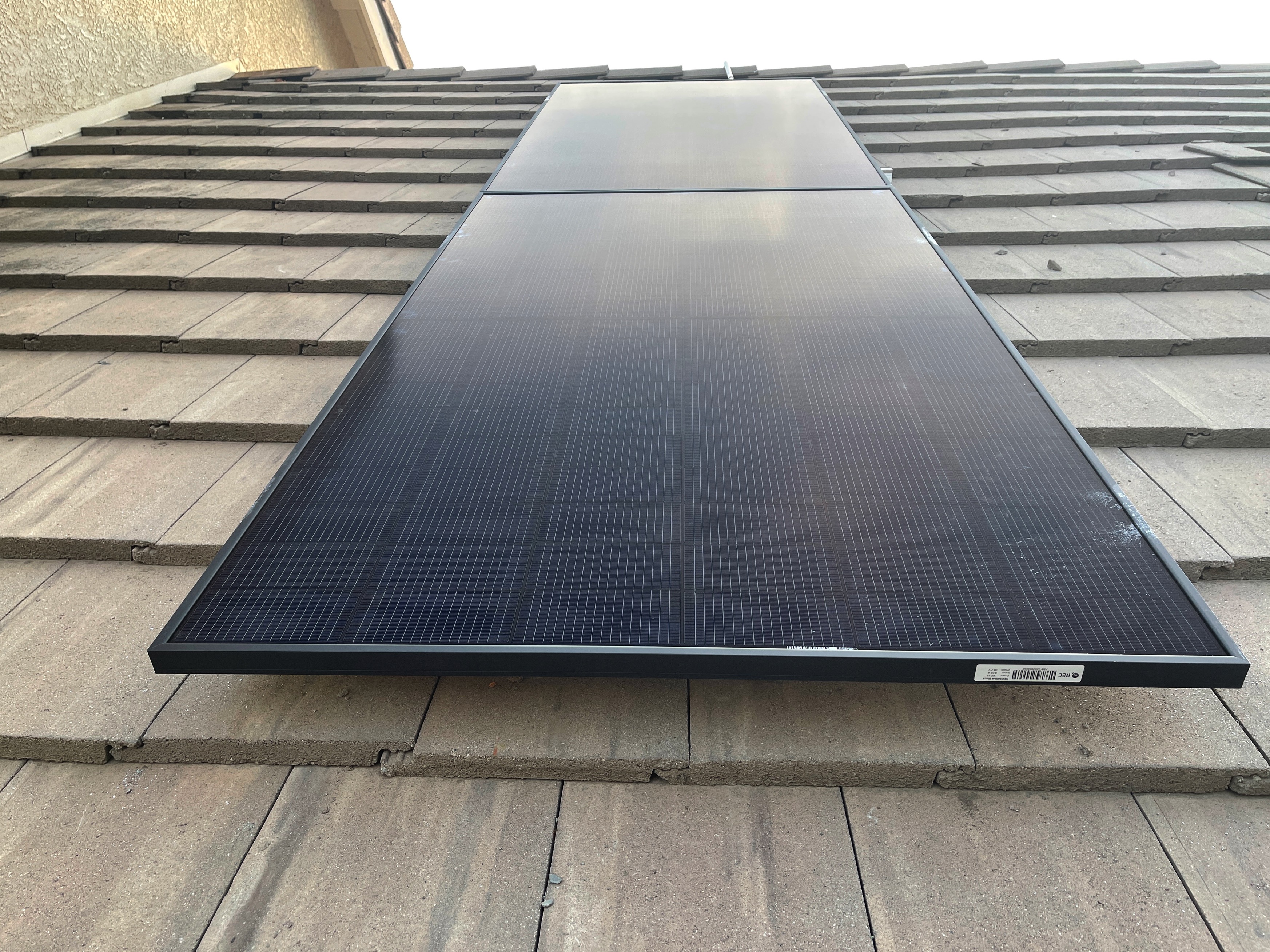
Check out this solar panels in Santa Clarita, CA.
This client wanted to go solar to take control of their electric bill before the summer months. This client also wanted to go solar to cut down their carbon foot print. We were happy to assist this customer on going solar while staying in the customer budget. Also, we were able to build a custom system that fulfilled the clients usage.
For this custom system built for the client we decided to go with REC panels and we used a Solaredge optimizers for maximum solar production. Since going solar this customer has been able to enjoy Thousands of dollars in yearly savings. Not only was client able to enjoy the yearly savings, but the tax incentives that come with going solar as well. There are numerous reasons/benefits for going solar, which are energy experts are happy to go over with you. Check out our Yelp to hear our customers experiences working with us.
Ready to get started on your solar project? Then contact our solar energy experts to see how much you can save with AMECO Solar.



How to Choose a Solar Company in Santa Clarita
Making the switch to solar is a big decision, and finding the right partner to guide you is just as important as choosing the right panels. With so many options out there, it can feel a bit overwhelming. To make it easier, here are a few key things to look for when selecting a solar installer in Santa Clarita. These steps will help you find a reliable company that can design a system perfect for your home and budget, ensuring you feel confident in your investment for years to come.
Get Multiple Quotes to Compare
Before you commit to a solar installer, it’s smart to shop around. Getting quotes from at least three different companies gives you a clear picture of what a fair price looks like for your project. According to the solar marketplace EnergySage, homeowners who compare multiple offers can save up to 20% on the total cost of their installation. When you review these quotes, look beyond the final price. Compare the proposed equipment, warranty terms, and financing options to make sure you’re getting the best overall value. A good first step is to use an online estimate calculator to get a baseline idea of potential costs and savings for your home.
Check for Credentials and Insurance
You wouldn't hire an unlicensed contractor to remodel your kitchen, and the same rule applies to your solar installation. It's essential to confirm that any company you consider is fully licensed and insured. This protects you from liability in case of accidents on your property and ensures the installer is qualified to do the job correctly and safely. A company with a long history, like AMECO’s 50 years of combined solar and roofing experience, demonstrates stability and a long-term commitment to its customers. A reputable installer will always be transparent about their credentials, giving you peace of mind that your home is in good hands.
Understand Equipment and Workmanship Warranties
Warranties are your safety net, so it’s crucial to understand what’s covered before signing a contract. There are two main types to ask about: an equipment warranty and a workmanship warranty. The equipment warranty covers the physical components, like your solar panels and inverters, against defects. The workmanship warranty covers the installation itself, protecting you from issues caused by improper labor. A strong workmanship warranty is a sign that the company stands behind its work. This is especially important when you have a company that handles both roofing and solar, as they can guarantee the installation won’t compromise your roof’s integrity.
Consider a Local vs. National Installer
When choosing an installer, you’ll likely come across both large national chains and smaller local companies. While big names have brand recognition, local installers often provide significant advantages. Research from EnergySage shows that national installers can be about 10% more expensive than local ones. A local company also brings an in-depth understanding of Santa Clarita’s specific building codes, permitting processes, and utility company requirements. They offer a more personalized experience, and you’ll be supporting a business in your own community. Working with a local expert ensures your project is tailored to the needs of California homeowners like you.
The Setting: Santa Clarita, CA
Santa Clarita, CA
Solar Costs, Savings, and Payback in Santa Clarita
When you’re thinking about a major home improvement like solar, the numbers are a huge part of the conversation. It’s not just about the initial price; it’s about seeing the complete financial picture, from the upfront cost to the long-term savings and how quickly your investment starts paying you back. In a place like Santa Clarita, where sunshine is abundant, making the switch to solar is a particularly smart financial decision. Let’s break down what you can realistically expect when it comes to the cost and return on a solar energy system for your home, so you can feel confident in your choice.
Average System Cost
So, what does it actually cost to go solar in Santa Clarita? Based on current market data, the average price for a typical 9.67 kW solar installation is around $23,542 before you factor in any tax credits or local rebates. It’s helpful to use this number as a general benchmark. Of course, your home’s specific energy needs might call for a smaller or larger system, which will adjust the final cost. This initial figure gives you a solid starting point for planning your budget. For a more personalized number based on your roof and electricity usage, you can use an estimate calculator to get a much clearer picture of your potential investment.
Factors Affecting Your Final Price
While the average cost is a great reference, several key factors will shape your final quote. The size of your system is the biggest variable—a larger home with higher energy bills will naturally need more panels to offset its consumption. The quality and efficiency of the solar panels and inverters you select also play a significant role in both cost and performance. Additionally, the complexity of the installation matters; for example, a steep roof or one with multiple angles might require more specialized labor. The condition of your roof is another important piece of the puzzle. Since we also provide professional roofing solutions, we can ensure your solar installation is built on a solid foundation for decades to come.
Long-Term Savings and Payback Period
The real magic happens when you look at the long-term picture. While there's an upfront investment, the financial benefits over time are substantial. Homeowners in Santa Clarita can expect to save an incredible $116,671 on average over the 25-year lifespan of their solar panel system. Just think about what you could do with that money instead of sending it to the utility company each month! The time it takes to recoup your initial investment, known as the payback period, is also impressively short. On average, a solar system in the area pays for itself in about 8.19 years. After that, every kilowatt of energy your panels produce is pure savings, protecting you from rising electricity rates for years to come.
When It Happened
2021
Key Solar Incentives to Act On
The Federal Solar Tax Credit Deadline
One of the most significant financial benefits for homeowners switching to solar is the Federal Solar Tax Credit. This incentive allows you to deduct 30% of the total cost of your solar panel system directly from your federal taxes. It’s a dollar-for-dollar reduction that makes a huge difference in the upfront investment. However, there's a key deadline to keep in mind. To qualify for the full 30% credit, your system must be fully installed and operational by December 31, 2025. This makes planning your project sooner rather than later a smart move to ensure you can claim this valuable credit.
This isn't just a small rebate; it's a substantial financial tool that can dramatically lower the cost of your entire solar installation. As the experts at NRG Clean Power note, "The 30% federal tax credit for residential solar panels is ending after December 31, 2025. To get this credit, your system must be fully installed and working by then." By taking advantage of this incentive, you can make your transition to clean energy more affordable and start seeing a return on your investment much faster. It’s an opportunity to secure your energy future while keeping costs manageable.
Beyond the initial tax credit, the long-term financial picture is even more compelling. According to data from EnergySage, California homeowners can save an average of "$116,671 on electricity bills over 25 years." When you combine these incredible long-term savings with the immediate reduction from the tax credit, the financial case for going solar becomes crystal clear. You’re not just making an upgrade to your home; you’re making a long-term investment that pays for itself and continues to save you money for decades.
To make the most of these opportunities, it’s helpful to understand all the financial assistance available. As A1 SolarStore suggests, you should "Explore financial help: Find out about tax credits, rebates, and payment plans that can make solar panels more affordable." Working with an experienced team can help you identify every incentive you qualify for. You can start by using an estimate calculator to get a preliminary idea of your costs and potential savings, which gives you a great starting point for a more detailed conversation.
How Long Did the Solar Installation Take?
2 Months
The Solar Installation Process Step-by-Step
Step 1: Consultation and Contract
Your solar journey begins with a conversation. This first step is all about figuring out what you need and finding the right company to partner with. You'll typically gather a few quotes to compare system designs and costs. At AMECO, we start with a personalized consultation to understand your energy goals, just like we did for the Santa Clarita homeowner. We follow a clear approach to look at your electricity usage and budget, designing a custom system that makes sense for you. Once you've reviewed the proposal and are ready to move forward, you'll sign a contract that outlines the project scope, timeline, and costs, locking in your path to energy independence.
Step 2: Site Visit and Permitting
After the paperwork is signed, the technical planning begins. A team of engineers will conduct a site visit to your home to take detailed measurements and assess your roof's condition and sun exposure. This ensures the final design is perfectly optimized for your property. This is also where having a company with deep roofing solutions expertise is a huge advantage; if any repairs are needed, they can be handled seamlessly. From there, your solar provider will manage the entire permitting process. They’ll submit all the necessary plans and applications to your local city or county and the utility company. You don't have to worry about the bureaucracy—your team handles it all.
Step 3: Installation and Inspection
This is when you see your solar system come to life. The physical installation is surprisingly quick, usually taking just one to three days. The installation crew will arrive to mount the racking, secure the solar panels, and connect all the electrical wiring and inverters. They work efficiently to minimize any disruption to your daily routine for our residential customers. Once the installation is complete, a final inspection is scheduled with your local building department to verify that the system meets all safety and code requirements. After it passes inspection, the utility company grants Permission to Operate (PTO), and you can officially flip the switch and start generating your own clean energy.
The Solar Technology We Used
Panel Brand: REC
Inverter Brand: SolarEdge
System Size: 13320
Planning Your Solar System
Jumping into solar is exciting, but a little planning goes a long way in making sure your system is a perfect fit for your home. It’s not just about putting panels on the roof; it’s about designing a system that meets your specific energy needs today and in the future. Thinking through the size of your system, what affects its performance, and how you’ll pay for it are the first steps toward energy independence. A well-planned system ensures you get the most out of your investment and enjoy reliable, clean power for decades, giving you control over your energy bills and your environmental impact.
The 20% Rule for Sizing Your System
A great guideline to follow when sizing your system is the "20% rule." This simply means your home solar system should be designed to produce about 20% more energy than your household typically consumes. This extra power acts as a safety net. For instance, if your home uses 1,000 kilowatt-hours (kWh) of electricity each month, you’d want a system that can generate around 1,200 kWh. That extra 200 kWh buffer accounts for cloudy days, a gradual decrease in panel efficiency over many years, or even future additions to your home like an electric vehicle that will increase your energy needs.
Factors That Affect Solar Production
Several key factors determine how much power your solar panels will actually generate. Your geographical location is a big one—here in California, we get plenty of sun, but local weather patterns still play a role. The orientation and pitch of your roof are also critical for capturing the maximum amount of sunlight. Even the type and efficiency of the solar panels themselves can make a difference. During a consultation, an expert will assess all these variables to create a custom design that maximizes your home’s solar potential and gives you a clear picture of your expected energy production.
Financing Options for Your Project
The cost of a solar system is a major consideration, but there are more ways to pay for it than you might think. You can purchase the system outright, but many homeowners choose to finance their project, often with a $0-down loan that makes it immediately accessible. Leasing is another option available in the market. A good solar partner will walk you through all the possibilities and help you understand the long-term financial benefits of each. They can also help you find and apply for any available rebates and tax incentives that can significantly reduce the overall cost of your project.
Adding Battery Storage for Energy Security
Generating your own solar power is a huge step toward energy freedom, but what happens when the sun goes down or the grid goes out? That’s where battery storage comes in. Pairing a solar battery with your panels allows you to store the excess energy you produce during the day for use whenever you need it. This is especially important in California, where power outages can be a regular occurrence. A battery backup system gives you peace of mind, knowing your lights and essential appliances will stay on no matter what, keeping your family safe and comfortable.
How Battery Backup Works
Think of a solar battery as your personal energy reserve. During the day, your solar panels will first power your home. Any extra electricity they generate is then used to charge your battery. When evening comes and your panels are no longer producing, your home automatically switches over to pull power from the battery instead of the grid. If a power outage occurs, the battery immediately kicks in to keep your home running seamlessly. It’s a simple and effective way to keep your power on and maintain control over your home's energy supply 24/7.
Benefits of Storing Your Solar Energy
Beyond providing backup power during an outage, a solar battery offers significant financial advantages. It allows you to use your own stored solar energy during peak evening hours when electricity rates from the utility are highest, helping you save even more on your bills. In some cases, if your panels produce more energy than you use and your battery is full, you can send the surplus back to the power grid. Depending on your utility's policy, you can receive a credit for this extra power, which further lowers your electricity costs and accelerates the return on your solar investment.
Frequently Asked Questions
How long does the entire solar process take from start to finish? While the physical installation on your roof is quick, usually just a few days, the entire project timeline is a bit longer. For the Santa Clarita project, it took about two months. This timeframe includes the initial consultation and system design, a detailed site visit, securing all the necessary permits from the city, and coordinating the final inspection with your utility company. We handle all of that coordination so you don't have to.
What if my roof is old or needs repairs before installation? This is a great question and a very common concern. Since solar panels are a long-term investment, you want to make sure the foundation they sit on is solid. Because we are also a licensed roofing contractor, we can assess your roof's condition during the site visit. If it needs any work, we can handle the repairs or replacement, creating a seamless process and ensuring your entire system is built to last.
How exactly does the 30% federal tax credit work? The federal tax credit is a significant financial incentive, but it's important to understand that it's a credit, not an instant rebate. This means it reduces the amount of federal income tax you owe for the year you install your system. For example, if the total cost is $24,000, a 30% credit would be $7,200. You could then subtract that $7,200 from your tax liability. We always recommend speaking with a tax professional to understand how it applies to your specific financial situation.
Why would I want a system that produces more energy than I currently use? It might seem strange to design a system that generates extra power, but it’s a smart way to plan for the future. We recommend sizing a system to produce about 20% more energy than your household's current average. This buffer accounts for cloudy days, the natural, gradual decrease in panel efficiency over 25 years, and any future lifestyle changes, like buying an electric vehicle or adding a new appliance. It ensures your system meets your needs for years to come.
Is a battery backup system really necessary for my home? Whether you need a battery depends on your primary goals. If you want to be completely protected from power outages and keep your lights and essential appliances running during a blackout, then a battery is essential for that peace of mind. A battery also helps you save more money by storing your excess solar power to use during the evening, which is when utility rates are typically at their highest. We can help you decide if it’s the right fit for your home and budget.
Key Takeaways
- Take advantage of key financial incentives: Going solar in Santa Clarita offers substantial long-term savings, and you can make the upfront cost more manageable by acting before the 30% federal tax credit expires at the end of 2025.
- Choose your solar installer with confidence: Protect your investment by doing your research. Always compare at least three quotes, verify that the company is licensed and insured, and carefully review both the equipment and workmanship warranties.
- Plan a solar system that grows with you: A well-designed system should meet your future needs, not just your current ones. Sizing your system to produce about 20% more energy than you use and adding a battery for backup power ensures you have reliable energy for years to come.


.svg)
