


Are Cool Roof Shingles a Smart Choice for Your Home?
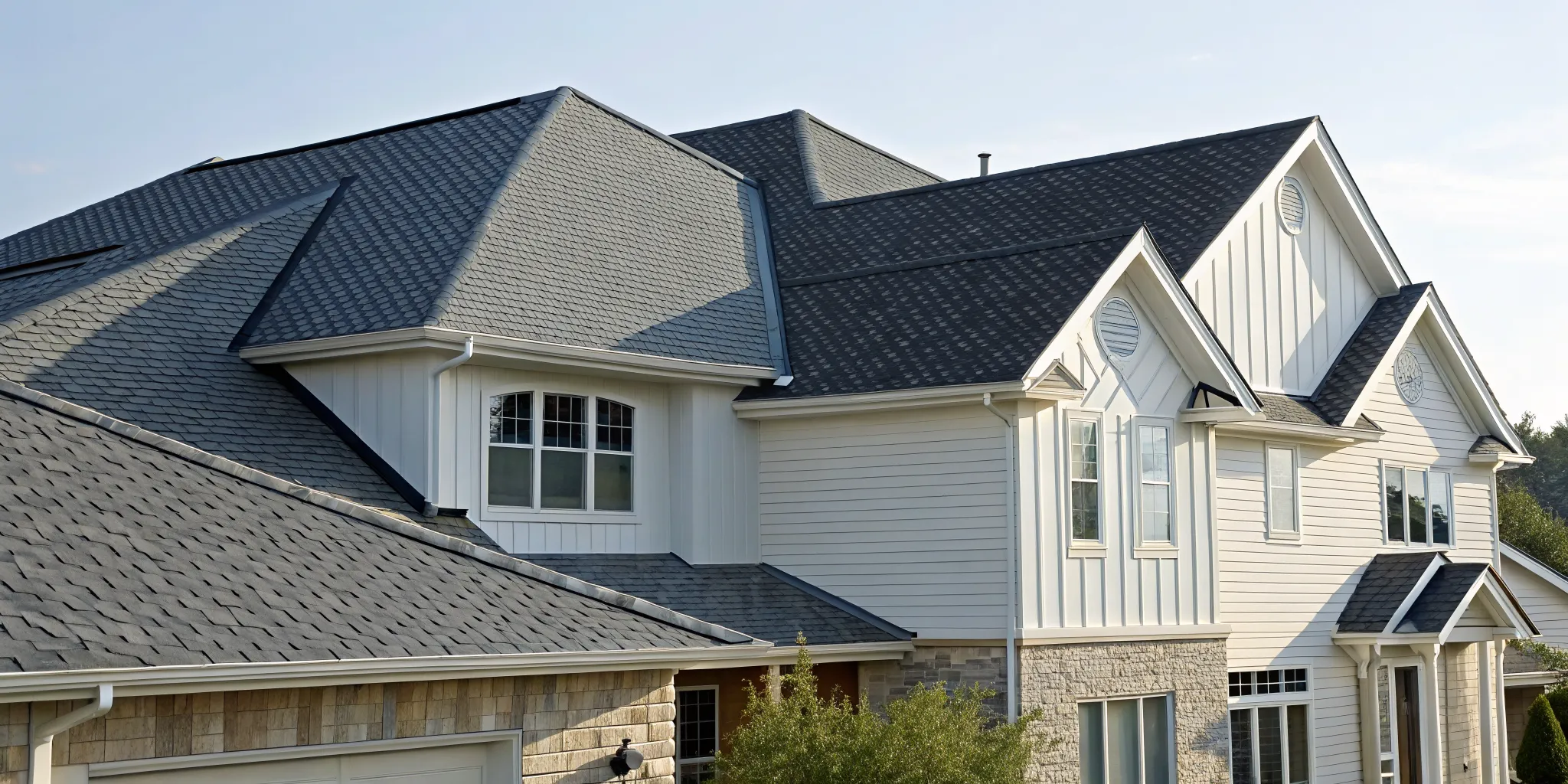
We’ve all done that barefoot dash across hot, dark pavement on a sunny day. Your roof feels that same intense heat, but it can’t run for cover. Instead, it absorbs the sun's energy and funnels it straight into your home, forcing your air conditioner to work overtime. Cool roof shingles are designed to flip this script. By reflecting the sun’s rays instead of soaking them in, they keep your home naturally cooler, leading to big savings on your energy bills. But for California homeowners, the real question is: considering the upfront cost, are they actually worth it?
Key Takeaways
- Lower Your Cooling Costs: A cool roof works by reflecting sunlight away from your home, which means your air conditioner doesn't have to work nearly as hard. This simple principle can lead to significant annual savings on your energy bills, especially during long California summers.
- Protect Your Investment: By reducing your roof's surface temperature, cool shingles minimize the heat-related stress that causes cracking and degradation. This can add years to your roof's lifespan, protecting your home and delaying the major expense of a future replacement.
- Evaluate the Long-Term Value: A cool roof is an investment. While the initial cost may be higher and color options are lighter, these factors are often outweighed by substantial long-term energy savings and a longer-lasting roof, delivering a strong return for most California homes.
How Do Cool Roof Shingles Actually Keep Your Home Cool?
Have you ever walked barefoot on dark pavement on a sunny day? You probably didn't do it for long. A dark roof absorbs the sun's heat in the same way, transferring it directly into your home and forcing your air conditioner to work overtime. Cool roof shingles are designed to solve this exact problem. Instead of soaking up the sun’s rays, they reflect them away from your house, keeping your home naturally cooler, even on the hottest California days. It’s a simple concept with a big impact on your comfort and your energy bills.
How Reflective Shingles Repel Summer Heat
The magic of cool roof shingles lies in their reflective properties. Think of it like choosing your outfit for a summer day: you’d probably pick a white t-shirt over a black one to stay cooler. Cool roofs work on the same principle. They are made with special granules that are designed to reflect more sunlight and absorb less heat than traditional shingles. While a standard dark roof absorbs most of the solar energy that hits it, a cool roof bounces that energy back into the atmosphere. This process, known as solar reflectance, is the key to how these shingles keep your home from overheating.
Cool Roofs vs. Traditional: A Temperature Comparison
When you put a cool roof up against a traditional one, the difference is dramatic. A cool roof can stay up to 50°F cooler on the surface than a standard dark shingle roof. That’s a huge temperature drop, and it has a ripple effect. When your roof isn't baking in the sun, less heat gets transferred into your attic and living spaces. This means your air conditioning system doesn't have to fight as hard to keep your home comfortable. Beyond just comfort, this reduced heat stress also helps your roofing materials last longer by preventing the cracking and degradation that extreme temperatures can cause over time.
Understanding Cool Roof Performance Ratings
Solar Reflectance (SR)
The main job of a cool roof is to reflect sunlight, and there’s a specific way to measure how well it does this. It’s called solar reflectance, or SR. This rating tells you what percentage of sunlight a roof surface can send back into the atmosphere. A standard dark roof might have a very low SR, meaning it absorbs most of the heat that hits it. In contrast, cool roof shingles are designed with a high SR. By choosing a material that can reflect the sun's rays, you prevent that heat from ever entering your attic and home, which is the first step toward a more comfortable living space and lower energy bills.
Thermal Emittance (TE)
Reflecting sunlight is only half the battle. Any heat your roof does absorb needs a way to escape efficiently. That’s where thermal emittance, or TE, comes in. This rating indicates how well a material can release the heat it has absorbed. Think of it as your roof’s ability to cool itself down, especially after the sun has set. A roof with high thermal emittance will radiate heat away quickly instead of holding onto it and letting it seep into your house overnight. When you combine high solar reflectance with high thermal emittance, you get a powerful defense against summer heat, ensuring your roof stays as cool as possible around the clock.
Solar Reflectance Index (SRI)
Instead of trying to juggle two different ratings, the Solar Reflectance Index (SRI) combines both solar reflectance and thermal emittance into one easy-to-understand score. SRI measures a roof's total ability to reject solar heat, with a higher number indicating a cooler, more efficient roof. For example, a standard black shingle might have an SRI close to 0, while a highly reflective white roof could score 100. This single value makes it much simpler to compare different products when you’re shopping for a new roof. Looking for a high SRI is a straightforward way to ensure you’re choosing a material that will deliver real energy savings.
A Note on CRRC Ratings Over Time
So, where do you find these official ratings? The Cool Roof Rating Council (CRRC) is an independent organization that tests and labels roofing products with their SR, TE, and SRI values. Their online directory is a fantastic resource for homeowners. One important detail to look for is the "aged" rating, which estimates performance after three years of real-world exposure to the elements. Performance can change over time, so this gives you a more realistic picture of long-term value. Understanding these ratings can feel a bit technical, which is why working with an experienced roofing partner is so helpful. We can walk you through the options to find the best-performing shingles for your home and budget.
What Are the Real-World Benefits of a Cool Roof?
Choosing a new roof is a big decision, and a cool roof offers compelling advantages that go far beyond simple curb appeal. For California homeowners, the benefits are especially significant, touching on everything from your monthly budget to the long-term health of your home and community. A cool roof works by reflecting more sunlight and absorbing less heat than a standard roof. This simple change can lead to some pretty impressive results, making your home more comfortable, efficient, and resilient. Let's break down exactly what you stand to gain.
Save Money on Your Monthly Energy Bills
Let’s start with the benefit everyone loves: saving money. In a sunny climate like California’s, air conditioning can be one of the biggest drains on your wallet. A cool roof directly tackles this by reducing how much heat enters your home in the first place. Because your roof stays cooler, your AC unit doesn't have to work nearly as hard to maintain a comfortable indoor temperature. Studies show this can lower your summer cooling costs by up to 20%. Over a year, that could mean an extra $200 to $300 in your pocket. It might not sound like a fortune, but over the life of the roof, those savings can add up to thousands of dollars. You can even get a personalized idea of your potential savings with an estimate calculator.
Help Your Roof Last Longer
Your roof takes a constant beating from the sun. All that intense heat and UV radiation causes traditional roofing materials to expand, contract, and eventually break down. This thermal stress leads to cracking and deterioration, shortening your roof's lifespan. A cool roof can lower surface temperatures by as much as 50°F, which dramatically reduces this stress. By keeping things cooler, you can prevent premature aging and damage, potentially adding another 5 to 10 years to your roof's life. Considering a full roof replacement is a major expense, extending the life of your current one is a huge financial win and gives you valuable peace of mind. Our roofing solutions are designed with this kind of long-term durability in mind.
A Greener Choice for Your Home and Community
The positive impact of a cool roof extends beyond your own property line. When entire neighborhoods adopt them, it helps lessen the "urban heat island effect," where developed areas become significantly hotter than surrounding rural areas. A cooler community puts less strain on the electrical grid, especially during peak demand on hot summer afternoons. This can help prevent power outages, a growing concern for many Californians. According to the Department of Energy, cool roofs also help reduce air pollution and smog formation. By choosing a cool roof, you’re not just making a smart investment for your home; you’re contributing to a healthier, more resilient community for everyone.
Potential for a Smaller, More Efficient AC System
Here’s a benefit you might not have considered: a cool roof can actually allow you to install a smaller, more efficient air conditioning system. When your home’s cooling load is significantly reduced, your current oversized AC unit might not be necessary. When it's time for a replacement, you can "right-size" your new system to match your home's actual needs. A smaller AC unit often costs less to purchase and install, and it runs more efficiently, which means you save money twice. This is a perfect example of how one smart home improvement can create a domino effect of savings and efficiency. It’s a key part of our approach to building a holistic energy plan for your home, where every component works together to maximize performance and minimize cost.
Cool Roofs: What Are the Potential Downsides?
As much as I love the benefits of a cool roof, it’s important to look at the full picture before making a decision for your home. While they offer incredible advantages, especially here in California, there are a few trade-offs to consider. Think of these less as "downsides" and more as factors to weigh against the long-term savings and comfort you’ll gain.
The main points to think about are the initial investment, your style preferences, and how the roof performs year-round. For most homeowners, the pros will heavily outweigh the cons, but knowing all the details helps you make the best choice for your specific situation. We believe in transparency, so let’s walk through each of these considerations together. This way, you can feel completely confident when you decide on your new roofing solution.
Breaking Down the Initial Investment
Let's talk about the budget. Yes, cool roof shingles can have a higher upfront cost than traditional asphalt shingles. This is because they are made with special reflective granules that are more advanced than standard materials. It’s helpful to see this not as just an expense, but as an investment in your home's energy efficiency.
While the initial price tag might be higher, this cost is often balanced out over time by significant savings on your cooling bills. You’re paying more at the start for a high-performance product that will reduce your energy consumption for years to come. We can help you calculate the potential long-term savings to see how quickly that initial investment can pay for itself.
Are Your Style and Color Options Limited?
Your home's curb appeal is a big deal, so let's get into aesthetics. Because cool roofs work by reflecting sunlight, they are most effective in lighter colors like white, light gray, and tan. If you have your heart set on a dramatic, dark-colored roof, you might find the options more limited. The technology simply works best with shades that don't absorb as much heat.
However, manufacturers are constantly innovating, and the range of colors and styles is always growing. You can still find beautiful options that complement your home’s design. A great way to see what’s possible is to use a 3D Home Visualizer to experiment with different shingle colors and find a look you love that also keeps your home cool.
Do Cool Roofs Work in Colder Climates?
This is a common question, especially for those in milder parts of California. A roof designed to reflect the sun's heat in the summer will do the same thing in the winter. According to the U.S. Department of Energy, this means a cool roof can sometimes lead to slightly higher heating costs during colder months because it isn't absorbing that free solar warmth.
For California homeowners, however, this is usually a minor factor. The intense, prolonged heat of our summers means the savings from reduced air conditioning use almost always far outweigh any small increase in winter heating bills. Your home's climate zone is key, but in a state known for its sunshine, a cool roof is typically working in your favor for most of the year.
The Risk of Condensation Without Proper Design
While a cool roof is great at reflecting heat, it's smart to be aware of one potential issue: condensation. Because the roof surface stays cooler, it can sometimes have trouble drying out completely after rain or heavy morning dew. If a roof isn't designed with proper ventilation, this lingering moisture can create problems, especially in warmer, more humid parts of California where it might lead to mold or algae on the lighter-colored shingles. The good news is that this is entirely preventable. As the U.S. Department of Energy highlights, proper design is the solution. This is where working with an experienced roofing professional makes all the difference. A team that understands the local climate can ensure your roof is installed perfectly, so you get all the benefits of a cool roof without any moisture-related headaches.
Is a Cool Roof Right for Your California Home?
For most of us here in California, the answer is a resounding yes. Our state’s sunny climate makes it one of the best places for a cool roof. This technology is designed to thrive under the exact conditions we experience for most of the year, reflecting the sun's intense heat away from your home instead of absorbing it. This simple change can make a huge difference in your home's comfort and your monthly energy bills, especially during those long, hot summers.
Of course, California is a big state with diverse microclimates. The benefits you'll see in a hot, dry area like the Central Valley might look a little different from what you'd experience in a coastal city or a cooler mountain town. That’s why it’s so important to consider your specific location when deciding if a cool roof is the right fit. AMECO’s customized approach always starts with understanding your home's unique environment to make sure you get the best possible results. Let’s break down how a cool roof performs in different parts of the state.
Why They Excel in Hot, Sunny Climates
If you live in one of California's hot, sunny inland areas, a cool roof is practically a no-brainer. These roofs are engineered to excel in intense sunlight. By reflecting solar radiation, a cool roof can lower the surface temperature of your roof by as much as 50°F. This keeps your shingles from overheating, which means less cracking and a longer lifespan for your entire roofing system.
The biggest win, however, is the impact on your air conditioning costs. A cool roof can reduce your annual cooling expenses by 10% to 15%. For many homeowners, that translates to hundreds of dollars in savings each year. Over the 20-year life of a roof, those savings can really add up, making it a smart financial decision for your residential property.
What to Consider for Humid or Coastal Homes
For those living in coastal communities from San Diego to the Bay Area, a cool roof is still a great option, but it’s helpful to set the right expectations. While you'll definitely notice a cooler home and lower energy bills, the savings might be slightly less dramatic than in drier inland regions.
The reason is humidity. High humidity in the air can make any roofing system, including a cool roof, a bit less efficient at releasing heat. The combination of coastal air and moderate temperatures means the performance difference isn't as stark. You'll still get clear benefits, like reduced strain on your AC and a more comfortable home, but the overall energy savings may be more modest.
Managing Potential Mold and Algae Growth
One thing to keep in mind, especially in more humid coastal areas, is the potential for mold or algae. Because a cool roof stays cooler, it doesn't get as hot as a traditional roof, which means moisture can sometimes linger a bit longer. This can create a more inviting environment for growth. However, this is a completely manageable aspect of cool roof ownership. Many modern shingles are manufactured with algae-resistant granules. Additionally, proactive maintenance is your best defense. The U.S. Department of Energy notes that simple cleanings and keeping your roof clear of debris can prevent any issues from taking hold. Choosing the right materials and coatings from the start ensures your roof stays clean and effective.
Why They're Less Effective in Colder Regions
If your home is in a colder, mountainous part of California like Big Bear or Lake Tahoe, a cool roof might not be the best choice. The very thing that makes a cool roof so effective in the summer can become a slight disadvantage in the winter. Because the roof is designed to reflect solar heat, it will do so year-round.
In the winter, this means your roof won't absorb as much free heat from the sun, which could cause your heating system to work a little harder. In climates with long, cold winters, this "winter penalty" can sometimes cancel out the summer cooling savings. For these areas, other roofing solutions might offer a better year-round value.
Calculating Your Costs vs. Long-Term Savings
When you’re thinking about a new roof, the price tag is obviously a big factor. But with a cool roof, the initial cost is only half the story. The real conversation is about the money it saves you over time. A cool roof is an investment in your home’s energy efficiency, and like any good investment, it’s designed to pay you back. Let’s break down the numbers so you can see how the upfront cost compares to the long-term savings and decide if it makes financial sense for your home.
How Much Do Cool Roof Shingles Cost?
I’ll be straight with you: cool roofs often have a higher initial installation price compared to standard asphalt shingles. It’s important to see this not just as a cost, but as an upgrade to your home’s performance. Think of it like choosing energy-efficient appliances or double-paned windows. You’re paying more at the start for a product that is engineered to perform better and reduce your monthly expenses. This initial investment is the foundation for years of energy savings, greater comfort, and a longer-lasting roof, which all contribute to a solid return.
Comparing Upfront Costs to Standard Shingles
Let's get down to the numbers. Typically, cool roof shingles cost about 10% to 20% more upfront than standard shingles. For example, a cool-rated asphalt shingle might add just $0.10 to $0.20 per square foot to your project's total cost. While that initial figure is higher, it's crucial to see it as an investment in a superior product. You're choosing advanced, high-performance roofing materials that are specifically engineered to reduce your monthly energy consumption. That slightly higher initial cost is what enables years of significant savings on your cooling bills, making it a financially savvy choice for California homeowners.
How Much Can You Actually Save on Energy?
This is where a cool roof really starts to shine, especially here in California. Your air conditioner is one of the biggest energy hogs in your home, and a cool roof gives it a serious break. By reflecting the sun's heat, a cool roof can lower your roof’s surface temperature dramatically, meaning less heat gets into your home. Studies show that this can reduce your cooling needs by up to 20%. For your budget, this means you can cut your air conditioning costs by 10% to 15% annually. That could easily add up to a few hundred dollars a year, and thousands over the life of the roof.
Annual Savings and Long-Term Value
Those annual savings of a few hundred dollars are just the beginning. When you look at the entire lifespan of your roof—often 20 years or more—those savings really start to stack up, turning into thousands of dollars back in your pocket. But the value doesn't stop there. A cool roof also protects your investment by extending its lifespan. By reducing the intense heat that causes wear and tear, a cool roof can add another 5 to 10 years of life to your roofing system. Delaying a full roof replacement is a massive financial win. When you combine years of energy savings with a longer-lasting roof, you can see how the initial investment in a cool roof pays for itself, making it a smart financial move for your home.
Figuring Out Your Return on Investment (ROI)
Return on investment, or ROI, is just a simple way of asking, "When will this pay for itself?" With a cool roof, the ROI is the point where your accumulated energy savings equal the extra amount you paid for the reflective shingles. After that, it’s all pure savings. The exact payback period depends on your climate, your home’s insulation, and your energy rates, but it’s often faster than you might think. Studies of commercial buildings consistently find net annual energy cost savings, and for homeowners, the principle is the same. You’re making a smart choice that lowers your bills month after month.
How to Find Rebates and Tax Credits
Here’s some great news: you might not have to cover the full cost yourself. To encourage energy efficiency, many government and utility programs offer incentives that can make a cool roof even more affordable. For starters, many cool roof products qualify for a federal tax credit that can reduce what you owe on your taxes. Beyond that, many California cities and utility companies have their own rebate programs for homeowners who install energy-saving roofing. It’s always a good idea to check what’s available in your area, as these programs can significantly lower your initial cost and shorten your payback period.
Cool Roof Myths vs. Facts
When a new technology comes along that sounds a little too good to be true, it's natural to be skeptical. Cool roofs are no exception, and there are a few persistent myths floating around that can cause confusion. Let's clear the air and look at the facts so you can make an informed choice for your home. It’s important to separate fiction from reality, especially when you’re making a significant investment in your property. We'll tackle the three most common misconceptions head-on, giving you the straightforward information you need.
Myth: "Cool roofs are too expensive for the payoff."
Let's talk about the price tag. While the initial investment for cool roof shingles can sometimes be higher than for traditional materials, they start paying you back almost immediately. The idea that they don't work is simply false. Research shows that cool roof coatings can reduce cooling costs by up to 20% during hot summer months. Think of it this way: you’re not just buying a roof; you’re investing in lower energy bills for years to come. Studies confirm net annual energy cost savings for homes with cool roofs across various climates, proving they are an effective and financially sound choice for lowering your utility expenses.
Myth: "They only work in desert climates."
You might think cool roofs are only for homes in Palm Springs or Death Valley, but that's not the case. The principle is simple: if your home gets a lot of sun and you run the air conditioner, a cool roof can help. The reflective surface works its magic in any sunny environment, from coastal towns to inland valleys. In fact, research confirms that cool roofs can reduce energy use in air-conditioned buildings across a wide variety of climates, not just arid ones. So, if you live anywhere in sunny California, your home is likely a great candidate to benefit from a cool roof's heat-reflecting power.
Myth: "Cool roofs are difficult to maintain."
The last thing any homeowner wants is another complicated item on their to-do list. Fortunately, a cool roof isn't one of them. Maintaining a cool roof is very similar to caring for a traditional one. It may need occasional cleaning to keep its reflective properties at their peak, especially in areas with more dust or pollution, but it doesn't require special, intensive upkeep. The key is a quality installation with durable materials, which is the foundation of any low-maintenance roof. Our professional roofing solutions ensure your cool roof is installed correctly from day one for long-lasting, worry-free performance.
Simple Steps to Maintain Reflectivity
Keeping your cool roof working at its best is much easier than you might think. The whole point is to keep that reflective surface clean so it can do its job. Over time, things like dust, leaves, and general grime can build up, making the roof less effective at bouncing sunlight away. To make sure your roof continues to perform effectively, all it really needs is a little cleaning. For most homes, a simple rinse with a garden hose once or twice a year is plenty to wash away any buildup. This quick task protects your investment, ensuring you continue to save on cooling costs and get the longest possible life out of your roof.
How Do Cool Roofs Compare to Other Materials?
When it’s time for a new roof, you have a lot of options. Seeing how cool roofs stack up against other popular materials can help you decide if they’re the right fit for your home. Let's look at how they compare to traditional asphalt and metal, and why they might just be the best friend your solar panels ever had.
Cool Roof Shingles vs. Traditional Asphalt
Think of traditional dark asphalt shingles as the roofing equivalent of wearing a black shirt on a hot, sunny day. They absorb a massive amount of solar heat, which then transfers right into your attic and living spaces. This forces your air conditioner to work overtime, driving up your energy bills. Cool roofs, on the other hand, are designed to reflect sunlight. Studies show that this simple change can reduce your cooling costs by up to 20% during those long California summers. By choosing reflective roofing solutions, you’re not just getting a new roof; you’re making a smart investment in lower energy consumption and a more comfortable home.
Cool Roofs vs. Metal Roofing
Metal roofs have gained a reputation for being a durable and somewhat reflective option, and for good reason. They certainly perform better than dark asphalt shingles under the sun. However, when you look at the numbers, dedicated cool roofs often come out ahead. Research comparing different roofing types has found that cool roofs can deliver greater net annual energy cost savings, especially in urban and suburban areas where heat absorption is a major concern. While metal is a solid choice, a professionally installed cool roof is specifically engineered for maximum solar reflectance, giving it an edge in the fight against high temperatures and even higher electricity bills.
Cool Roofs vs. Clay and Concrete Tiles
Clay and concrete tiles are a classic choice, known for their durability and distinct aesthetic that fits so well with California architecture. While they have a certain charm, they can also absorb a significant amount of heat, especially in the popular darker shades. Even though they offer some thermal mass benefits, they just don't reflect sunlight as effectively as a cool roof. In a hot climate, the reflective properties of a cool roof can lead to much lower surface temperatures, reducing the heat that gets transferred into your home. This can potentially lower your cooling costs by up to 20%, making cool roofs a more energy-efficient choice for battling our sunny weather.
What About Wood Shingles or Slate?
Wood shingles and slate roofs bring a unique, natural beauty and impressive longevity to a home. However, when it comes to keeping your house cool, they fall short. These materials typically don't offer the same level of solar reflectance that you get from a cool roof. According to the U.S. Department of Energy, cool roofs are specifically designed to reflect sunlight, which is a key factor in reducing heat absorption and improving your home's energy efficiency. While wood can be prone to moisture issues and slate is often heavy and expensive, a cool roof provides a targeted solution to one of a California homeowner's biggest challenges: managing the summer heat.
Considering a Green or "Vegetative" Roof
A green or "vegetative" roof, covered with living plants, is an intriguing idea. These roofs are great for insulation and can help manage stormwater runoff, which is a definite plus. However, they come with a much higher price tag for both installation and ongoing maintenance. While they do provide some cooling through evaporation, they don't reflect sunlight nearly as well as a dedicated cool roof. For most homeowners who are focused on maximizing energy efficiency and lowering their cooling bills in a straightforward way, a cool roof offers a more direct and often more cost-effective solution for reducing heat absorption in our sunny climate.
The Perfect Partner for Solar Panels
If you’re considering going solar, a cool roof is one of the smartest moves you can make. Solar panels can lose efficiency when they get too hot, and a traditional dark roof only makes the problem worse. A cool roof can lower your roof’s surface temperature by as much as 50°F. This not only helps your solar solutions operate at peak performance but also extends the life of your shingles by preventing heat-related damage like cracking and curling. When you pair a cool roof with solar panels, you create a powerful system where each component helps the other work more effectively, leading to maximum energy savings and a truly sustainable home.
Your Go-To Checklist Before You Commit
You’ve weighed the pros and cons, and a cool roof sounds like a great fit. Before you sign on the dotted line, it’s smart to run through a final checklist. Taking these last few steps will confirm that a cool roof is the right move for your specific home and that you’re setting yourself up for a smooth installation. Think of this as your last bit of homework to ensure you get the best possible results for years to come.
Assess Your Home's Climate and Sun Exposure
First, let’s get personal with your property. A cool roof’s effectiveness depends heavily on your home’s unique situation. As the Department of Energy points out, cool roofs save the most energy in hot places. For us here in California, that’s fantastic news. However, factors like the amount of shade your roof gets from trees and the direction it faces can influence performance. A professional consultation can help you understand the specific benefits for your home, ensuring your investment makes sense. This is a key part of our approach at AMECO, where we tailor every solution to the homeowner.
Check Local Building Codes
Next up is the not-so-fun but very important task of checking regulations. Depending on where you live, installing a cool roof might not just be a good idea, it could be the law. In California, it might be a state law that you have to install a cool roof when replacing an old one, as part of the state's building energy efficiency standards. While this might feel like another rule to follow, it’s part of California’s larger effort to promote energy efficiency. A qualified roofing contractor will be familiar with your area’s specific requirements and handle all the necessary permits, so you don’t have to worry about it.
Check Your HOA Guidelines
Before you get too far into planning, there's one more important box to tick: your Homeowner's Association. Many communities have rules designed to keep a consistent aesthetic, and that often includes your roof. Before you make any final decisions, it's crucial to check with your HOA for any guidelines on roof colors or materials. Since cool roofs perform best in lighter shades like white, tan, or light gray, you'll want to make sure these options are on the approved list. A quick look at your HOA documents or a call to the board can clear this up easily. It’s a simple step that prevents any potential headaches or fines down the road and ensures your new roof project starts off on the right foot.
Addressing Contractor Skepticism
As you start getting quotes, you might run into some contractors who are skeptical of cool roofs. It’s not uncommon to hear them dismissed, with some even calling them "junk." This skepticism often comes from a lack of understanding of the technology or a bad experience with older, less effective products. Some contractors simply prefer to stick with the materials they know best. This doesn't mean cool roofs don't work; it just means you need to find a partner who is knowledgeable about modern, high-performance roofing solutions. Working with an experienced installer who understands the science behind cool roofs and uses quality materials is the key to a successful, long-lasting project.
Why You Should Talk to Manufacturer Reps
If you encounter skepticism from a contractor, don't let it be the final word. A great way to get unbiased, expert information is to speak directly with manufacturer representatives. These reps can give you the nitty-gritty details on product performance, explain the warranty in plain English, and even refer you to certified installers in your area who have been trained to work with their materials. This step empowers you to become a more informed consumer. Instead of relying on a single opinion, you can gather facts straight from the source, ensuring you get the best advice and find a contractor who is truly qualified for the job.
Find a Qualified Installer
Finally, the success of your cool roof project hinges on the team you hire to install it. You need an experienced contractor who understands the specific materials and techniques required for reflective roofing. A great resource is the Cool Roof Rating Council (CRRC), which maintains a directory of products and their performance ratings. When vetting installers, ask about their experience with cool roofs and if they are certified to work with the materials you’re considering. With over 50 years of combined solar and roofing expertise, our team at AMECO provides professional roofing solutions designed to last.
Ask About Recycling Options for Old Materials
Choosing a cool roof is a fantastic step toward a more sustainable home, but what happens to all the old shingles you’re replacing? Instead of just sending them to a landfill, ask your installer about recycling options. Many common roofing materials, including asphalt shingles and metal, can be recycled and repurposed into new products like pavement. This simple step is a great way to minimize the environmental impact of your roofing project. According to the U.S. Environmental Protection Agency, recycling these materials contributes to a more sustainable building practice and reduces waste. It’s a small question to ask that can make a big difference.
Related Articles
Frequently Asked Questions
Do I have to get a bright white roof? I’m worried about how it will look. Not at all. While it's true that the lightest colors offer the highest level of reflectivity, you have many more options than just plain white. Manufacturers have developed a wide range of beautiful, subtle colors like light grays, tans, and even some muted blues and greens that qualify as cool roofing. These shingles are made with special granules that reflect sunlight, so you can find a style that complements your home's aesthetic without sacrificing performance. A great way to explore your options is to experiment with a home visualizer tool to see how different colors would look on your house.
Will my heating bill really go up in the winter? This is a fair question, but for most California homeowners, it’s not a major concern. A cool roof reflects the sun’s heat year-round, which means it won't absorb as much free solar warmth during the winter. This can result in a very slight increase in heating needs. However, the significant savings you’ll see on your air conditioning bills during our long, hot summers almost always far outweigh this minor winter effect. When you look at your energy costs over the entire year, a cool roof is a clear financial win for homes in our sunny climate.
Is a cool roof still a good idea if I plan to add solar panels later? It’s not just a good idea; it’s a fantastic one. A cool roof and solar panels are a perfect pair. Solar panels generate electricity most efficiently when they are kept cool, and their performance can dip on extremely hot days. A traditional dark roof absorbs heat and makes the surface even hotter, which can reduce your panels' output. By installing a cool roof, you create a much cooler surface environment, helping your future solar panels operate at their peak efficiency and maximizing your energy production from day one.
How long does it actually take for a cool roof to pay for itself? The payback period, or return on investment, depends on a few key factors: your local climate, your current electricity rates, and how much you run your air conditioner. For homeowners in hotter inland areas, the savings on cooling costs can be substantial, leading to a quicker return. The investment can also be offset by available rebates and tax credits, which shorten the payback period even more. It's best to think of it as a long-term upgrade that adds value and reduces your monthly expenses for the entire life of the roof.
What’s the difference between a "cool roof" and just choosing light-colored shingles? This is a great question that gets to the heart of the technology. While any light-colored shingle will be cooler than a dark one, a true cool roof shingle is engineered differently. They are manufactured with special granules that have high solar reflectance, meaning they are specifically designed to bounce sunlight and invisible infrared radiation back into the atmosphere. A standard shingle, even in a light color, doesn't have this advanced reflective property. You are paying for a high-performance material, not just a color choice.


.svg)
