


California Solar Rights HOA: A Homeowner's Guide to Legal Protections
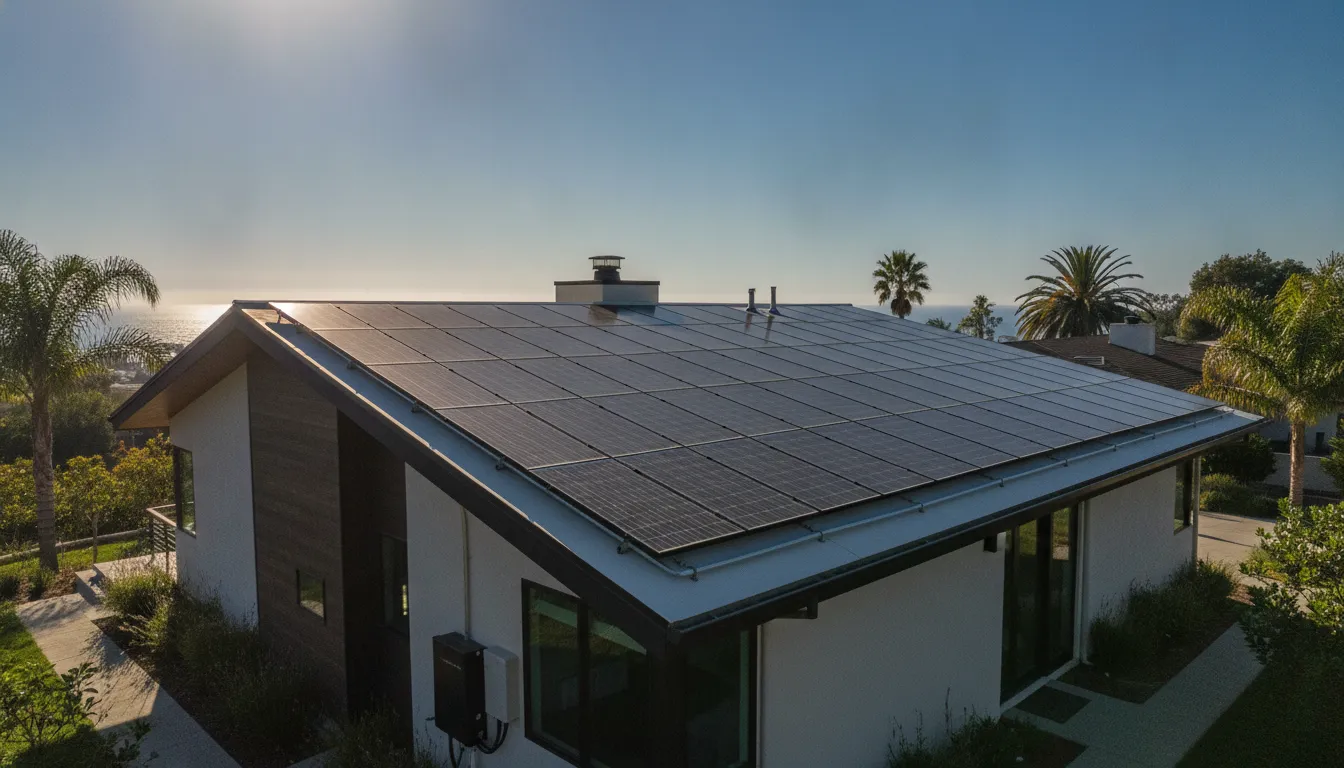
Homeowners associations in California cannot legally block you from installing solar panels on your property. As a California solar installer since 1974, we have seen how state laws protect your right to make clean energy and save on utility costs.
California solar rights HOA laws protect your ability to install panels regardless of local association rules. Under Civil Code Section 714, any local rule or restriction that stops you from using a solar energy system is void and cannot be enforced. HOAs can only use fair rules that do not add more than $1,000 in costs or lower system output by more than 10 percent for homeowners. Also, boards must approve or deny solar forms within 45 days, or the project is on its own deemed approved. These laws ensure you can choose clean energy without facing unfair blocks, which protects your investment and helps the state reach green goals.
You might still have questions about how these state laws apply to your own home or land. It is vital to know the details of the law to make sure your project stays on track. To start, let us look at what the California Solar Rights Act actually says and how it protects your right to go solar.
California Solar Rights Hoa: What Is the California Solar Rights Act?
The California Solar Rights Act is a state law that protects your right to use solar power. Passed in 1978, this law stops home associations (HOAs) from placing unfair bans on solar panels. It states that any rule that stops or limits solar use is void. This means your HOA cannot ban solar just because they do not like the look of panels on a roof. As a California solar installer since 1974, AMECO Solar & Roofing helps owners follow these local rules. We ensure your project meets all state standards while keeping your rights secure.
Voiding Unfair HOA Bans
The heart of the law sits in Civil Code §714(a). This part of the code makes any private rule that stops solar use void and not valid. It covers all CC&Rs and bylaws that your HOA might use to block your project. The state wants to remove hurdles that keep people from choosing clean energy at home. This law ensures that the choice to go solar belongs to you and not your neighbors. If your HOA has a ban on roof solar, that rule is mostly not legal under state law.
Defining Fair Rules
HOAs can still make rules, but they must be fair. Under §714(b), a rule is only fair if it does not raise your costs or lower your power output too much. For solar PV systems, a rule is not allowed if it adds more than $1,000 to the price of your system. It is also banned if it lowers your system's output by more than 10 percent. These math rules are the best way to tell if an HOA is being fair. They stop boards from forcing you to pick poor roof spots for looks.
For example, a board cannot make you put panels on the north side if that hurts your power gain. They also cannot force you to buy costly screens that do not help the system work. If an HOA wants you to move your panels, the new spot must work just as well as your first choice. This keeps your solar project both cheap and highly helpful for your power bills.
The 45-Day Approval Window
You do not need to wait months to hear back from your board. The law sets a firm time limit for them to review your plan. An HOA must give you a written yes or no within 45 days of your request. If they fail to send a notice in that time, your plan is seen as approved by law. This keeps the board from stalling your work for no good reason. You can move forward with your setup once that 45-day clock runs out.
If an HOA breaks these rules on purpose, the law provides ways to fix it. Under §714(f), a board that breaks the law can face a fine of up to $1,000. The law even states that the winning side in a legal case can get their lawyer costs paid by the other side. This helps protect people who must go to court to win their solar rights.
The Solar Shade Control Act Explained
While the Solar Rights Act protects your right to install panels, the Solar Shade Control Act ensures those panels can actually see the sun. This law, found in Public Resources Code §25980-25986, protects your solar system from shading by trees and shrubs on a neighbor's lot. It creates a solar easement that keeps your panels working well during the most important hours of the day.
Protection from Shading
The law states that no person should allow a tree or shrub to cast a shadow that covers more than 10% of a solar collector between 10:00 a.m. and 2:00 p.m. This four-hour window is when your system gets the most light and makes the most power. If a neighbor plants a tree that grows too tall and blocks your sun, you have a right to ask them to trim it back.
This protection is vital for homeowners in California who have used a solar installer since 1974 to design efficient systems. Without this rule, a growing tree could make a big investment less helpful over time. The law treats this as a public nuisance, which gives you a clear path to fix the problem through local code enforcement or the courts.
First-Come First-Served Rules
It is important to know that this law follows a first-come, first-served rule. Trees or shrubs that were already there before you put in your solar panels are exempt. If your neighbor has a mature oak tree that shaded your roof before you went solar, the law does not force them to cut it down. You must plan your system around existing shade.
The law only applies to plants set in the ground after you install your solar system. Once your panels are up, any new trees must not grow to block your light. This is why it is smart to schedule a free consultation before you start your project. A pro can help you look at current shade and plan for future growth in the area.
Interaction with the Solar Rights Act
The Solar Shade Control Act works alongside other laws to keep your solar project on track. While this act deals with plants and shadows, the Solar Rights Act stops an HOA from blocking your panels with unfair rules. Together, these laws form a full shield for your energy independence. They ensure that neither a board of directors nor a neighbor's new hedge can take away your power.
Most local jurisdictions in California must follow these state rules. Even in historic districts, state policy aims to remove obstacles to solar use. You can find more detail on these protections in the official state review of solar statutes. Knowing these facts helps you talk to your HOA or neighbors with confidence about your project.
Can My HOA Still Restrict Solar Panels?
The short answer is yes, but only in very limited ways. While the California Solar Rights Act protects your ability to go solar, it still allows homeowners associations (HOAs) to set reasonable rules. These rules must focus on safety or looks without making your project much more expensive or less useful. If your association oversteps, their rules become void under Civil Code §714.
| HOA Action | Allowed by Law? | Why |
|---|---|---|
| Ban solar panels outright | No | Void under §714(a) |
| Add over $1,000 in extra costs | No | Exceeds cost threshold (§714(d)(1)(B)) |
| Reduce efficiency by more than 10% | No | Exceeds efficiency threshold (§714(d)(1)(B)) |
| Require aesthetic relocation | Yes, if comparable cost/efficiency | Reasonable restriction (§714(b)) |
| Demand additional insured status | No | Illegal under §4600 |
| Delay approval past 45 days | No | Deemed approved (§714(e)(2)(B)) |
Aesthetic guidelines and placement
An HOA can ask you to move your panels to a different spot for better looks. However, they can only do this if a better spot exists that does not hurt your system. For solar panels, a rule is only valid if it adds less than $1,000 to your total cost. The change also cannot lower the output of your system by more than 10%. If a request fails either of these tests, you do not have to follow it.
Many boards try to hide panels on the back of a roof where there is less sun. As an experienced California solar installer since 1974, we often help owners show why these spots do not work. If the move makes your panels less helpful or too costly, the state law is on your side. You should always get a solar site survey to prove these facts to your board during the review.
Insurance and legal tactics
Some associations use insurance demands to slow down solar projects. A common trick is asking to be named as "additional insured" on your home policy. This is actually illegal under Civil Code §4600. The law says they can only ask to be listed as "additional interest," which is a big legal difference. They also cannot force you to buy high insurance limits if it makes your solar install too pricey.
If an HOA willfully breaks these rules, they may face a $1,000 civil penalty. They might also have to pay for your actual damages and your legal fees. These high costs often keep boards from blocking clear rights. You can always schedule a free consultation with us to see how we handle these board talks for our clients.
The 45 day approval clock
California law gives HOAs a strict deadline to act on your solar plan. Once you turn in a full plan, the board must approve or deny it in writing within 45 days. If they do not send a notice in that time, your project is deemed approved. You can then move forward with our residential solar installation services as planned.
Keep in mind that the clock only starts when your application is complete. If you leave out key details, the board can pause the 45 day count until you give them the info. To avoid delays, make sure your filing has all the needed roof maps, equipment lists, and city permits. Most boards will play fair if they see a clean, professional plan from the start.
AB 634: Solar Rights for Multi-Tenant Buildings
For a long time, condo owners and renters in shared buildings faced big hurdles when trying to go solar. In 2017, the state passed a law called AB 634 to fix this issue. This law makes it much easier for people in multi-tenant buildings to use their rights under the California Solar Rights Act. It stops groups from banning solar on shared roofs if you live in that same building.
Before this law, many people felt left out of the solar boom. If you shared a roof with neighbors, your home group might have said no. Now, the rules are clear and in your favor. This law helps more people get clean power and lower their monthly bills. It gives condo owners the same power choice that people in single-family homes have had for years.
Access to shared roof space
Some home groups used to block solar by claiming that common roofs were off-limits. Now, an HOA cannot have a general policy that bans solar panels on building roofs. This rule also applies to garages or carports that are set aside for your own use. As a California solar installer since 1974, we have seen how this law helps more people save on power.
Another major win is that the HOA cannot force a vote of all members to approve your roof project. If you live in the building where you want to install the panels, you have a right to use that roof space. This change cuts through the red tape that used to stop many plans. It means you do not have to wait for a long vote from every neighbor in your complex.
Rules and notice for solar owners
While you have the right to install solar, you must still follow certain steps. This helps keep things fair for your neighbors who share the same roof. The law allows HOAs to ask for a solar site survey from a licensed pro. This survey must show that the roof space is shared in a fair way among all owners. You will also need to have a policy to cover the system on the common roof.
When you apply for your system, you must give notice to the other owners in your building. This makes sure that everyone knows what is going on with the shared space. Most homeowners find that working with a pro helps them follow these rules with ease. You can schedule a free consultation to see how these laws apply to your condo or townhome. Our team can help you look at your roof and plan a system that fits your needs.
- Give notice to all other unit owners in your building about your plans.
- Carry a home insurance policy that covers the solar system on the roof.
- Provide a site survey that shows a fair use of the roof area for all.
- Ensure the system meets all local building and safety codes for your area.
Navigating Historic Districts and Local Permitting
Homeowners often worry that living in a historic district means they cannot use solar power. While local governments can set building codes and permit rules, they must follow state law. California Civil Code §714 makes it clear that most restrictions on solar energy systems are void if they stop you from using solar power. This includes rules from cities or counties that would make a system too costly or less efficient.
Building codes and state policy
State policy is to help people use solar energy and remove blocks in their way. Local entities can set safety standards, but they cannot use these rules to effectively ban solar panels. According to section 714(b), any rule that adds more than $1,000 to the cost or cuts efficiency by over 10% is seen as a violation of your solar rights. Public entities that do not follow these laws risk losing their chance for state solar funding.
Historic district requirements
Living in a historic area does not void your rights under the Solar Rights Act. While a city may ask you to place panels where they are less visible from the street, they can only do so if it is a reasonable request. A request is not reasonable if it causes a big drop in power or a large jump in price. As a California solar installer since 1974, we have seen how these local rules play out across different cities.
Working with local jurisdictions
Permit rules vary by city, but they all must align with state goals for green energy. Most cities now have streamlined permit paths for small rooftop systems. If you hit a wall with local rules or district plans, we can help you find a path forward. You can view our residential solar installation services to see how we handle custom designs that meet local codes while giving you the best power output.
What to Do If Your HOA Blocks Your Solar Installation
If your HOA denies your solar request, do not give up. The law is on your side. California has strong rules that protect your right to produce clean power. Most boards back down once they see that you know the law and have expert help. Using a clear plan can help you get your project back on track fast.
Check your denial letter
Start by reading the letter from your board. The California Solar Rights Act says a board must approve or deny your request in writing within 45 days. If they do not, the law treats your project as approved. Any rule they use must be fair. A rule is not fair if it adds more than $1,000 to your cost. It is also void if it cuts your power output by more than 10%.
Follow these steps to win
- Compare the board's rules to the $1,000 and 10% limits. If their rules cost you too much, they are void. Ask the board for proof that their rules are legal.
- Send a written appeal to the board and cite Civil Code §714. This shows the board that you know your rights. It also creates a paper trail if you need to take further steps.
- Reach out to the state solar group (CALSSA). They can send a formal support letter to your HOA on your behalf. This letter cites state laws and usually arrives within one week.
- Talk to a pro about your roof layout and costs. Our team can give you a full site survey to show that your plans meet state standards. Check out our residential solar installation services to see how we help with HOA approvals.
- Warn the board about civil fines. If a board breaks the law on purpose, you can sue for up to $1,000 in fines plus damages. The board may also have to pay for your legal fees if you win.
Use expert data to win
You do not have to fight your HOA alone. Working with a team that knows local rules can make the process easy. A good firm will help you find the best spot for your panels. They can also provide the maps and data you need to win your appeal. This helps you get solar power without a long fight.
Most boards stop blocking a project once they see a pro is involved. We give you the clear facts and data that boards need to see. This lets you focus on saving money and helping the earth while we handle the red tape. Our team has helped many people in our state win their solar rights.
Frequently Asked Questions
Can a California HOA deny solar panels for aesthetic reasons?
An HOA can only enforce look-based rules if they do not greatly increase the cost or lower the power of your system. Under the law, a rule is not allowed if it adds more than $1,000 to the price or cuts energy output by more than 10%. If your HOA asks for a new spot, they must show it works just as well. It must also cost about the same as your first plan.
What is the penalty for an HOA that violates the Solar Rights Act?
If an HOA knowingly breaks the law to block your solar project, they can be held liable for any money you lose. You may also be able to get a fine of up to $1,000 for the bad act. According to the California Civil Code, the person who wins the case in court can also have their legal fees paid by the other side. This helps protect you from high costs when you fight for your rights.
How does the 45-day solar approval rule work in California?
Once you turn in a full plan to your HOA, the board has 45 days to give you a written yes or no. If they do not write back in this time, your plan is approved by law. This rule makes sure that boards cannot stall your project for months without a good reason. It is best to work with a California solar installer since 1974 to make sure your forms are full and correct from the start.
Do I need to notify my neighbors before installing solar in a condo?
Yes, if you live in a shared building and want to use a common roof, you must tell the other owners. While you do not need a vote from the board or members to move ahead, you must follow some steps. You may also need to get a site check from a pro to show that the roof space is used fairly. This law, known as AB 634, helps make sure everyone has a chance to use solar power.
Can my neighbor block my solar panels with a new tree?
No. The Solar Shade Control Act protects your solar panels from new trees or shrubs that cast shade between 10 a.m. and 2 p.m. However, trees that were already in the ground before you installed your panels are allowed to stay. This "first-come, first-served" rule means you should check your neighbor's yard and plans before you start your own solar project. You can find more details in the state's review of solar laws.
Ready to protect your California solar rights?
Every month you wait to set up solar is another month of paying high power bills. These rates keep going up and can take a big bite out of your budget. HOA rules might seem like a wall, but state laws are on your side. If you wait to start your project, you miss out on the savings that solar brings from the very first day. Starting now helps you lock in your costs and avoid the next round of rate hikes. The permit and board approval steps can take some time to finish. It is best to get the work started now so you can enjoy clean power sooner. Our team can help you with our home solar services and handle the forms for you. You do not have to face your HOA alone when you want to switch to solar power.
Ready to take control of your power? Schedule a free consultation to talk to a solar expert today.


.svg)
