


Cool Roof Installation Cost: Is It Worth It?
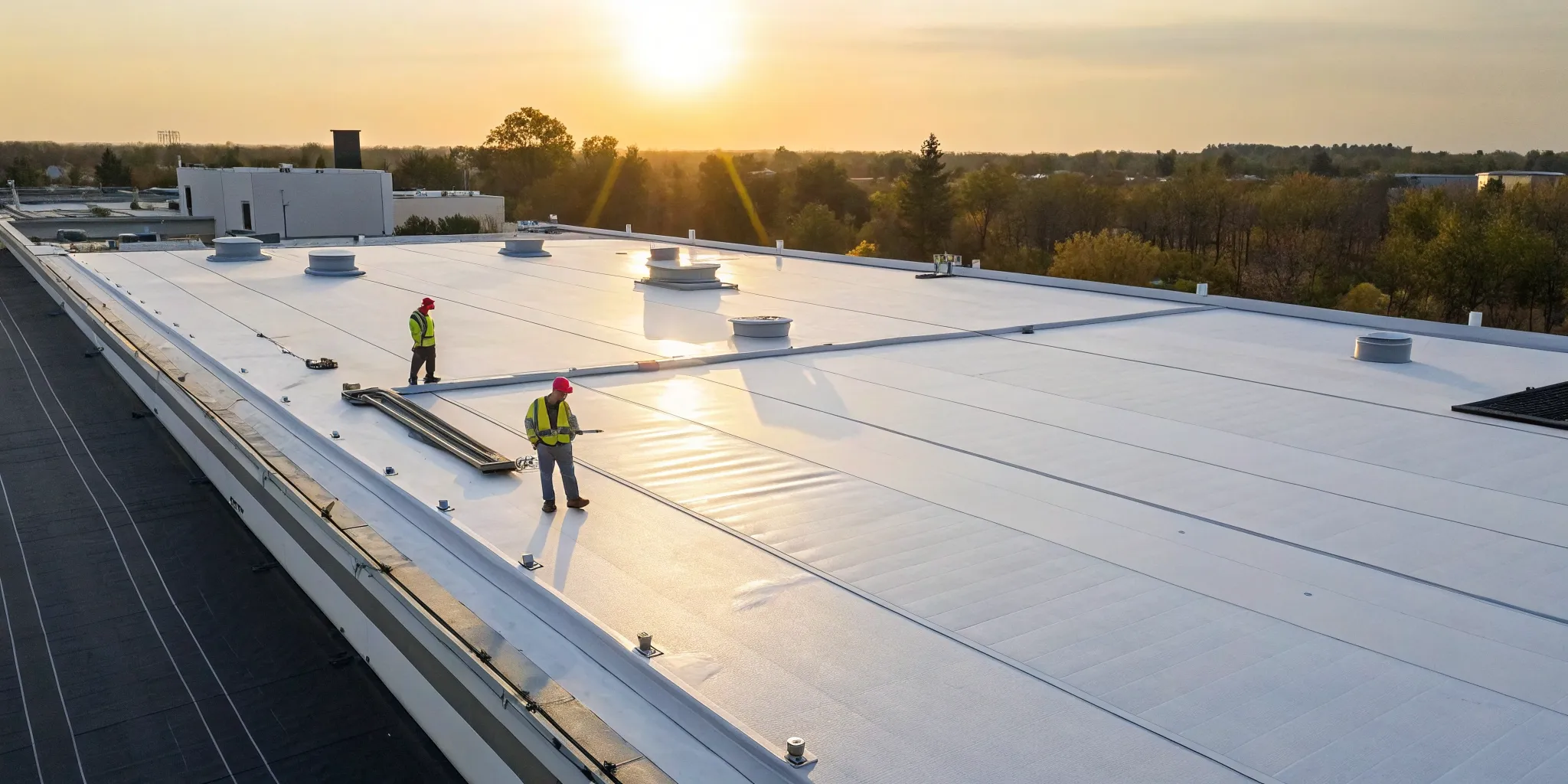
If you’ve ever walked into your house on a hot afternoon and felt like you’ve stepped into an oven, you know the power of the California sun. While we love the sunshine, we don’t love what it does to our home’s internal temperature and our AC units. A cool roof is a simple, effective solution designed to reflect sunlight and absorb less heat. This keeps your living space more comfortable without constantly blasting the air conditioning. We’ll walk you through how they work, the best materials for your home, and what to expect for the 'cool roof installation cost', making this powerful upgrade feel achievable.
Key Takeaways
- Reduce Your Energy Bills: A cool roof reflects sunlight to keep your home cooler, which means your air conditioner runs less and you save money, especially during hot California summers.
- Factor in Costs and Rebates: While the total price depends on your roof's size and materials, you can lower the investment significantly by exploring California's utility rebates, tax credits, and local incentive programs.
- Invest in Longevity and Community: A cool roof is a smart upgrade that goes beyond savings; it protects your roofing materials from heat damage, potentially extending their lifespan, and contributes to a cooler, healthier environment for your whole neighborhood.
What Is a Cool Roof and How Does It Work?
If you’ve ever chosen a light-colored shirt over a black one on a hot, sunny day, you already understand the basic idea behind a cool roof. A cool roof is a roofing system designed to reflect more sunlight and absorb less heat than a standard roof. This simple concept can have a huge impact on your home’s internal temperature, your energy bills, and even the lifespan of your roof. By keeping your home cooler, you rely less on air conditioning, which is a major win for both your wallet and the environment, especially during those long California summers. It’s a smart, practical upgrade that works behind the scenes to improve your home’s comfort and efficiency.
How They Reflect Heat
A cool roof uses materials with high solar reflectance, meaning they are very good at bouncing the sun's visible, infrared, and ultraviolet rays away from your house. Instead of absorbing that solar energy and transferring it inside as heat, the roof sends it back into the atmosphere. This reflective capability helps to reduce the heat absorbed by buildings, leading to lower indoor temperatures. This process not only keeps your living space more comfortable but also significantly cuts down on the energy your air conditioner needs to run, saving you money month after month.
Cool Roofs vs. Traditional Roofs
The temperature difference between a cool roof and a traditional one can be staggering. On a hot summer afternoon, a standard dark-colored roof can reach temperatures of 150°F or even higher. In contrast, a cool roof under the same conditions can stay more than 50°F cooler. This massive temperature reduction means less heat seeps into your home, easing the burden on your HVAC system. Over time, this also helps protect the roofing materials from the damaging effects of extreme heat, potentially extending the life of your roof. Exploring different roofing solutions can help you find the best fit to achieve these benefits for your home.
Popular Cool Roof Materials
You don’t have to sacrifice style for efficiency. Cool roofs come in a wide variety of materials, colors, and finishes to match your home’s aesthetic and your budget. Some of the most common options include single-ply membranes like TPO and PVC, special reflective coatings that can be applied to an existing roof, metal roofing, cool asphalt shingles, and classic clay or concrete tiles. The best material for you depends on your roof's shape and your personal preferences. You can even use a 3D home visualizer to see how different options would look on your house, making it easier to choose a style you’ll love for years to come.
How Much Does a Cool Roof Cost?
Thinking about a cool roof is a smart move for any California homeowner, but the first question on everyone’s mind is always about the price. The total cost of a cool roof isn't a single number; it depends on several factors, including the materials you choose, the size of your roof, and whether you’re applying a coating or doing a full replacement. Understanding these variables will help you set a realistic budget and see how this energy-efficient upgrade can fit into your financial plans. Let's walk through the numbers so you can get a clearer picture of the investment.
Breaking Down the Average Cost
On average, you can expect a cool roof installation to cost around $10,000. However, that’s just a starting point. Most homeowners find their final costs land somewhere between $7,500 and $30,000. For a simple project, like applying a reflective coating to a small, flat roof, you might see costs as low as $6,000. On the other hand, a large, complex roof using premium materials could reach upwards of $40,000. This range seems wide, but it reflects the variety of homes and materials out there. To get a number that’s specific to your home, you can use an estimate calculator to start planning.
Cost by Material Type
The material you select is one of the biggest factors determining your final cost. Each option comes with a different price tag, lifespan, and level of performance. Some materials, like reflective coatings, are applied over your existing roof, making them a more affordable entry point. Others, like standing-seam metal, involve a full replacement but offer incredible durability and energy savings over decades. We offer a range of roofing solutions to fit different needs and budgets. Let’s look at some of the most popular cool roof materials and what they typically cost.
Cool Roof Coatings
If your current roof is in good shape, a reflective coating is an excellent and budget-friendly option. These fluid-applied coatings create a bright, reflective surface that bounces sunlight away from your home. The cost for a professional application generally ranges from $0.75 to $3.00 per square foot. It’s a straightforward way to turn your existing roof into a cool roof without the expense of a full tear-off and replacement.
Single-Ply Membranes (TPO and PVC)
Often used on flat or low-slope roofs common in modern architecture, single-ply membranes like TPO and PVC are highly effective cool roofing materials. These sheets are inherently reflective, bouncing back 70% to 85% of the sun's rays. They are also quite durable, with a typical lifespan of 20 to 30 years. While the initial cost is higher than a simple coating, their longevity and performance make them a solid investment for the right type of roof.
Metal Roofing
Metal is a fantastic choice for durability and energy efficiency. A metal roof can last between 40 and 60 years, making it one of the most long-lasting options available. Modern metal roofs come in a variety of factory-finished colors that are specially formulated to reflect solar heat, keeping your home cooler. While the upfront investment is higher, the extended lifespan and minimal maintenance often make it the most cost-effective choice over the long run.
Cool Asphalt Shingles
If you love the classic look of asphalt shingles, you don’t have to miss out on cool roof benefits. Cool asphalt shingles are designed with special granules that reflect more sunlight than traditional shingles. The best part? This upgrade is surprisingly affordable, often adding only about $0.10 to $0.20 per square foot to the cost of a standard shingle roof. It’s an easy way to improve your home’s efficiency during a routine roof replacement.
How Roof Size Affects Price
It’s no surprise that the bigger your roof, the more your project will cost. Pricing is almost always calculated on a per-square-foot basis, so size is a primary driver of your total investment. For example, applying a cool roof coating can cost between $4.00 and $7.00 per square foot. If you’re looking at a complete roof replacement with new materials, the price often starts at around $10.00 per square foot and goes up from there depending on the material. You can get a sense of your roof’s dimensions and how different materials might look by playing with a 3D home visualizer, which can help you start to connect the dots between size, style, and budget.
What Factors Influence Your Cool Roof Cost?
When you start looking into a cool roof, one of the first questions you'll have is, "How much will this cost?" While it’s tempting to look for a single number, the price of a cool roof depends entirely on your specific home. Think of it less like buying a product off the shelf and more like a custom project tailored to your needs. The final cost is a mix of several key factors that can cause the price to vary significantly from one house to the next.
The size and complexity of your roof, the materials you choose, local labor rates, and the condition of your current roof all play a significant role in the total price. Understanding these elements will help you get a clearer picture of your potential investment and what to expect when you start getting quotes. Let's break down each of these factors so you can feel confident in your decisions.
Your Roof's Size and Shape
It makes sense that the bigger your roof, the more it will cost to cover. You’ll need more materials and more hours of labor to get the job done. For a rough idea, installing a cool roof on a 1,500-square-foot home can cost around $10,000, but this is just a starting point. The final cool roof cost can vary quite a bit based on the details of your project.
Beyond simple square footage, the shape and pitch of your roof are also important. A simple, gently sloping roof is much easier and faster for a crew to work on than one with steep angles, multiple dormers, and skylights. Complex rooflines require more precise cuts and careful installation, which increases the labor time and, therefore, the overall cost.
Your Choice of Materials
You have a few different paths you can take when it comes to cool roof materials, and your choice will have a big impact on your budget. Many standard roofing materials, like shingles and metal, are now available in cool versions that are designed to reflect sunlight instead of absorbing it.
If you're not ready for a full replacement, applying a reflective coating is another great option. A cool roof coating can be applied over your existing roof and typically costs less upfront than a full replacement. On the other hand, choosing a material like a single-ply membrane or standing-seam metal for a new roof is a larger investment that comes with its own long-term benefits.
Labor Costs and Your Location
The cost of labor is a major component of any roofing project. These costs can vary depending on your location in California and the specific contractor you hire. A professional, experienced crew might have higher rates, but they also bring the expertise to ensure your roof is installed correctly and will last for decades.
The complexity of the job also affects labor costs. Applying a coating to a flat roof is generally less labor-intensive than a full tear-off and replacement on a sloped, multi-level roof. When you get a quote, make sure it clearly separates the cost of materials from the cost of labor. This transparency helps you understand exactly what you're paying for and compare different roofing solutions accurately.
The Condition of Your Current Roof
This is a big one. The ideal time to install a cool roof is when your existing roof is already at the end of its life. It rarely makes financial sense to tear off a perfectly good roof just to replace it with a cool one. In fact, state resources like Cool California advise against replacing a roof that still has years of service left.
If your current roof has issues like leaks, water damage, or sagging, those problems must be addressed before any new materials can be installed. These repairs will add to the total cost of your project. A thorough inspection is the first step to determine if your roof's structure is sound or if it needs some work before the cool roof can go on.
Can You Get Rebates for a Cool Roof in California?
One of the best parts about living in California is the state’s commitment to green energy. This means that when you choose an energy-efficient upgrade like a cool roof, you can often get some financial help to make it happen. Several programs are available to help homeowners like you offset the installation cost through rebates, tax credits, and other incentives. It’s worth taking a little time to explore these options, as they can significantly reduce your initial investment and make your decision to switch even easier. Let's walk through the main types of financial assistance you might find.
Rebates from Your Utility Company
Many California utility companies are eager to help you save energy, and they’ll often pay you to do it. They offer rebates and special programs to encourage homeowners to install energy-efficient upgrades, including cool roofs. These incentives can make a real dent in the overall cost of your new roof. The idea is simple: when you use less energy to cool your home, it reduces the strain on the power grid. It’s a win-win for everyone. You can often find specific details about these programs directly on your utility provider’s website or through state resources that track cool roof savings.
State and Local Government Incentives
On top of what your utility company might offer, it’s a good idea to check for incentives from state and local governments. California is a leader in promoting energy efficiency, and many local municipalities have their own programs to support homeowners. These financial perks, combined with the money you’ll save on your monthly energy bills, can help you recoup the cost of your new roof over time. For many homeowners, the combination of lower bills and incentives means the initial investment in a cool roof pays for itself within about a decade, making it a sound financial decision for the long run.
Federal Tax Credits
Don't forget to look at the federal level, too. The U.S. government often provides tax credits for homeowners who make energy-efficient improvements to their homes. If you install qualifying cool roofing materials, you may be eligible for a federal tax credit. This isn't a rebate, but a credit that reduces the amount of tax you owe, which can feel just as good when tax season rolls around. These credits can further lower the total cool roof cost, making it an even more appealing and affordable project for your home. Be sure to check the latest federal guidelines to see what's available.
How Incentives Lower Your Upfront Cost
When you add it all up, the combination of utility rebates, government incentives, and federal tax credits can make a big difference in your budget. The great news is that many cool roofs don't cost that much more than traditional roofing materials to begin with. When you factor in the available financial assistance, the upfront investment becomes very manageable. Plus, you start saving money on your energy bills from day one. This multi-layered approach to savings makes choosing a cool roof a practical and financially smart decision for any California homeowner looking to go green and reduce expenses.
Is a Cool Roof a Smart Investment?
Deciding on a new roof is a big deal, and it’s about more than just picking a color. A cool roof is an investment in your home’s comfort, efficiency, and future. When you live in a sunny state like California, your roof takes a constant beating from the sun. A cool roof fights back by reflecting that solar radiation instead of absorbing it. This simple change can have a ripple effect, leading to some impressive financial and environmental returns. Let's break down what makes a cool roof a smart choice for so many homeowners.
Lower Your Energy Bills
The most immediate benefit you’ll notice is the relief for your air conditioner and your wallet. A cool roof keeps your attic and the rest of your home cooler, so your AC doesn't have to work nearly as hard to maintain a comfortable temperature. This translates directly into lower energy bills, especially during those long, hot California summers.
On average, you can save between seven and ten cents per square foot on annual cooling costs. For a typical 2,000-square-foot home, that adds up to around $140 to $200 in savings each year. It can also lower your home's peak electricity demand by up to 20%, easing the strain on the power grid during heatwaves. You can get a better idea of your potential savings by using an estimate calculator to see how your energy use might change.
Extend Your Roof's Lifespan and Increase Property Value
Constant exposure to intense heat and UV rays breaks down traditional roofing materials over time, leading to cracks, warping, and premature aging. Because a cool roof stays at a lower temperature, it experiences less thermal stress. This simple fact can help your roof last longer, pushing back the date of your next big replacement project.
A home with lower energy bills is also a more attractive asset to potential buyers. When you can show that your home is energy-efficient, it can increase its overall property value. Investing in one of our modern roofing solutions isn't just a repair; it's an upgrade that pays you back in multiple ways, both now and if you decide to sell later.
Benefits for the Environment and Your Community
Choosing a cool roof does more than just help your own household. When many homes in a neighborhood have them, it can help lower the overall temperature of the area, combating what’s known as the "urban heat island effect." This leads to cleaner air and less energy consumption for the entire community.
By reducing your reliance on air conditioning, you also shrink your home's carbon footprint. Less electricity use means power plants burn fewer fossil fuels. According to the U.S. Department of Energy, cool roofs are a simple but effective way to contribute to a healthier environment, making your home part of the solution to climate change.
Answering Common Cool Roof Questions
It's natural to have questions before making a significant home improvement. Let's clear up a few common concerns about cool roofs.
Do cool roofs work in mild California climates?
Yes, absolutely. While California has diverse microclimates, the vast majority of the state experiences enough sun and heat to make a cool roof beneficial. In fact, for many homeowners in warm regions, the combination of lower energy bills and available rebates means you can often recoup the initial cost within about ten years.
Will a cool roof raise my heating bills in winter?
This is a valid question. Because a cool roof is designed to reflect solar heat, it will absorb less warmth from the sun during the winter. This is sometimes called a "winter heating penalty." However, for California's climate, this effect is minimal. Leading energy organizations have found that the substantial savings you gain during our long, hot summers far outweigh the slight increase in heating needs during our relatively mild winters.
Are cool roofs only for commercial buildings?
Not at all. While you often see cool roofs on large commercial buildings, the technology and benefits are just as applicable to residential customers. Any building that gets a lot of sun can benefit. The decision to install a cool roof should be based on your local climate and energy goals, not the size or type of your building.
Related Articles
- ENERGY STAR Shingles: What to Know in 2026
- ENERGY STAR Metal Roofing: The Ultimate Guide
- Roofing Services | Roofing Company | AMECO Solar and Roofing
- Solar Roofing: The Perfect Bundle
- Exploring Residential Roof Shingles: Types and Styles | AMECO Solar
Frequently Asked Questions
Should I replace my roof before installing solar panels? This is a fantastic question, and thinking about it puts you ahead of the game. We generally recommend addressing your roof's condition before going solar. Since solar panels have a lifespan of 25 years or more, you want the roof underneath them to last just as long. Installing a new cool roof first ensures you have a solid, energy-efficient foundation for your solar array. This approach saves you the future cost and hassle of removing and reinstalling your panels just to fix the roof later.
Do I have to get a white roof to get the benefits of a cool roof? Not at all. While a bright white roof is highly reflective, modern roofing materials come in a variety of "cool colors," including darker shades of gray, brown, and green. These products use special pigments that are designed to reflect the sun's infrared light, which is the primary source of heat. This means you can choose a color that complements your home's style and still enjoy significant energy savings.
How much maintenance does a cool roof need? A cool roof requires similar upkeep to a traditional roof. The main goal is to keep the surface clean so it can effectively reflect sunlight. We recommend periodic inspections and gentle cleaning to remove any dirt, leaves, or debris that might accumulate. The specific maintenance schedule depends on the material you choose and your local environment, but a little care goes a long way in preserving your roof's performance and lifespan.
How does a cool roof affect my home's resale value? A cool roof can be a very attractive feature for potential buyers. The promise of lower monthly energy bills is a powerful selling point in California. It also signals that your home is modern, well-maintained, and environmentally friendly. These qualities can make your home more desirable on the market and contribute to a higher overall property value when it comes time to sell.
Is a cool roof coating a good option for me? A reflective coating can be an excellent and cost-effective choice if your current roof is still in good structural shape. It's a way to gain the benefits of a cool roof without the expense of a full replacement. However, if your roof has existing damage, leaks, or is nearing the end of its functional life, a coating would just be a temporary fix. In that case, a full replacement is the more durable and sensible long-term investment.


.svg)
