


Cool Roof Shingles: Your Guide to Energy Savings
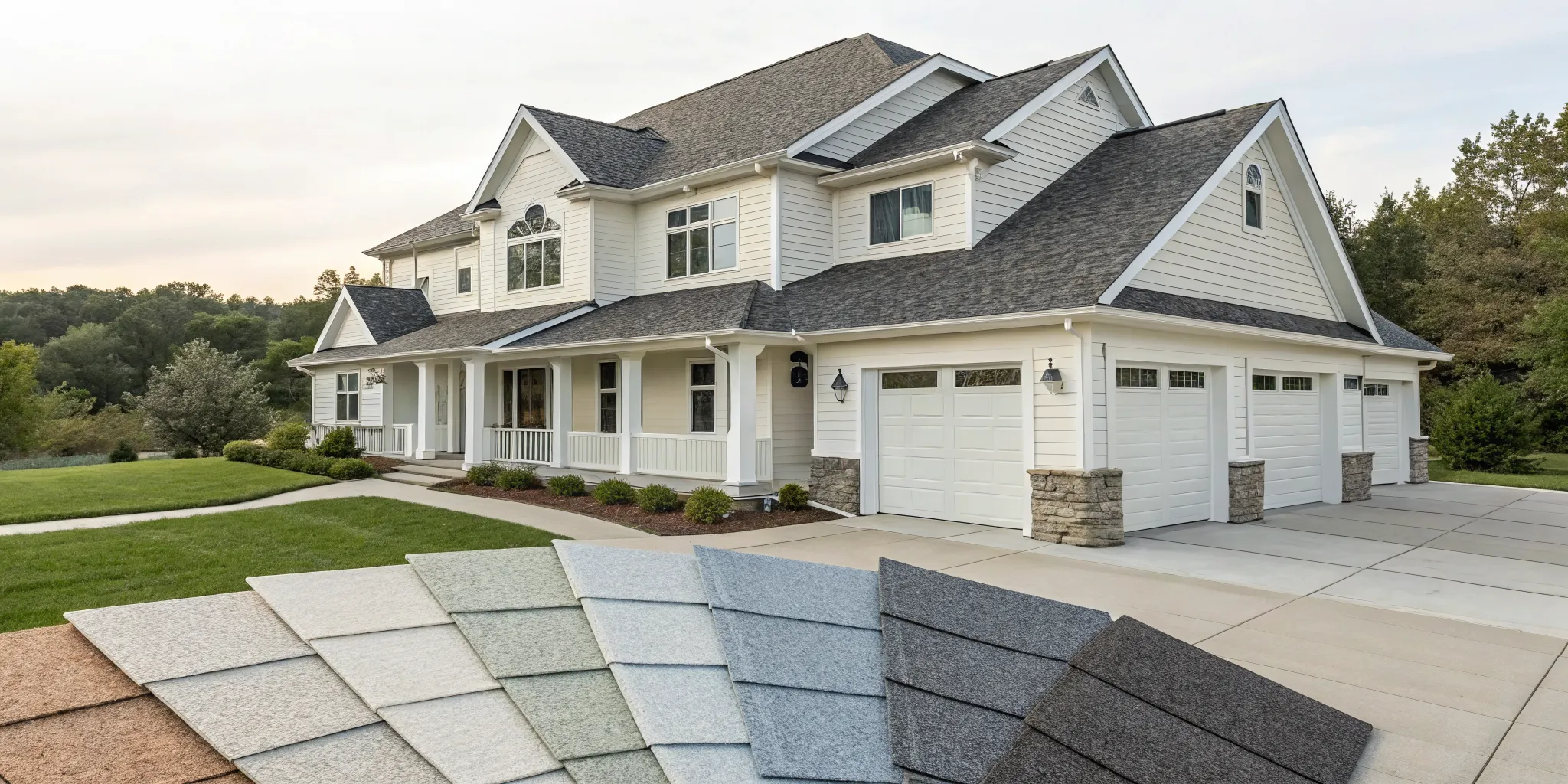
Think an energy-efficient roof has to be a stark, boring white? It’s time to reconsider. Thanks to major advancements in roofing technology, that old rule no longer applies. Manufacturers now create shingles with solar-reflective granules, meaning even dark, rich colors can effectively bounce heat away from your home. You can finally get that bold charcoal or deep brown roof you love without worrying about sky-high energy bills. This guide explores the surprising variety of cool roof shingles available, proving you don’t have to choose between a beautiful home and an efficient one.
Key Takeaways
- Lower your cooling costs with a reflective roof: Cool roof shingles bounce sunlight away from your home, preventing your attic from becoming an oven. This directly reduces how hard your air conditioner has to work, leading to significant savings on your summer energy bills.
- Get energy efficiency without sacrificing style: You don't have to stick with a white roof to save money. Modern cool shingles use reflective granules that work even in dark, rich colors, allowing you to choose a look you love that still meets California's energy standards.
- Create the perfect base for solar panels: Solar panels work more efficiently when they're kept cool. A cool roof lowers the surface temperature, improving your panels' performance and maximizing your energy production. Installing both at once ensures your roof is ready for decades of solar savings.
What Are Cool Roof Shingles and How Do They Work?
Think about how hot a black asphalt street gets on a sunny day. Your roof works the same way. Traditional shingles, especially dark ones, absorb the sun’s intense heat, which then radiates down into your attic and living spaces. This forces your air conditioner to work overtime, driving up your energy bills during those long, hot California summers. Cool roof shingles are designed to solve this exact problem. They are made with special granules that reflect a significant amount of sunlight and absorb far less heat than standard shingles.
This reflective property is the key to how they work. By bouncing solar radiation back into the atmosphere instead of absorbing it, the roof's surface stays much cooler. This simple change can make a huge difference in your home's internal temperature and your monthly energy costs. And you don't have to sacrifice style for function. While light colors are naturally more reflective, modern technology means you can find cool roof options in a wide range of shades, including popular dark colors that still meet energy efficiency standards. By choosing the right roofing solutions, you can keep your home comfortable while also saving money and reducing your carbon footprint.
How Cool Roof Shingles Reduce Your AC Costs
A cooler roof directly translates to a cooler home. When your roof isn't absorbing and transferring a massive amount of heat into your attic, the rest of your house stays more comfortable naturally. Research shows that a cool roof can stay over 50°F cooler than a conventional roof on a sunny day. This dramatically reduces the demand on your air conditioning system. Instead of running constantly to fight the heat radiating from your ceiling, your AC can cycle on and off less frequently, using significantly less electricity. For California homeowners, this means real, tangible savings on your utility bills, especially during the peak summer months. You can use our estimate calculator to get a better idea of your potential savings.
Cool vs. Standard Shingles: What's the Real Difference?
The main difference between cool roof shingles and standard shingles lies in the granules. A standard shingle is designed primarily for durability and weather protection, with color being mostly an aesthetic choice. Darker standard shingles absorb a lot of solar heat. Cool roof shingles, on the other hand, incorporate highly reflective granules. Even in darker shades, these specialized granules are engineered to bounce infrared radiation away from your home. This means you no longer have to choose between a light-colored roof and an energy-efficient one. Thanks to these advancements, you can select a deep gray or rich brown that complements your home’s exterior while still getting the energy-saving benefits. You can even use a home visualizer to see how different cool roof colors would look on your property.
Understanding Roof Surface Temperatures
Let's talk about what's happening on your roof on a hot, sunny day. A standard dark roof can easily reach temperatures of 150°F or more, essentially turning your attic into a giant oven. This intense heat naturally seeps down into your living space, forcing your air conditioner to run non-stop just to keep up. This is where the science behind cool roofing solutions makes a tangible difference. According to research from the U.S. Department of Energy, a cool roof can stay over 50°F cooler than a conventional one under the same sun. By reflecting a large portion of solar radiation instead of absorbing it, the surface temperature stays significantly lower. This simple change breaks the cycle of heat transfer, keeping your home more comfortable and giving your AC—and your wallet—a much-needed break.
How "Coolness" is Measured: Technical Ratings Explained
When we talk about a "cool" roof, it's not just a figure of speech—it's a measurable, technical quality. To understand what makes one shingle more efficient than another, we look at a few key performance ratings. These metrics tell us exactly how a roofing material interacts with the sun's energy. The two most important factors are how much sunlight it reflects and how much heat it releases. By understanding these ratings, you can confidently compare different products and choose a roof that will genuinely lower your energy bills and keep your home more comfortable. Let's break down what these technical terms actually mean for you.
Solar Reflectance
Solar reflectance, sometimes called albedo, measures the percentage of sunlight a roof can reflect. Think of it like wearing a white t-shirt versus a black one on a hot day; the white shirt reflects sunlight and keeps you cooler. According to the U.S. Department of Energy, a cool roof is specifically "designed to reflect more sunlight and absorb less heat than a regular roof." A material with a high solar reflectance value bounces a large portion of the sun's rays back into the atmosphere, preventing that energy from being absorbed as heat. This is the first line of defense in keeping your roof, and by extension your home, from overheating.
Thermal Emittance
While reflecting sunlight is crucial, it's only half the story. Thermal emittance measures how well a roof releases any heat it has absorbed. Even the most reflective roof will absorb some heat, so you want a material that can cool down quickly once the sun isn't beating down on it. The Department of Energy explains that most cool roofs also "shed heat well, like letting off steam." A high thermal emittance value means the roof surface can efficiently radiate absorbed heat away, especially after sunset. This prevents heat from lingering and seeping into your attic overnight, giving your AC a much-needed break.
The Solar Reflectance Index (SRI)
The Solar Reflectance Index (SRI) is a handy metric that combines both solar reflectance and thermal emittance into a single, easy-to-compare number. The scale typically runs from 0 to 100, where a standard black roof has an SRI of 0 and a standard white roof has an SRI of 100. The higher the SRI value, the cooler the roof will stay in the sun. As the Cool Roofs Rating Council notes, the SRI is a number that is figured out using other measurements, so it gives you a holistic view of a material's performance. When you're comparing different shingle options, looking at the SRI value is a quick way to see which one will provide the most energy-saving benefits.
Finding Rated Products: The Cool Roof Rating Council (CRRC)
So, how do you find roofing products with these verified ratings? The best place to start is the Cool Roof Rating Council (CRRC). The CRRC is an independent, non-profit organization that maintains a public directory of rated roofing products. Their online database allows you to "find and compare different roofing products that are designed to be 'cool.'" Because the CRRC provides unbiased, third-party ratings, you can trust that the SRI values are accurate. When planning your project, working with an experienced team is key. At AMECO, we are well-versed in CRRC-rated products and can help you select the perfect roofing solution that meets California's energy codes while matching your home's aesthetic.
Exploring Cool Roofing Materials Beyond Shingles
While cool asphalt shingles are a fantastic and versatile choice, they are just one of many paths to an energy-efficient home. Depending on your home's architectural style, your budget, and your long-term goals, another material might be an even better fit. From the sleek, modern lines of a metal roof to the classic charm of clay tiles, the world of cool roofing is broader than you might think. Each material offers a unique set of benefits, not just in terms of cooling power but also in durability, maintenance, and overall aesthetic. Exploring these alternatives can help you find the perfect match that not only lowers your energy bills but also enhances your home's curb appeal for decades to come. Let's look at some of the most popular and effective cool roofing materials beyond traditional shingles.
Metal Roofs with Reflective Finishes
Metal roofs have become a popular choice for their incredible durability, fire resistance, and clean, modern look. When it comes to energy efficiency, they are a top performer. A metal roof's cooling ability comes from special reflective finishes that are applied during manufacturing. According to the U.S. Department of Energy, these finishes allow the metal to reflect solar radiation, even in darker colors. This means you can get the bold look of a dark metal roof without the intense heat absorption. A metal roof is a significant investment, but it's one that pays off in longevity and low maintenance, making it one of the most resilient roofing solutions available for California homeowners.
Clay and Concrete Tiles
Clay and concrete tiles are a hallmark of many California architectural styles, from Spanish Mission to Mediterranean villas. These materials are naturally good at managing heat due to their mass and shape, which allows for airflow underneath. To maximize their cooling potential, you should look for factory-made options in light or "cool-colored" shades. These tiles are specifically designed with reflective properties to bounce sunlight away from your home. While they are heavier than shingles or metal, their exceptional lifespan and timeless beauty make them a worthwhile consideration for homeowners looking to maintain a classic aesthetic while improving their home's energy performance.
Green Roofs: A Living Cooling Solution
For the ultimate in natural cooling, a green roof is an innovative and beautiful option. A green roof, or living roof, is exactly what it sounds like: a layer of vegetation planted over a waterproof membrane on your rooftop. Instead of just reflecting sunlight, these roofs cool your home primarily through evapotranspiration, the process where plants release water vapor into the air. This natural air conditioning effect can keep the roof surface and the rooms below it remarkably cool. Beyond energy savings, green roofs offer other benefits like managing stormwater runoff, improving air quality, and creating a small habitat for pollinators.
Important Note on Structural Support
A green roof is an inspiring idea, but it comes with a major consideration: weight. The combination of soil, plants, and retained water makes a green roof significantly heavier than a conventional one. Before you move forward, it's absolutely essential to have a professional conduct a structural assessment. This step ensures your home can safely support the additional load. A thorough company approach will always include this evaluation to guarantee the safety and integrity of your home's structure before undertaking such a specialized project.
Other Materials for Flat and Low-Sloped Roofs
Not all homes have steeply pitched roofs. Many modern and mid-century homes in California feature flat or low-sloped designs, which require different roofing materials. For these structures, you can still achieve excellent cooling performance. The most common solution is to use a reflective membrane, which is a sheet of material, often white or a light color, that is rolled out and sealed over the roof deck. Another effective strategy is to apply a light-colored coating or use light-colored gravel on top of a built-up roof. These methods work on the same principle as other cool roofs: reflecting sunlight to prevent heat absorption and keep your home comfortable.
The Best Cool Roof Colors That Cut Energy Costs
Choosing a roof color used to be all about curb appeal. Now, it’s a key part of creating an energy-efficient home, especially here in sunny California. The right color can significantly lower your cooling costs by reflecting the sun's heat instead of absorbing it. The great news is that you have more options than ever before, from classic light shades to innovative dark hues. These modern roofing solutions mean you don’t have to choose between a home that looks great and a home that saves you money. Let's look at the most popular color choices and how they perform.
The Power of Light Colors: White, Beige, and Gray
When you think of a cool roof, you probably picture a bright white one, and for good reason. Lighter colors are naturally more reflective. Shades like white, beige, pale tan, and light gray are champions at bouncing sunlight away from your home, which keeps your roof and attic much cooler. According to roofing experts, these reflective options are the most effective at maintaining lower roof temperatures. This simple change can lead to a noticeable drop in your air conditioning usage during those long, hot summers, putting money back in your pocket while keeping your home comfortable.
Can Dark Colors Like Black Still Be Energy Efficient?
Yes, they absolutely can. If you love the classic, bold look of a dark roof, you don't have to give it up for the sake of efficiency. Thanks to advancements in shingle technology, you can now get the best of both worlds. Manufacturers have developed special shingles with solar-reflective granules that bounce back the sun's rays, even in dark colors like black, charcoal, and deep brown. Brands like CertainTeed offer beautiful dark colors that look traditional but are designed to keep your home cooler, proving you no longer have to sacrifice style for performance.
Which Roof Color Saves the Most Energy?
For maximum energy savings, white is the undisputed winner. A clean white roof reflects the most sunlight and can stay significantly cooler than a traditional roof. In fact, research from GAF shows that a white roof can remain up to 55°F cooler than a standard gray one on a hot day. This temperature difference has a direct impact on your home's internal temperature and how hard your AC has to work. While white offers the biggest savings, it's important to remember that even light grays, tans, and the newer reflective dark shingles provide a substantial improvement over standard, non-reflective roofing materials.
How Much Can a Cool Roof Color Really Save You?
The color of your roof does more than just define your home's curb appeal; it plays a huge role in your home's internal temperature and, consequently, your monthly energy bills. Think of it like choosing a t-shirt on a hot, sunny day. A black shirt absorbs the sun's heat and makes you feel warmer, while a white shirt reflects it and keeps you cooler. Your roof works the same way.
Choosing a lighter, more reflective roof color can significantly reduce how much heat your home absorbs. This simple choice means your air conditioner doesn't have to work as hard to maintain a comfortable temperature, especially during those long, hot California summers. This translates directly into lower cooling costs and a more energy-efficient home. Let’s break down exactly how this works and what it means for your wallet.
From the Roof to the Attic: How Color Impacts Heat
The color of your roof shingles is the first line of defense against the sun's heat. Dark-colored shingles, like black or deep brown, absorb a large amount of solar energy, transferring that heat directly into your attic. As your attic heats up, that warmth radiates down into your living spaces. This forces your air conditioning system to run longer and harder to keep your home cool, driving up your energy consumption.
In contrast, light-colored shingles reflect sunlight and heat away from your home. By preventing that heat from penetrating your attic in the first place, you maintain a cooler home naturally. This reduces the strain on your HVAC system, leading to noticeable savings on your cooling bills and a more comfortable indoor environment year-round.
A Color-by-Color Breakdown of Potential Savings
The temperature difference between roof colors can be dramatic. A clean white roof, for example, can stay up to 55°F cooler than a standard gray roof under the same sunny conditions. While the exact savings depend on factors like your home's insulation, local climate, and electricity rates, the principle remains the same: a cooler roof means lower energy bills.
For California homeowners, this can add up to significant savings over the life of the roof. By reflecting more sunlight, a cool roof reduces the need for constant air conditioning, which is often one of the biggest expenses during warmer months. Curious about your potential savings? You can use an estimate calculator to get a better idea of how a new roof could impact your budget.
Why Businesses Should Consider a Cool Roof
The advantages of cool roofs extend to commercial properties, too. For business owners, installing a cool roof is a practical investment that offers both financial and regulatory benefits. In California, these shingles help comply with strict energy codes like Title 24, which sets standards for energy efficiency in new and existing buildings. Meeting these requirements can be essential for permits and inspections.
Beyond compliance, a cool roof creates a more comfortable environment for employees and customers, potentially lowering cooling costs across a large commercial space. Just like for residential properties, a cooler roof surface also helps prolong the roof's lifespan by reducing heat-related stress and degradation. This makes it a smart choice for any commercial customer looking to reduce overhead and invest in a sustainable, long-term solution.
Breaking Down the Costs and Lifespan of a Cool Roof
When you're planning a major home improvement project, the budget is always a top concern. A new roof is a significant investment, and it’s important to understand the costs involved. While a cool roof can lead to long-term savings on your energy bills, it’s helpful to know what to expect upfront. The price can vary based on the size of your roof, the specific materials you choose, and your location. Let's look at the typical costs and how they compare to a standard roof, so you can make an informed decision for your home.
How Much Does a Cool Roof Cost?
The cost of a cool roof installation can vary quite a bit, but on average, you can expect it to be around $10,000 for a 1,500-square-foot roof. According to industry data, most homeowners find their final costs fall somewhere between $7,500 and $30,000. This range accounts for different materials, from reflective architectural shingles to more premium options like metal or tile. The complexity of your roof's design and local labor rates will also play a role. While this is a significant investment, remember that it's not just a roof—it's an upgrade that actively works to lower your home's energy consumption for years to come.
Is a Cool Roof More Expensive Than a Standard Roof?
Generally, yes, a cool roof can be more expensive to install than a standard roof. The specialized reflective materials and granules that make these shingles so effective often come at a higher price point than traditional asphalt shingles. However, it's important to view this as an investment rather than just an expense. The extra upfront cost is often balanced out over time by the significant savings you'll see on your cooling bills. For many California homeowners, the reduction in air conditioning use during hot summers means the roof eventually pays for itself. You can explore our roofing solutions to find an option that fits your budget and efficiency goals.
Understanding the Lifespan of Different Materials
One of the great things about a cool roof is its durability. How long your roof lasts will depend heavily on the material you choose, with lifespans ranging from 20 to over 100 years. For example, reflective asphalt shingles typically last 20-30 years, while a well-maintained metal or tile cool roof can protect your home for 50 years or more. The key to maximizing this lifespan is a professional installation. A properly installed roof ensures that every component works together to withstand the elements and deliver the energy performance you expect. This is why our approach focuses on quality from start to finish, ensuring your investment is protected for decades.
More Than Just Savings: The Full Range of Cool Roof Benefits
While lower energy bills are a fantastic perk, the advantages of a cool roof extend far beyond your wallet. This single home improvement can enhance your daily comfort, contribute to a healthier environment, and even help stabilize the local power grid. By reflecting solar heat, a cool roof creates a ripple effect of positive changes that benefit not only your household but your entire community. It’s a powerful choice that makes your home more resilient and sustainable. Let’s explore some of the other compelling reasons to consider a cool roof.
Improving Home Comfort and AC Performance
A cool roof makes your home a more pleasant place to be, especially during a heatwave. Research from the Department of Energy shows that a cool roof can stay over 50°F cooler than a conventional roof on a sunny day. This massive temperature difference means less heat seeps into your attic and living spaces. As a result, your home’s internal temperature stays more stable and comfortable without you having to blast the air conditioner. Your AC system won't have to work nearly as hard, which not only saves money but also reduces wear and tear on the unit, potentially extending its lifespan.
Wider Environmental and Community Advantages
Choosing a cool roof is also a choice for a better community. When many homes and buildings in an area have reflective roofs, it can have a measurable impact on the local environment. These roofs collectively help lower ambient air temperatures, which can make a big difference in densely populated areas. This contributes to cleaner air and a more stable power supply for everyone. It’s a simple way for individual homeowners to be part of a larger solution to some of our most pressing environmental challenges.
Reducing the Urban Heat Island Effect
Cities often become "urban heat islands," where asphalt, buildings, and traditional dark roofs absorb and trap heat, making the area significantly warmer than surrounding rural landscapes. Cool roofs directly counter this effect. By reflecting sunlight back into the atmosphere, they reduce the amount of heat absorbed by the built environment. According to the Department of Energy, this widespread cooling can help lower outdoor air temperatures in cities, making urban living more comfortable and reducing the overall energy demand of a community.
Lowering Smog and Preventing Power Outages
The benefits don't stop there. Cooler air can actually slow down the chemical reactions that form smog, contributing to better air quality. On a larger scale, cool roofs reduce the demand for electricity, especially during peak hours on hot afternoons. This reduced strain on the power grid can be crucial in helping to prevent blackouts, a major concern for many Californians. By lowering your home's energy needs, you're doing your part to create a more stable grid for everyone. For even greater energy independence, you can pair your efficient roof with a battery backup system to keep your lights on no matter what.
Our Guide to the Top Cool Roof Shingle Brands
When you're ready to invest in a cool roof, it helps to know which brands lead the industry in quality and performance. Choosing a trusted manufacturer ensures your new roof will not only look great but also deliver the energy savings you expect for years to come. At AMECO, we work with the best in the business to provide reliable roofing solutions for our customers. Here are four top brands that offer excellent cool roof shingles perfect for California homes.
Owens Corning: TruDefinition® Duration® COOL Shingles
If you want a roof that works hard to keep your home comfortable, Owens Corning is a fantastic choice. Their TruDefinition® Duration® COOL shingles are engineered to reflect the sun’s intense rays rather than absorbing them as heat. This simple function makes a big difference in maintaining a cooler home and a more energy-efficient household. You also don’t have to sacrifice style for performance. These shingles come in a variety of rich, beautiful colors that can enhance your home’s curb appeal, proving that an eco-friendly choice can also be a stylish one. They offer a perfect blend of aesthetic appeal and practical energy savings.
GAF: Timberline® Cool Series Shingles
GAF is another leading name in roofing, and their Timberline® Cool Series is designed with energy efficiency in mind. These shingles reflect a significant amount of sunlight, which helps reduce heat absorption and can lead to lower air conditioning bills, especially during those hot California summers. GAF offers a range of cool roof shingles that meet the state's Title 24 standards for energy efficiency, making them a compliant and smart choice for homeowners. With several attractive colors available, you can easily find an option that complements your home’s exterior while keeping your attic and living spaces cooler.
Malarkey: Vista® Cool Shingles
Malarkey stands out by offering shingles that are not only cool but also incredibly durable and environmentally conscious. Their Vista® Cool shingles provide excellent Class 4 all-weather resilience, which is the highest impact rating available. They feature special solar-reflective granules that bounce sunlight away from your roof. What’s truly unique is that these shingles are also designed to help clean the air by breaking down emission pollutants like smog. Choosing Malarkey means you get a tough, energy-efficient roof that actively contributes to a cleaner environment, giving you multiple benefits in one product.
CertainTeed: Landmark Solaris Shingles
Many homeowners worry that a cool roof means they have to stick to light colors, but CertainTeed proves that isn't the case. The Landmark Solaris collection features a wide range of colors, including beautiful dark hues that still meet energy efficiency standards. These cool roof shingles are designed with advanced reflective technology that bounces back more sunlight than traditional shingles of the same color. This allows you to achieve the aesthetic you want without compromising on the energy-saving benefits. With CertainTeed, you can have a stylish, dark roof that helps keep your home cooler and your energy costs down.
How to Pick a Cool Roof Color You'll Love
Picking a new roof color is a big decision. It’s a major part of your home’s curb appeal, and you’ll be looking at it for decades. While energy efficiency is a top priority, you also want a color that you absolutely love. The good news is that you don’t have to sacrifice style for savings. Finding the perfect cool roof shingle is about balancing your home’s aesthetic, meeting local requirements, and choosing a look that feels right to you.
Matching Your Roof to Your Home's Architecture
Your roof should work in harmony with your home's exterior. Take a look at your siding, trim, and any brick or stone accents. Are they warm or cool tones? A roof color that complements these existing elements will create a cohesive and polished look. Lighter colors like white, beige, and light gray are fantastic at reflecting sunlight, which helps keep your home cooler. If you’re having trouble picturing it, you can use a tool to see how different colors look on your home before making a commitment. This simple step can give you the confidence that you’re choosing a color that truly enhances your home’s style.
Don't Forget Texture, Profile, and Curb Appeal
Color is just one piece of the puzzle. The texture and profile of your shingles add dimension and character that can completely transform your home’s appearance. Many modern cool roof shingles, like Owens Corning's TruDefinition® Duration® COOL line, offer rich, multi-tonal colors that create a vibrant, high-contrast look while still reflecting solar rays. Some shingles are designed to mimic the appearance of natural slate or wood shake, giving you a classic aesthetic with all the benefits of an energy-efficient material. Exploring the different roofing options available can help you find a texture and style that adds just the right amount of visual interest.
Before You Choose: Check HOA Rules and Building Codes
Before you fall in love with a specific color, it’s important to do a little homework. If you live in a community with a Homeowners Association (HOA), they likely have guidelines on approved roofing materials and colors. A quick check of your HOA covenants can save you a major headache. Additionally, California has specific building codes, known as Title 24, that set energy efficiency standards. Many cool roof shingles, such as Malarkey's Vista® Cool line, are specifically designed to meet these requirements. During our personalized consultation process, we help you sort through these rules to ensure your new roof is both beautiful and compliant.
Drawbacks and Important Considerations
A cool roof is a fantastic investment for most California homeowners, but it’s smart to go in with a complete picture. Like any home improvement project, there are a few things to keep in mind to make sure you’re making the best choice for your specific situation. While the benefits of lower energy bills and a more comfortable home are clear, being aware of potential drawbacks helps you plan better. From maintenance to performance in different seasons, understanding these considerations will help you feel confident that you’re not just getting a new roof, but the right roof for your home and lifestyle.
Performance in Colder Climates
Cool roofs are designed to be reflective, which is perfect for our hot, sunny summers. However, that same feature means they also reflect the sun's warmth during the winter. In colder climates, this can lead to slightly higher heating costs because the roof isn't absorbing free heat from the sun. For most of us in California, the significant savings on summer air conditioning will far outweigh any minor increase in winter heating expenses. It's a trade-off, but one that almost always works in our favor. If you live in a cooler, mountainous part of the state, it's just something to be aware of as you weigh your options.
Maintenance Needs and Appearance
Just like a white car shows dirt more than a gray one, light-colored roofs can show dust, leaves, and mildew more easily. This isn't just about looks; a dirty roof is less reflective and therefore less effective at keeping your home cool. To maintain peak performance and curb appeal, some materials may need regular cleaning. The good news is that many modern shingles are designed to resist algae growth, and a simple cleaning can restore their reflective properties. When we help you choose a roofing material, we’ll discuss the maintenance needs so you can pick an option that fits your lifestyle and keeps your roof performing at its best for years to come.
A Critical Warning: Do Not Paint Existing Shingles
It might seem like a simple, budget-friendly hack to get a "cool roof" by just painting your existing shingles a lighter color. Please don't do it. The U.S. Department of Energy specifically warns that painting asphalt shingles can cause problems by trapping moisture, which can lead to blistering, cracking, and curling. This not only ruins your shingles but can also void your roof's warranty and lead to premature failure. True cool roof shingles are manufactured with reflective granules embedded directly into the material. This is a highly engineered process that can't be replicated with a can of paint. It’s a shortcut that will almost certainly lead to more expensive problems down the road.
Are Cool Roof Shingles Worth It for California Homeowners?
If you're a homeowner in the Golden State, you're probably always looking for ways to make your home more comfortable and energy-efficient. So, are cool roof shingles a smart investment for your California home? The short answer is a definite yes. These innovative shingles do more than just cover your house; they actively work to lower your energy bills, help you meet state building codes, and provide long-term value that goes beyond simple curb appeal. Let's break down exactly why a cool roof is one of the best upgrades you can make.
Beat the California Heat and Lower Your Energy Bills
Living in California means enjoying plenty of sunshine, but that sun can really heat up a traditional roof, turning your attic into an oven and forcing your air conditioner to work overtime. Cool roof shingles are designed to combat this. They use special reflective granules that bounce a significant portion of the sun's rays back into the atmosphere.
How much of a difference does it make? A clean white roof can stay about 55°F cooler than a standard gray asphalt roof on a hot day. This drastic temperature reduction means less heat gets transferred into your home, giving your AC a much-needed break. Over time, this translates into noticeable savings on your cooling bills, making our roofing solutions a financially savvy choice for any homeowner.
Understanding California's Title 24 Energy Code
California is a leader in energy conservation, and our state building codes reflect that. Title 24 is California's set of energy efficiency standards for residential and nonresidential buildings. These regulations are periodically updated to push for greener construction practices, and they include specific requirements for roofing materials, especially in warmer climate zones.
Cool roof shingles are specifically engineered to help homes comply with these strict energy codes. By choosing a Title 24-compliant roof, you’re not just making an eco-friendly choice; you’re ensuring your home meets legal standards for new construction or major renovations. Following our approach, we can help you select materials that satisfy these requirements, giving you peace of mind and a home that’s built for the future.
Long-Term Perks: Durability, Home Value, and Eco-Friendliness
The benefits of a cool roof extend well beyond your monthly energy bill. By reflecting harsh UV rays and reducing extreme temperature fluctuations, these shingles experience less thermal stress. This can lead to a longer, more durable lifespan for your roof, saving you from premature repairs and replacements. A modern, energy-efficient roof can also increase your home's resale value, making it a great long-term investment.
Plus, many manufacturers are making their products with sustainability in mind. For example, some brands incorporate recycled materials like rubber tires and plastic bags into their shingles, helping to keep waste out of landfills. For residential customers, choosing a cool roof is a powerful way to create a more comfortable, valuable, and environmentally responsible home.
Where to Find Discounts and Rebates on Cool Roofs
A new roof is a significant investment, but it doesn't have to break the bank. The good news is that because cool roofs are an energy-efficient upgrade, there are several ways to lower the upfront cost. By choosing a cool roof, you’re not just saving money on your future energy bills; you’re also opening the door to immediate savings through special programs and deals.
Most savings opportunities fall into two main categories: rebates from utility companies or government agencies and special promotions from contractors or manufacturers. Finding these deals does take a little bit of research, but the payoff can be substantial. A little digging now can save you hundreds, or even thousands, of dollars on your project. Think of it as your first return on investment. We’ll walk you through where to look so you can feel confident you’re getting the best possible price for your new, energy-saving roof.
Look for Utility Rebates and Federal Tax Credits
Because energy-efficient homes benefit everyone, many utility companies and government bodies offer financial perks to encourage homeowners to make green upgrades. You may be able to find rebates that reduce the cost of your cool roof shingles or installation. Many states and local governments also provide tax incentives for energy-efficient home improvements, which can lower your tax bill at the end of the year. To find what’s available to you, start by checking the website of your local utility provider. You can also search for your state’s energy office to find a list of current programs for residents.
Ask Your Contractor About Seasonal Promotions
Timing can play a role in how much you pay for a new roof. Roofing contractors are often busiest during the spring and summer, and some may offer special deals to schedule projects. It’s also a good idea to ask about manufacturer rebates, as the makers of cool roof shingles sometimes run their own promotions. When you get a quote, always ask your contractor if they are aware of any seasonal deals or financing options. Our team at AMECO is committed to making your transition to a cool roof as affordable as possible, and we can help you explore all available savings when we prepare your customized estimate.
Why Cool Roofs and Solar Panels Are the Perfect Match
If you're thinking about going solar, your roof is the foundation of the entire system. It's easy to focus only on the panels, but pairing them with a new cool roof is one of the smartest energy upgrades you can make. Instead of viewing them as separate projects, think of them as a powerful duo that works together to maximize your home's efficiency and your energy savings. A cool roof prepares your home for optimal solar production, creating a complete energy-saving package from the shingles up.
By addressing your roof at the same time, you ensure it's in prime condition to support your solar investment for the next 25-plus years. It prevents potential issues like leaks or the need for a premature roof replacement, which would require removing and reinstalling your entire solar array. This integrated approach not only saves you from future headaches and costs but also creates a super-efficient building envelope that lowers your energy needs before you even generate your first kilowatt of solar power. It’s about building a smarter, more resilient home from the top down.
How a Cool Roof Makes Your Solar Panels More Efficient
It might sound counterintuitive, but solar panels actually perform better when they are kept cooler. Like most electronics,
This lower ambient temperature helps your solar panels operate closer to their ideal conditions. When the panels don't have to fight against excessive heat radiating from your roof, they can convert sunlight into electricity more efficiently. This means you get more power out of every panel, maximizing your system's output and accelerating your return on investment.
Get Your Project Started with AMECO Solar & Roofing
Combining a roofing and solar project can feel like a lot to manage, but that's exactly where our expertise comes in. With over 50 years of combined experience in both solar and roofing solutions, we handle the entire process seamlessly. We ensure your roof is in perfect condition and ready for solar panels, preventing leaks or damage down the road. This integrated approach means you have one team and one point of contact for the whole project.
We’ll help you choose the best cool roof shingles for your home's style and budget, then design a custom solar system that complements it perfectly. By bundling these services, we make sure both components work together flawlessly to give you the most energy-efficient home possible. Our goal is to provide a smooth, coordinated installation that sets you up for decades of energy savings.
Related Articles
- ENERGY STAR Shingles: What to Know in 2026
- Is Your Roof Ready for Solar Energy?
- ENERGY STAR Metal Roofing: The Ultimate Guide
Frequently Asked Questions
Do I have to choose a white or light-colored roof to get the benefits? Not at all. While it's true that lighter colors like white and beige are naturally great at reflecting sunlight, you are not limited to them. Thanks to modern shingle technology, you can now find beautiful dark colors, like charcoal and deep brown, that are engineered with special reflective granules. These shingles give you the classic, rich look you might want while still bouncing heat away from your home and helping to lower your energy bills.
Are cool roof shingles more expensive than standard shingles? The initial material cost for cool roof shingles can sometimes be slightly higher than for basic shingles, but it's best to view it as an investment. The real value comes from the long-term savings on your cooling costs, which can be significant here in California. When you also factor in potential utility rebates and the fact that a cooler roof can last longer, the overall lifetime cost is often much more favorable.
How much longer will a cool roof last compared to a traditional one? A cool roof can have a longer lifespan because it endures less stress. Traditional dark shingles absorb intense heat, causing them to expand and contract dramatically every day. This constant thermal stress can lead to cracking and deterioration over time. By reflecting solar heat, cool roof shingles stay at a more stable temperature, which reduces wear and tear and helps them maintain their integrity for a longer period.
My roof is in good shape. Why should I consider a cool roof if I'm getting solar panels? This is a great question because it gets to the heart of creating a truly efficient home. Solar panels actually produce less power when they get too hot. A cool roof lowers the temperature of the surface beneath the panels, which helps them operate more efficiently and generate more electricity. Installing a cool roof at the same time as your solar system also ensures the foundation for your panels is set for the next 25 years, preventing the costly need to remove your solar array for a roof replacement down the line.
How do I know if my new roof will meet California's Title 24 requirements? Navigating building codes can feel complicated, but this is something you shouldn't have to worry about. Title 24 is California's energy efficiency code, and most reputable cool roof products are specifically designed to meet or exceed its standards. When you work with an experienced contractor, they will guide you to compliant materials and ensure that your final project meets all local regulations, giving you total peace of mind.


.svg)
