


ENERGY STAR Roofing Requirements: What's Changed?
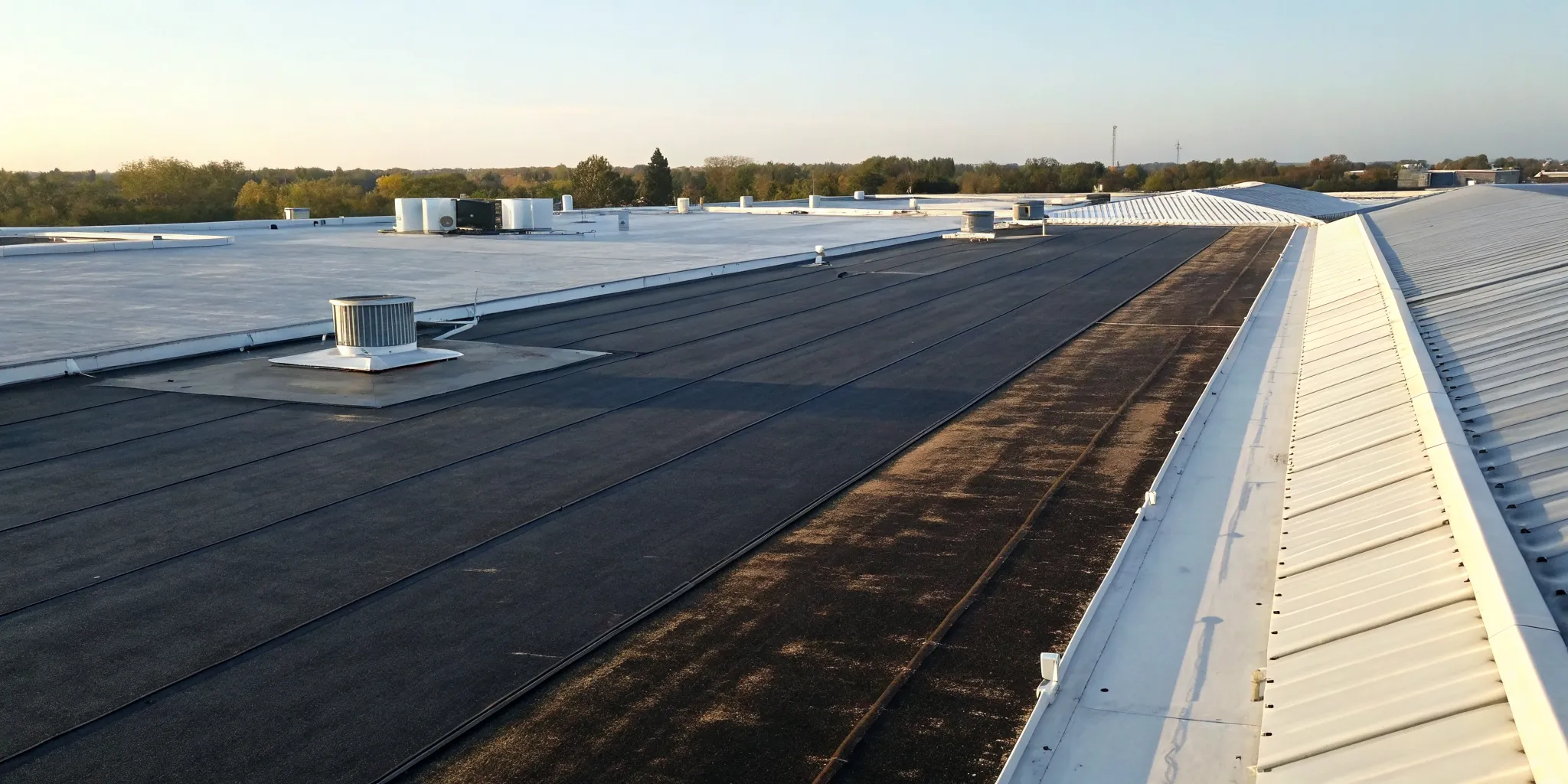
Did you know the ENERGY STAR program for roofing is a thing of the past? It wasn't because the standards were weak—it’s because homeowners like you deserve more specific information. The old Energy Star roofing requirements used a simple pass-or-fail grade, which didn't tell the whole story about a roof's performance in different climates. That's why the EPA introduced a better system. Now, the Cool Roof Rating Council (CRRC) provides the exact data on how well a roof reflects sunlight and releases heat. This change gives you the power to choose the perfect roof, and I'm here to show you exactly how to use it.
Key Takeaways
- Look for CRRC Ratings, Not ENERGY STAR: The official standard has shifted to the Cool Roof Rating Council (CRRC), which offers more detailed performance data. Use the CRRC's public directory to find specific ratings for solar reflectance and thermal emittance to make a truly informed choice.
- A Cool Roof Improves Your Home's Entire Energy System: An energy-efficient roof does more than just lower your air conditioning bills. It also helps your solar panels perform better by keeping them cooler, which increases their energy output and maximizes your overall savings.
- Choose Materials Suited for California's Climate: For homeowners in sunny climates, a reflective roof is one of the most effective upgrades you can make. Partner with a professional to select materials that not only have a high CRRC rating but also meet local codes and fit your home's unique needs.
What Were the ENERGY STAR Roofing Requirements?
For years, the blue ENERGY STAR label was the go-to symbol for energy-efficient products, including roofing materials. While the program for roofing was discontinued in 2022, its standards created the foundation for what we now call “cool roofs.” Understanding these original benchmarks is helpful because they focus on two key performance metrics: solar reflectance and thermal emittance. These principles are still the gold standard for measuring a roof's ability to keep your home comfortable and lower your energy bills, especially here in sunny California. Let's look at what those standards were and why they still matter for your home.
The right roofing solution can make a huge difference in your home's energy profile. The original ENERGY STAR ratings were designed to help homeowners identify materials that would provide the most significant energy savings based on where they lived. These standards helped push the industry toward creating more innovative and efficient products that are now widely available. Even without the label, the science behind it remains the key to choosing a roof that works for you, not against you.
What Is Solar Reflectance?
Think of solar reflectance as your roof's ability to act like a mirror for sunlight. Instead of absorbing the sun's intense heat and transferring it into your home, a roof with high solar reflectance bounces that energy back into the atmosphere. This is the core principle behind cool roofs. Materials with special reflective coatings or inherent reflective properties keep the roof's surface temperature much lower on a hot day. For you, this means less work for your air conditioner, a more comfortable indoor environment, and noticeable savings on your summer electricity bills. It’s a simple concept with a powerful impact on your home's energy efficiency.
How Reflectance Impacts Roof Temperature
The effect of solar reflectance on your roof's temperature is dramatic. It’s the same reason you’d choose a white t-shirt over a black one on a scorching summer day. A roof that reflects sunlight stays much cooler than one that absorbs it. According to ENERGY STAR, a clean white roof that reflects 80% of sunlight can be about 50°F cooler than a dark gray roof that only reflects 20%. This isn't just a minor detail; it's a game-changer for your home's internal temperature. For those of us in California, where air conditioning runs for months on end, a reflective roof means your AC unit doesn't have to work nearly as hard. While lighter colors are traditionally more reflective, modern roofing materials now come in a variety of colors that are engineered to keep the roof surface cooler, giving you more design flexibility without sacrificing performance.
What Is Thermal Emittance?
While reflecting sunlight is half the battle, a roof also needs to handle the small amount of heat it does absorb. That's where thermal emittance comes in. This metric measures how effectively a roof releases absorbed heat back into the air. A roof with high thermal emittance will cool down quickly once the sun sets, rather than holding onto that heat and radiating it into your house all evening. Think of it like a hot pan that cools off fast once you take it off the stove. Together, high solar reflectance and high thermal emittance create a powerful duo for keeping your home cool and your energy use low.
How Did Climate Zones Affect ENERGY STAR Ratings?
The ENERGY STAR program recognized that a roof's ideal properties depend heavily on the local climate. Reflective roofs are most effective in cooling-dominated climates where air conditioning is a major expense, which includes most of California. In these sunny regions, a roof that reflects heat is a huge asset. In contrast, colder, heating-dominated climates might benefit from a roof that absorbs some solar heat during the winter to help warm the home. This distinction was a key part of the ENERGY STAR phaseout, as a one-size-fits-all national standard didn't always make sense. For California homeowners, the takeaway is clear: a reflective roof is almost always the smartest choice.
Which Roofs Earned the ENERGY STAR Label?
Before the ENERGY STAR roofing program ended, you could find its blue label on a wide range of products. The key was that these materials met specific standards for reflecting sunlight and releasing absorbed heat. This wasn't limited to just one type of roof; several popular roofing solutions made the cut, giving homeowners plenty of options for an energy-efficient home. From common asphalt shingles to classic tiles, the certification focused on performance, not just material. Let's look at some of the main categories that used to carry the ENERGY STAR label and what made them stand out.
Reflective Asphalt Shingles: A Cool Choice
Asphalt shingles are one of the most common roofing materials, but not all are created equal. The ones that earned the ENERGY STAR label were "reflective" or "cool" shingles. They look like regular shingles but are made with special granules that bounce sunlight away from your roof. This simple change makes a big difference in keeping your attic and home cooler. As the Single Ply Roofing Industry (SPRI) explains, "[r]eflective roofs are best for places with hot weather where air conditioning is used a lot," which is a perfect description of life in California. By reducing heat buildup, these shingles helped homeowners cut down on AC usage and save on energy bills.
Why Metal Roofs Were a Popular Pick
Metal roofs have always been a durable choice, but their energy efficiency is what got them ENERGY STAR certified. According to the Cool Roof Rating Council, "[r]eflective roofs, including metal roofing, were part of the ENERGY STAR program aimed at improving energy efficiency in buildings." Many metal roofs come with factory-applied coatings that are highly reflective, sending solar radiation back into the atmosphere instead of letting it heat your home. This makes them an excellent option for lowering cooling costs, especially during our long, sunny summers. Their sleek look and long lifespan were just added bonuses to their energy-saving power.
Tiles, Membranes, and Other Certified Options
You’ve probably seen beautiful clay and concrete tile roofs on homes throughout California. Their classic style isn't just for looks; these materials are naturally good at handling heat. The shape of the tiles allows for air circulation underneath, which helps dissipate warmth. When made with reflective pigments, they become even more effective at keeping a home cool. The ENERGY STAR program recognized that "[c]ommon cool roof materials include special membranes, shingles, coatings, stone, metal, and tiles that reflect a lot of sunlight." This also included roofing membranes, which are often used for flat or low-slope roofs and can be highly reflective when produced in light colors, making them another great cool roofing option.
Ballasted and Green Roof Systems
Beyond the usual shingles and tiles, you'll find some truly innovative options like ballasted and green roofs. A ballasted system uses the weight of gravel or pavers to hold the roof membrane down, offering excellent stability. Then there are green roofs, which are essentially living gardens on your house. These green roof systems are fantastic insulators and can dramatically reduce your cooling needs. The U.S. EPA highlights how green roofs provide shade and lower surrounding air temperatures, which is a huge plus in our warm climate. They also do a great job with stormwater management, with some studies showing they can reduce runoff volume by about 55%. Because these are more complex systems, they require an expert approach to ensure your home's structure can support them, but the payoff in sustainability and comfort is impressive.
Why Did the ENERGY STAR Roofing Program End?
If you’ve been researching roofing lately, you might have noticed a familiar label is missing. The blue ENERGY STAR logo was once a go-to symbol for energy-efficient roofing, but the program has officially ended. This change wasn't about lowering standards; it was about creating a clearer, more detailed system to help homeowners like you. Let's walk through what happened and what it means for your roofing project.
The EPA's Reasoning for Ending the Program
The U.S. Environmental Protection Agency (EPA) decided to phase out its ENERGY STAR program for reflective roofs, making the change official on June 1, 2022. The main reason for this shift was to reduce confusion. Over time, the simple pass or fail nature of the ENERGY STAR label wasn't giving homeowners enough specific information about a roof's performance. The EPA recognized that a more nuanced system was needed to accurately represent how a roof would perform in different conditions. As a result, no new roofing products can be certified with the ENERGY STAR label, marking a significant step toward a more transparent evaluation process.
The Official Phaseout Timeline
The transition away from the ENERGY STAR label was a thoughtful, multi-year process. The EPA wanted to ensure a smooth shift for both the roofing industry and homeowners, replacing the simple pass/fail label with a more detailed system. This gradual phaseout was designed to give you better information for your home. Here’s how the timeline unfolded:
- May 28, 2019: The EPA issued a "Sunset Decision Memo," which officially set the stage for the program's end. This document explained the need for a more nuanced evaluation system for roofing products.
- June 1, 2021: This was the deadline for manufacturers to stop using the ENERGY STAR logo in their marketing. It marked the beginning of the visual transition away from the familiar blue label on roofing products.
- June 1, 2022: The ENERGY STAR roofing program officially ended. As of this date, no new roofing products could be certified, cementing the Cool Roof Rating Council (CRRC) as the new standard for detailed performance data.
This timeline highlights the shift toward greater transparency, all aimed at helping you make a more informed decision when it's time to invest in a new roof.
What This Change Means for You
So, what does this mean for you as a homeowner, especially here in sunny California? The core principle remains the same: a reflective roof is still one of the smartest investments you can make to keep your home cool and lower your air conditioning bills. The main difference is where you’ll find trusted ratings. Instead of looking for the ENERGY STAR logo, the new gold standard is the Cool Roof Rating Council's (CRRC) Rated Roof Products Directory. This resource provides detailed, specific data on a product's solar reflectance and thermal emittance, giving you the power to make an even more informed choice for your home.
CRRC: The New Gold Standard for Cool Roofs
With the ENERGY STAR program for roofing now in the past, you might be wondering what to look for instead. The good news is there’s a clear and dedicated standard to guide you: the Cool Roof Rating Council (CRRC). This organization provides independent, third-party ratings for roofing products, making it easier than ever to identify materials that will keep your home comfortable and your energy bills down. Think of the CRRC as the new gold standard for energy-efficient roofing, designed to give you confidence in your choice.
How CRRC Ratings Work
The CRRC’s job is to test and label roofing products based on their ability to reflect sunlight and release absorbed heat. When you’re shopping for a new roof, you’ll see CRRC labels with a few key metrics: solar reflectance (how much sun it reflects) and thermal emittance (how well it radiates heat away). These two values are combined to create a Solar Reflectance Index (SRI) score. A higher SRI means a cooler roof. The CRRC maintains a public Rated Products Directory, which is an excellent tool you can use to compare different materials and find a product that meets your efficiency goals.
CRRC vs. ENERGY STAR: What's Different?
So, why the change? The U.S. Environmental Protection Agency (EPA) decided to end its ENERGY STAR program for roofing to reduce confusion in the market. While the ENERGY STAR label was helpful, it covered a wide range of products, not just roofs. The CRRC, on the other hand, is exclusively focused on roofing performance. This shift actually simplifies things for homeowners. Now, you have one dedicated, specialized resource for cool roof ratings, ensuring the information you get is consistent, accurate, and directly relevant to your roofing decision. It’s a move toward greater clarity, which we can all appreciate.
Don't Forget ASHRAE, IECC, and Local Codes
While the CRRC rating is your go-to for product performance, it’s also important to know that it works within a larger framework of building codes. Organizations like ASHRAE and the IECC set broader energy efficiency requirements for buildings. Here in California, we also have our own local codes, like Title 24, which often require cool roofs in our warm climate. A professional can help you select roofing solutions that not only have a great CRRC rating but also meet all state and local requirements, ensuring your project goes smoothly from start to finish.
What Are Today's Best Energy-Efficient Roofing Materials?
Even though the ENERGY STAR program for roofing has ended, the technology behind energy-efficient roofs has only gotten better. The goal is still the same: to keep your home cooler and lower your energy bills, which is a huge win for anyone living under the California sun. The key is choosing materials that are part of a "cool roof" system. A cool roof is designed to reflect more sunlight and absorb less heat than a standard roof. Think of it like choosing a light-colored shirt on a hot day; it just stays cooler.
These roofs use special materials or coatings to bounce sunlight away, a property known as high "solar reflectance." They are also great at releasing any heat they do absorb, which is called high "thermal emittance." This one-two punch means less heat gets transferred into your home, giving your air conditioner a much-needed break. Finding the right roofing solutions depends on your home's style, your budget, and our local climate, but there are fantastic options available. Let's look at some of the most effective materials on the market today.
The Broader Benefits of a Cool Roof
Enhanced Roof Longevity
A cool roof doesn't just help with your energy bills; it also helps protect the roof itself. Traditional dark roofs absorb a massive amount of heat, causing the materials to expand and contract dramatically every single day. This constant thermal stress wears down shingles, tiles, and membranes over time, leading to cracks, warping, and a shorter overall lifespan. By reflecting the sun's harsh rays, a cool roof stays at a much more stable temperature. This significantly reduces wear and tear, meaning your roofing materials can last longer and require fewer repairs. A durable, long-lasting roof is not only a smart financial decision but also provides the perfect foundation for other home upgrades, like solar panels.
Community and Environmental Impact
The positive effects of a cool roof extend beyond your own property line. In dense urban and suburban areas, the collective heat absorbed by dark roofs and pavement creates what's known as the "heat island effect," raising local air temperatures. By installing a cool roof, you help reduce this phenomenon in your community. When entire neighborhoods adopt cooler roofing, it can lower ambient temperatures, reduce smog formation, and decrease the overall strain on the electrical grid during peak summer hours. This means less reliance on power plants and a reduction in greenhouse gas emissions, contributing to a healthier environment for everyone. It’s a simple choice that makes a real, positive impact on a larger scale.
Cool Roof Coatings: An Efficient Upgrade
Think of cool roof coatings as a high-tech layer of paint for your roof. These special coatings are designed to keep the surface temperature down, which means less heat makes its way into your home. According to ENERGY STAR, they work by bouncing sunlight away instead of absorbing it. This is a great option if your existing roof is still in good shape but you want to improve its energy efficiency. Applying a coating can be more cost-effective than a full replacement and can even extend the life of your current roof. It’s a simple upgrade that makes a real difference in your home’s comfort and your cooling costs.
Modern Reflective Shingles and Metal Roofs
If you prefer a more traditional look, reflective shingles are a perfect choice. They look just like standard asphalt shingles but are made with special granules that reflect a significant amount of sunlight. This allows you to maintain your home’s classic curb appeal while still getting the benefits of a cool roof. Metal roofing is another durable and highly reflective option. Modern metal roofs come in a wide variety of colors and styles, so you can find a look that fits your home perfectly. You can even use a 3D home visualizer to see how different materials and colors would look on your own house before making a decision.
The Timeless Efficiency of Tile Roofing
Clay and concrete tiles are a classic choice for California homes, and for good reason. Their natural composition and curved shape create an air channel between the tile and the roof deck, which helps insulate your home and reduce heat transfer. Many modern tiles are also treated with reflective surfaces to further improve their performance. As experts point out, reflective roofs are ideal for hot climates where air conditioning is used frequently, making them a perfect fit for most of California. These durable and beautiful roofing options provide long-lasting protection and significant energy savings for residential customers.
Are There Rebates for Energy-Efficient Roofs in California?
Yes, California homeowners can absolutely find financial incentives for installing an energy-efficient roof. Various state and local programs offer rebates or loans to help you offset the cost of a new cool roof. These initiatives exist because cool roofs are a big win for everyone: they lower your energy bills, reduce strain on the power grid during our hot summers, and help cut down on overall energy consumption. For homeowners here in California, a cool roof is a smart investment in your home's comfort and value. When you combine it with a solar energy system, the benefits really start to stack up. Let's look at how you can find these savings and why a cool roof is the perfect partner for solar panels.
Understanding Tax Credits vs. Rebates
When you're looking for ways to save on home upgrades, you'll often hear the terms "tax credit" and "rebate," but they aren't the same thing. A tax credit directly reduces the amount of income tax you owe. For example, the federal solar tax credit allows you to claim 30% of your system's cost when you file your taxes—it’s a dollar-for-dollar saving on your tax bill. A rebate, on the other hand, is a cash back offer you receive after your purchase, usually from the manufacturer or your local utility company as an incentive to choose an energy-efficient product. Think of it this way: a tax credit lowers your tax bill later, while a rebate puts cash back in your pocket sooner.
How to Find California Roofing Rebates and Credits
When you're planning for a cool roof, it's worth taking the time to explore the available financial perks. These can come from federal, state, or even local utility programs. Beyond direct rebates, a cool roof can also help your home meet the standards for "green building" certifications, which can increase your property value. To make sure the roofing material you choose is eligible for these programs, you can check its rating in the Cool Roof Rating Council (CRRC) directory. This ensures you're selecting a product that meets specific energy-efficiency standards and qualifies you for the incentives you deserve.
Using the ENERGY STAR® Rebate Finder
Even with the roofing program's retirement, the ENERGY STAR name still carries a lot of weight, and their website remains a valuable resource. The ENERGY STAR Rebate Finder is a fantastic tool that helps you search for rebates and special offers in your area. While you won't find roofing-specific rebates here anymore, you can discover incentives for other energy-efficient upgrades that complement a new roof, like insulation or new windows. The site lets you filter by product type and location, making it easy to see what savings you might qualify for. It’s a great first stop to get a sense of the local and utility-level incentives available to you as you plan your home improvement projects.
The Limited Federal Tax Credit for Roofs
It's important to be clear about what has changed at the federal level. The specific tax credit that was tied directly to ENERGY STAR-certified roofs is no longer available. The EPA officially ended the program to reduce confusion and move toward the more detailed CRRC rating system. This means you can't claim a credit based on the old ENERGY STAR standards for roofing. However, this isn't the end of the story for tax savings. The federal government still offers broader tax credits for home energy efficiency that a new, high-performance roof can qualify for. You just have to know where to look and which credits apply.
Other Federal Tax Credits for Homeowners
The good news is that there are still significant federal tax credits available that can help lower the cost of your new roof. Instead of a credit specifically for roofing, a cool roof can qualify as part of larger home energy upgrades. These incentives are designed to encourage homeowners to make their properties more efficient, and a reflective roof is a huge part of that equation. Understanding these credits can save you thousands of dollars, making a high-quality roofing project much more accessible. Let's break down the two main federal credits you should know about as a homeowner.
Energy Efficient Home Improvement Credit (25C)
The Energy Efficient Home Improvement Credit, also known as 25C, is a great incentive for homeowners making specific upgrades. This credit allows you to claim 30% of the cost of certain improvements, including energy-efficient roofing materials, up to an annual cap. To qualify, your new roof must meet specific energy efficiency requirements, which is why choosing a product with a strong CRRC rating is so important. This credit isn't just for your roof; it can also apply to other upgrades like windows, doors, and insulation. It’s a powerful tool for making a comprehensive, energy-saving update to your home. You can find more details on the ENERGY STAR website.
Residential Clean Energy Credit (25D)
The Residential Clean Energy Credit, or 25D, is primarily aimed at renewable energy installations like solar panels. So how does your roof fit in? A cool roof is the perfect partner for a solar system. By keeping your roof's surface temperature lower, it helps your solar panels operate more efficiently, producing more power. This synergy makes combining a new cool roof with a solar installation a brilliant strategy. This credit allows you to claim 30% of the cost of your new solar system, including battery backup, with no dollar limit. Since we specialize in both solar and roofing, we can help you design a system that maximizes your energy production and your savings.
How to Claim Energy Credits and Rebates
Finding available credits and rebates is the first step, but knowing how to claim them is just as important. The process usually involves some paperwork, but it’s absolutely worth the effort. Keeping detailed records of your purchases, installation costs, and product certifications is key. For federal tax credits, you’ll need to file a specific form with your annual tax return. For local rebates, you’ll typically apply directly through the utility or government agency offering the incentive. Our approach at AMECO is to guide our customers through this process, ensuring you have the documentation you need to secure every dollar of savings you’re entitled to.
Filing with IRS Form 5695
When it comes time to file your taxes, you’ll use IRS Form 5695, Residential Energy Credits, to claim both the 25C and 25D credits. This form walks you through calculating the exact amount you can claim based on your qualifying expenses. You’ll need to have your receipts and the manufacturer's certification statement for your roofing materials handy. This statement proves that the product meets the efficiency requirements for the tax credit. It’s always a good idea to consult with a tax professional to ensure you’re filling everything out correctly, but the form itself is fairly straightforward. Proper filing is the final step to turning your energy-efficient investment into real tax savings.
Maximizing Savings with Stackable Incentives
One of the best strategies for making your roofing project affordable is to "stack" incentives. This means combining savings from multiple sources. You can often pair a federal tax credit with a state or local rebate from your utility company. For example, you could use the federal 25C credit for your cool roof while also applying for a rebate from your local California utility. This layered approach can dramatically reduce the net cost of your project. Before you begin, take some time to research all the programs available in your area. You can use our online estimate calculator to get a baseline cost, then see how much you can save by stacking incentives.
How a Cool Roof Complements Your Solar System
A cool roof does more than just keep your house comfortable; it can also make your solar panels work better. Solar panels are most efficient when they're cool, and a dark, hot roof can heat them from below, reducing their output. According to ENERGY STAR, a reflective white roof can stay over 50°F cooler than a traditional dark roof on a sunny day. This temperature difference can lead to a noticeable improvement in your solar system's performance. Plus, there are direct financial benefits. If your new roofing solution includes integrated solar components, like solar shingles, that portion of the project may qualify for the federal solar tax credit, saving you even more on your investment.
How to Choose the Right Energy-Efficient Roof
Picking a new roof is a big decision, and when you’re focused on energy efficiency, the details really matter. With the ENERGY STAR program for roofing gone, it’s more important than ever to know what to look for. The good news is that you can still find an excellent, energy-saving roof by focusing on a few key areas. It comes down to understanding the new rating system, matching the materials to our California weather, and working with someone who knows the ins and outs of modern roofing.
Making the right choice not only helps keep your home comfortable but also plays a huge role in managing your energy bills, especially when paired with solar. AMECO has been helping homeowners with roofing solutions for decades, and our approach is all about finding the perfect fit for your home and your goals. Let’s walk through how you can confidently select the best energy-efficient roof for your home.
How to Read a CRRC Product Label
When you're comparing roofing materials, the Cool Roof Rating Council (CRRC) label is your new best friend. Think of it as the nutrition label for your roof. When selecting roofing products, it's essential to refer to the CRRC Rated Roof Products Directory. This directory gives you all the key details on a product’s solar reflectance (how much sunlight it reflects), thermal emittance (how well it releases absorbed heat), and Solar Reflectance Index (SRI) value. A higher SRI value means the roof does a better job of staying cool, which is exactly what you want for an energy-efficient home. Looking at these numbers helps you make an informed choice beyond just color or style.
Choosing Materials for Your California Climate Zone
Living in California means we get a lot of sunshine, which is great for solar panels but can really heat up our homes. Reflective roofs are particularly beneficial in regions with hot climates where air conditioning is heavily utilized. For homeowners in Southern California, choosing materials that reflect sunlight can significantly reduce energy costs. In these cooling-dominated climates, a roof that bounces the sun’s rays away from your home means your AC unit doesn’t have to work as hard. This simple choice can lead to real savings on your utility bills and a more comfortable living space during those long, hot summers. You can even see how different materials might look on your home with our 3D home visualizer.
Considering Colder Climates and Heating Needs
While a reflective roof is a clear winner for most of California, it’s helpful to understand why it’s not a universal solution. In colder, northern climates, the conversation gets more complex. For regions where heating bills are the main concern, a darker roof that absorbs the sun's heat can be a small benefit during winter. The debate over whether cool roofing is beneficial in these areas is ongoing, with some pointing to a "winter penalty." However, for our cooling-dominated climate, any potential winter benefit from a heat-absorbing roof is tiny compared to the massive summer savings a reflective roof provides. The science is clear: for California, reflecting the sun is the smartest path to energy savings.
Alternative Strategy: Super-Insulating Your Attic
A cool roof is your home's first line of defense against the sun, but your attic insulation is the crucial backup. Even the best roof will absorb a little heat, and that's where insulation comes in. By super-insulating your attic, you create a strong thermal barrier that stops heat from migrating from your attic into your living space. This strategy works year-round, too. In the summer, it keeps the heat out, and during our cooler winter nights, it keeps the warmth from your heater inside. Combining a cool roof with proper insulation is a powerful, one-two punch for creating a truly comfortable and efficient home.
Why Working with a Pro Matters
While CRRC labels and climate considerations give you a great starting point, nothing replaces expert guidance. Choosing the right roofing system requires careful consideration of your home's design, its location, and our local weather patterns. Partnering with a knowledgeable roofing professional can help ensure that you select the most appropriate energy-efficient roofing solution for your specific needs. A professional can assess your home’s unique structure, ventilation, and orientation to recommend the best materials. At AMECO, our approach involves a personal consultation to make sure your new roof is a perfect match for your home and your energy-saving goals.
Related Articles
Frequently Asked Questions
Since the ENERGY STAR label for roofing is gone, what should I look for now? You should now look for the Cool Roof Rating Council (CRRC) label. The CRRC provides a dedicated, detailed rating for roofing materials, so you get a much clearer picture of a product's performance. When you see a CRRC label, check for the Solar Reflectance Index (SRI) value. A higher SRI score means the roof is more effective at staying cool, which is exactly what you want for an energy-efficient home in California.
What are the real, tangible benefits of installing a cool roof? The main benefit is a noticeable reduction in your summer cooling costs. By reflecting sunlight and releasing heat, a cool roof keeps your attic and home from getting so hot, which means your air conditioner doesn't have to work nearly as hard. This not only saves you money on your electricity bill but also creates a more comfortable indoor environment and reduces wear and tear on your AC unit.
Do I have to get a brand new roof to make my home more energy-efficient? Not necessarily. If your current roof is still in good structural shape, applying a cool roof coating can be an excellent and cost-effective option. These reflective coatings are applied over your existing roof surface to bounce sunlight away and lower its temperature. It’s a great way to gain the benefits of a cool roof and potentially extend the life of your current roof without the expense of a full replacement.
How does a cool roof affect solar panels? A cool roof and solar panels are a perfect pair. Solar panels generate electricity most efficiently when they are kept cool, and a hot roof surface can heat them from underneath, slightly reducing their power output. By keeping the roof’s surface temperature lower, a cool roof helps your solar panels operate at their peak performance. This ensures you get the most electricity possible from your solar investment.
Is there one "best" material for an energy-efficient roof? There isn't a single "best" material, as the right choice depends on your home's style, your budget, and your specific needs. Reflective shingles offer a traditional look, metal provides excellent durability and high reflectivity, and tiles are naturally good at managing heat. The most important factor is that the material has a strong CRRC rating. A roofing professional can help you weigh the pros and cons of each option to find the perfect fit for your home.


.svg)
