


Ground Mount vs Roof Mount Solar: A Complete Guide
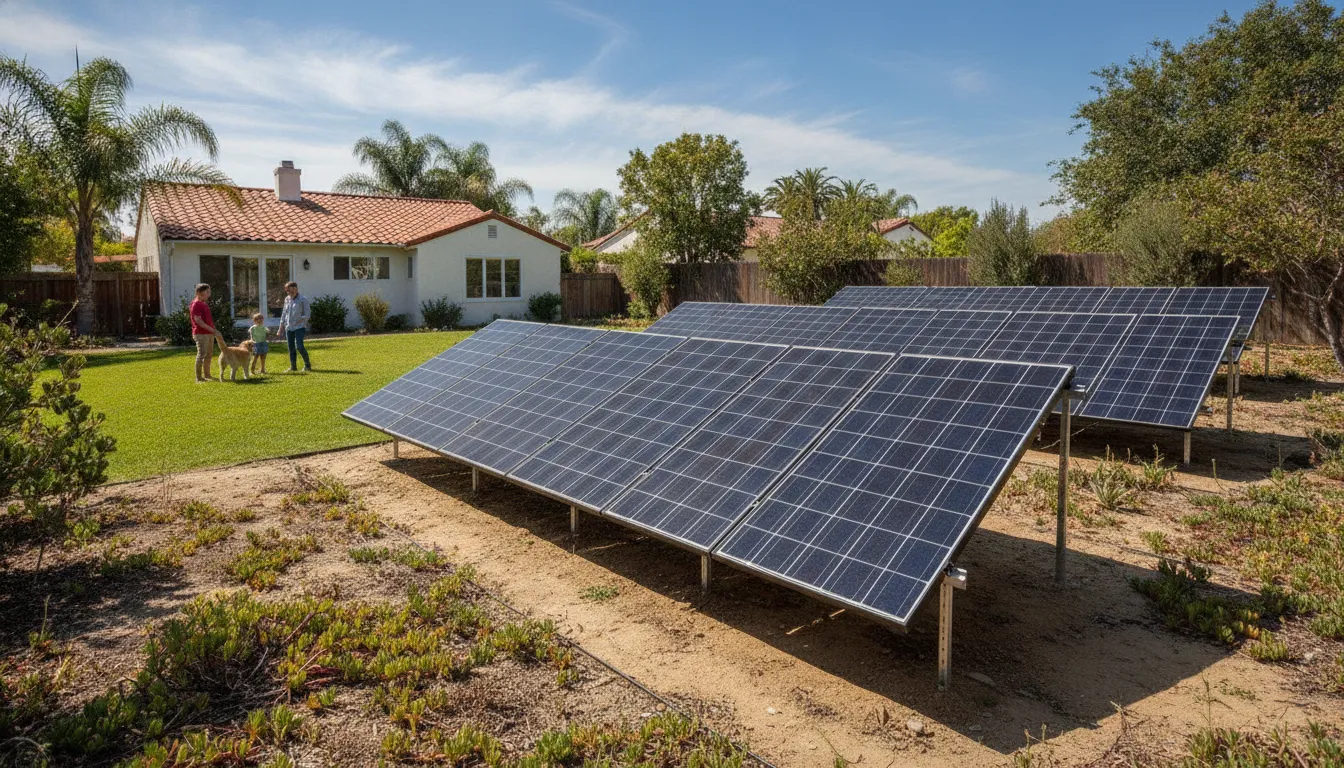
Choosing between ground mount vs roof mount solar depends on your home roof condition, yard space, and energy goals. Roof-mounted solar systems are the most common installation method because they utilize existing structures and do not require extra land, according to the U.S. Department of Energy. However, ground-mounted systems offer a viable alternative if your roof is shaded, has limited space, or cannot support the structural weight of the solar panels. Ground setups also let you set the perfect angle for maximum sun exposure and allow easy access for maintenance. Though they usually have higher upfront costs due to trenching and additional rack materials.
Ground Mount vs Roof Mount Solar: Key Differences
Choosing the right way to set up your solar panels is a key step toward energy independence. Most property owners look at two main choices: placing panels on the ground or on top of a home. Both options have unique traits that affect setup costs, energy output, and space usage.
Understanding the Two Setup Options
A roof setup is the most common method because it is robust, versatile, and easy to construct. It utilizes the existing building structure, which means you do not need to use any extra land on your property. This makes it an ideal fit for homes with clear, unshaded roof space.
In contrast, a ground setup is a great choice when your roof is too small, has too much shade, or cannot support a heavy load. These systems stand on metal frames set in the ground. While they require dedicated land, they let you place your panels in the best spot to catch the sun.
Main Points of Comparison
Each mounting style has clear differences in how they work, what they cost, and how you care for them. For example, roof arrays are typically fixed at an angle determined by your roof shape and local latitude. Ground arrays can use manual or automatic tools to shift panels, which helps them make more power. To learn how all these parts work together, you can read our solar power system components guide.
Below is a direct comparison of the key traits for both options:
| Feature | Roof Mount Solar | Ground Mount Solar |
|---|---|---|
| Standard Setup | Uses existing roof shape and structure | Requires dedicated open land area |
| Install Cost | Lower cost because structure exists | Higher cost due to trenching and framing |
| Space Needed | Zero yard space, uses empty roof | Requires open, flat ground area |
| Tilt and Angle | Fixed by roof pitch and direction | Fully flexible for optimal tilt angle |
| System Care | Harder to reach for cleaning and repairs | Easy to access safely from ground level |
How Location Affects Your Choice
The layout of your land and local weather play a big role in your choice. If you live in a hot area, ground panels often perform better because air flows freely under them, keeping them cool. But if you have a small yard, a roof mount keeps your outdoor space open. Assessing these factors helps you find the best balance of cost and power output for your property.
Cost Comparison: Ground Mount vs Roof Mount Solar
When you plan a home power project, setup costs are a key detail to check. Roof setups are usually the most budget-friendly choice because they attach directly to your existing home structure. Ground setups generally cost more upfront because they need extra materials, concrete bases, trenching, and long wire runs to connect to your electrical panel.
Racking and Structural Costs
Roof-mounted systems use your existing roof structure as support, which keeps labor and material costs low. Ground-mounted options require heavy steel or aluminum racks anchored in concrete piers. If your property needs a solar layout for solar panel installation, ground racks must be constructed from scratch, which adds to the overall project cost. These structural additions mean ground setups require more steps and hours to build than standard roof racks.
System Size and Scale
Most residential solar systems typically range from 4kW to 15kW, as noted by AMECO Solar & Roofing. For a standard home layout, a roof-mounted system of this size is highly cost-effective because it fits onto the existing roof face. If you choose a ground setup of the same size, the need for land clearing and trenching makes the cost per watt higher. However, ground setups allow you to scale up easily if you have the open space, while roof systems are strictly limited by your roof size.
Tracking Systems and Long-Term Value
If you build on the ground, you can choose tracking systems that automatically move panels to follow the sun. According to the U.S. Department of Energy, tracking mechanisms involve higher upfront costs and require more maintenance. However, the cost-benefit analysis increasingly favors tracking for ground-mounted systems due to technological improvements. The extra energy you get from a tracker can help offset the higher starting cost over time.
The exact price for your project will always depend on your specific home, land, and power needs. AMECO Solar & Roofing offers both types of installations and can help you compare options for your property. To find the best setup for your home, you can get an estimate from our team today.
When Should You Choose a Ground-Mounted Solar System?
Rooftop solar is the standard choice for most homes, but it is not the only option. A ground-mounted solar system offers a strong alternative when your roof is not ideal. Choosing between ground mount vs roof mount solar depends on your property layout, your roof condition, and your energy goals. As a full-service contractor, AMECO Solar & Roofing can evaluate your property to find the best fit.
Your Roof Has Shading or Space Limits
Many roofs have barriers that block the sun. Large trees, nearby buildings, or chimneys can cast shadows that lower your energy output. Rooftop setups are also limited by the size and shape of your roof. A ground-mounted system offers a great way to overcome shading challenges because you can place the panels in an open, sunny area. If your roof is too small, too old, or faces the wrong way, placing panels on the ground ensures you can still generate clean power.
You Want to Maximize Solar Energy Production
Ground systems let you set the exact angle of your panels. On a roof, the slope of the roof determines the tilt of your solar panels. With a ground mount, you can set the ideal tilt angle for your local latitude to get the most annual energy. You can also make seasonal adjustments to the tilt of your ground panels as the path of the sun changes. For even more power, ground mounts can use tracking mechanisms that automatically move panels to follow the sun from east to west.
You Have Extra Land or a Commercial Property
If you own a large lot or a commercial property, you have the space to use land instead of your roof. Commercial buildings often use ground setups when their roofs are not suitable or when their energy needs are very high. Ground systems also keep your panels cool. The air flows freely under ground-mounted panels, which keeps them from getting too hot. This extra cooling help panels work with better efficiency in hot climates. Finally, ground panels are much easier to reach for regular cleaning and maintenance.
What Are the Advantages of Roof-Mounted Solar Panels?
Rooftop solar remains the most common installation path for good reason. Choosing a rooftop setup is often the simplest way to go solar because it saves space and reduces setup costs. When evaluating the choice between ground mount vs roof mount solar, several key benefits make the roof the standard pick for California property owners.
Space Efficiency and Lower Costs
The primary benefit of rooftop solar is that it uses your existing building structure. Since the panels sit on your roof, you do not have to give up any valuable yard space or open land. This is why roof-mounted systems are the standard for most residential and business applications. Utilizing this existing footprint also means you avoid the high costs of land clearing, trenching, and complex racking that ground arrays need.
Simplified Setup and Permitting
Rooftop arrays are generally faster to install because they use robust and versatile racking systems. Industry standards from the U.S. Department of Energy show that rack mounting is the most common method because it is robust, versatile, and easy to construct. This simplicity often translates to fewer zoning issues and faster permit approvals from local California cities. The panels are typically fixed at a stable angle based on your local latitude to catch steady sunlight throughout the year.
Structural and Safety Assessments
Before installing any panels, you must ensure your home is ready for the project. Solar panels must sit on a stable, durable structure that can support their weight and withstand high winds or heavy rain over many decades. Standard systems also require careful planning to mitigate safety hazards for installers, which guidance from the Occupational Safety and Health Administration shows can be reduced during the initial design phase. Because roof health is so critical, AMECO evaluates your entire roof structure first. If your roof needs a roof repair or replacement, we can coordinate both services under one team to ensure a safe, long-lasting installation.
Maintenance and Longevity: Ground Mount vs Roof Mount Solar
Keeping your solar panels clean and in top shape is key to getting the most power from your system over time. When you compare ground mount vs roof mount solar setups, the way you maintain each system is very different. Both options require basic upkeep, but physical access and design choices play a big role in how easy it is to handle these tasks over their long lifespans.
How Physical Access Impacts Your Maintenance Routine
Physical access is the biggest difference when looking at upkeep tasks. Ground-mounted solar panels are much more accessible for regular maintenance and cleaning compared to rooftop setups. You can stand on the ground and use simple tools to wash away dirt or dust without extra risk. This easy access makes regular upkeep fast and simple.
By contrast, roof-mounted solar installations face unique safety hazards that make routine tasks harder. Working on a steep roof requires extra care and special safety gear to prevent falls. According to guidelines on workplace safety from OSHA, these risks can be lessened if teams use smart design choices before setting up the array. Because of these safety concerns, many homeowners hire professionals to handle roof-level work, which can increase lifetime costs.
Mechanical Parts and Long-Term System Wear
The type of mounting system you choose also changes the mechanical wear your system will face over decades of use. Most roof-mounted solar systems use simple, fixed racks with no moving parts. This means there are fewer pieces that can break down or wear out over time. It makes the physical structure of a roof array highly durable and very low-maintenance.
Ground-mounted systems can use these same fixed racks, but they also allow for tracking mechanisms that automatically move panels to follow the sun. While these tracking systems can boost energy production, they involve more sophisticated technology and higher upfront costs. They also require increased maintenance over time because motors and moving parts wear out. If you choose a fixed ground system, however, you get the benefits of easy ground access without the extra wear of mechanical parts.
General Upkeep and AMECO End-to-End Support
No matter which mounting style you choose, all solar systems need basic upkeep. You will need to clean your panels, check your solar inverter, and use a monitoring system to track your power output. Working with an experienced partner like AMECO Solar and Roofing helps ensure your system stays in top shape over its entire lifespan. AMECO provides complete support for both ground and roof systems across California. If you are ready to explore your options, you can consult with experts to plan a custom solar panel installation that fits your property and your long-term goals.
How to Decide Between Ground Mount and Roof Mount Solar
Choosing the best solar setup for your home is a key step toward energy independence. The choice between ground mount vs roof mount solar depends heavily on your specific energy needs and the physical limits of your property. To find the right fit, you must evaluate multiple factors from structural health to local rules.
Check Your Roof and Land
The first steps focus on your home's structure and layout:
- Check your roof health: Your roof condition is a primary factor in determining if a roof-mounted system is suitable. An array must be placed on a stable, durable structure that can support the weight for decades. AMECO offers integrated solar and roofing services to evaluate your roof structure before we recommend a system. If your home needs a roof repair or replacement, we handle both projects together.
- Assess your available space: Look at your property to see where panels can fit. Roof mounts use existing structure space without taking up land. Ground mounts offer a viable option when your roof space is limited or cannot hold the structural load, but they require dedicated land area.
- Review sun exposure: Check for trees or nearby buildings that cast shadows. Ground-mounted systems can overcome shading challenges that might make roof-mounted solar less effective because they can be placed in open areas.
- Define your energy goals: Consider your budget and power needs. Roof-mounted solar arrays are the standard for most homes. But ground mounts can optimize energy production by allowing for ideal tilt angles that may not be available on a fixed roof.
- Review local permit rules: Local building departments have specific rules for both options. Ground-mounted units often need more property line offsets and soils testing than roof systems.
- Get a professional assessment: Work with an expert team to design your system. AMECO provides end-to-end support to ensure you get the best solution for your California home.
Consult with Local Experts
Working with a contractor who understands both roofing and solar makes the path simple. You can find more details about how these setups differ in our guide on benefits of ground-mounted solar arrays. A professional team will verify your property limits and help you choose the option that maximizes your long-term savings.
Frequently Asked Questions
Is it better to install solar panels on the ground or roof?
The right choice depends on your property layout and roof health. Roof-mounted systems are standard and use your existing building footprint without using up land. However, ground-mounted solar is a great alternative if your roof is too small, shaded by trees, or cannot support the structural weight of the panels.
Is ground mount solar cheaper than roof mount?
Roof installations are usually cheaper upfront. They use your existing structure, which keeps labor and building costs low. Ground systems need extra trenching, concrete footings, and metal racking. However, U.S. Department of Energy research shows ground systems can yield more power over time by letting you set the perfect angle.
Are ground-mounted solar panels easier to clean?
Yes. Ground arrays sit close to the dirt and are much easier to reach for regular cleaning and maintenance. You can wash them safely from the ground without climbing a ladder. Rooftop solar panels are harder to reach and present unique fall safety hazards for workers, according to guidelines from the Occupational Safety and Health Administration.
Why would a solar company not do ground mounts?
Ground systems need specialized land preparation, trenching, and complex zoning permits. Many standard solar firms do not have the equipment or civil engineering skills needed to clear land or install deep ground footings. AMECO manages these setups end-to-end because we are licensed in both solar and general roofing construction.
Get an Estimate for Your Solar Installation
Delaying your solar project keeps you vulnerable to rising utility rates and high energy costs. Setting up your clean energy system now locks in stable power and provides immediate peace of mind. Our experienced team manages every detail of your design and installation to ensure your home gets the best setup possible.
Ready to get an estimate for your ideal solar setup? Get an estimate for your ideal solar setup to start saving today.


.svg)
