


Home Solar Panel 101: A Beginner's Guide
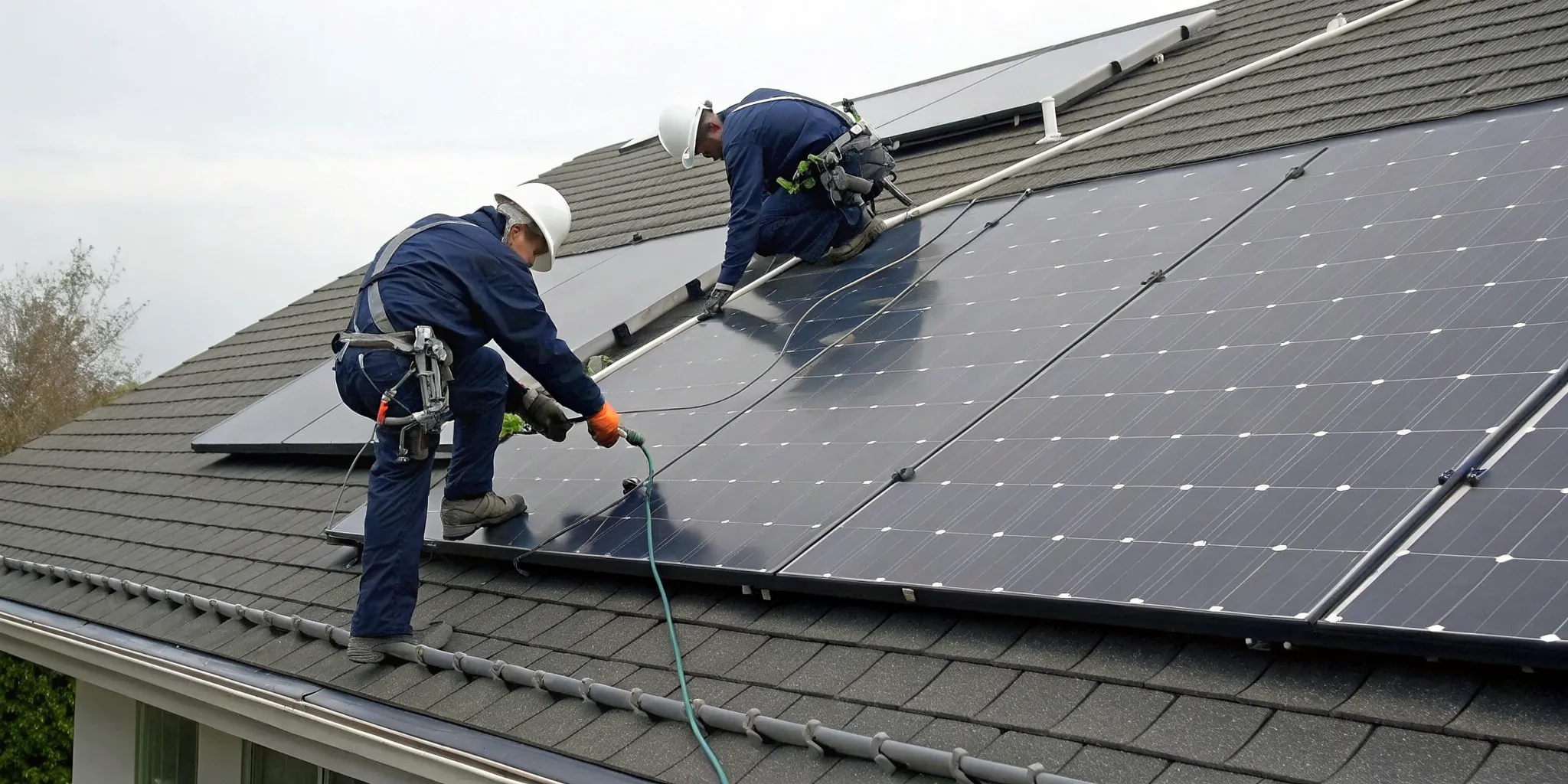
Tired of worrying about the next power outage? For many California homeowners, relying on an unpredictable grid is a constant source of stress. But you can create your own reliable energy source right on your rooftop. A home solar panel installation, especially when paired with a battery backup system, offers true energy independence and peace of mind. This guide will show you how to build a system that keeps your lights on during blackouts and reduces your dependence on the utility company. We’ll explore the different options so you can find the perfect fit for a more resilient home.
Key Takeaways
- Assess your home's solar potential first: Before you commit, check that your roof is in good condition, gets plenty of sun, and review your past energy bills to set a clear foundation for your project.
- Look beyond the initial price tag: Solar is a long-term financial win, thanks to the 30% federal tax credit, decades of energy savings, and an increase in your home's overall value.
- Partner with the right people and products: Choosing the best system for your goals, like adding a battery for outage protection, and selecting a certified installer are the most important steps for a successful installation.
How Do Solar Panels Actually Work?
Ever looked up at a solar-powered home and wondered what’s actually happening on the roof? It might seem like magic, but the process of turning sunshine into electricity for your morning coffee is surprisingly simple. It all comes down to a clever bit of science that your panels handle automatically every single day. Let's break down exactly how your future solar solutions will power your home.
The Simple Science of Solar Energy
The technology that makes it all happen is called a photovoltaic (PV) system. That might sound technical, but it’s just a fancy way of saying it converts light into electricity. Your solar panels are made up of smaller units called solar cells. When sunlight hits these cells, it energizes the electrons inside them, causing them to move around. This flow of electrons is what creates an electric current. Think of it like the sun giving the electrons a little push to get them moving and generating power for you. It’s a quiet, clean, and incredibly efficient process that happens right on your rooftop.
How Sunlight Becomes Electricity
So, how does that electric current get from your roof to your outlets? First, the sunlight, which is made of tiny energy particles called photons, hits the silicon in your solar cells. This creates a direct current (DC), the same kind of power you find in batteries. But your home’s appliances run on a different type of power called alternating current (AC). That’s where a crucial device called an inverter comes in. The inverter’s job is to convert that DC power into alternating current (AC) power, making it ready to use for everything from your lights to your laundry machine.
Is Your Home a Good Fit for Solar?
Thinking about going solar is exciting, but one of the first questions that comes to mind is, "Will it even work for my house?" It’s a great question. While solar panels can be installed on many types of homes, a few key factors determine how effective and efficient your system will be. Getting these right from the start ensures you get the most out of your investment for years to come.
Before you get too far into the process, it’s helpful to do a quick assessment of your property. You don’t need to be an expert, just take a look at three main areas: the condition of your roof, how much direct sunlight your home gets, and how much electricity you typically use. Understanding these elements will give you a clear picture of your home’s solar potential and help you have a more productive conversation with a solar professional. Let's walk through what to look for in each of these areas.
Is Your Roof Ready for Solar Panels?
Your solar panels are built to last for 25 years or more, so the roof underneath them should be just as durable. If your roof is nearing the end of its life, it’s much smarter and more cost-effective to replace it before installing panels rather than after. Having to remove and reinstall a solar array to fix the roof is an extra expense and hassle you can easily avoid. A professional installer will always inspect your roof's condition first, but you can do a preliminary check yourself. Look for its age, material, and any visible wear. Because a solid foundation is so critical, many homeowners appreciate working with a company that offers comprehensive roofing solutions in addition to solar.
Where Should Your Solar Panels Go?
The more direct sunlight your panels receive, the more power they’ll generate. According to the Department of Energy, solar panels perform best on south-facing roofs that have a slope between 15 and 40 degrees. This orientation maximizes their exposure to the sun throughout the day. Don’t worry if your roof doesn’t face perfectly south; east- and west-facing roofs can also be excellent candidates for solar. The other major factor is shade. Take note of any large trees or neighboring buildings that cast shadows on your roof, especially during peak sunlight hours. A little shade is usually fine, but significant coverage can reduce your system's output.
How to Analyze Your Energy Usage
The final piece of the puzzle is your electricity bill. The main goal of going solar is to generate enough power to cover your own energy needs, so you need to know what those needs are. Grab your utility bills from the past year and look for your monthly kilowatt-hour (kWh) usage. This number tells you how much electricity your household consumes. It will directly inform the size of the solar system required to offset your usage and can help you understand your potential savings. In California, savings can also depend on your specific utility provider and rate plan. Once you have a sense of your usage, you can use an estimate calculator to get a preliminary idea of what a system might cost.
How Many Solar Panels Will I Need?
This is the million-dollar question, isn't it? The number of panels you need depends on two main things: how much electricity you use and how much sunlight your roof gets. We already covered how to find your annual kilowatt-hour (kWh) usage from your utility bills. The next step is figuring out how much electricity a single solar panel can produce at your specific location. This is influenced by factors like the panel's efficiency, your roof's angle and direction, and the average number of "peak sun hours" your home receives. Luckily, living in California gives us a major advantage in the sunshine department.
While you can get a rough idea using online resources like the PVWatts calculator, the most accurate answer comes from a detailed, professional assessment. An expert will not only measure your roof and analyze shading from nearby trees but also consider your future energy goals, like adding an electric vehicle or a battery. This ensures your system is perfectly sized to meet your needs from day one and for years to come. A truly personalized approach is the only way to guarantee you get the right number of panels for your home, maximizing your savings and energy independence.
What if My HOA Has Rules About Solar?
Understanding Solar Access Laws
Dealing with a Homeowners' Association can feel like a hurdle, but when it comes to solar, you have more power than you might think. The good news is that in California, your right to go solar is protected. While your HOA can set reasonable guidelines on the placement or appearance of your panels, they generally cannot stop you from installing them. This is thanks to state-level solar access laws designed to prevent HOAs from unfairly blocking your move to clean energy. Your best approach is to be proactive by reviewing your HOA’s guidelines and opening a line of communication early. Most HOAs simply require you to submit your plans for approval, and a professional solar partner can provide the detailed documents needed for a smooth process. Understanding the rules and your rights ensures your project moves forward without a hitch.
What's the Real Cost of a Home Solar Panel System?
Let’s talk numbers. The cost of a solar panel system is one of the biggest factors for any homeowner. While it’s a significant investment upfront, it’s important to see the full picture, including long-term savings and available incentives that make going solar more affordable than ever. Understanding these financial details will help you make a confident decision for your home and your budget. Here’s a clear breakdown of what to expect when you invest in solar energy.
Understanding Average Installation Costs
The price of a home solar system can vary, but most installations cost between $13,000 and $28,000 before any incentives. For a typical 7-kilowatt system, the average cost is around $19,500. Think of this not as an expense, but as an investment that pays you back over time. In fact, over 25 years, homeowners can save between $41,000 and $62,000 on electricity bills. The final price tag depends on your home’s energy needs, your roof’s condition, and the type of equipment you choose. A great first step is to get a personalized quote using an estimate calculator to see what the numbers look like for your specific situation.
What's the Cost for a 2,000 sq ft House?
It's a common question, and a good one. For a 2,000-square-foot house, you can expect the gross cost of a solar system to be around $29,000. However, that's not the number you'll actually pay. After you claim the 30% federal solar tax credit, the net cost drops to about $20,000. It's important to remember that square footage is just a starting point. The real factor that determines your system's size and cost is your actual electricity consumption. A family in a 2,000-square-foot home that runs the AC constantly and charges an electric vehicle will need a larger, more expensive system than a family with lower energy use. The best way to get an accurate picture is to look at your past utility bills and work with a professional who can design a system tailored to your specific needs, which is a key part of our approach to every project.
How to Find Solar Tax Credits and Rebates
The good news is that you don’t have to pay the full sticker price for your solar system. Several financial incentives are available to significantly reduce your total cost. The most impactful is the federal Residential Clean Energy Credit, which allows you to deduct 30% of the cost of your solar installation from your federal taxes. This is a dollar-for-dollar credit, not just a deduction, which makes a huge difference. While you may hear claims about free government solar panels, it's important to know these programs don't exist. The real savings come from legitimate tax credits and rebates that make the switch to solar much more accessible.
How Long Until Your Solar Panels Pay for Themselves?
You have several options when it comes to paying for your solar panels. You can pay with cash upfront, which offers the quickest return on investment. Another popular route is a solar loan, which allows you to finance the system with little to no money down and own it from day one. Most homeowners find that their system pays for itself in about 5 to 15 years through energy savings. After this payback period, all the energy your panels produce is pure savings. Our team can walk you through the best financial path for your goals as part of our approach to creating a custom solar solution for your home.
Exploring Solar Leases and Power Purchase Agreements (PPAs)
If the upfront cost of owning a solar system feels out of reach, you still have options. Solar leases and Power Purchase Agreements (PPAs) are two financing routes that let you access solar energy without buying the equipment. With a solar lease, you pay a fixed monthly rate to have the panels on your roof. A PPA is slightly different; you pay a set price for the electricity the system generates, which is typically lower than your utility’s rate. Both options can offer immediate savings on your bills, and the solar provider usually handles all maintenance and repairs. While these are viable paths, it's worth noting that owning your system through a cash purchase or loan generally provides the greatest long-term financial benefits and adds the most value to your home.
Other Ways to Access Solar Power
What if your home isn't a good candidate for rooftop panels? Maybe you rent, live in a condo, or your roof is too shaded by beautiful old trees. That doesn't mean you have to miss out on the benefits of clean energy. The solar industry has developed creative solutions to make renewable power more accessible to everyone, regardless of their living situation. These alternatives allow you to support solar energy and lower your electricity bills without installing anything on your own property. Two of the most common options are community solar programs and group buying cooperatives, which open the door for many more people to join the solar movement.
Community Solar Programs
Think of community solar as a subscription to a local solar farm. These programs allow you to buy or lease a "share" in a large, off-site solar array. In return, you receive credits on your electricity bill for the power your portion of the array generates. This model is a fantastic solution for those who can't install panels on their own property, making solar energy more inclusive and accessible. It allows renters and homeowners with unsuitable roofs to directly participate in and benefit from a local renewable energy project, reducing their carbon footprint and their energy costs at the same time.
Group Buying and Solar Co-ops
There's strength in numbers, and that’s the idea behind a solar co-op. A solar co-op is simply a group of homeowners in a neighborhood who team up to purchase solar systems together. By using their collective buying power, the group can negotiate a bulk discount from a single installer, reducing the cost for everyone involved. Beyond the financial savings, co-ops provide a supportive community where members can share information and get through the process together. The group typically vets installers and selects one to handle all the projects, which helps streamline the decision-making for individual members.
What Kind of Solar System Do You Need?
Once you’ve decided to go solar, the next step is figuring out which type of system fits your lifestyle. This choice comes down to your goals. Are you looking to lower your monthly utility bills? Do you want to keep the lights on during a blackout? Or are you aiming for complete energy independence?
Understanding the difference between grid-tied, battery backup, and off-grid systems is key to making a decision you’ll be happy with for years to come. Each setup offers unique benefits, and the right one for you depends on your home’s needs and your personal priorities. Let’s walk through the options so you can find your perfect match.
Choosing the Right Solar Panels for Your Home
Not all solar panels are created equal, and the best choice for your neighbor might not be the best one for you. The right panels for your home will depend on your budget, how much energy you need to generate, and even your personal style. With so many options on the market, you can find a perfect match that checks all your boxes. Understanding the main differences between panel types will help you feel confident when you discuss your solar solutions with a professional. Let’s look at the most common technologies available so you can get a better sense of what will work for your roof.
Photovoltaic, Thermal, and Hybrid Panels Explained
When people talk about home solar, they’re usually referring to photovoltaic (PV) panels. These are the workhorses of the residential solar world, designed to convert sunlight directly into electricity to power your home. You might also hear about solar thermal panels, but these serve a different purpose. Instead of generating electricity, they use the sun’s energy to heat water for your home. While useful, they won’t power your lights or appliances. There are also hybrid panels that do both, but for most homeowners focused on reducing their electricity bills and gaining energy independence, PV panels are the way to go.
Comparing Panel Types: Monocrystalline, Polycrystalline, and Thin-Film
Within the world of PV panels, you’ll find a few key types. Monocrystalline panels are known for their high efficiency and sleek, black appearance. Because they generate more power per square foot, they’re a great choice if you have limited roof space. Polycrystalline panels, recognizable by their blue, speckled look, are slightly less efficient but come with a lower price tag, making them a solid, budget-friendly option if you have plenty of room. Lastly, thin-film panels are lightweight and flexible but are the least efficient, meaning you’d need a very large area to power your home. For most residential installations, the choice comes down to monocrystalline for performance or polycrystalline for value.
Aesthetic Options: Building-Integrated Photovoltaics (BIPV)
If the look of traditional solar panels is a concern, you’ll be happy to know there are more discreet options available. Building-integrated photovoltaics, or BIPV, are designed to blend seamlessly with your home’s architecture. Instead of being mounted on top of your roof, these solar technologies are built to look and function like conventional roofing materials, such as shingles or tiles. This creates a sleek, uniform appearance that doesn't compromise your home's curb appeal. Since BIPV systems are part of the roof itself, it’s essential to work with an installer who has deep expertise in both roofing and solar. You can even see how different panels might look on your home using a 3D home visualizer.
Newer Tech: Half-Cut Solar Cells
Solar technology is constantly improving, and one of the most practical advancements in recent years is the half-cut solar cell. As the name suggests, manufacturers take traditional solar cells and cut them in half. This simple change makes the panels more efficient and durable. Their smaller size means they are less resistant to the flow of electricity, which reduces power loss and helps them perform better in high temperatures. More importantly for homeowners, this design makes them more tolerant to shade. If a tree branch or chimney casts a shadow over part of a panel, a half-cut panel will lose less power than a traditional one, ensuring more consistent energy production throughout the day.
Grid-Tied Systems: Selling Power Back to the Grid
This is the most common type of residential solar setup, and for good reason. A grid-tied system connects your solar panels directly to your local utility grid. When your panels produce more electricity than your home is using, that excess power is sent back to the grid. Thanks to a policy called net metering, your utility company will often credit your account for that extra energy.
This setup is a fantastic way to significantly reduce your electricity bills. You draw power from the grid when you need it (like at night) and contribute power back when the sun is shining. It’s a straightforward approach to adopting clean energy and saving money without needing extra equipment like batteries. These solar solutions are perfect for homeowners whose main goal is to lower their monthly expenses.
Should You Add a Solar Battery for Backup Power?
If you’re concerned about power outages, a solar-plus-storage system is the way to go. This setup includes a home battery that stores the excess energy your panels generate during the day. Instead of sending all of it back to the grid, you can save it for later.
When the grid goes down, your home seamlessly switches over to your stored battery power, keeping your lights, refrigerator, and essential devices running. This gives you incredible peace of mind, especially in areas prone to blackouts. A battery backup system gives you the best of both worlds: you stay connected to the grid for reliability but have your own personal power reserve ready for any emergency.
Going Off-Grid for Complete Energy Independence
Living off-grid means you are completely disconnected from the traditional utility infrastructure. This is the ultimate form of energy independence, as your home generates, stores, and uses all of its own power. An off-grid system is much more complex, requiring a larger solar panel array and a significant battery bank to ensure you have enough electricity to get through cloudy days and nights.
While it’s an appealing idea, going fully off-grid is a major commitment and is typically best for remote properties where connecting to the grid is difficult or impossible. Making this transition requires careful planning and expert guidance. A personalized consultation can help you understand if this path is a realistic and practical choice for your home, as our team follows a detailed approach to design a system that truly meets your needs.
How to Choose the Right Solar Installer
Choosing the right solar installer is one of the most important decisions you’ll make on your solar journey. The quality of your installation directly affects how much energy your system produces and how long it lasts. Think of your installer as your long-term partner in clean energy; you want a team that is experienced, trustworthy, and dedicated to getting the job done right. A great installer ensures your transition to solar is smooth and that your investment pays off for decades. Here’s how to find a qualified professional, compare your options effectively, and steer clear of common pitfalls.
What Makes a Solar Installer Qualified?
First things first, you want an installer with proven expertise. Look for professionals who hold certifications from the North American Board of Certified Energy Practitioners (NABCEP), which is the gold standard in the solar industry. Beyond certifications, consider their experience. A company with decades of local work understands California’s specific building codes and weather patterns. Since solar panels go on your roof, finding a team with deep knowledge in both solar and roofing solutions is a huge plus. This dual expertise ensures your roof’s integrity is protected throughout the installation process. Always confirm they have the proper state licensing and insurance to protect you and your home.
Can You Install Your Own Solar Panels?
With the rise of DIY culture, it’s natural to wonder if you can install your own solar panels to save on labor costs. While the hands-on approach is admirable, solar installation is a different beast altogether. It’s not just about mounting panels; it involves high-voltage electrical work, adhering to strict local building codes, and ensuring a secure, leak-proof connection to your roof. The U.S. Department of Energy even warns that an improper installation can create significant safety risks and lead to an underperforming system. Plus, many manufacturer warranties are only valid if the system is installed by a certified professional, so a DIY project could end up being a very costly mistake in the long run.
How to Research and Compare Solar Companies
Once you have a shortlist of qualified installers, it’s time to compare. Make it a rule to get at least three different quotes. This simple step can save you a significant amount of money, sometimes up to 20% on the total cost. Don’t just look at the bottom-line price, though. Compare the specifics of each proposal, including the brand of panels and inverters they plan to use, the details of the warranty, and the projected energy output. Often, smaller local companies can offer more competitive pricing and a more personalized experience. Using an online estimate calculator beforehand can also give you a solid baseline for what to expect when you start receiving proposals.
Understanding Panel Quality and Warranties
When you start comparing quotes, you’ll notice different brands of panels and equipment. While it’s easy to focus on the final price, the quality of the components is just as crucial for the long-term success of your system. The panels are the workhorses, and the inverter is the brain. Understanding what makes for quality equipment and what kind of protection comes with it will help you choose a system that performs reliably for decades to come.
What Are Solar Panels Made Of?
At their core, most solar panels are made from crystalline silicon, a material that’s excellent at converting sunlight into electricity. You’ll generally see two main types: monocrystalline, which is made from a single, pure silicon crystal, and polycrystalline, made from multiple silicon fragments melted together. These silicon cells are then protected by a sheet of durable glass on top, a protective backsheet, and a sturdy aluminum frame. Inside, thin metal strips, often made of silver or copper, collect the electricity the silicon produces and send it on its way to the inverter.
Product vs. Performance Warranties
When you look at a solar panel's warranty, you'll see two different types, and it's important to know what each one covers. The product warranty is for the panel itself. It protects you against defects in materials or manufacturing, just like the warranty on a new appliance. This typically lasts for 10 to 25 years. The performance warranty, on the other hand, is a promise about the panel's long-term energy production. It guarantees that the panel will still produce a certain percentage of its original output—usually around 85-90%—after 25 years, ensuring your investment continues to deliver value.
Safety and Certification Standards
It’s completely normal to wonder if putting an electrical system on your roof is safe. The short answer is yes, solar panels are very safe. They undergo extensive testing to meet strict international safety and performance standards before they ever reach your home. Furthermore, every installation must comply with local building, fire, and electrical codes. A qualified installer handles all the necessary permits and inspections to ensure your system is not only efficient but also completely safe. This is a key part of the homeowner's guide to going solar and a big reason why professional installation is so critical.
Common Solar Scams and How to Spot Them
Unfortunately, the growing popularity of solar has attracted some dishonest players. Protect yourself by learning to spot the red flags. Be wary of any high-pressure sales tactics that rush you into signing a contract on the spot. A reputable installer will have a clear, transparent process and give you time to make an informed decision. Also, be very skeptical of offers for “free” solar panels, as the federal government does not offer such programs. A trustworthy company will be transparent about all your payment options and the value they provide to their residential customers. If something feels off, trust your gut and walk away.
Helpful Tools and Resources for Homeowners
As you explore the possibility of solar, you don't have to go it alone. There are some fantastic online resources that can help you get a clearer picture of your home's potential and the financial incentives available to you. These tools are a great way to do some initial research before you even speak with an installer, empowering you to ask the right questions and feel confident in your decisions.
Estimating Your Home's Solar Potential
Before you dive deep into quotes, you can get a surprisingly good idea of your home's solar readiness on your own. Start by looking at your roof's condition—is it relatively new and in good shape? Next, consider sunlight. The Department of Energy notes that south-facing roofs are ideal, but don't count yourself out if yours faces east or west. The key is minimizing shade from trees or buildings. Finally, review your past electricity bills to understand your average usage. Once you have this info, you can use online tools to visualize your project. For instance, a 3D home visualizer can help you see exactly how panels would look on your roof, making the whole concept feel much more real.
Finding Local Incentives
The great news is you don't have to cover the full cost of your solar system alone. The biggest financial helper is the federal Residential Clean Energy Credit, which lets you claim 30% of your system's cost as a credit on your federal taxes. Beyond that, many states and local utilities offer their own rebates and incentives. A fantastic resource for this is the DSIRE database, where you can search for programs specific to your area. Don't feel like you have to become a tax expert overnight, though. A quality installer will be well-versed in these programs and will help you identify every available credit and rebate to maximize your savings.
Your Solar Installation, Step by Step
Once you’ve chosen an installer, the process of going solar follows a clear path. A professional team handles the technical details, but knowing what to expect can make the entire experience feel much smoother. From the first conversation to flipping the switch, here’s a look at the key milestones on your way to energy independence.
Step 1: The Initial Consultation and Site Visit
The first step is a detailed conversation and a thorough look at your property. A solar consultant will visit your home to assess its suitability for solar panels. They’ll check your roof’s condition, its orientation, and its slope. According to the Department of Energy, solar panels perform best on south-facing roofs with a slope between 15 and 40 degrees. The consultant will also look for any potential shading from trees or nearby buildings that could impact your system’s performance. This initial check is a crucial part of our approach, as it ensures we gather all the necessary information to design a system that’s perfect for your home and energy goals.
Step 2: Designing Your System and Handling Permits
After the site check, your installer will use that data to create a custom system design. This includes determining the right number of panels, their placement, and the best inverter and battery options for your needs. You’ll receive a detailed proposal outlining the system’s specifications, the total cost, and your projected energy savings. This is also when you’ll finalize your payment method, whether you’re paying with cash, getting a loan, or leasing. Once you approve the design, your installer will handle the complex part: submitting all the necessary paperwork and securing permits from your local city or county.
Step 3: Installation Day and Flipping the Switch
With permits in hand, it’s time for installation day. A team of qualified, certified installers will arrive to mount the racking and panels on your roof and connect the system to your home’s electrical panel. This process typically takes one to three days. After the physical installation is complete, a representative from your utility company will perform a final inspection and grant Permission to Operate (PTO). Once you have PTO, you can officially turn your system on. Many solar companies provide apps that let you track your system’s performance in real time, so you can watch the savings add up from day one.
What to Expect During and After Your Solar Installation
Once you’ve chosen your installer and designed your system, the next phase is the most exciting: installation day and life with solar. This part of the process is where your vision of a sustainable, energy-independent home becomes a reality. While your solar professionals will handle the technical work, knowing what to expect can make the transition feel smooth and empowering. From the final preparations to your first energy bill, you’re stepping into a new way of powering your life.
After the installation crew leaves, your relationship with your solar system is just beginning. Thankfully, modern solar solutions are designed to be incredibly low-maintenance, giving you all the benefits without adding a lot of chores to your to-do list. A little bit of awareness and simple care will ensure your system performs at its best for decades to come. Let’s walk through what happens on the big day and how you can get the most out of your investment for years to come.
How to Prepare for Installation Day
On installation day, our team handles all the heavy lifting, but a little prep work ensures everything goes smoothly. The most important step happens long before we arrive: making sure your roof is ready. If your roof is older or needs repairs, it’s best to handle that before installing panels. Combining the projects can save you the future hassle of removing and reinstalling your system. Our team provides comprehensive roofing solutions to ensure your home has a solid foundation for its new energy source. You can also help by ensuring the area around your electrical panel is clear for our electricians.
Monitoring Your New System's Performance
After your system is active, you can watch your home generate its own clean energy in real time. Most solar installations come with a simple app for your phone or computer that lets you track energy production. This makes it easy to see your impact and confirm everything is working correctly. For even greater energy independence, you can pair your panels with a battery backup. A battery stores the excess solar energy your panels produce during the day, so you can use it at night or keep the lights on during a power outage.
Easy Maintenance Tips for Your Solar Panels
One of the best things about solar panels is how little maintenance they require. Since they have no moving parts, they are incredibly durable. Your main task is to keep them relatively clean and clear of debris. In California, seasonal dust or pollen can settle on the panels, so an occasional rinse with a hose might be needed to maintain peak efficiency. It’s also why we stress the importance of checking your roof’s condition beforehand. A healthy roof means you won’t have to worry about it for years, letting your solar panels do their job without interruption.
Why Go Solar? The Long-Term Benefits
Deciding to install solar panels is a big step, but the rewards extend far beyond the first few months. While the immediate perks are great, the real magic happens over the long run. Think of it as an investment not just in your home, but in your financial future and peace of mind. From significant savings on your utility bills to a smaller environmental footprint, going solar offers lasting advantages that make it one of the smartest home improvements you can make. It’s about creating a more sustainable, independent, and valuable home for years to come.
Live More Sustainably
One of the most rewarding aspects of switching to solar is knowing you’re making a positive impact on the environment. Solar panels generate clean, renewable energy right from your rooftop, which means you’re relying less on traditional power plants that burn fossil fuels. The Department of Energy highlights that using solar power reduces air and water pollution. By powering your home with the sun, you directly contribute to a healthier community and a more sustainable future. It’s a powerful way to align your lifestyle with your values, all while enjoying the benefits of modern technology.
Reducing Water Consumption
Here in California, we’re all conscious of our water usage. What many people don’t realize is that traditional power plants are incredibly thirsty, using massive amounts of water to generate electricity with steam turbines. Solar energy, on the other hand, uses little to no water to produce power. By choosing modern solar solutions, you’re not just cutting your carbon footprint; you’re also helping conserve our state’s most precious resource. It’s a powerful, and often overlooked, way that your home can contribute to a more sustainable water future for everyone in our community.
Avoiding Fossil Fuel Impacts
Choosing solar is a direct vote for cleaner air and a healthier environment. Solar panels harness the sun's power through a completely clean process that generates no carbon dioxide. Every kilowatt-hour of electricity your panels produce is one less that needs to be generated by a fossil fuel power plant, directly reducing the amount of pollution released into our atmosphere. As more homes make the switch, the collective impact helps create cleaner air and water for our communities. It’s a simple, powerful action that transforms your home into a source of positive change.
Save on Electric Bills and Gain Energy Freedom
And then there’s the financial side of things, which is a huge plus. While there's an upfront cost, solar panels can lead to tens of thousands of dollars in savings over their lifespan. How much you save depends on factors like your energy consumption and system size, but many homeowners see a significant drop in their monthly electricity bills right away. Over time, these savings add up. Plus, when you pair your panels with a battery backup system, you gain a new level of energy independence. You’ll have a reliable power source during grid outages, keeping your lights on and your home running smoothly no matter what.
Add Value to Your Home with Solar
Installing solar panels is a home improvement that truly pays you back. Studies have shown that homes with solar energy systems are often valued higher and sell faster than those without. Think of it from a buyer's perspective: a home with its own power source and lower utility bills is incredibly attractive. The U.S. Department of Energy confirms that this investment is likely to improve your property's value. So, not only do you get to enjoy the benefits of solar while you live in your home, but you can also see a return on that investment if you ever decide to sell.
3 Common Solar Myths, Debunked
There's a lot of information floating around about solar energy, and frankly, not all of it is accurate. These myths can make the idea of switching to solar feel overwhelming or out of reach. Let's clear the air and tackle some of the most common misconceptions head-on. Getting the facts straight is the first step toward making a confident decision about your home's energy future.
Myth #1: A home solar panel system is too expensive
This is probably the biggest myth we hear, and it often stops homeowners from exploring their options. The great news is that the cost of solar panels has dropped significantly over the past decade, making them more affordable than ever. When you factor in federal tax credits, local incentives, and flexible financing options, the initial investment becomes much more manageable. The best way to understand the real cost for your home is to get a personalized quote. You can even get a preliminary idea of your investment by using a solar estimate calculator to see how the numbers stack up.
Myth #2: Solar doesn't work on cloudy days
It’s easy to assume that solar panels need perfect, sunny skies to do their job, but that’s not the case. While panels are most productive in direct sunlight, they still generate electricity on cloudy and rainy days. Think of it this way: you can still get a sunburn on an overcast day because UV rays penetrate the clouds. Solar panels work in a similar way, capturing light even in less-than-ideal conditions. For total peace of mind, pairing your panels with a battery backup system allows you to store excess energy generated on sunny days to use whenever you need it, rain or shine.
Myth #3: Solar panels need constant maintenance
The thought of adding another major maintenance task to your to-do list is daunting, but solar panels are surprisingly low-maintenance. Built to withstand the elements, they are incredibly durable and typically only need an occasional cleaning to keep them performing at their best. A professional installer will also ensure your roof is in good shape before putting anything up. In fact, a quality installation can even help protect the part of the roof it covers. With manufacturer warranties often lasting 25 years or more, you can feel secure knowing your system is built to last with minimal effort on your part.
Related Articles
- Understanding Solar Panel Components And How They Work | AMECO Solar
- The Ultimate Guide to How Solar Panels Work
- Energy Saving Solar Panels: A Homeowner's Guide
Frequently Asked Questions
What happens during a power outage if I have solar panels? This is a great question, and the answer depends on your system type. If you have a standard grid-tied system, it will automatically shut down during a blackout for safety reasons. However, if you include a battery backup with your solar panels, your home will seamlessly switch to using the stored energy. This allows you to keep your lights and essential appliances running, giving you true energy independence when you need it most.
Do I really need to replace my roof before installing solar panels? It’s highly recommended if your roof is nearing the end of its lifespan. Your solar panels are designed to last for 25 years or more, so you want a roof that can last just as long. It's much more practical and cost-effective to handle any roofing needs before the panels are installed. This avoids the extra cost of removing and reinstalling your solar array down the road to fix the roof underneath.
How long do solar panels actually last, and what happens after that? You can expect high-quality solar panels to perform efficiently for 25 to 30 years, and they often come with a warranty for that period. After that time, they don't just stop working; their energy production simply declines gradually. Many panels will continue to generate a significant amount of electricity for many years beyond their warranty period, continuing to provide value for your home.
What happens if my panels generate more electricity than I use? When your system produces more power than your home needs, the excess energy is sent back to the utility grid. Through a program called net metering, your utility company will credit your account for that extra power. This credit helps offset the cost of any electricity you might pull from the grid at night or on cloudy days, which is how you see such a significant reduction in your monthly bills.
My roof doesn't face south. Can I still get solar panels? Absolutely. While a south-facing roof is often considered ideal for maximizing sun exposure, it's definitely not a requirement. Panels installed on east- or west-facing roofs can also generate a substantial amount of power for your home. A professional solar consultant will assess your specific property to design a system that works efficiently with your roof's unique orientation and angle.


.svg)
