


NEM 3.0 Solar Battery Sizing California Guide
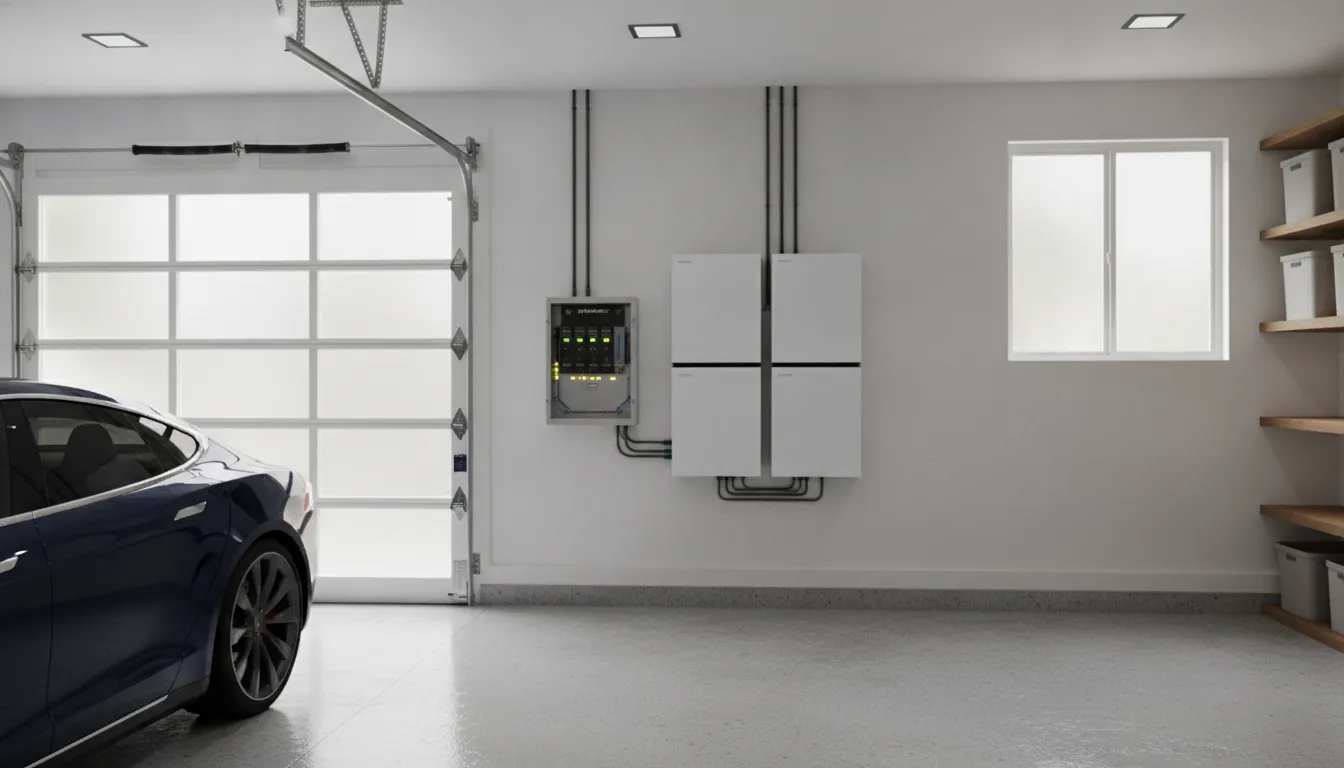
NEM 3.0 solar battery sizing California aims at storing more solar power for home use instead of sending it back to the power grid. Under the new Net Billing Tariff, the California Public Utilities Commission cut export credits by about 75%; using your own power is now worth more. Owners should size their storage to cover all night energy needs; this prevents selling extra power during the day only to buy it back later. Most California homes now need a battery that matches 100% to 120% of their daily energy use to handle these new utility rules and blackouts. Finding the right size ensures your system saves you money and provides reliable backup power during sudden grid blackouts and common utility outages.
Ready to calculate your solar battery savings? Schedule a free consultation today with California's longest-running solar integrator to get a custom quote.
Picking the right storage size is the key choice for new solar buyers, and AMECO Solar has helped owners find the best fit since 1974. To get the best results, you must first look at how the new utility rules changed the price of your energy. Our guide to Understanding NEM 3.0: Why Battery Sizing is More Critical Than Ever explains these changes; the path begins with...NEM 3.0 Solar Battery Sizing California Guide: Why Battery Sizing is More Critical Than Ever
California recently moved to a new solar rule called the Net Billing Tariff or NEM 3.0. This change has shifted how people save money on their power bills. In the past, you could sell extra solar power back to the grid for a high price. Now, those rates are much lower. AMECO Solar has worked in this field since 1974. We have seen many changes in how solar works. We help you find the best way to use your clean power.
The shift in export value
Under NEM 2.0, selling power back to the grid was helpful and paid well. But NEM 3.0 has cut those credit rates by about 75 to 80 percent. This means sending power back to the power company gives you much less value than before. According to the California Public Utilities Commission, the new rates reflect the value of that power to the grid at set times. For most of the day, that value is quite low.
Because of this drop, you should not plan to sell your extra power for a profit. Instead, the goal is to keep that power at home. You can use a battery to store energy during the day. Then, you can use it at night when rates are high. This makes the size of your battery very important. If the battery is too small, you will still end up buying power from the grid when the sun goes down.
The need for self-consumption
To get the best savings now, you must focus on self-consumption. This means you use as much of your own solar power as possible. A well-sized battery lets you do this. It captures the power your panels make while you are at work or away. When you come home, you can run your lights and tools using that stored energy. This avoids high peak rates from your power company.
Many people are now looking into NEM 3.0 battery requirements to see what they need. A battery that is too small will fill up too fast. Once it is full, your extra power goes back to the grid for very little credit. A battery that is the right size will hold enough power to get you through the evening. This keeps your costs low and your savings high over time.
Avoiding the sizing mistake
Choosing the wrong size for your storage system can be a big mistake. If you undersize your battery, you miss out on the full value of your solar panels. Most experts now suggest that you size your system to cover 100 to 120 percent of your yearly power use. This helps you stay clear of the high costs of grid power during peak times. It also gives you a backup if the grid goes down for a few hours.
Nearly 70 percent of new solar customers in California now choose to add a battery. This is because storage is now a core part of a good solar plan. To get the best results, you should think about your daily habits. Here are a few things that affect your sizing needs:
- How much power you use during the late evening and night.
- If you plan to add an electric car in the next few years.
- The size of your roof and how many panels it can hold.
- If you want to run big items like a pool pump or air unit during an outage.
Getting the size right helps you get the most out of your project. It turns your home into its own small power plant. This gives you more control over your bills. It also makes your home more strong during power shutoffs. AMECO Solar can help you look at your past bills to find the perfect fit for your needs.
What is the Recommended Battery-to-Solar Ratio Under NEM 3.0?
Finding the right mix of panels and storage is key to saving money in California now. Under the Net Billing Tariff, also known as NEM 3.0, you want to use as much of your own power as you can. If you send power back to the grid during the day, you get much less credit than you did in the past. Most pros now suggest a 2:1 ratio for battery sizing to panels.
The standard 2:1 sizing rule
A common rule is to install 10 kWh of battery storage for every 5 kW of solar panels. This ratio helps you store the bulk of the power your panels make while the sun is up. Instead of selling that energy for a low rate, you keep it for the evening when grid prices go up. This setup is a smart way to boost solar battery cost efficiency for your home.
Having enough storage keeps you from wasting the clean energy your roof produces. If your battery is too small, it will fill up fast, and you will have to export the rest for a small credit. Sizing your system to cover 100% to 120% of your usage is the best way to get a good return on your NEM 3.0 battery requirements.
Matching storage to peak energy use
Your battery needs to hold enough power to get you through the peak price hours of the late afternoon and night. California utilities often charge the most when the sun goes down and grid demand is high. A 2:1 ratio usually gives you enough juice to run your lights, fridge, and AC without needing grid power. This helps you avoid the high rates that start when the sun is no longer out.
AMECO Solar and Roofing can help you find the best fit for your energy needs. As California's longest-running solar firm, we know how to design a system that works for your home. We can look at your bills and find the best solar battery sizing California setup to help you save the most money over time.
Comparing the Best Home Solar Battery Options: Enphase IQ vs. Tesla Powerwall
Homeowners in California now face new rules for solar power. Under the Net Billing Tariff, the value of sending solar energy to the grid has dropped. This makes battery storage a key part of any new system. Storing your own power helps you avoid high utility rates and keeps your lights on during a blackout. Choosing the right battery is the first step to energy independence.
Key differences in battery tech
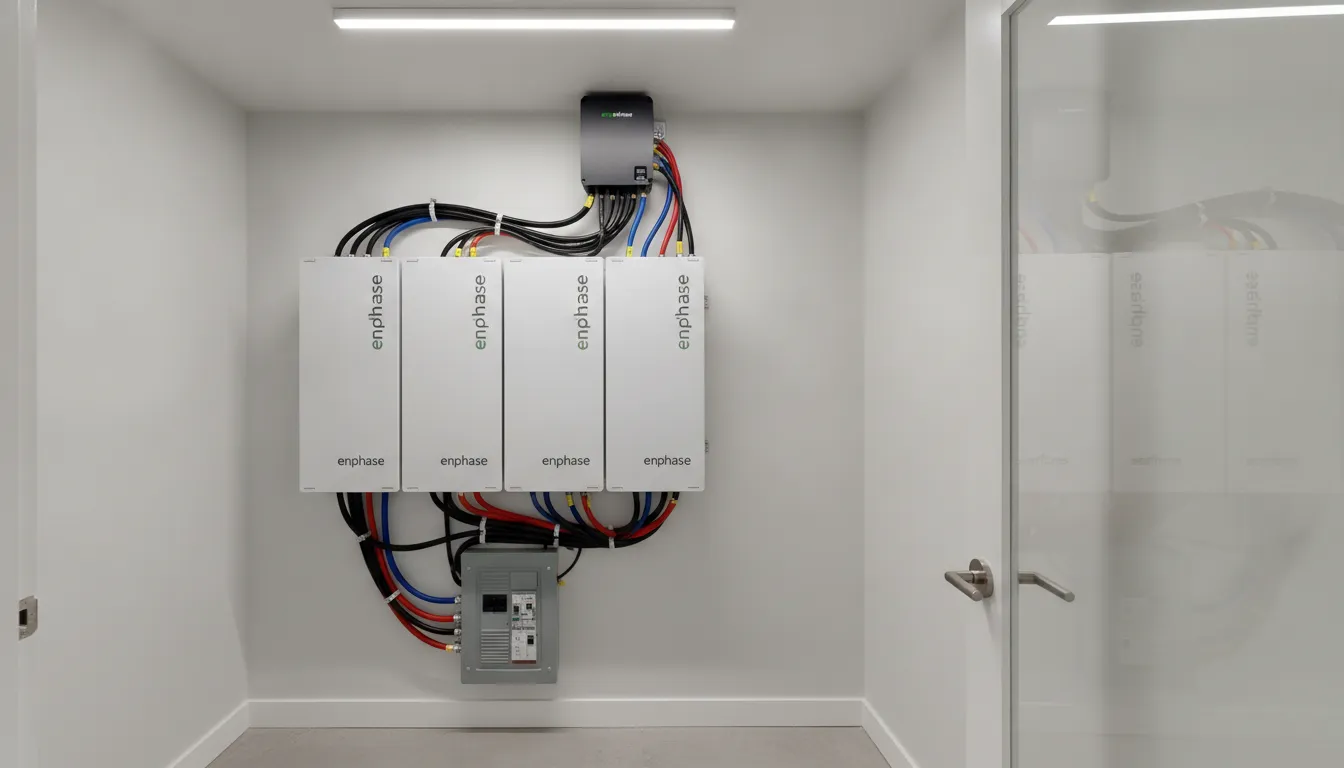
Both Enphase and Tesla use Lithium Iron Phosphate (LFP) chemistry. This tech is safer and lasts longer than older battery types. The Enphase IQ Battery 5P uses a modular design. You can start small and add more units as your needs grow. This is helpful for NEM 3.0 solar battery sizing California residents need to master. By matching your storage to your use, you get the best return on your spend.
High power for big loads
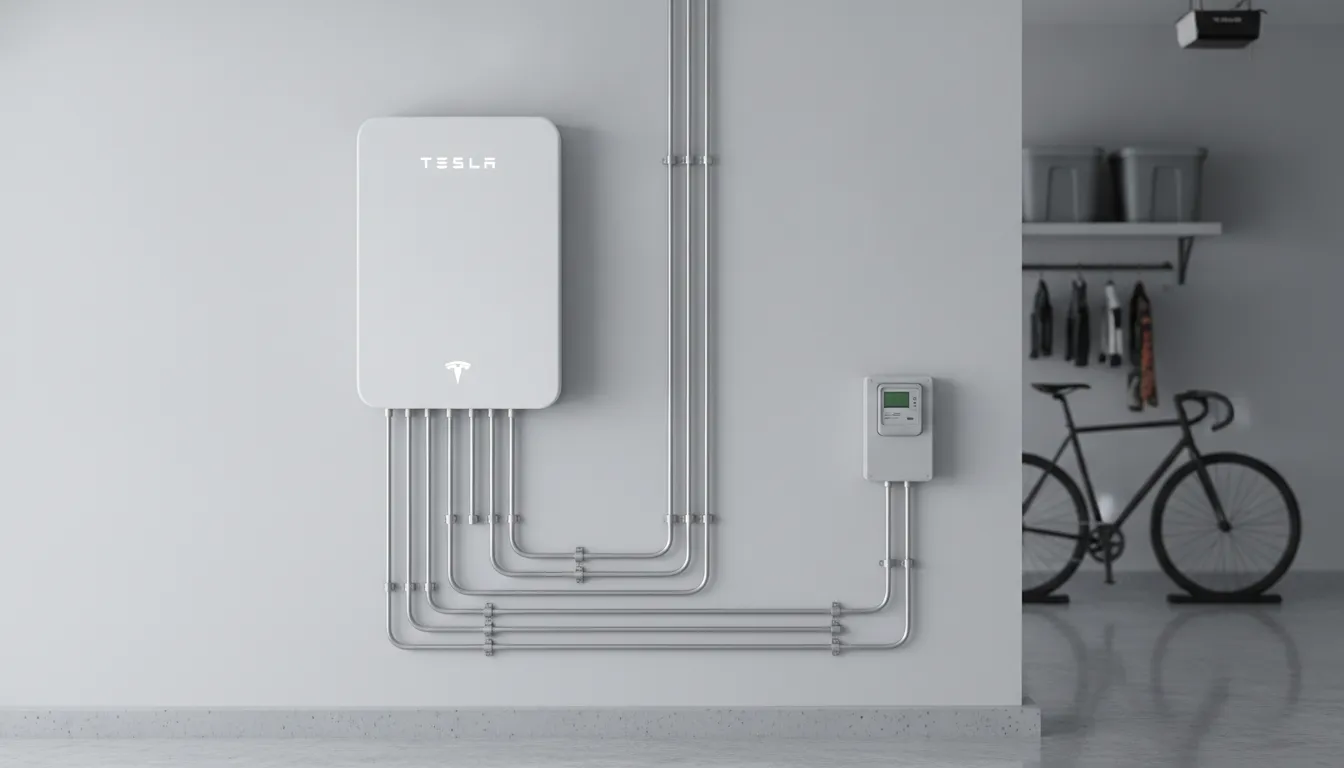
The Tesla Powerwall 3 offers high power in a single unit. It can start large tools like air conditioners without a struggle. While Enphase offers more control over small steps in size, Tesla provides a lot of energy in one box. AMECO Solar helps you find the right fit. We are a Tesla solar roof certified installer and an Enphase Gold Installer. We know how to set up both systems to work with your roof and your home.
Sizing your system for NEM 3.0
Under new state rules, most people should pair solar with a battery. In fact, nearly 70% of new solar customers in California now add storage to their homes. You can read more about these trends from the California Public Utilities Commission. The goal is to use as much of your own solar power as you can. This is better than selling it back to the grid for a low price.
For the best results, we suggest sizing your system to cover 100% to 120% of your annual use. Undersizing your battery is a common error that can cost you money over time. A well-sized system lets you run your home on clean power even after the sun goes down. You can use our solar cost calculator to see what size fits your specific energy needs.
| Feature | Enphase IQ Battery 5P | Tesla Powerwall 3 |
|---|---|---|
| Usable Energy | 5.0 kWh per unit | 13.5 kWh |
| Power Output | 3.84 kW continuous | 11.5 kW continuous |
| Chemistry | LFP battery chemistry. | LFP battery chemistry. |
| Scaling | Highly modular | Large single units |
| Warranty | 15 years. | 10 years. |
How Do I Calculate the Right Solar Battery Size for My Home?
Choosing the best solar battery size is vital for your home. Under new California rules, your goal is to store power for your own use and avoid sending energy back to the grid when rates are low. This makes NEM 3.0 solar battery sizing California a key part of your plan. Sizing your system right helps you save more money and stay powered during outages.
Checking Your Past Energy Use
The first step is to see how much power your home needs, which you can find on your old utility bills. Look for your total kilowatt-hour (kWh) use over a full year to see how your needs change with the seasons. You should also check your daily use during the summer. This is when your air units usually draw the most power.
Knowing your annual use lets you size your solar panels too. Most experts say you should aim for a system that covers 100% to 120% of your power needs. This helps ensure you have enough solar energy to charge your battery every day. You can use a solar cost tool to get a rough idea of your system size and possible savings.
Find Your Peak Hours
You need to know when you use the most power. For many people in California, peak use happens from 4 PM to 9 PM when people get home and turn on lights and tools. Under NEM 3.0 rules, utility rates are much higher during these hours. Storing solar power from the morning to use at night is the best way to cut your bill.
Check your smart meter data if your utility provides it. This data shows your use in small chunks of time. It helps you see how much energy you need to cover those expensive peak hours. If you use a lot of power at night, you may need a larger battery to keep your home running without grid power.
Match Battery to Usage
Once you have your data, you can pick a battery size since most home batteries hold between 10 kWh and 14 kWh of power. If your nightly peak use is 10 kWh, a single unit might be enough. If you have an electric car, you may need two or more units to be safe. It is also good to plan for extra power in case of a grid shutoff.
- Get your utility bills from the last 12 months. Find the total kWh you used for the year and for each month.
- Log in to your utility site to view your hourly power use. Focus on the hours after the sun goes down.
- List the big things in your home that use power at night. This includes your fridge, lights, and heat or air units.
- Add up the kWh those units use during peak hours. This gives you a baseline for your daily storage need.
- Think about future needs like an EV charger. Adding this now is easier than doing it later.
- Compare your total peak use to the size of popular batteries. Check if one unit or a stack of units fits best.
- Talk to a pro about NEM 3.0 battery needs to finalize your plan. They can help you pick the right brand for your roof.
Getting the size right is a smart move. A system that is too small won't save you as much money. A system that is too big costs more than you need to spend. By following these steps, you can find a balance that works for your budget and your home's energy needs.
Maximizing Self-Consumption to Beat High Time-of-Use Rates
California power firms like PG&E, SCE, and SDG&E now use a Net Billing Tariff. This plan changes what your solar power is worth. Under this new rule, export credit rates for extra solar energy are lower than retail costs for most hours. This means the best way to save cash is to use your own solar power at home instead of sending it to the grid.
How Time-of-Use Rates Work
Time-of-use (TOU) rates mean you pay more for power when grid use is high. This often happens from 4 p.m. to 9 p.m. When you have solar with no battery, you often send power to the grid in the sunny morning when rates are low. Then, you buy power back in the evening when rates are at their peak. A battery lets you store that cheap morning sun to use during the costly night hours.
Smart NEM 3.0 battery requirements help you shift your use to avoid these high costs. In a "self-use mode," your system stops sending power to the grid during the day. Instead, it fills your battery so you can stay off the grid when utility prices jump. This setup helps you keep more of the value your solar panels make.
Exporting for Extra Credits
Using your own power is the main goal, but sometimes sending it back makes sense. On some late summer nights, grid use hits very high levels. During these times, the value of export credits can rise far above the normal retail rate. Smart software can find these peaks and send stored power back to the grid for a high gain.
To use these spikes, your system needs the right size. If your battery is too small, you will not have enough power left to send back after you use what you need for your home. Proper solar battery cost efficiency relies on having enough storage to cover your night use while still having extra for high-value sales to the grid.
Picking the Right System Size
Choosing the right size for your system is the most vital step to beat high rates. Most pros suggest a solar and battery system sized at 100% to 120% of your yearly energy use. This range makes sure you have enough power to fill your batteries even on short winter days. It also gives you a buffer for high-use months in the summer when your air cooling runs more often.
Finding the best NEM 3.0 solar battery sizing California needs a look at your peak daily use. If you have a large home or use a lot of power in the evening, you may need two or more battery units. A system that is too small will force you to buy costly grid power. Getting the size right from the start is the key to long term savings.
Ready to maximize your savings? Calculate your project cost today with our free online calculator.
Avoiding Sizing Pitfalls: Seasonal Usage and Future Energy Demand
Choosing the right size for a battery is a key part of your home energy plan. Many people make the mistake of getting a battery that is too small. In California, the Net Billing Tariff (NBT) system means you get less credit for the power you send back to the grid. Because of this, NEM 3.0 battery requirements focus on storing your own solar power to use later. A battery that is too small can leave you paying high utility rates when the sun goes down.
Planning for Seasonal Energy Shifts
Your energy needs change with the weather. In the summer, air cooling can use a lot of power. If your battery is not big enough, you may run out of stored energy before the night ends. This forces you to buy power from the grid when prices are at their peak. It is best to look at your highest use months to find the right NEM 3.0 solar battery sizing California home owners need. A system sized at 100% to 120% of your annual use can help maximize your ROI.
Winter brings other tasks. Shorter days mean your solar panels have less time to charge the battery. Cloud cover and rain can also reduce how much power you make. A good plan will account for these low sun periods. This ensures you have enough power for daily use even when the sun does not shine as much. Expert design helps balance summer peaks with winter lows to keep your home running smoothly all year.
Preparing for Future Growth
Your home energy use will likely grow over time. Many people now add electric car chargers or heat pumps to their homes. These new tools use much more power than old ones. The NBT rate design makes it cheaper to power these electric options during the day. But you will still need a large battery to keep them running at night. Planning for this growth now can save you money on future upgrades.
At AMECO Solar, we help you look ahead. We have served California as an integrated solar and roofing company since 1974. We can help you pick a battery that fits your home today and your plans for next year. A future-proof system will have space for more storage or more solar panels. This way, you stay in control of your energy bill even as your life and the grid change.
Frequently Asked Questions
Does NEM 3.0 require a battery for every solar installation?
No, you do not have to install a battery with your solar panels. However, the new rules in California make solar less profitable without one. According to the CPUC, export rates for excess power have dropped a lot. Without storage, you must sell your extra energy to the grid for a very low price. Adding a battery lets you save that power for use at night. This helps you avoid high utility rates and makes your system a better investment.
Can I add more battery storage later if my solar battery is too small?
Yes, you can usually add more batteries to your system in the future. Many popular brands like Enphase and Tesla allow for easy expansion. It is often cheaper to install the right size from the start to save on labor costs. If you find your current storage does not cover your nightly use, adding another unit is a smart move. An expert at AMECO can help you plan for future growth. This ensures your home stays powered during a grid outage.
How do seasonal energy changes affect battery sizing for California homes?
Your energy needs change with the weather. In hot California summers, AC units use a lot of power. You may need a larger battery to stay cool during peak evening hours. During the winter, you will produce less solar energy to fill your storage. A well-sized system accounts for these shifts to maximize your savings year-round. According to AMECO Solar, sizing your system at 100 to 120 percent of your annual use is often the best choice for ROI.
Are there tax benefits for installing a solar battery in California?
Yes, there are several ways to save on your installation. The federal tax credit allows you to deduct 30 percent of the total cost from your taxes. In California, you may also qualify for property tax exclusions on your solar and battery upgrades. This means your home value can go up without raising your taxes. According to AMECO Solar, these incentives help make clean energy easier to buy for local families. Always talk to a tax expert to see what you can get.
Ready to secure your energy independence? Call 562-633-4400 today to get started with AMECO Solar & Roofing.
Ready to calculate your solar battery savings?
Every day you wait to get a home battery is a day you lose money and pay high bills to the grid you could save. When you act now, you can protect your home from sudden power cuts and keep your lights on when the power lines go down. See how much you will save on our solar calculator page to keep cash in your own pocket each month and help your budget. It takes time to set up a new system, so start your move today to stop the cost of doing nothing from eating your cash. Making the choice to switch now is the best way to gain energy freedom and secure your home for the long term starting today.
Ready to calculate your project savings? Call 562-633-4400 to talk to a solar expert and find the best battery for your home today.


.svg)
