


Professional Solar Installation: A Step-by-Step Guide
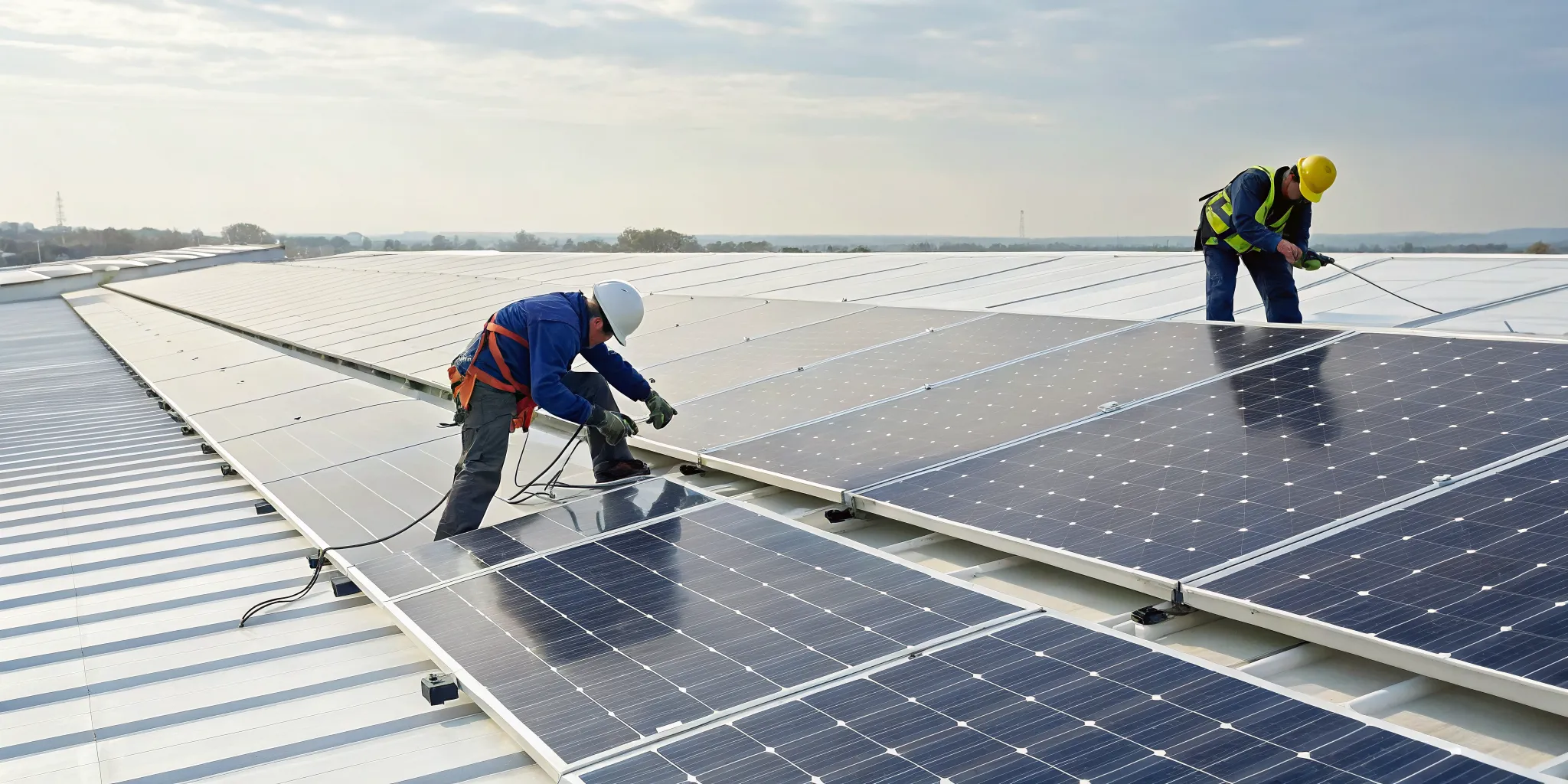
For many home projects, a DIY approach can be a great way to save money. But installing solar panels isn’t like building a deck or painting a room. This job requires a specialized skill set, including a deep understanding of electrical engineering, roofing integrity, and local building codes. One small mistake can lead to serious safety hazards or costly damage. A professional solar installation isn't just a service; it's your assurance that the work is done correctly and safely by certified experts. This guide breaks down why hiring a pro is essential, covering everything from code compliance and system optimization to the crucial warranties that protect your home.
Key Takeaways
- Prioritize Professional Installation for Key Protections: A certified installer ensures your system is safe, code-compliant, and efficient, while also securing the crucial equipment and workmanship warranties that protect your investment.
- Verify Your Installer's Credentials and Reputation: Look for a company with deep local experience, proper California licenses, NABCEP certifications, and a strong track record of positive customer reviews.
- Understand the Full Scope of Your Project: A successful solar installation goes beyond the panels, involving a clear step-by-step process, careful budget planning around incentives, and simple ongoing maintenance to maximize your long-term savings.
What is Professional Solar Installation?
Going solar is an exciting step, but the quality of your installation is just as important as the quality of your panels. Professional solar installation is a comprehensive service where certified experts design, permit, and install a solar energy system tailored specifically to your home's needs. It’s about much more than just attaching panels to your roof. A professional installer ensures your system integrates perfectly with the local power grid, allowing you to efficiently use the energy you generate, store it for later, or even send excess power back to your utility company for credit.
This process involves a deep understanding of electrical wiring, structural engineering, and local building codes, all of which are crucial for a safe and effective system. When you work with a seasoned team, you’re not just buying solar panels; you’re investing in a long-term energy solution. A professional company manages every detail, from the initial site assessment to the final inspection, making the entire transition to solar energy smooth and worry-free. This end-to-end management is central to our approach, ensuring every system we install is built for decades of reliable performance.
The Step-by-Step Process
The journey to solar power follows a clear and structured path when handled by professionals. It all starts with a consultation and a thorough site assessment to determine your energy needs and your roof’s suitability. From there, engineers design a custom system for your home. A crucial, and often complex, part of the process is securing the necessary permits from local authorities and approvals from your utility company or HOA. A professional installer handles all this paperwork for you, making sure your project meets every regulation before a single panel is installed.
Why Pro Installation Beats DIY
While the DIY route might seem tempting, solar installation is a project where expertise truly matters. Professionals bring the training and equipment needed to do the job safely, protecting both you and your home. One of the biggest concerns for homeowners is potential roof damage, but an experienced installer with roofing knowledge ensures your roof’s integrity is maintained. In fact, combining roofing solutions with solar installation is the best way to guarantee a leak-free, secure fit. Ultimately, professional installation maximizes your system's efficiency, protects your warranties, and delivers long-term savings that make it a smart investment.
Why Choose a Professional Installer?
While the idea of a DIY solar project might seem like a great way to save money, installing solar panels is a complex job that involves high-voltage electricity and major structural work on your roof. It’s not like assembling furniture. Choosing a professional installer is one of the most important decisions you’ll make on your solar journey. It’s about ensuring your system is safe, efficient, and built to last for decades.
A professional team brings years of experience and technical expertise that you just can’t get from online tutorials. They understand the nuances of system design, local building codes, and how to handle the unexpected challenges that can pop up during an installation. Following a professional our approach means you get a custom-designed system that fits your home and energy needs perfectly. From the initial site assessment to the final inspection, a certified installer manages every detail, giving you a seamless, worry-free experience and a reliable source of clean energy for years to come.
Ensure Safety and Code Compliance
First and foremost, professional installation is about safety. You’re dealing with electrical systems that can be dangerous if not handled correctly. Certified installers are trained to work with high-voltage equipment and ensure every connection is secure. They also make sure your system is fully compliant with California’s strict local building and electrical codes. This isn’t just about avoiding fines; it’s about protecting your home and family from potential fire hazards or structural damage. A professional company will also handle all the necessary permits and inspections, a process that can be complicated for homeowners to manage on their own.
Maximize Your System's Performance
Getting the most out of your solar panels isn’t as simple as just placing them on your roof. Expert installers use specialized tools and knowledge to optimize the placement and configuration of your panels. They analyze your roof’s angle, orientation, and any potential shading from trees or nearby buildings to maximize sun exposure throughout the day. This careful planning significantly enhances your system’s overall performance and efficiency. Better performance from your solar solutions means more energy production, which translates directly into lower electricity bills and a faster return on your investment.
Protect Your Investment with Warranties
A solar energy system is a significant investment in your home, and you want to make sure it’s protected. Reputable solar installers offer strong warranties that cover both the equipment and their workmanship. Equipment warranties come from the panel and inverter manufacturers, while a workmanship warranty covers the installation quality itself. This provides a critical safety net. If a panel fails or a leak develops due to the installation, you’re covered. This peace of mind is invaluable and ensures your system will continue to operate effectively for its entire lifespan, making it a secure investment for all residential customers.
Look for installers who carry third-party certifications from panel manufacturers — a sign of genuine expertise. For example, AMECO Solar was recognized as a Gold Tier installer in the 2026 REC Certified Solar Professional Program, the highest certification tier awarded by one of the solar industry's most respected panel makers.
How to Choose the Right Solar Company
Choosing a solar installer is a big decision. You’re not just buying panels; you’re investing in a long-term relationship with a company that will be responsible for a critical part of your home. To find a reliable partner, focus on three key areas: their professional credentials, their local experience, and what past customers have to say about their work. Taking the time to research these points will help you find a company you can trust to do the job right and support you for years to come.
Verify Licenses and Certifications
Before you sign any contracts, make sure the company you’re considering is properly licensed and insured in California. This is non-negotiable for protecting your home and your investment. Beyond the basic requirements, look for installers with certifications from the North American Board of Certified Energy Practitioners (NABCEP). This is the gold standard in the solar industry, indicating that the technicians have passed rigorous exams and have a high level of expertise. A certified team is better equipped to design a safe, efficient system and handle any challenges that come up during installation.
Look for Local Experience
A company with deep roots in your community brings invaluable expertise. Local installers understand the specific building codes and permitting processes for your city, which can prevent frustrating delays. They also know the regional weather patterns and how to design a system that performs optimally in California’s climate. A company with decades of local experience has a proven track record of navigating relationships with local utility companies and suppliers. This kind of specialized knowledge is something a national chain often can’t match and is central to our approach to every project.
Read Customer Reviews and Testimonials
Reviews from past customers give you an honest look into how a company operates. While testimonials on a company’s website are helpful, be sure to check third-party sites like Google, Yelp, and the Better Business Bureau. Look for patterns in the feedback. Are customers consistently happy with the communication, installation quality, and post-installation support? A strong reputation built on positive, real-world experiences is one of the best indicators of a trustworthy company. Seeing how a company has served other residential customers will give you confidence in your choice.
What Does Professional Solar Installation Cost?
Let’s talk about the numbers. Investing in a solar energy system is a significant financial decision, but it’s one that pays for itself over time through lower energy bills. The total cost of a professional solar installation can vary quite a bit from one home to another, so it’s helpful to understand the typical price range and the factors that influence it. Think of it less as a one-size-fits-all product and more as a custom solution tailored to your home and energy needs.
The good news is that solar technology has become more affordable over the years, and various incentives can make the initial investment much more manageable. Below, we’ll break down the average costs you can expect in California, explore what goes into that final price tag, and cover the financial perks available to homeowners. This will give you a clear picture of what to budget for and how you can make your switch to solar as cost-effective as possible.
Typical Costs by System Size
In California, the average cost for a professionally installed solar panel system is around $21,437. To get more specific, pricing is often measured in cost per watt, which currently averages about $2.39. For example, a standard 9 kW system, which is a common size for many homes, typically falls in the range of $18,000 to $25,000. Of course, these are just averages. The final price depends on how much energy you use and the specific equipment you choose. For a more precise number tailored to your home, you can use an estimate calculator to get a personalized quote based on your roof and electricity usage.
Factors That Affect the Final Price
The average cost is a great starting point, but several key factors will determine your project’s final price. The size of your system is the biggest driver; a larger home with higher electricity needs will require more panels. The type of equipment you select also matters, as high-efficiency panels and premium inverters come at a higher price. Your home’s unique characteristics play a role, too. This includes the condition of your roof, its angle, and whether it gets enough direct sunlight. A roof in poor shape may need repairs first, which is why combining solar with professional roofing solutions can be a smart move. Finally, the installer you choose will impact the cost.
Available Financing and Incentives
You don’t have to pay for your entire solar system upfront. One of the most valuable incentives available is the federal Residential Clean Energy Credit, which allows you to deduct up to 30% of the total cost of your solar installation from your federal taxes. This isn’t a simple discount; it’s a dollar-for-dollar reduction in the income tax you owe, which can save you thousands. A professional installer can walk you through all the available credits and financing options to make sure you get the most value from your investment. This kind of guidance is a core part of our approach to helping homeowners transition to solar smoothly.
What Types of Solar Systems Can a Pro Install?
When you decide to go solar, you'll find there isn't a one-size-fits-all solution. A professional installer will help you choose the right type of system based on your energy goals, location, and budget. The three main options are grid-tied, off-grid, and hybrid systems. Each has unique advantages, so understanding the basics is the first step toward finding the perfect fit for your home.
Grid-Tied Systems
This is the most common solar setup for residential customers. A grid-tied system connects directly to your local utility's power grid. During the day, your panels generate electricity to power your home, and if you produce more than you use, the excess is sent back to the grid. Through a policy called net metering, your utility often credits you for that extra energy, which helps lower your bills. The main consideration is that when the grid goes down, your system does too for safety reasons.
Off-Grid Systems
Just as it sounds, an off-grid system operates completely independently from the utility grid. This is an ideal solution for remote properties where connecting to the grid is either impossible or extremely expensive. Because you can't pull power from the grid when the sun isn't shining, these systems require a robust battery bank to store energy for use at night or on cloudy days. Going off-grid means true energy independence, but it requires careful planning to ensure you have a consistent and reliable power supply.
Hybrid Systems with Battery Backup
A hybrid system offers the best of both worlds. It's connected to the utility grid but also includes a battery backup solution. This means you can power your home with solar, send excess power to the grid for credit, and store energy in your battery. During a power outage, your system automatically switches to battery power, keeping your lights on and essential appliances running. This setup provides incredible flexibility and energy security, making it a popular choice for homeowners who want to reduce their bills and be prepared for blackouts.
What Warranties Should Your Installer Offer?
Your solar energy system is a major home investment, so it’s only natural you’d want to protect it. Solid warranties are your safety net, ensuring your system performs well for decades. A reputable installer will always stand behind their work with comprehensive coverage. Think of it as a promise that they’ve not only used quality equipment but have also installed it correctly. When you're comparing solar companies, their warranties can tell you a lot about their confidence in both their products and their team's skills. A strong warranty package shows a long-term commitment to you and your home's energy future.
Equipment vs. Workmanship Warranties
When you get a solar proposal, you'll typically see two kinds of warranties. The first is an equipment warranty, which comes directly from the manufacturer of your solar panels and inverters. This covers any defects in the hardware itself, often for 25 years or more. The second, and just as crucial, is the workmanship warranty. This one comes from your installer and covers the quality of the installation. If an issue pops up because of an installation error, this warranty has your back. It’s a key reason why professional installation is such a smart move; it shows the company is confident in its approach and committed to your long-term satisfaction.
Ongoing Maintenance and Support
Beyond the initial installation, you’ll want a partner who offers ongoing support. Your solar system is built to last, but regular check-ups can keep it running at peak efficiency. Think of it like maintaining your car; a little preventative care goes a long way in preventing bigger problems down the road. Ongoing support ensures your system remains secure, functional, and up-to-date. This might include performance monitoring to catch any dips in energy production or periodic cleaning to keep your panels clear. Having a trusted team to call on for maintenance gives you peace of mind and helps you get the most from your solar solutions for years to come.
What to Expect During the Installation Process
Making the switch to solar is an exciting step, and knowing what happens next can make the entire experience feel smooth and predictable. While every project is unique, a professional solar installation follows a clear, structured path from start to finish. The process is designed to ensure your system is perfectly tailored to your home, meets all safety standards, and is ready to generate clean energy for decades.
Think of it as a three-part journey. It begins with a detailed conversation and a close look at your property. From there, we move into the design and paperwork phase, where your custom system is planned and all necessary approvals are secured. Finally, the big day arrives when our skilled crew brings the design to life. Our team handles the technical details and coordination at every stage, so you can feel confident and informed without having to manage the complexities yourself. We believe in transparency, so we’ll walk you through each phase, ensuring you know exactly what’s happening and when. This approach removes the guesswork and lets you focus on the benefits of your new solar system.
Step 1: Consultation and Site Assessment
The first step is all about understanding your goals and your home’s potential. It starts with a simple conversation where we discuss what you want to achieve with solar, whether it’s lowering your electricity bills, having a reliable battery backup, or reducing your carbon footprint. This is your chance to ask every question you have.
Next, our team conducts a thorough site assessment. We’ll evaluate your roof’s condition, measure its sun exposure, and check your existing electrical panel. This detailed look is essential to determine the best possible solar solution for your specific property. By understanding these factors upfront, we can design a system that maximizes energy production and fits your home perfectly.
Step 2: System Design and Permitting
Once we have all the information from the site assessment, our engineers get to work designing a custom solar panel system just for you. This isn’t a one-size-fits-all plan; it’s a detailed blueprint tailored to your home’s energy needs and the unique characteristics of your roof. We use this design to map out exactly where each panel will go for optimal performance.
After you approve the design, we handle all the paperwork. Solar installations require permits and approvals from local authorities and your utility company. We manage this entire process to ensure your project complies with all local regulations, saving you from the headache of navigating the bureaucracy. This critical step ensures everything is officially in order before any physical work begins on your home.
Step 3: Installation and Final Inspection
This is when your solar system becomes a reality. Our professional installation crew will arrive on the scheduled day to mount the racking, install your solar panels, and connect all the electrical wiring. We take great care to protect your property and ensure every component is installed safely and securely, following the exact specifications from your custom design.
After the physical installation is complete, a final inspection is conducted by a representative from your local city or county. This is a non-negotiable step that confirms the system meets all building and electrical codes. Once we pass this inspection, the utility company gives its final approval, known as "Permission to Operate." Then, we can flip the switch and your home will officially start running on sunshine.
Common Challenges to Prepare For
Going solar is an exciting step toward energy independence, but like any major home project, it comes with a few things to sort out first. Knowing what to expect can make the entire process feel much smoother and eliminate any surprises. From local paperwork and neighborhood rules to making sure your home is physically ready for the panels, there are several key checkpoints on the journey.
Think of these not as roadblocks, but as part of a clear path to a successful installation. A great solar partner will guide you through each one, handling the heavy lifting so you can focus on the future benefits, like lower energy bills and a smaller carbon footprint. We'll walk through the most common hurdles homeowners face: getting the right permits, working with your homeowner's association, confirming your roof's condition, and planning your budget for the best return.
Understanding these elements ahead of time helps you ask the right questions and choose an installer who has your back from start to finish. The goal is to feel confident and informed every step of the way. At AMECO, our approach is designed to manage these details for you, ensuring a seamless transition to solar energy for all our residential customers. We believe preparation is key to a stress-free installation.
Navigating Permits and Regulations
Before any work begins, your solar project needs a green light from several places, including your local city or county and your utility company. This involves submitting detailed plans and applications to get the necessary permits. The rules can be complex, and policies like net metering, which affects how you’re credited for extra energy you produce, can change. This is one of the biggest reasons to work with a professional. An experienced installer understands the local requirements and will manage the entire permitting process for you, making sure everything is filed correctly and your system is fully compliant with all codes.
Meeting HOA Guidelines
If you live in a community with a homeowner's association (HOA), you’ll likely need their approval before installing solar panels. Many HOAs have specific guidelines about where panels can be placed or how they should look to maintain the neighborhood's aesthetic. While California law protects your right to go solar, it's still important to follow your HOA's review process. A local solar company will be familiar with these types of requirements and can help you prepare the necessary documents for submission. This ensures your project moves forward without any delays or issues with your neighbors, keeping the process smooth and straightforward.
Confirming Your Roof Is Ready for Solar
Your roof is the foundation for your solar panel system, so it needs to be in great shape. A professional installer will conduct a thorough inspection to ensure your roof can handle the added weight of the panels and withstand wind loads. If your roof is older or has existing damage, it might need repairs or even a replacement before installation can begin. This is where working with a company that specializes in both solar and roofing is a huge advantage. We can provide comprehensive roofing solutions to ensure your home is perfectly prepared, protecting your investment in both your roof and your new solar system for decades to come.
Planning Your Budget and ROI
A solar panel system is a significant home improvement investment, so it’s important to plan your budget and understand the return. The initial cost can seem high, but it leads to substantial long-term savings by reducing or even eliminating your monthly electricity bill. Your installer should provide a clear breakdown of costs and help you calculate your potential return on investment (ROI), or the time it will take for the system to pay for itself in energy savings. Using an estimate calculator can give you a preliminary idea of your costs and savings, helping you make a confident financial decision for your home's energy future.
Red Flags to Watch for When Choosing an Installer
Choosing the right solar installer is just as important as choosing the right panels. This company will be your partner in the project, so you want to find one that is trustworthy, experienced, and transparent. While most solar companies are reputable, it’s smart to know the warning signs of a less-than-professional operation. Trust your intuition; if something feels off during the consultation, it probably is. Being aware of these common red flags will help you find a team you can count on for a smooth and successful installation.
High-Pressure Sales Tactics
A solar installation is a significant home upgrade, and you should never feel rushed into a decision. Be cautious of companies using high-pressure tactics, like limited-time offers that expire in 24 hours or claims of leftover materials from a neighbor's job. A professional consultant gives you the space and information you need to feel confident. They should patiently answer all your questions, especially concerns about how the installation impacts your roof. If a salesperson pushes for a signature on the spot or dismisses your questions, consider it a major red flag.
Unrealistic Promises or Pricing
If a solar company’s offer sounds too good to be true, it likely is. Be skeptical of installers who promise to eliminate your electricity bill or guarantee an immediate return on investment. While solar panels deliver substantial long-term savings, the payback period depends on many factors. A trustworthy company provides a detailed and realistic estimate of your savings over time. An unusually low price can also be a warning sign of cheap equipment, a rushed installation, or hidden fees. Quality solar solutions are an investment, and the price should reflect that.
Missing Licenses or Experience
Never work with an installer who can’t provide proof of proper licensing and insurance. Solar installation is a specialized trade involving both electrical and roofing work, and it requires specific certifications. An experienced installer will also understand local building codes, permitting processes, and utility requirements. A company with decades of local experience can manage these complexities efficiently, ensuring your project is completed correctly and without delays. Don’t hesitate to ask for credentials; a legitimate company will be happy to provide this information.
How to Get the Most from Your Solar Investment
Getting solar panels installed is a huge step toward energy independence and lower electricity bills. But the journey doesn't end once the system is switched on. Think of your solar panels as a long-term investment in your home. Like any valuable asset, it performs best when you give it a little attention. To truly maximize your return, you’ll want to stay engaged with your system’s performance and health.
Fortunately, this doesn't require a lot of heavy lifting. Modern solar solutions are designed to be low-maintenance and user-friendly. By developing a few simple habits, you can ensure your system operates at peak efficiency for years to come, delivering the energy savings you expect. It’s all about being proactive. Monitoring your system’s output, keeping up with basic maintenance, and tracking your savings will help you get the most value out of your investment and confirm you made the right choice for your home.
Monitor Your System's Performance
One of the best parts of owning a solar system is seeing it work in real time. Most modern solar installations, including those with battery backup, come with monitoring software that you can access right from your phone. These apps give you a clear picture of how much electricity your panels are generating and how much energy your home is using throughout the day.
Keeping an eye on these numbers is more than just interesting, it’s practical. By knowing your system's typical output, you can quickly spot any unexpected drops in performance. If production suddenly dips, it could signal an issue like a dirty panel or a technical problem. Catching these things early ensures you can address them right away, keeping your system running smoothly and your energy savings on track.
Keep Up with Regular Maintenance
Just like a car, your solar energy system benefits from regular check-ups to keep it in top shape. While solar panels are built to be durable, routine maintenance ensures they have a long, productive life. Much of this is simple. Regularly check that your panels are free of dirt, leaves, or other debris that could block sunlight. A quick rinse with a hose is often all it takes.
Beyond simple cleaning, it’s a good idea to have a professional inspect your system every few years. A trained technician can check the wiring, racking, and inverters to make sure everything is secure and functioning correctly. This proactive approach to maintenance helps prevent small issues from becoming bigger, more expensive problems down the road, protecting your investment for the long haul.
Track Your Energy Production and Savings
Seeing your electric meter spin backward is a great feeling, but tracking your savings over time is even better. By comparing your monthly energy production with your utility bills, you can see exactly how much money your solar panels are saving you. This helps you measure the real-world return on your investment and watch as you get closer to your system’s payback period.
Many monitoring apps help with this, but a simple spreadsheet works, too. Tracking your savings not only confirms you made a smart financial decision but also helps you understand your home’s energy patterns. You might even discover new ways to shift your energy usage to maximize your solar consumption. If you're just starting out, an estimate calculator can give you a great baseline for what to expect.
Related Articles
- Solar Power at Home: How You Benefit From It
- 10 Reasons Why We Are Thankful For Solar Energy
- Solar Panel News & Updates
Frequently Asked Questions
What if my roof is older? Do I need to replace it before getting solar panels? This is a great question and a very common one. Before any installation, a professional will conduct a thorough roof inspection. If your roof is nearing the end of its life, it’s often a smart move to replace it before installing panels. Think of it this way: solar panels are designed to last for 25 years or more, so you want the foundation they sit on to be just as durable. Combining a roof replacement with a solar installation can be efficient and cost-effective, ensuring your home is protected and your solar investment has a solid base for decades.
How long does the entire solar installation process usually take? While the physical installation of the panels on your roof is surprisingly quick, often taking just a few days, the entire process from signing the contract to flipping the switch takes longer. The complete timeline typically spans a few months. This includes the initial site assessment, custom system design, securing permits from your local city, and getting final approval from the utility company. A professional installer manages all of this coordination for you, so while it takes time, the process should feel straightforward and well-managed on your end.
Is a battery backup worth the extra cost? A battery isn't a requirement for every solar system, but for many California homeowners, it provides invaluable peace of mind. A standard grid-tied system will not provide power during a blackout for safety reasons. A battery backup, however, stores the excess energy your panels produce. This means that when the grid goes down, your home can automatically switch to its own stored power, keeping your lights on and essential appliances running. It’s an investment in energy security and independence.
How can I be sure I'm getting a fair price and not being overcharged? The best way to feel confident in your investment is to get detailed quotes from a few reputable, licensed, and certified installers. A fair price reflects the quality of the equipment and the expertise of the installation team. A trustworthy company will provide a clear breakdown of all costs and offer a realistic projection of your long-term savings, without using high-pressure sales tactics. Be wary of any offer that seems drastically lower than the competition, as it could indicate subpar materials or an inexperienced crew.
What kind of maintenance do solar panels actually need after they're installed? Solar panels are remarkably low-maintenance, which is one of their biggest perks. For the most part, you’ll just want to ensure they stay relatively clean and clear of any leaves or debris that could block sunlight. An occasional rinse with a hose is often all that’s needed. It's also a good idea to have a professional inspect the system every few years to check the connections and ensure everything is performing at its best, protecting your investment for the long run.


.svg)
