


Replace Roof Before Solar Panels: California Guide
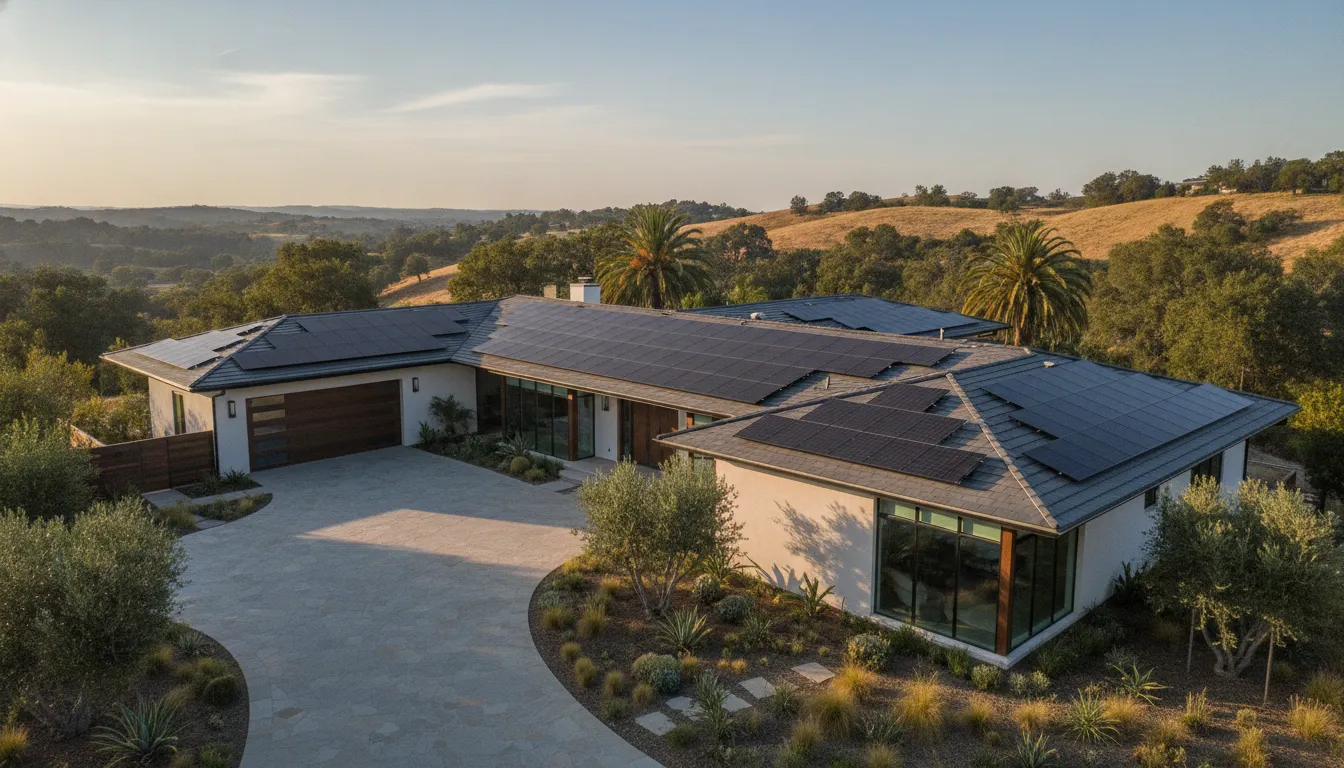
A solar array can serve your home for decades, but it can only perform well when the roof beneath it is ready. Many California homeowners should replace roof before solar panels when an inspection finds leaks, damaged decking, widespread material failure, or limited remaining life. A newer roof in sound condition may need only targeted repairs. The right choice starts with an assessment that connects the roof's condition to the proposed solar design.
Get a project-specific roof and solar estimate from AMECO Solar & Roofing.
Making this decision before installation can prevent avoidable panel removal later. It also gives the roofing and solar teams time to coordinate mounting locations, flashing, drainage, and future access. This guide walks through the signs to evaluate, the tradeoffs for common roof materials, and the questions to ask before signing a solar contract.
Should you replace roof before solar panels?
You should seriously consider roof replacement before solar when an inspection finds active leaks, moisture-damaged decking. You should also consider replacement when there is broad material failure or the roof is unlikely to remain serviceable for much of the solar system's life. Installing an array over a failing roof does not solve the underlying problem. It can make the eventual roofing work more involved because the solar equipment may need to be safely removed and reinstalled.
Age alone does not decide the issue. Installation quality, material, ventilation, weather exposure, past repairs, and maintenance all affect roof condition. Two roofs installed in the same year can have very different needs. A documented roof assessment is more useful than relying on a general age rule.
When replacement is usually practical
- There are active leaks, recurring water stains, or moisture damage.
- Shingles, tiles, seams, or flashing show widespread failure rather than one isolated defect.
- Decking has deterioration, movement, or areas that cannot support the planned work.
- The roof has several patched areas and the original problem keeps returning.
- The remaining useful life appears short compared with the planned solar project.
When repairs may be enough
A sound roof with isolated defects may need only targeted repairs. A roofer may replace damaged materials, correct flashing, and prepare mounting areas before the solar crew begins. The recommendation should identify what was inspected, what needs attention, and why repair is suitable. Ask how repaired areas will interact with attachment points and whether any sections beneath the planned array need special preparation.
How to assess your roof before going solar
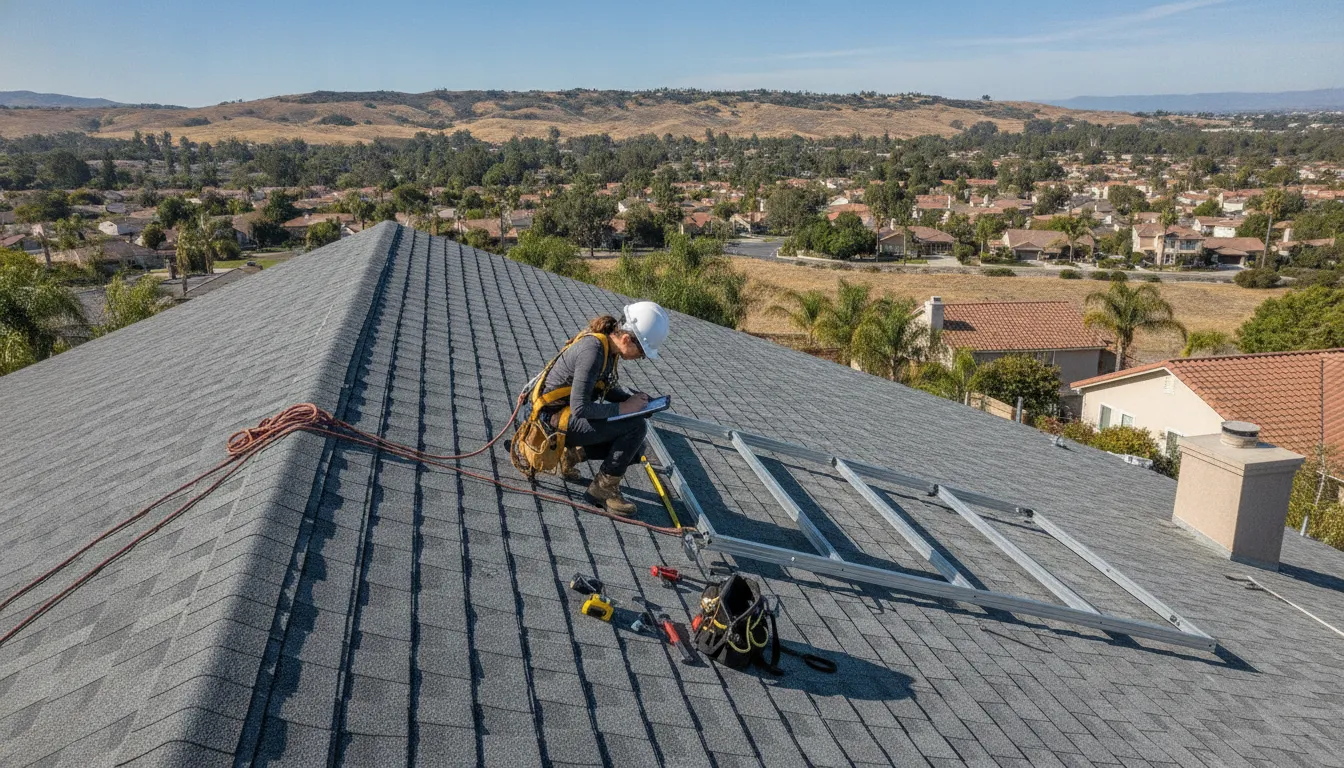
A useful assessment goes beyond a quick view from the ground. It connects the roof's present condition with the places where the array, conduits, and electrical equipment may be installed. Ask for findings in writing so you can compare recommendations from different contractors.
- Review the roof history. Gather installation records, repair invoices, leak history, and any warranty documents.
- Inspect the exterior. Review materials, flashing, drainage, edges, penetrations, and areas exposed to concentrated wear.
- Inspect accessible interior areas. Look for staining, moisture, daylight, damaged decking, and ventilation concerns.
- Map the solar layout. Identify how attachments and pathways interact with valleys, vents, drains, and other roof features.
- Compare options. Ask for a clear explanation of repair, partial work, and full replacement recommendations.
Warning signs homeowners can notice
Water stains, missing materials, cracked tiles, lifted edges, excessive granule buildup, sagging areas, and repeated repairs deserve attention. These signs do not automatically mean full replacement is required. They do mean the roof should be assessed before solar equipment is attached. Interior staining can also indicate a flashing or ventilation issue that is not obvious from outside.
Why decking and flashing matter
The visible roof covering is only one part of the assembly. Decking provides a base for attachments, while flashing directs water away from vulnerable transitions and penetrations. Problems in either area can change the scope. Some conditions only become fully visible after roof materials are removed, so the proposal should explain how unexpected findings will be handled.
Ask for a written recommendation
A good recommendation should distinguish observed facts from assumptions. It should explain the areas inspected, any access limitations, the repairs or replacement proposed, and how that work supports solar installation. It should also clarify whether the quoted scope changes if concealed damage is found. This creates a practical record for making the decision rather than relying on a verbal opinion.
How roof materials affect solar installation
Roofing material shapes the mounting approach, labor needs, and repair strategy. An experienced integrated contractor can plan around the specific assembly instead of applying one method to every home. AMECO's roofing services include work with common California residential and low-slope roof types. Homeowners who want to preview possible exterior changes can also use AMECO's 3D home visualizer before discussing the final scope.
| Roof type | Solar planning focus | Questions to ask |
|---|---|---|
| Asphalt shingles | Shingle condition, flashing, and attachment locations | Are brittle or worn areas present beneath the planned array? |
| Concrete or clay tile | Tile condition, access, replacement pieces, and compatible mounting | How will broken or displaced tiles be handled? |
| Metal roofing | Panel profile, seams, coatings, and approved attachment method | Can the mounting method work with this exact roof system? |
| Flat or low-slope roofing | Membrane condition, drainage, load, and equipment placement | How will the design protect drainage and the membrane? |
Asphalt shingles
Asphalt shingles are common and often straightforward for solar mounting when they are in sound condition. The roofer should look for brittleness, curling, missing granules, damaged flashing, and past patchwork. If only one small area is worn, a repair may be reasonable. If the planned array would cover broad areas with widespread wear, replacement may be the more practical long-term choice.
Tile roofs
Tile can be durable, but individual pieces can crack during access or because of prior damage. The project team should define how it will identify, replace, and work around damaged tiles. It should also explain the mounting method planned for the specific tile assembly. Replacement tiles and safe access procedures should be planned before work starts.
Low-slope and metal roofs
On low-slope roofs, array placement must account for drainage paths and service access. Equipment should not create avoidable water collection or make routine roof work unnecessarily difficult. Metal roof planning depends on the panel profile, seam type, condition, and coating. In both cases, the exact mounting approach should match the roof system rather than a generic detail.
What happens if you replace the roof after solar?
Reroofing a home with an existing solar array is possible, but it normally adds coordination. The solar equipment may need to be made safe, removed or repositioned, stored, and reinstalled after roofing work. The exact process depends on the system, roof, access, and contractor responsibilities.
Panel removal and reinstallation add steps
Removing and reinstalling panels can add labor, scheduling needs, inspections, and a temporary interruption in solar production. The crew also needs a safe plan for protecting equipment while roofing work proceeds. Final cost and timing vary by array size, roof conditions, equipment, access, and local requirements. A project-specific estimate is the reliable way to understand those factors.
More handoffs create more questions
Homeowners need to know who will disconnect equipment, protect components, coordinate inspections, and confirm the system operates after reinstallation. They should also clarify responsibility if roof or solar issues appear later. Written scopes make these responsibilities easier to understand. When separate roofing and solar contractors are involved, ask who owns the schedule and how the teams will communicate.
Design for future service access
Even a new roof will eventually need inspection and maintenance. A thoughtful layout provides reasonable access to important roof features and solar components. Discussing service access during design can make future work safer and simpler. The U.S. Department of Energy's solar planning guidance also encourages homeowners to evaluate roof condition before installing a home solar system.
Why coordinate roofing and solar with one contractor?
Using one integrated roofing and solar contractor can reduce handoffs between separate teams. It allows one company to assess the roof, plan the array, sequence the work, and explain how the scopes interact. That coordination is especially valuable when roof work is needed before installation.
AMECO Solar & Roofing has served California since 1974 and provides both solar installation and roofing services. Its integrated project approach helps homeowners understand how the roof assessment, solar design, installation, and support fit together. Homeowners can discuss the roof and energy project together rather than trying to reconcile separate recommendations.
A shared assessment supports a compatible design
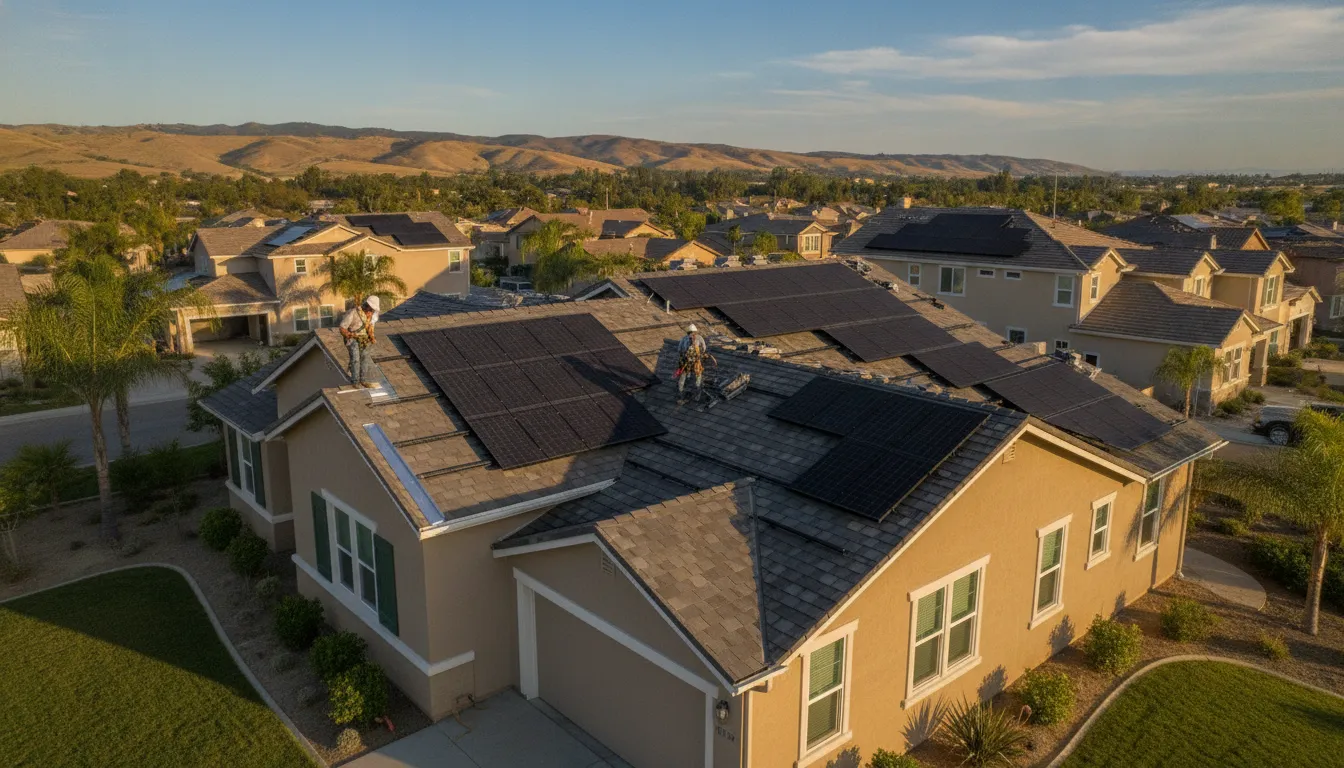
When roofing and solar planning happen together, attachment zones and equipment pathways can be considered before reroofing begins. The teams can discuss flashing, material compatibility, drainage, and future access. This helps the homeowner understand one complete project rather than two disconnected scopes.
Sequencing becomes clearer
An integrated plan defines which work happens first and what each phase needs from the next. It can reduce uncertainty about who answers questions when field conditions change. Homeowners should still request a detailed written scope and review warranty terms. Coordination does not replace due diligence, but it can make responsibilities easier to follow.
Questions to ask an integrated contractor
- Who performs and documents the roof assessment?
- How does the roof recommendation affect the solar layout?
- Who is responsible for penetrations, flashing, and repairs?
- How are unexpected decking or material conditions handled?
- What inspections and approvals are included?
Talk with AMECO about coordinating your roof and solar project.
California planning considerations for roof and solar
California homes face varied conditions. Coastal moisture, inland heat, wind exposure, shade, wildfire considerations, and local building requirements can influence a project. Utility territory and permitting processes also vary. A recommendation suitable for one property may not fit another.
Heat, sun, and local exposure
Strong sun exposure is useful for solar production, but heat and ultraviolet exposure can affect roofing materials over time. Coastal air, nearby trees, debris, and wind may create different wear patterns. An assessment should consider the roof's actual condition rather than assumptions based only on age. Ventilation and assembly details can matter too.
Permits and utility coordination
Solar projects generally involve local requirements and utility coordination. Roofing scope can affect project documents and sequencing. Ask who will manage each step and what information may be needed from you. Avoid relying on a universal timeline because requirements and review periods differ by location and project.
Energy goals should guide the design
The roof decision is one part of a broader energy plan. Current electricity use, future loads, available roof area, shade, and budget all influence design. If outage protection is important, review battery backup options at the same planning stage. That helps the contractor design the roof, array, electrical work, and storage around one set of goals.
Questions to ask before signing a solar contract
A clear proposal should explain the present roof condition and how the project addresses it. Before signing, ask direct questions and request written answers for anything that affects scope, responsibility, or future service.
Questions about the roof
- What roof areas were inspected, and what limitations affected the inspection?
- What defects were found, and which require action before solar?
- Why is repair or replacement recommended?
- How will existing penetrations, flashing, and drainage be handled?
- What happens if concealed deck damage is discovered?
Questions about the solar installation
- What mounting method is planned for this roofing material?
- How will attachment points be protected?
- Does the layout preserve practical roof access?
- Who verifies system operation after installation?
- How will roof work affect the solar project scope?
Questions about future work and estimates
- What happens if the roof needs service after solar is installed?
- Who can remove and reinstall panels if future roofing work is required?
- How could that work affect warranties?
- Which costs and responsibilities are included in writing?
These questions help you compare proposals on more than price. They reveal whether the roof and solar designs were genuinely coordinated around your property. Use AMECO's solar and roof cost calculator for an initial ballpark, then request a property-specific assessment before making a final decision.
Frequently asked questions
Can solar panels be installed on an older roof?
Sometimes. Age alone is not decisive. A qualified assessment should confirm the roof's condition, remaining useful life, suitability, and compatibility with the planned mounting system. If defects are isolated and the broader roof is sound, repairs may be enough. Widespread failure or limited remaining life can make replacement more practical.
Can a roof be replaced without removing solar panels?
Roofing beneath an array usually requires affected solar equipment to be removed or repositioned. The exact approach depends on the layout and roofing scope. Ask for a written plan that assigns responsibility for removal, equipment protection, reinstallation, inspections, and system testing.
Will solar panels cause roof leaks?
A properly designed and installed system should use methods intended to protect the roof. Leak risk depends on roof condition, mounting details, flashing, workmanship, and maintenance. Confirm who is responsible for attachment points and related repairs before work starts.
How much remaining roof life is needed before solar?
There is no universal remaining-life threshold for every home. Roofing material, condition, climate exposure, installation quality, project goals, and the proposed array all matter. An inspection can support a property-specific recommendation and explain whether repair or replacement is appropriate.
Is it cheaper to replace the roof before solar?
Coordinating both scopes may avoid a later panel removal and reinstallation project. However, final costs depend on the property, roof, solar system, access, materials, and scope. Request a detailed estimate for your home rather than relying on a universal price claim.
Get a coordinated roof and solar estimate
The best time to resolve roof questions is before solar installation begins. AMECO Solar & Roofing can evaluate your California property, explain practical options, and prepare a project-specific estimate for coordinated roofing and solar work. Final recommendations, costs, savings, and timing depend on your property, roof, equipment, energy use, utility territory, and project scope.
Contact AMECO Solar & Roofing to schedule your project assessment.


.svg)
