


Breaking Down Solar Panel Home Installation Cost
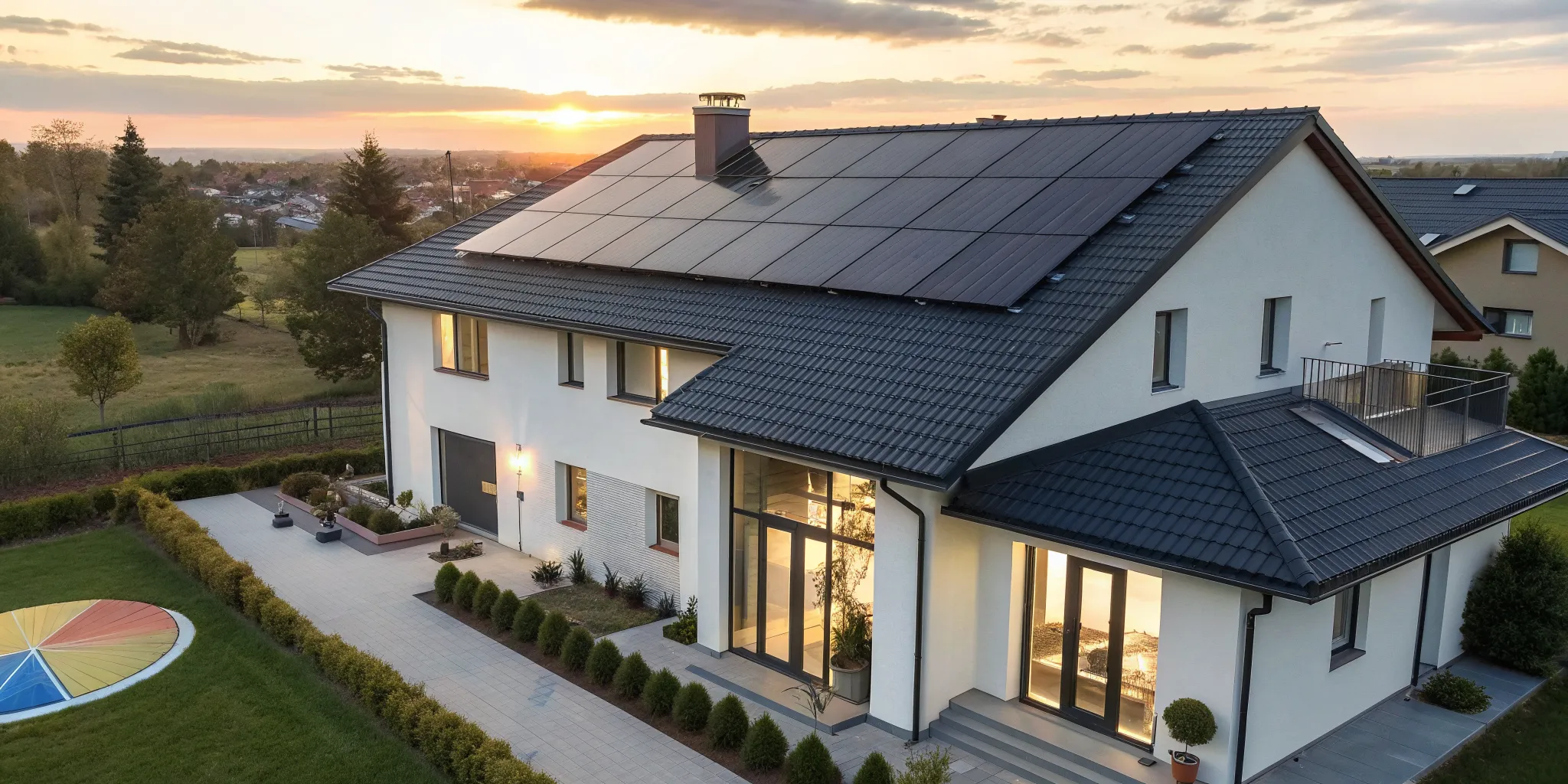
A home upgrade should be a smart investment, not just an expense. While a new kitchen is beautiful, solar panels are an improvement that actively pays you back every month. But before you can see the savings, you need to understand the initial solar panel home installation cost. It’s about more than just a number on a quote; it’s about seeing the long-term financial returns, from lower utility bills to a higher property value. This guide will break down all the costs, explore financing options that make it accessible, and show you how powerful incentives can significantly lower your final price, turning your home into a clean energy asset.
Key Takeaways
- Solar costs are tailored to your home: The final price depends on your specific electricity needs, your roof's design, and the equipment you select, not just the size of your house.
- Look beyond the initial quote for the real price: Financial incentives like the 30% federal tax credit dramatically lower your final cost, so the first number you see is rarely what you will actually pay.
- View solar as a long-term investment, not an expense: Your system is designed to pay for itself through years of electricity savings, eventually generating free power and increasing your home's resale value.
How Much Do Solar Panels Cost for a Home?
Let’s get right to it, because this is the number one question on every homeowner's mind: what’s the price tag for going solar? The honest answer is that it varies. Think of it like a kitchen remodel; the final cost depends on the size of your space, the appliances you choose, and your specific goals. A solar panel system is a custom solution designed for your home’s unique energy needs, roof, and location. It's not an off-the-shelf product with a single price tag.
While there isn’t a single fixed price, we can definitely break down the typical costs and the factors that influence them. Understanding these numbers will help you see how a solar installation is a smart, long-term investment in your home’s value and your energy independence. It’s about finding the right fit for your family and your budget. Below, we’ll look at average system prices and introduce a simple way to compare quotes so you can feel confident in your decision to switch to clean energy.
Breaking Down Price by System Size
On average, a home solar system costs around $19,873 before any incentives are applied. However, that’s just a starting point. Depending on your energy usage and home size, the price can range anywhere from $12,600 to over $33,000. The good news is that you likely won’t pay that full amount. The 30% federal solar tax credit is a huge help, bringing the final cost for many homeowners down to a more manageable range of $12,600 to $21,000. To get a clearer picture of what a system for your specific home might cost, you can use a solar estimate calculator for a personalized projection based on your address and average utility bill.
Understanding "Cost Per Watt"
When you start getting quotes, you’ll hear the term "cost per watt." This is the best way to compare different offers fairly, like looking at the price per square foot when buying a house. The national average cost per watt is about $2.84, with most systems falling between $2.50 and $3.50 per watt. This figure includes everything: the panels, hardware, labor, and permits. Aiming for a price closer to $2.00 per watt is a great goal. By focusing on this number, you can accurately assess the value of different solar solutions and ensure you’re getting a competitive price for your investment, no matter the total system size.
What Factors Change the Price of Solar Panels?
When you start looking into solar, you’ll quickly realize there’s no single sticker price. The cost of a home solar installation is tailored to you, your home, and your energy goals. Think of it less like buying a product off the shelf and more like a custom home upgrade. Several key factors come together to create your final quote, from the amount of power you use to the type of roof over your head. Understanding these variables will help you see exactly what you’re paying for and why it’s a personalized investment in your home’s energy future.
Your Home's Size and Energy Use
It’s a common assumption that the size of your house is the biggest factor in determining your solar system's cost, but it’s actually all about your electricity consumption. Your monthly energy usage, measured in kilowatt-hours (kWh), is what really dictates how many panels you’ll need. Two homes with the exact same square footage can have wildly different energy profiles. One family might have an electric vehicle, a pool, and run the AC frequently, while their neighbors use less power. The first home will need a larger system to offset its higher energy use, which in turn affects the total price. You can get a clearer picture by using an estimate calculator to see how your specific usage translates to system size.
The Condition and Complexity of Your Roof
Your roof is the foundation for your solar panel system, so its condition and design play a huge role in the installation cost. A simple, south-facing roof with a gentle slope is the ideal scenario for a straightforward installation. However, factors like steep pitches, multiple levels, or obstructions like skylights and vents can add complexity and labor time, which influences the price. The age and condition of your roof are also critical. If it needs repairs or a replacement soon, it’s best to handle that before the panels go on. Combining roofing solutions with a solar installation can be a smart, cost-effective move in the long run, ensuring your entire system is built on a solid foundation.
Your Location and Local Rates
Even within California, where you live can affect the final cost of going solar. Each city and county has its own set of rules for permitting and inspections. While California has made efforts to streamline this process, these local requirements can still account for a portion of your total project cost. An experienced local installer will be familiar with the specific regulations in your area, ensuring the process goes smoothly without any surprise fees or delays. This local expertise is key to getting an accurate quote that includes all the necessary steps to get your system approved and connected to the grid. It saves you time and potential headaches down the road.
The Quality of Your Equipment
The hardware you choose, from the panels themselves to the inverters, makes a significant difference in both upfront cost and long-term performance. A helpful way to compare quotes is to look at the "cost per watt." While the average in the U.S. is around $2.84 per watt, prices can vary. A lower cost per watt might seem like a great deal, but it could mean you’re getting less efficient or lower-quality equipment. Higher-efficiency panels might cost more initially, but they generate more power over their lifespan, giving you a better return on your investment. Discussing your options for solar solutions with a professional will help you find the right balance between price and quality for your home.
What's Included in the Total Cost?
When you get a solar quote, you're looking at more than just the price of the panels. The total cost is a package deal that covers everything needed to get your system up and running safely and efficiently. Think of it like building a house; you're not just paying for the lumber, but for the architects, the construction crew, and all the permits. Understanding each piece of the puzzle helps you see the full value of your investment. Let's break down what's typically included in a comprehensive solar installation quote.
The Price of Panels and Hardware
This is the part most people think of first. The cost of the solar panels themselves, along with essential hardware like inverters (which convert solar energy into usable electricity for your home) and mounting equipment, makes up a significant portion of your total investment. For a typical home system, the equipment can be a major line item. The quality and type of panels you choose will also play a role here. High-efficiency panels might cost more upfront, but they can generate more power, giving you a better return over time. Our team can walk you through the best solar solutions for your specific energy needs and budget.
Labor and Installation Fees
You’re not just buying equipment; you’re investing in the expertise to have it installed correctly. Labor and installation fees can account for over half of your project's total cost. This covers the team of skilled professionals who will design your system, secure the panels to your roof, and handle all the electrical wiring. This isn't a DIY project. Proper installation is critical for the safety, efficiency, and longevity of your solar panel system. Paying for experienced, certified installers ensures your system performs optimally for decades and that your home's integrity is protected throughout the process. This is a core part of our approach to every project.
Permits, Inspections, and Grid Connection
Before a single panel goes on your roof, there's a bit of administrative work to handle. These "soft costs" include securing permits from your local city or county, arranging for inspections, and managing the interconnection agreement with your utility company. In California, these steps can make up 10% to 15% of the total project cost. While it sounds complicated, a seasoned solar installer handles all of this for you. We manage the paperwork and coordination so you don't have to, ensuring your project meets all local regulations and is properly connected to the grid. You can start exploring potential costs with our estimate calculator.
Potential Roof or Electrical Work
Sometimes, a home needs a few updates to be ready for solar. Your roof needs to be in good shape to support the panels for the next 25-plus years. If it's nearing the end of its life, it’s much more cost-effective to handle repairs or a replacement before the installation. Similarly, your home's electrical panel might need an upgrade to handle the new energy source, which can cost between $1,500 and $4,000. A thorough initial consultation should identify these needs upfront, so there are no surprises. Since we specialize in both solar and roofing solutions, we can provide a seamless plan that addresses both, ensuring your home is fully prepared for its clean energy upgrade.
How Can You Pay for Solar Panels?
The price tag for a full solar installation can feel intimidating, but the good news is you don't have to pay for it all at once. Many homeowners use financing to make the switch to solar more manageable. Think of it like buying a car; you have several paths to get the keys. These options are designed to get you started with solar energy without a huge upfront investment, so you can begin saving on your electricity bills sooner. Let's walk through the most common ways to pay for your new solar panel system.
Solar Loans
One of the most popular routes is getting a solar loan. This works just like any other home improvement loan: you borrow the money to cover the installation cost and pay it back over time with interest. The great thing about solar loans is that you own your system from day one. This means you’re the one who gets to claim valuable incentives like the federal solar tax credit. Many lenders even offer $0-down options, allowing you to start your solar project and begin saving money right away without paying anything upfront. It’s a straightforward way to invest in your home’s value and energy independence.
Solar Leases
If you’d rather not own the system, a solar lease is another great choice. With a solar lease, a solar company installs panels on your roof, and you pay a fixed monthly fee to use the electricity they generate. You don't own the equipment, so the solar company is responsible for all the maintenance and repairs. This is an excellent option for anyone who wants the immediate benefit of lower energy bills without the responsibility of ownership or the upfront purchase cost. It’s a hassle-free way to go green and save money each month.
Power Purchase Agreements (PPAs)
A Power Purchase Agreement, or PPA, is similar to a lease but with a slight twist. Instead of paying a flat monthly fee to rent the equipment, you agree to buy the power your system generates at a set price per kilowatt-hour. This rate is typically lower than what your local utility charges, so you save money from the start. Just like with a lease, the solar company owns and maintains the system on your roof. A PPA is perfect for homeowners who want predictable energy costs and the benefits of solar power without having to purchase the panels themselves.
Paying with Cash vs. Financing
So, what’s the best path for you? Paying with cash upfront will give you the biggest long-term savings because you won't have any loan interest to pay. You’ll own the system outright and see the highest return on your investment over the life of the panels. However, not everyone has that kind of cash on hand. That’s where financing options like loans, leases, and PPAs come in. They make solar accessible to more homeowners by removing the barrier of the initial cost. The right choice really depends on your personal financial situation and your long-term goals.
How Rebates and Incentives Lower Your Cost
The initial price tag for a solar installation is rarely what you actually end up paying. Think of it more like a starting point. A variety of government programs and utility policies are in place specifically to make switching to solar more affordable for homeowners like you. These financial perks come in a few different forms, including direct tax credits that lower what you owe the IRS, state and local rebates that cut the cost down further, and billing programs that pay you for the extra energy you produce. Understanding how these incentives work together is key to seeing the true, much lower cost of your solar investment.
The Federal Solar Tax Credit
The most impactful incentive available to homeowners across the country is the federal solar tax credit. This isn't a simple discount; it's a dollar-for-dollar credit that reduces the amount of federal income tax you owe. Currently, you can claim a credit for 30% of your total system cost. This includes the panels, all the necessary hardware, and the full cost of installation. Even better, if you decide to include a battery backup system with your installation, its cost is also covered by the credit. For many homeowners, this single incentive can slash the net cost of going solar by nearly a third, making it a powerful tool for making your project more affordable.
California-Specific Rebates and Programs
On top of the federal credit, California offers its own set of programs to encourage the switch to clean energy. While specific rebates can vary depending on your utility provider and location, they all work toward the same goal: lowering your initial investment. Thanks to these combined incentives, the payback period for solar panels in California can be as short as eight years. This is especially true given the state's high electricity costs, which makes the savings from solar even more significant. Navigating these local programs can feel complex, but a knowledgeable installer can guide you through every available option as part of our approach to ensure you don’t leave any money on the table.
Net Metering and Utility Credits
Net metering is a billing system that lets you earn credits for the extra electricity your solar panels generate. On a sunny afternoon, your system might produce more power than your home is using. That surplus energy doesn't go to waste; it’s sent back to the utility grid, and you get a credit on your bill in return. Later, at night or on a cloudy day when your panels aren't producing, you can draw power from the grid and use those credits to offset the cost. While California's net metering rules have changed, the program still provides value by lowering your overall electricity bill. Pairing your system with a battery backup makes this even more effective, allowing you to store your own excess energy.
How Much Money Can You Actually Save with Solar?
Talking about the cost of solar panels is one thing, but let's get to the part you’re really curious about: the savings. Installing a solar system is one of the smartest financial decisions a homeowner can make. It's not just about reducing your carbon footprint; it's a powerful investment that pays you back over time, often in ways you might not expect. The returns aren't a single lump sum, they come in different forms, starting from the very first month and continuing for decades. This is how you take control of your energy future and protect your family from unpredictable utility rate hikes that can strain any budget.
From shrinking your monthly utility bills and giving you more breathing room, to building long-term wealth through massive energy savings and an increase in your home's market value, the financial benefits are tangible and significant. It’s a powerful way to invest in your property while securing a more stable financial future. So, instead of just paying a utility company every month, you're putting that money back into your own pocket and your home's equity. Let's break down exactly how much you can expect to save when you make the switch.
Your Monthly Bill Savings
The most immediate financial perk you'll notice is the drop in your monthly electricity bill. For many homeowners, this is the first taste of solar freedom. While the exact amount varies depending on your energy consumption and the size of your system, many people see their bills shrink significantly, with some saving 75% or more. On average, homeowners can expect to save around $30 to $50 every month. Imagine what you could do with that extra cash. To get a clearer picture of what your personal savings could look like, you can use an estimate calculator to input your details and see the numbers for yourself.
Long-Term Financial Returns
While monthly savings are great, the long-term financial picture is even more impressive. Think of your solar panels as an investment that matures over time. Over a 25-year lifespan, the average homeowner can save between $41,000 and $62,000 on electricity costs. Most solar panel systems pay for themselves in about 10 years. After that break-even point, all the energy your panels produce is essentially free. This is where the real return on investment kicks in, providing you with decades of clean energy and financial stability. Our high-quality solar solutions are designed to maximize this long-term value for your family.
The Impact on Your Home's Value
Unlike a kitchen remodel or a new swimming pool, solar panels are a home improvement that actively pays you back and adds measurable value to your property. Studies have shown that homes with solar panels sell for more than those without them. Why? Because a home with its own power source and lower utility bills is incredibly attractive to potential buyers. It’s an upgrade that signals efficiency, sustainability, and forward-thinking. When you work with a trusted installer, you ensure the job is done right, making your home an even more valuable asset. You can learn more about our approach to see how we guarantee a seamless, professional installation.
When Do Solar Panels Pay for Themselves?
One of the first questions every homeowner asks is, "When will my solar panels actually pay for themselves?" It’s a great question, and the answer is often sooner than you think. This concept is known as the solar payback period, which is the time it takes for your system’s savings on electricity bills to equal its original cost. Think of it as your investment's breakeven point. Once you hit that milestone, all the energy your panels produce is pure savings, which can add up to tens of thousands of dollars over the system's 25-plus-year lifespan.
While the exact timeline varies, most homeowners find their investment pays for itself within 5 to 15 years. In a state like California, with high utility rates, that timeline is often on the shorter end of the spectrum. Understanding your payback period is key to seeing solar panels not as an expense, but as a long-term investment in your home and financial future. After this point, you're essentially generating free electricity, protecting yourself from rising energy costs for decades to come. Let's look at how to figure out your personal timeline and what factors come into play.
Calculating Your Payback Period
On average, it takes about 10 years for solar panels to pay for themselves through lower electricity bills. After that, you could see lifetime savings between $37,000 and $154,000 over the system's typical 25-year lifespan. To get a rough idea of your own payback period, you can use a simple formula: divide the total cost of your system by your estimated annual savings on electricity. Of course, this is just a starting point. For a more personalized number, you can use an estimate calculator to input details about your home and energy usage. This will give you a much clearer picture of your potential return on investment.
Factors That Influence Your Return on Investment
Your payback period isn't a fixed number; several key things can influence it. Here in California, our high electricity rates actually work in your favor, often shortening the payback period to just 7-10 years thanks to comprehensive state incentives. The size and efficiency of your system also matter. A larger system costs more upfront but generates more power, leading to bigger savings. Finally, the condition and characteristics of your roof, like its slope and direction, can affect installation costs and how much sunlight your panels capture. That's why a professional assessment of your home's unique solar and roofing needs is so important for an accurate forecast.
Common Myths About the Cost of Solar
When it comes to solar energy, the conversation often turns to cost. It’s a big investment, and it’s easy to get tangled up in rumors and outdated information. You’ve probably heard a few things that made you pause, like the idea that you need a mountain of cash upfront or that you’ll be spending a fortune on upkeep. These ideas can be discouraging, but many of them are just myths that don't reflect the reality of going solar today. The solar industry has changed so much over the years, and what might have been a concern a decade ago often isn't an issue anymore.
Let's clear the air and look at what’s really going on with solar costs. Technology has advanced, financing has become more flexible, and incentives have made solar more affordable than ever. Understanding the facts can help you see the real financial picture and decide if solar is the right move for your residential property. We’ll walk through some of the most common misconceptions one by one, from the initial price tag to long-term maintenance, so you can feel confident in your knowledge and make a decision that works for you and your family.
The "Huge Upfront Cost" Myth
One of the biggest hurdles for many homeowners is the belief that you have to pay for a solar system all at once. While the total price can seem high, you don't have to write a massive check at the time of installation. Think of it like buying a car; very few people pay the full sticker price in cash. There are many financing options available that make going solar much more accessible. Solar loans, for example, allow you to spread the cost over time, often with monthly payments that are less than your current utility bill. Our personalized consultations can help you find a payment plan that fits your budget.
The "Your Bill Will Be $0" Myth
Wouldn't it be amazing to never see an electricity bill again? While solar panels can drastically reduce your energy costs, they may not completely eliminate them. Most solar homes stay connected to the utility grid for power at night or on cloudy days. Because of this connection, you’ll likely still have a small monthly service fee from your utility company. However, you can get much closer to a zero-dollar bill by adding a battery backup system. A battery stores the excess solar energy you generate during the day, so you can use it whenever you need it instead of pulling from the grid.
The "Expensive Maintenance" Myth
Another common worry is that solar panels require constant and costly upkeep. The truth is, modern solar panels are incredibly durable and designed to be low-maintenance. They have no moving parts and are built to withstand harsh weather for decades. Most of the time, rain is enough to keep them clean and working efficiently. Plus, quality solar solutions come with long-term warranties, often covering performance for 25 years or more. This means you can rest easy knowing your investment is protected without budgeting for frequent repairs.
How to Get an Accurate Solar Quote
Once you’ve done your initial research, the next step is to get a personalized quote. This is the only way to find out exactly what a solar panel system will cost for your specific home. A quote isn't just a price tag; it's a detailed proposal that outlines the system size, equipment, and total costs tailored to your energy needs and property. Think of it as your custom roadmap to going solar. The process involves a consultation, asking the right questions, and comparing your options to find the best fit.
What to Expect During a Consultation
A solar consultation is a straightforward conversation with an expert to see what’s possible for your home. To get the most out of it, have your recent electricity bills handy. This helps the consultant understand your energy usage so they can recommend the right size system. During the visit, they’ll assess your roof’s condition, size, and sun exposure, and they’ll also check your electrical panel to see if it needs any updates. This is a collaborative process, so feel free to share your goals, whether it's lowering your monthly bill or adding a battery backup for power outages. A good consultation should leave you with a clear understanding of our approach and what a solar installation would look like for you.
Smart Questions to Ask Installers
When you meet with installers, having a list of questions ready will help you gather all the information you need to make a confident decision. Beyond the total price, it’s important to understand the details. A great question to start with is, "What costs are not included in this quote?" Sometimes, essential work like electrical panel upgrades or roofing solutions are quoted separately. Also, ask about the specific brands of panels and inverters they plan to use, and what warranties come with the equipment and the installation labor. Finally, ask about their experience, licensing, and the estimated timeline for the project from start to finish.
How to Compare Different Estimates
To make sure you’re getting a fair price and a quality system, plan on getting at least three quotes from different licensed installers. When you have the estimates in hand, don’t just look at the bottom-line price. Compare the proposed system size (in kilowatts), the quality of the equipment, and the length and coverage of the warranties. A lower price might mean less efficient panels or a shorter workmanship warranty. The final price depends on many factors, including your location and the system you choose, so a detailed quote is key. Using an estimate calculator beforehand can give you a baseline, but comparing official quotes will give you the full picture.
Frequently Asked Questions
What if my roof is old or needs repairs? This is a great question, and it’s smart to think about it before you install anything. Your roof is the foundation for your solar system, so it needs to be in solid shape. If your roof is nearing the end of its life, it’s much more practical and cost-effective to handle any repairs or even a full replacement before the panels are installed. We can assess your roof's condition during our consultation and create a plan that addresses both your roofing and solar needs at the same time, ensuring your home is fully prepared for the upgrade.
How does the 30% federal tax credit actually work? The federal tax credit can feel a bit confusing, but it's a huge financial benefit. It's not a cash rebate or a refund; instead, it's a credit that directly reduces the amount of federal income tax you owe for the year. For example, if your system costs $20,000, your tax credit would be $6,000. If you owe $7,000 in taxes that year, you would only have to pay $1,000. It’s a dollar-for-dollar reduction of your tax liability, which makes a significant dent in the net cost of your system.
How long does the entire solar installation process take? From your first consultation to the moment your system is turned on, the process typically takes a few months. The actual on-site installation is surprisingly quick, often just a few days. The majority of the timeline is dedicated to the behind-the-scenes work, which includes designing your custom system, securing the necessary permits from your local city, and coordinating the final inspection with your utility company. An experienced installer handles all of these steps for you to ensure everything goes smoothly.
Will adding solar panels increase my property taxes? This is a common concern, but homeowners in California have a major advantage here. The state has a property tax exclusion for solar energy systems. This means that even though solar panels add significant value to your home, your property taxes will not go up as a result of the installation. It’s a fantastic incentive that allows you to improve your home and save money on energy without worrying about a higher tax bill.
Do I really need a battery backup system? While a battery isn't required, it offers some powerful benefits, especially for homeowners who want greater energy independence. A battery stores the excess solar power your panels generate during the day. You can then use that stored energy at night or during a power outage, keeping your lights on and your essentials running. It gives you more control over your power and can help you save even more money under California's current net metering rules.


.svg)
