


Solar Panels for ADU California: A Planning Guide
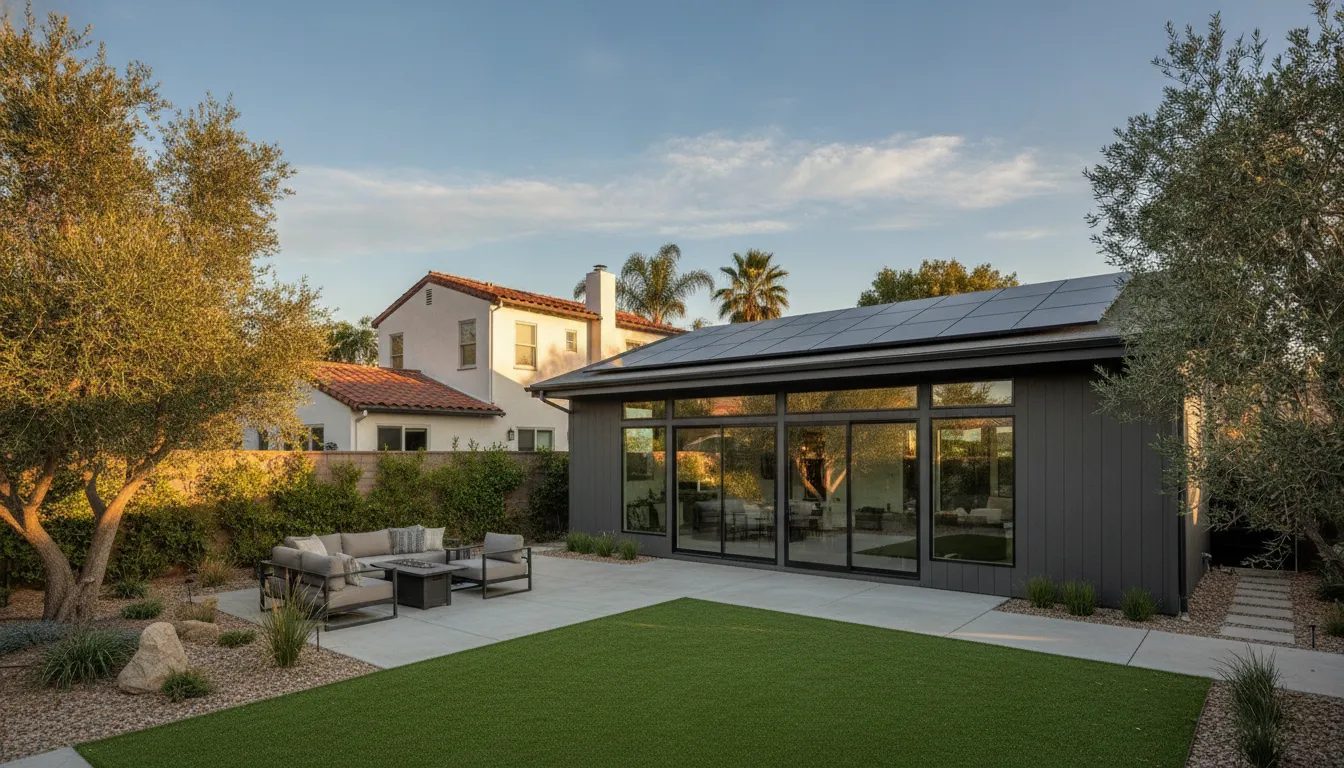
New detached accessory dwelling units in California require a solar energy system to follow state building rules. These laws lower energy use and reduce the load on the electrical grid. Selecting the right setup ensures your new unit is legal and efficient.
Plan your ADU solar project with AMECO's solar cost calculator.
Installing solar panels for ADU California projects is required for most newly built detached units under the Title 24 Energy Code. New homes need a solar system sized around the expected electrical load. The California Energy Commission explains the rules and exceptions. Many additions and conversions are exempt. Confirm your project's status with the local building department before finalizing plans.
Understanding state laws and local permits can be the hardest part of adding a small home. Start by confirming whether your project falls under the latest energy rules.
Solar Panels For Adu California: When are solar panels required for a California ADU?
California building rules now make solar energy a standard part of home building. Under the current Title 24 Energy Code, most new homes must have solar power. This rule applies to any newly built detached accessory dwelling unit (ADU). Because the state views these as new homes, they must meet the same green energy goals as any other new house.
Rules for detached units
If you build a new stand-alone ADU, you will likely need to install a solar system. The state needs a photovoltaic system for all newly built single-family homes. This includes any detached structure meant for living. Your local building office will check for solar plans before they give you a permit. You can calculate your project costs online to see how this fits your budget.
Exemptions for additions
Not every ADU project needs solar. If you change a garage or add a room to your main house, you might not need it. These additions to existing buildings do not usually fall under the new-build solar rule. This also applies to junior ADUs that stay within your home. If your space is under 500 square feet and inside the main house, you likely skip the solar need.
Checking your local rules
While state laws set the floor, local cities can have their own rules. Some small systems under 1.8 kW may not be needed in every zone. You should always check with your city building office to be sure. A pro can help you find the best path. You may want to get an estimate from an expert who knows both solar and roofing. This helps your new roof stay safe while you add clean power.
Shared service or separate meter: which design fits?
When you add solar panels for an ADU in California, you must decide how to connect to the grid. You can share the main house service or set up a new meter. Each choice changes how you pay for power and how the system works. Your final choice often depends on your long-term goals for the home. It is best to plan this early to avoid extra costs later.
How shared electrical service works
A shared service ties the ADU solar system into your main home's electrical panel. This is often the simplest path for owners who want to keep things easy. It usually costs less to set up because you do not need new power company gear. It also makes permits move faster in many California cities. You may need to upgrade your main panel if it cannot handle the new solar load.
This setup works well if family members live in the unit. You can use the extra power from the ADU solar panels to lower the bill for the whole site. But if you plan to rent the space, tracking power use becomes harder. You would have to split the bill with your tenant by hand. Some owners use sub-meters to track use without a second utility account.
Benefits of a separate utility meter
A separate meter gives the ADU its own account with the power company. This design is common for rental units where the tenant pays for their own power. It provides a clear line between the main house and the back unit. This can prevent fights about high energy bills. It also makes it easier to sell the home later if the buyer wants a clear rental income.
While it offers more control, this path adds more cost. You will need to pay for a new meter box and more wire work. The power company may also charge a fee to start a new service line. You can calculate your project costs to see if this spend makes sense for your budget. Most owners find the cost is worth it for long-term rentals.
Choosing the best fit for your project
Think about how you will use the space in five or ten years. If you want a battery backup system, a shared service might be better. It allows the battery to power both the main house and the ADU during a blackout. This helps you get the most out of your solar panels for ADU California installation. Working with a company that handles both solar and roofing ensures your roof stays safe while you add new power lines.
| Feature | Shared Service | Separate Meter |
|---|---|---|
| Setup Cost | Lower upfront costs | Higher initial spend |
| Permits | Faster and easier | More complex process |
| Billing | One combined bill | Two separate accounts |
| Rental Use | Harder to track use | Best for clear rentals |
| Outage Power | Easier to share backup | Harder to share power |
How should you size solar for an ADU?
Sizing solar panels for ADU California homes starts with a look at how you will use power. You must plan for the daily needs of the people living there. A small unit for one person uses less energy than a full guest house. A good plan helps you avoid buying too many panels or having too little power for your tools.
Plan for electrical loads
Most new ADUs in the state are all-electric. This means your heating, cooling, and water heater all run on the grid. These machines pull a lot of power. You should list every large tool in the unit to find your total load. Heat pumps are common for air and water because they save energy. Even so, they still add to your total power needs. You can Get An Estimate to see how these loads will affect your setup.
Kitchen tools also play a big role. Electric stoves and ovens need more power than gas units. If the unit has a washer and dryer, your load will go up. It is best to use high-grade machines that do not waste power. This makes it easier to meet your needs with fewer panels on the roof.
Consider future energy needs
Think about what you might add in the next few years. Many owners now want to add an EV charger for their tenants or guests. An EV charger adds a heavy load to the home's main panel. Planning for this now saves you from a costly upgrade later. You may also want to look at battery backup systems to keep the lights on during a grid outage. These systems provide energy freedom and protect your gear from power spikes.
Adding a battery also helps you use more of the power you make. In many parts of the state, utility rates go up in the evening. A battery lets you store solar power from the day to use at night. This is a smart way to lower your bills and gain peace of mind.
Follow state sizing rules
The California Energy Code sets the floor for how much solar you need. For new detached units, the state looks at your climate zone and floor size. They want the system to offset about as much power as a standard home would use. These rules ensure that every new home helps reach state green goals. You can Calculate Your Project based on these floor area rules.
Your main home's panel must be strong enough for the new load. If your panel is old, we may need to set up a new one. We also check the roof area to see how many panels will fit. AMECO can help you find the best balance between state rules and your actual power use.
Roof and site details to solve before installation
When you plan for solar panels for ADU California, you must think about the roof and site first. A good plan ensures your system works well for decades. You should check the roof size and how much sun it gets before you start to build. This helps you avoid costly changes later.
Optimal roof direction and size
The way your roof faces changes how much power your panels make. In California, south-facing roofs get the most sun throughout the day. If your ADU roof faces south, your system will be stronger. You also need enough space on the roof for the panels. The California Energy Code calls this space the Solar Access Roof Area. It includes any roof part that can support a solar system.
Shade from trees or other buildings can also lower your power output. You should check for shade at different times of the year. If a large tree blocks the sun, you might need to trim it. A clear path for the sun is key to getting the best results from your solar panels for ADU California. You can use a tool to see how much power your roof can make.
Structural health and equipment layout
Your ADU roof must be strong enough to hold the weight of the panels and the mounting gear. If you are building a new ADU, this is easy to plan for in the design. For older roofs, you should have a pro check the structural health. They will look for any signs of damage or weak spots. It is best to fix these issues before you set up any solar gear.
You also need to plan where the rest of the equipment will go. This includes the inverter and the main panel. Local rules often require specific gaps from the edges of the roof for fire safety. These rules can change the usable space on your roof. You should talk to an expert to get an estimate for your project and check local code needs.
Planning roofing and solar together
One of the best moves you can make is to plan your roof and solar at the same time. This is helpful when you build a new ADU. By doing both together, you can ensure the roof seal stays tight. This protects your roof warranty and prevents leaks. A pro who does both roofing and solar can manage the whole job from start to finish.
This combined approach also makes the work faster. The team can set up the roof mounts while they build the roof. This saves time and cuts the risk of mistakes. When you solve these details early, you set your ADU up for long-term energy success.
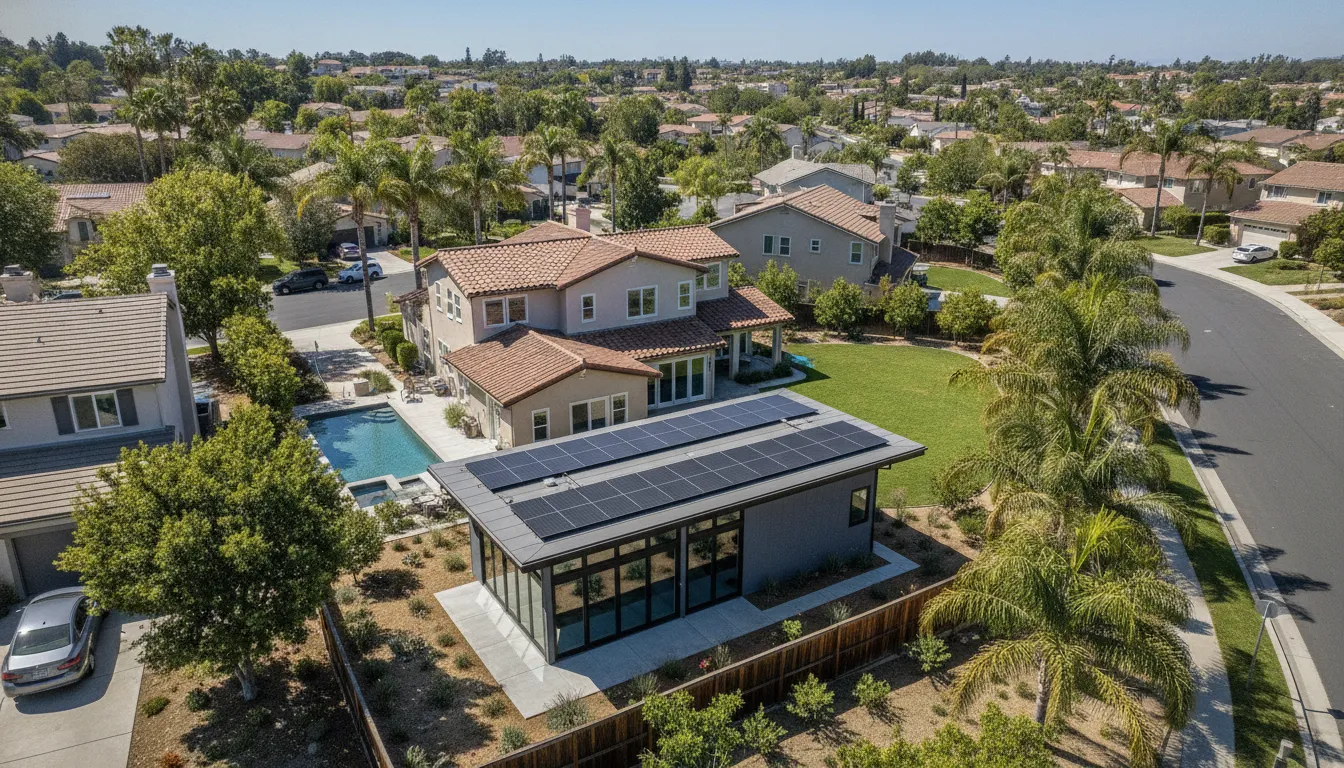
How do ADU solar permits and utility approvals work?
Adding solar panels for ADU California projects takes a few detailed steps. You must work with both your local building office and your power company. This work ensures your system follows safety codes and grid rules. Following these rules can be hard, but a clear plan helps you avoid long wait times and extra costs. Proper planning ensures that your new solar setup is safe for your family and ready to save you money on day one.
The solar approval process
Most projects follow a set path to go from a plan to making power. Each stage needs certain papers and checks. This process shows that your solar panels for ADU California meet state energy rules for new homes. City staff must review your roof support and wiring plans to ensure the roof is strong and the wires are secure. Following these steps keeps your project on track and helps you get your system turned on fast.
- Design and energy modeling. Experts create a plan that meets state energy codes. This model shows how much power the ADU will use and how much solar it needs to stay legal.
- Permit filing. Your builder sends the plans to the city or county office. Staff check for safety and power rules before they give you a permit.
- Grid link form. You must apply to link your system with your power company. They review how your new solar setup will join the local grid safely.
- Setup and check. Once you have permits, crews set up the panels and wires. A city inspector then visits your home to sign off on the work.
- Right to use power. The power company does a final check of your system and meter. They then grant the Right to Operate, which lets you turn on the system and start saving.
Working with your power company
Your power company plays a big part in how you use your solar power. They decide if you need a new meter or if you can share power with the main house. A shared link can make getting an estimate and filing permits easier for some owners. But a separate meter might give you more control over your power bills if you plan to rent out the unit. Your choice will depend on your local grid setup and your goals for the property.
Power company rules can change between cities like Los Angeles or areas in the Central Valley. Some places have faster review times than others. It is helpful to work with a team that knows local power rules and can talk to staff for you. This skill can help you plan your costs and timeline with more trust. Knowing which forms to file and when can save you weeks of waiting during the peak summer season.
You can use a solar cost calculator to see how these choices change your project. A good design will plan for both your power needs and grid rules from the start. This path helps you get the most from your costs while staying in line with state laws. Working with an expert who handles both solar and roofing ensures that your roof warranty stays safe during the entire process.
What affects the cost of solar panels for an ADU?
The total price for solar panels for an ADU California homeowners build depends on many things. Each site is unique and has its own needs. You should look at both the parts and the labor to get a full view of your budget. Planning for these costs early will help you avoid problems as you build your unit.
Key factors for system size and gear
The size of your solar array is a big part of the price. Larger systems need more panels and more time to set up. In California, the law has specific rules for system size. The California Energy Code says that new detached units must have solar to offset their planned power use. This helps you save on bills but means you must plan for the right system size from the start.
The type of gear you choose also changes the cost. High-grade panels and smart inverters often cost more up front. But they can give you more power and last longer. You might also want a battery to store power for when the sun goes down. A battery adds to the bill but helps if the grid goes out. You can use a tool to Calculate Your Project based on your specific power needs.
Grid links and panel upgrades
How your unit links to the power grid is a major cost driver. Some ADUs can share the main house panel. This is often the cheapest way to go. But some units need their own meter or a new panel. A panel upgrade can add a few thousand dollars to your total project cost. Your solar expert will check your current service to see what you need.
Trenching is another cost that people often forget. If the ADU is far from the main house, you must dig a path for wires. This work can be slow and hard, which adds to the price. Long runs of wire also cost more in parts and work time. Getting an expert view early helps you find the best path for these lines.
Permit fees and roof prep
Local cities and power firms charge fees for permits. These costs vary by where you live in California. Some places have low fees, while others cost more. Your team will handle the forms, but you still pay the fees. This is a normal part of every solar project for a new home unit.
The state of your roof also matters. If you build a new ADU, the roof will be ready for solar. But if you change an old shed or garage, you might need to fix the roof first. Working with a firm that does both solar and roofing keeps your roof warranty safe. You can Get An Estimate that covers both the roof work and the solar setup to save time and money.
A planning checklist before asking for an ADU solar quote
Getting a quote for solar panels for ADU California projects is faster when you have the right facts. A solar pro needs data to give you a fair price. Having these items ready saves time and money. It also helps you meet state laws.
Find your ADU type and size
Start by knowing the scope of your work. California law has strict rules for other types of units. Most new detached units must follow the California Energy Code. This means they must have solar power to pass state checks. Units that are built onto a home often do not have this rule. You will need to share the floor area of the unit in square feet. The size of the build helps us guess how much power you will use each day. Large units need more panels to meet your goals.
You should also have your site plans ready. These plans show where the ADU sits on your land. They help the solar team see if trees or other homes will cast a shadow on your roof. Shade can greatly lower the power your panels make. If you know about shade issues now, we can plan for them. This helps us find the best spot for panels to keep you on track.
Check your power and roof setup
Your power panel is a key part of the plan. You should decide if you want the ADU to have its own meter. A shared meter is often cheaper to set up. But a separate meter lets you track power use with ease. You also need to look at your roof plans. Clear plans show the slope and the way the roof faces. This is a good time to book a project quote to review your site. We check if your panel needs an upgrade to handle the new load.
Think about what will use power in the ADU. Will you have a heat pump or an EV charger? These high-load items change how we size the solar array. A full load list helps us build a system that won't leave you short. We also check the roof type to make sure the mounts will be safe. Using a pro who handles both roofing and solar can help keep your roof warranty in place.
Plan for your power needs
Next, think about your future power goals. Do you want to be fully green? Or do you just want to meet state rules for new builds? Many owners now choose to add a battery to their system. This keeps the lights on if the grid goes down. It also helps you use your own power when grid rates are high. Having a clear goal for power use makes the design process much smoother. You can Calculate Your Project online to see how other sizes affect your savings.
Finding info early saves time for all. It helps you get a quote that is firm and fair. You should also make a list of questions for your solar team. Ask about permit times and how they handle the grid link. Knowing the steps for permits can help you plan your build. A good pro will guide you through the rules.
- Copy of the ADU site plan and roof layout
- Load list for new items (HVAC, EV charging)
- Recent utility bill for the main house
- Choice on shared or separate power meters
- Photos of the main power panel and roof
Frequently Asked Questions
Does California require solar panels for new ADUs?
Yes, California's Title 24 Energy Code requires solar panels for all newly built detached ADUs. Because these units are new homes, they must meet the same green standards as any other house in the state. According to the California Energy Commission, these systems help offset the power the building uses. This rule ensures every new unit helps California reach its energy goals while lowering utility bills for the people living inside.
Is solar required for a garage conversion ADU?
No, solar panels are usually not needed if you convert an existing garage or add a room to your main home. The state views these as additions rather than new builds. Under Title 24 rules, the solar requirement only applies to new detached structures. If you are not building a stand-alone unit from the ground up, you likely skip this part of the code. You should check with your city building office to confirm your specific project type.
What is the minimum solar system size for a new ADU?
The state picks your solar size based on your climate zone and floor area. They want the system to cover about as much power as a standard home in that area would use. However, you do not need a system if the required size is less than 1.8 kilowatts. According to data from SnapADU, very small units can sometimes skip the solar rule if their power needs are low enough.
Can I put ADU solar panels on my main home's roof?
Yes, you can place the solar panels for your new unit on any structure on your property that gets good sun. This includes your main home, a shed, or even a carport. This space is called the Solar Access Roof Area. This plan helps if the ADU roof is too small or sits in the shade. It allows you to follow the law while getting the most power from your setup.
Should I get a battery for my ADU solar system?
A battery backup is a smart choice for most California homeowners today. It stores the solar power you make during the day to use when the sun goes down or if the grid fails. According to AMECO Solar, batteries protect you from power outages and help you save money when utility rates are high. This setup gives you more energy freedom and ensures your guests or tenants always have power, even during a storm.
Are you ready to add solar power to your ADU?
Every day you wait to put solar panels on your ADU is one more day of paying high costs for grid power. Rates in California keep going up, so acting now helps you avoid these price hikes and run into fewer permit hurdles later on. Starting today lets you take control of your energy bills and ensures your new home is ready for the future with clean energy. You can also Calculate Your Project to see your likely savings and get a better idea of your setup and costs.
Ready to get started? Get An Estimate to talk to a solar expert about your project.


.svg)
