


Solar Shingles vs Solar Panels: Which Is Right?
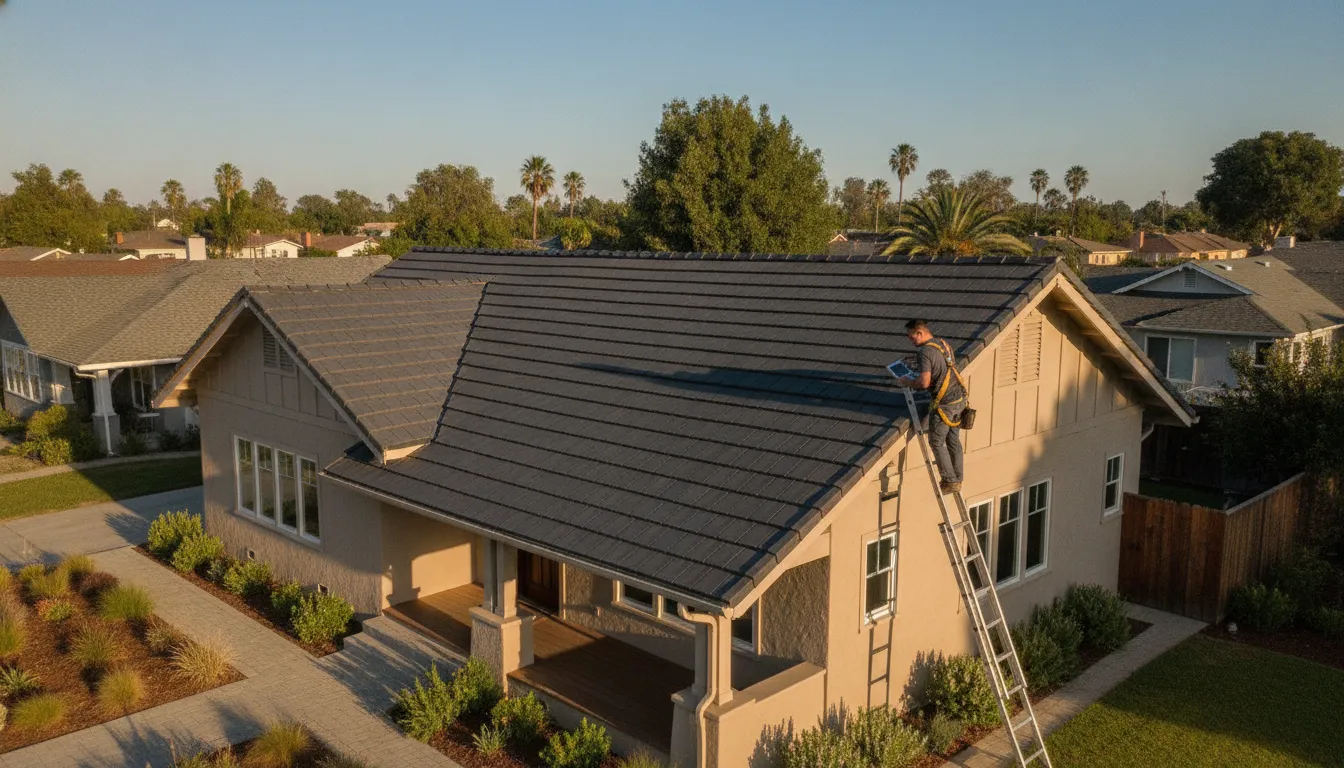
Choosing a solar roof in California is not only a question of how much electricity your home can produce. Your roof's condition, available space, appearance, budget, and plans for backup power all influence which technology makes sense.
When comparing solar shingles vs solar panels, shingles combine roofing and energy generation in one integrated surface, while panels mount above the existing roof on a racking system. Panels typically deliver more power from a given roof area and often cost less per watt. While shingles can provide a cleaner roofline and may be appealing when a roof replacement is already part of the project. The better choice depends on your home, utility territory, energy use, and design priorities.
Understanding how each system functions makes the tradeoffs easier to evaluate. The distinction starts with whether your solar equipment sits on top of the roof or becomes part of the roof itself.
What Are Solar Shingles vs Solar Panels in Plain Terms
The basic difference is where the solar technology sits and what job the roof materials perform. Solar panels are separate modules mounted above an existing roof with a racking system. Solar shingles replace some or all of the roofing material, creating a surface that both protects the home and converts sunlight into electricity. In either case, the right choice depends on the roof's condition, usable area, energy goals, budget, and California utility territory.
| Factor | Solar shingles | Solar panels |
|---|---|---|
| Efficiency | Typically lower per unit, so more roof area may be needed for the same output. | Typically higher per-panel efficiency, which can produce the same output with less roof area. |
| Cost per watt | Generally higher because the product and installation are newer and more involved. | Often lower, although the total project cost varies with the roof, equipment, labor, and utility requirements. |
| Aesthetics | Designed to blend into the roofline with a low-profile appearance. | Visible modules sit above the roof on a frame and racking system. |
| Installation complexity | Requires roofing and electrical work because the shingles become part of the roof system. | Uses a separate solar installation above the existing roof, provided the roof is suitable. |
| Expected lifespan | Both technologies have an average lifespan of approximately 20 to 25 years. | Both technologies have an average lifespan of approximately 20 to 25 years. |
| Roof coverage | Can cover a larger roof surface while functioning as the protective top layer, though only active shingles generate electricity. | Panels cover selected roof areas, while the existing roof remains the weatherproofing layer. |
These differences matter most when a California homeowner is already considering roof replacement. A panel system may be the practical path when the existing roof is sound. Solar shingles may be worth evaluating when appearance and an integrated roof-and-energy system are priorities. AMECO combines solar, roofing, battery backup, and EV charging under one roof, and is a Tesla solar roof certified installer. Explore its residential solar and roofing solutions to compare the project requirements rather than relying on a universal price or output estimate.
Sources: solar shingles and panels comparison.
Efficiency and Output: How Much Power Does Each Produce
When comparing roof-integrated solar shingles with traditional panels, efficiency is an important practical distinction. Traditional panels typically provide higher per-panel conversion efficiency than solar shingles, so they may require less usable roof area to produce a similar amount of electricity. That does not make shingles unsuitable for California homes, but it does make roof dimensions, orientation, shading, and household electricity use especially important during system design. Residential solar should be sized around the property rather than selected from a technology label alone.
How panel efficiency is measured
Photovoltaic efficiency describes the percentage of sunlight reaching a solar cell that is converted into usable electricity. The result is affected by how much light the cell reflects, how efficiently electrical charges move through the material, and how the cell performs as its temperature changes. The U.S. Department of Energy explains that untreated silicon can reflect more than 30% of incoming light, which limits the energy available for conversion. Manufacturers use cell and module design improvements to reduce losses, but no solar device converts all incoming sunlight into electricity.
This distinction helps explain why two roofs with the same number of installed units can produce different results. A panel array may use fewer roof sections to reach a design goal. While shingles can provide generation across more of the roof surface but with lower output per active area. The final comparison depends on the usable roof area and the system configuration, not on efficiency in isolation.
How California's climate affects output
California's strong sunlight can support productive solar generation, but bright conditions do not eliminate the effects of heat or reflection. As solar cells become hotter, voltage generally decreases more than current increases. Extreme temperatures can also stress cell and module materials. Roof-integrated shingles and rack-mounted panels both need a design that accounts for local conditions, including roof orientation, tilt, shade, ventilation, and seasonal weather. Their physical installation differs, so the way each system manages heat and available surface area should be evaluated for the specific roof.
In practical terms, expected output depends on the solar resource at the property and the overall size of the system array. A professional assessment should model those factors alongside the home's energy consumption. That is more reliable than assuming every California roof will produce the same amount of power or that one technology will always outperform the other.
Source: U.S. Department of Energy, solar photovoltaic performance and efficiency basics. Source: U.S. Department of Energy, planning a home solar electric system.
Cost per Watt and Long-Term Value for California Homes
Upfront cost is one of the clearest differences between solar shingles and traditional panels, but it is not the only measure of value. Solar shingles generally carry a higher cost per watt because the product and installation process are newer and more involved. They also serve as roofing material, which can change the scope of a project when a roof is due for replacement. Traditional panels may offer a lower equipment and installation cost, especially when the existing roof is in good condition. The right comparison depends on the home's roof, energy use, design goals, and utility territory rather than on a universal price.
Why cost varies by home and utility
A meaningful estimate starts with the property itself. Roof size, slope, orientation, shading, structural condition, and the amount of usable roof area all affect system design. Local utility rules, rate structures, interconnection requirements, and available incentives can also change the economics. A system designed for a home in Los Angeles may not have the same production profile or project requirements as one in Sacramento or the Central Valley.
Solar shingles can be especially difficult to compare on a simple cost-per-watt basis because part of the investment may replace a roofing project. If the roof already needs substantial work, an integrated roofing and solar solution may reduce the need to coordinate separate contractors. If the roof is relatively new, removing or replacing sound roofing solely to install shingles may make traditional panels more financially practical. Ask for an itemized proposal that separates roofing, solar generation, electrical work, permitting, and any storage equipment.
Before sizing either system, consider a home energy audit. The U.S. Department of Energy explains that an audit can identify where a home is losing energy and which efficiency improvements can reduce total electricity needs. Sealing air leaks, improving insulation, or addressing inefficient equipment may lower the amount of solar capacity needed. That can improve the long-term value of the project without assuming a particular savings figure.
Battery storage is a separate choice from the roof technology. It can help a California household maintain selected loads during an outage and use more of its own generated electricity, which may matter in areas affected by high rates or service interruptions. However, battery backup typically adds about $8,000 to $15,000 to a residential solar project's cost, depending on the system and installation requirements. Review storage capacity, backup priorities, and load management rather than treating a battery as an automatic add-on. See the battery backup options and ask how they fit the home's goals.
For a property-specific starting point, use the solar cost calculator. It can help frame the questions to bring to a professional review, but a final design and estimate still require site-specific information. Compare the expected service life, roof work, energy production, and backup goals together so the lowest initial price does not become the only factor guiding a long-term decision.
Durability, Warranty, and Installation Complexity
Durability is less about choosing a universally stronger product and more about matching the solar system to the roof, installation method, and long-term maintenance plan. Solar shingles and traditional panels have comparable average life spans of approximately 20 to 25 years. Although product warranties and coverage terms vary by manufacturer and should be reviewed before signing a contract. AMECO's roofing solutions can help homeowners evaluate the roof and solar work together rather than treating them as unrelated projects.
How the roof and installation method affect durability
Traditional panels are installed above the roof surface on a racking system. The roof remains the weatherproof layer, while the racking, flashing, and attachments must be designed and installed correctly. Solar shingles replace roofing material and become part of the roof itself, combining weather protection with electricity production. These differences matter when assessing an older roof, planning a reroof, or deciding how much of the roof should be disturbed. Solar shingles and panels use different installation approaches.
Roof type also narrows the practical choices. Composite shingle roofs may accommodate either approach, depending on roof condition and product availability. Tile roofs require careful attention to tile removal, flashing, and waterproofing. Metal roofs need compatible attachments and careful water management, while flat roofs may require an engineered racking design to establish the right orientation and tilt. A site assessment should confirm the roof's structure, age, drainage, and remaining service life before equipment is selected.
An integrated system such as Tesla Solar Roof can make sense when a homeowner wants a new roof and prefers the solar surface to blend into the roofline. It is not automatically the best fit for every home. Adding panels may be more practical when the existing roof is in good condition, the homeowner wants flexibility in system sizing, or future component replacement is a priority. The decision should account for roof geometry, energy goals, appearance, budget, and the availability of qualified installers.
Repair and replacement considerations
With panels, a problem may involve an individual module, inverter, wiring connection, or racking component. A qualified technician can often isolate and replace the affected equipment without replacing the rest of the roof. Solar shingle repairs can be more integrated because a failed shingle is also part of the weatherproof roof surface. Replacement may require a technician familiar with that specific product and its roofing details, and the pool of qualified installers may be smaller than for conventional panel systems.
That coordination issue is especially important when solar work overlaps with reroofing. AMECO provides integrated solar, roofing, battery backup, and EV charging services for residential and commercial customers across California. Having one experienced team evaluate the roof and energy system can reduce the risk of conflicting scopes, missed flashing details, or unclear responsibility after installation. Ask for the exact product warranty, workmanship coverage, maintenance expectations, and repair process for the roof and solar components separately before choosing.
How Do Solar Shingles and Panels Compare on Aesthetics, Roof Coverage, and Curb Appeal?
For many California homeowners, the appearance of the finished roof matters nearly as much as its electrical output. Solar shingles are designed to blend into the roofline. They replace some roofing materials while generating electricity, so the result can look more integrated and low profile. Traditional solar panels sit above the roof on racking and remain visibly distinct from the surrounding shingles or tiles.
That difference can influence how a home looks from the street, especially on neighborhoods with tightly spaced homes, prominent rooflines, or design expectations set by a homeowners association. An HOA may have its own review process or published rules for visible roof equipment. Requirements vary by community, so homeowners should confirm the current approval process before choosing an equipment type. A design preference alone should not outweigh whether the system can provide the needed energy for the available roof area.
Roof coverage is not the same as energy output
Solar shingles can cover portions of the roof with a unified roofing-and-generation surface, but not every shingle is necessarily an electricity-producing cell. Traditional panels generally concentrate power-producing cells into a dedicated array, which can allow more of the selected roof area to be used for generation. Panels also typically offer higher efficiency than shingles, meaning they may produce more power from a given active area.
In practice, the best layout depends on roof shape, orientation, shading, setbacks, and the amount of usable surface. A large, simple roof may accommodate a panel array without creating a visual concern. A roof with multiple planes, complex geometry, or an upcoming replacement may make an integrated shingle design more appealing. These are site-specific tradeoffs, not universal advantages for one technology.
Curb appeal and future plans
Some buyers may prefer a less visible solar installation, while others may value the established appearance and familiar service model of conventional panels. Neither choice guarantees a particular resale outcome. If you are planning a remodel, roof replacement, or future battery addition, consider how the solar equipment will fit that larger plan. Reviewing both the roof design and electrical goals with an experienced residential solar contractor can help you compare appearance, usable coverage, and long-term practicality together.
Choosing the Right System for Your California Roof in 5 Steps
Solar shingles and solar panels can both support a California home's energy goals. But the better fit depends on the roof, the household, and the priorities behind the project. Use these five steps to compare the options before requesting a design.
- Start with a home energy audit. Review how much electricity your household uses and where energy is being lost before sizing either system. The U.S. Department of Energy recommends an audit to identify efficiency improvements that may reduce total electricity needs before solar is planned. Review the Department of Energy's solar planning guidance for more context.
- Assess your roof's age and condition. Solar panels attach above the roof with a racking system, while solar shingles replace roofing material and become part of the roof itself. If a roof is nearing replacement, coordinating roofing and solar may affect which installation path makes practical sense.
- Clarify whether output or appearance leads. If your priority is maximum production from limited roof area, traditional panels are often the stronger starting point because they typically provide higher per-panel efficiency. If curb appeal and a more integrated roofline matter most, solar shingles may be worth considering. Even though the final design still depends on available roof area, orientation, shading, and other site conditions.
- Weigh the budget and backup goals. Solar shingles generally cost more per watt than traditional panels because their products and installation are newer and more involved. But final figures vary by roof and utility territory. If outage protection and greater energy independence are priorities, ask whether a battery system belongs in the design. Battery backup can add approximately $8,000 to $15,000 to a residential solar project, depending on the equipment and project details. Use the solar cost calculator to begin framing the project budget, not as a substitute for a site-specific proposal.
- Get a property-specific consultation. A system's actual output depends on the solar resource at the property and the size of the array, so online comparisons cannot determine the right system by themselves. Contact AMECO to discuss your roof, energy use, utility territory, and whether panels, solar shingles, or a combined roofing and energy plan best fits the home.
Contact AMECO for a property-specific estimate
Frequently Asked Questions
Are solar shingles better than solar panels?
Neither option is universally better. Solar shingles create a cleaner, more integrated roofline and can serve as both roofing and energy-producing material. Traditional panels typically provide higher conversion efficiency and may produce the required electricity with less roof area. While the right choice depends on your roof condition, energy goals, design priorities, and budget. Learn more about the comparison.
Can solar shingles power a house?
Yes, solar shingles can generate electricity for a home. Actual production depends on the sunlight available at the property and the total size and configuration of the system. A roof with limited usable area, shading, or an orientation that receives less sun may need a careful design review to determine whether the available shingles can meet household demand. The Department of Energy explains site-specific solar production.
What are the disadvantages of solar shingles?
The main tradeoffs are typically lower efficiency, a higher cost per watt, and more involved installation or repairs. Because shingles are part of the roof surface, replacing a damaged section can require coordinating roofing and electrical work. They can still be a practical fit when appearance, roof integration, or a planned roof replacement carries significant weight in the decision.
How much do solar shingles cost compared with solar panels?
Solar shingles generally have a higher cost per watt than traditional panels. But the final estimate varies with roof size and condition, system design, local utility requirements, and the installation scope. Request a property-specific comparison rather than relying on a universal price. If you are also considering backup power, a battery is a separate project component and can materially change the total cost.
Get a Solar Estimate That Fits Your Roof
Whether you lean toward traditional solar panels or the integrated look of solar shingles, the right choice depends on your specific roof, energy use, and budget. AMECO Solar & Roofing has served California since 1974 as an integrated solar and roofing contractor and is a Tesla solar roof certified installer. So we can design, quote, and install either option under one account.
Our team evaluates your roof condition, available sunlight, electricity goals, and backup-power needs to recommend the system that fits your property. Start with a no-pressure estimate today to see what solar shingles vs solar panels would look like for your California home.
Get an Estimate and take the next step toward greater energy independence.


.svg)
