


Your Essential Guide to Solar System Maintenance
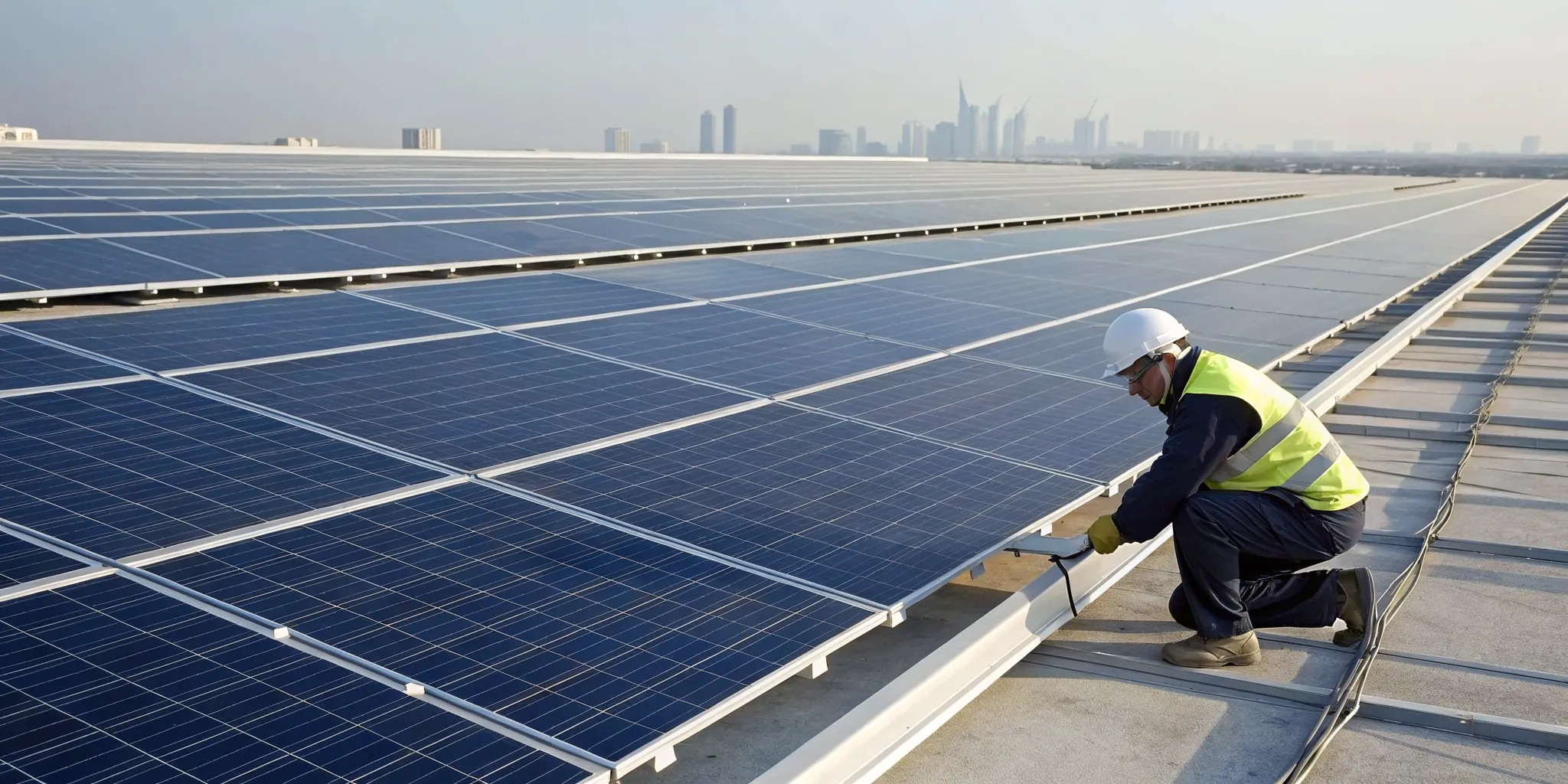
The idea of maintaining a power-generating system on your roof can sound intimidating, but the reality is much simpler. Most of the time, solar system maintenance involves tasks that are no more complicated than other basic home upkeep chores. If you can wash a window or check your garden for weeds, you can handle the fundamentals of solar panel care. This guide breaks down the process into easy, actionable steps. We’ll cover what you can safely do yourself, what to look for during a quick visual inspection, and how to use your monitoring tools to spot potential issues early.
Key Takeaways
- Handle basic upkeep yourself: You can keep your system running efficiently with simple tasks like rinsing the panels from the ground to clear away dust and checking your monitoring app for consistent energy production.
- Know when to call a professional: For your safety and to protect your warranty, always contact a certified technician for anything beyond a simple cleaning, especially for electrical warnings, roof access, or visible damage.
- Stay proactive with visual checks: Regularly looking at your panels from the ground for debris, damage, or signs of pests helps you spot potential problems early, preventing them from turning into more serious issues.
What Does Solar System Maintenance Involve?
One of the best things about going solar is how little day-to-day work is required from you. Modern solar panel systems are built to be durable and largely self-sufficient. However, a little routine care will ensure your system performs at its peak for decades, giving you the best possible return on your investment. Think of it like basic home upkeep; a few simple checks can prevent bigger headaches down the road.
Most solar maintenance tasks are straightforward and can be broken down into four key areas: keeping the panels clean, doing quick visual checks, monitoring performance, and inspecting your inverter. By staying on top of these simple steps, you’ll keep your system running efficiently and continue to enjoy lower energy bills and a reliable power source for your home. Let’s walk through what each of these involves.
Keep Your Panels Clean
Think of cleaning your solar panels a lot like cleaning your windows. Over time, dust, pollen, leaves, and bird droppings can accumulate on the surface, blocking sunlight and reducing the amount of electricity your system can generate. Luckily, solar panels are incredibly resilient, with a failure rate of less than 0.05%. For most California homes, seasonal rains do a decent job of rinsing them off. In drier periods, a simple hosing down from the ground is often all they need to stay efficient. Keeping them clean is one of the easiest ways to ensure you’re getting every bit of power you can from the sun.
Perform a Visual Inspection
You don’t need to be a solar expert to spot potential problems. Every few months, take a quick walk around your property and look up at your panels. Before you start any cleaning, it’s a good idea to look closely at your panels for any obvious issues. Check for things like cracks, chips, or discoloration on the glass. Make sure all the panels are securely fastened and haven't shifted. You’ll also want to glance at the wiring to see if anything looks loose, frayed, or damaged. Catching these small physical issues early can prevent them from affecting your system’s performance and safety.
Monitor Your System's Performance
Your solar system comes with a powerful tool: its monitoring software. Most modern systems let you use an app on your phone or computer to see exactly how much energy your panels are producing in real time. Make it a habit to check your dashboard weekly or monthly. You’ll get a feel for what’s normal for different weather conditions and times of the year. If you notice a sudden or significant drop in energy output that isn’t related to a cloudy spell, it’s a clear sign that something needs a closer look. This data is your first line of defense for spotting hidden issues.
Check Your Inverter and Electrical Parts
While solar panels are the stars of the show, the inverter is the hardworking brain of the operation. It’s the device that converts the DC electricity from your panels into the AC electricity your home uses. Because they work so hard, solar inverters are more likely to need service than the panels themselves. Periodically check to make sure the inverter’s indicator lights are green and that its vents are clear of any debris that could cause it to overheat. It’s also wise to visually inspect accessible wires and connections for any signs of corrosion or wear, which can help keep your system running safely and efficiently.
How Often Should You Clean and Inspect Your Solar Panels?
Think of your solar panels like the windows on your house. You don’t need to clean them every day, but a little upkeep goes a long way in letting the maximum amount of light through. Establishing a simple maintenance routine ensures your system performs at its best for years to come. The key is knowing what to look for and when to call for backup. A consistent schedule for cleaning and inspections will help you get the most out of your investment in solar solutions.
Know Your Cleaning Schedule
A good rule of thumb is to clean your solar panels two to four times a year. In many parts of California, dust, pollen, and ash can settle on your panels, so you might find that a quarterly cleaning works best. The goal is to remove anything that blocks sunlight, like dirt, leaves, or bird droppings, as this buildup can reduce your system's efficiency. If you have a performance monitoring system, you can keep an eye on your energy output. If you don’t notice a dip in production, your panels are likely doing just fine.
When to Schedule a Professional Inspection
While you can handle basic cleaning, a professional inspection every few years is a smart move. A certified technician can safely check for things you can’t see from the ground, like loose electrical connections, inverter issues, or subtle damage. They have the right tools and training to perform a thorough check-up without risking your safety or voiding your warranty. Following a professional our approach to maintenance ensures every part of your system is working correctly and efficiently, giving you peace of mind.
Plan for Seasonal Maintenance
Your maintenance schedule should also account for the seasons. It’s a great idea to inspect your panels after a major weather event, like a heavy storm with high winds, to check for any visible damage. In California, it's also wise to check them after a particularly dry and dusty season or nearby wildfires that leave ash behind. These seasonal checks don't have to be intensive. A quick visual scan from the ground can help you spot any new debris or potential issues before they impact your system's performance.
How Do You Clean Solar Panels Safely?
Keeping your solar panels clean is one of the best ways to ensure they’re working at peak efficiency, but the idea of cleaning them yourself can feel a little intimidating. The good news is that it’s a totally manageable task for most homeowners, as long as you prioritize safety and use the right techniques. You don’t need to be a solar expert to give your panels a good rinse, but you do need to be careful.
Before you grab a ladder, it’s important to understand the basics. Cleaning solar panels isn't just about spraying them with water; it involves a bit of prep work and knowing what to avoid. Using the wrong tools or cleaning at the wrong time of day can potentially damage the panels or, more importantly, put you at risk. Think of it like washing a car. You wouldn't use a steel wool pad or wash it in the blazing midday sun, and the same principles apply here. Let’s walk through how to get the job done safely and effectively, so you can get back to enjoying all that clean energy.
Gather the Right Tools and Cleaners
You probably already have most of what you need for a basic cleaning. The goal is to be gentle, so avoid harsh chemicals or abrasive tools that could scratch the glass on your panels. A simple garden hose with a spray nozzle is often enough to wash away dust and light debris. For more stubborn grime, like bird droppings, you’ll want a soft-bristle brush or cloth on a long extension pole to avoid climbing on the roof.
When it comes to cleaners, less is more. In most cases, plain water does the trick. If you need a little extra cleaning power, a bucket of soapy water using a mild, biodegradable dish soap is a safe bet. Just be sure to rinse thoroughly to prevent leaving a film. While there are specialized solar panel cleaning tools available, they aren't always necessary for routine upkeep.
Follow These DIY Cleaning Steps
Ready to get started? First things first: safety. Before you do anything else, shut down your solar panel system completely. You can do this at the DC and AC disconnects or at your main breaker box. Next, give your panels a quick visual inspection from the ground. Look for any cracks, chips, or loose wiring. If you spot any damage, stop immediately and call a professional. It’s not worth risking further damage or injury.
Once you’ve confirmed everything looks good, you can start cleaning. Begin by rinsing the panels with your garden hose to wash away any loose dirt. Then, use your soft brush and soapy water to gently scrub away any remaining grime. Work in sections from top to bottom. Finally, give the panels a thorough rinse to wash away all the soap and let them air dry.
Clean Safely: Precautions and Best Times
Timing is everything when it comes to cleaning your solar panels. The best time to wash them is on a cool, overcast day or in the early morning or evening. Cleaning panels when they’re hot, like in the middle of a sunny afternoon, can cause the cold water to create a thermal shock and potentially crack the glass. Plus, the water will evaporate too quickly, leaving behind a streaky residue that can block sunlight.
Your personal safety is the top priority. If you need to use a ladder, make sure it’s secure and have someone spot you. Wear sturdy, non-slip shoes and never walk directly on the panels. For many homeowners, the safest approach is to clean the panels from the ground using an extension pole. If your roof is particularly steep or you don’t feel comfortable, our team at AMECO is always here to provide professional solar solutions and maintenance.
What Signs Mean You Need Professional Solar Maintenance?
Your solar panel system is built to be durable, but it’s not completely set-it-and-forget-it. Paying attention to a few key indicators can help you catch small problems before they turn into costly repairs. Think of it as a regular health checkup for your home’s energy system. If you notice a sudden change in performance, see physical wear and tear, or suspect an electrical issue, it’s time to call in a professional. Keeping an eye out for these signs ensures your system runs efficiently and safely for years to come.
Notice a Drop in Performance
One of the most straightforward signs of a problem is a sudden drop in your system’s energy output. You’re likely keeping a close eye on your electric bill, so a surprise increase is a major red flag. You can also check your system’s monitoring software, which tracks energy production in real time. While some fluctuation with the seasons is normal, a significant and sustained dip compared to previous months or the same time last year suggests an issue. This could be caused by anything from dirty panels to a more complex electrical problem, making it a clear signal that your solar solutions need a professional diagnosis.
Spot Physical Damage
You don’t need to get on the roof to give your panels a quick visual check. From the ground, you can often spot obvious signs of damage like cracks, chips, or significant discoloration on the panels themselves. Also, take a look at the mounting hardware holding everything in place. Do you see any rust or loose-looking components? Damaged wires or connections are another cause for concern. After a major storm with high winds or hail, it’s always a good idea to do a quick inspection. Even minor-looking damage can let moisture in and compromise your system’s efficiency and the integrity of your roofing.
Identify Electrical Problems
Electrical issues often show up first on your inverter, the device that converts the solar energy into usable power for your home. Most inverters have a display screen that will show an error message or a fault code if something is wrong. If you see a warning light or code, don't ignore it. It’s a clear indicator that you need professional help. Other signs can include flickering lights in your house or circuit breakers that trip frequently. Since these issues involve high-voltage electricity, they are not a DIY fix. A professional can safely diagnose the problem, whether it’s with the inverter, wiring, or your battery backup system.
Deal with Pests or Structural Issues
Sometimes, the problem isn’t with the panels but what’s happening underneath them. The space between your panels and the roof is an attractive spot for birds and squirrels to build nests. This can be more than just a nuisance; pests can chew through wires, causing serious damage and creating a fire hazard. If you see nesting materials, droppings, or critters hanging around your panels, it’s time to call for help. A professional can clear out any nests and install protective barriers to prevent them from coming back. This is a key part of our approach to ensure your system’s long-term health and performance.
How to Prevent Common Solar Panel Issues
Solar panels are incredibly durable, but like any major home system, a little preventative care goes a long way. Staying ahead of potential issues ensures your system runs efficiently for its entire lifespan, giving you the best return on your investment. Most of these preventative steps are simple and just require you to be observant. By knowing what to look for, you can catch small problems before they become big headaches.
The good news is that modern solar solutions are designed to be low-maintenance. They have a failure rate of less than 0.05% and come with long warranties. Still, things like dust buildup, severe weather, and normal wear can affect performance over time. We’ll walk through the most common issues and how you can easily prevent them, from keeping your panels clean to understanding the safety features already built into your system. Taking these proactive steps will help you enjoy reliable, clean energy for decades.
Prevent Dirt and Debris Buildup
Think of your solar panels like the windows on your house. A little dust won't make a huge difference, but over time, a thick layer of dirt, pollen, leaves, or bird droppings can block sunlight and reduce your system's energy production. In most California climates, regular rainfall is enough to wash away the daily grime. However, during long dry spells, a quick rinse with a garden hose from the ground can make a noticeable difference. Just be sure to do it in the morning or evening when the panels are cool to avoid any damage from rapid temperature changes. This simple step keeps your panels working at their best.
Protect Your Panels from Weather Damage
Your solar panels are built to last 25 to 30 years, so your roof should be ready for that same long-term commitment. One of the biggest concerns homeowners have is the risk of leaks, but this is almost always a result of improper installation. A professional installer ensures every mounting point is perfectly sealed to withstand rain and wind. Because we have over 50 years of combined solar and roofing solutions expertise, we make sure your roof is in great shape before installation. This prevents future damage and the extra cost of removing panels for a roof replacement down the line, giving you total peace of mind.
Understand Arc and Ground Faults
Your solar system has sophisticated safety features built right in, and it’s helpful to know what they are. Two of these are arc fault and ground fault protection. An arc fault is an electrical spark between wires, which can create heat. A ground fault happens when electricity finds an unintended path to the ground. In either of these rare situations, your system’s inverter will immediately detect the problem and shut down to prevent any damage or safety risks. This is an automatic, built-in preventative measure that keeps your system and home safe without you having to do a thing. It’s one of the many ways modern solar technology is designed for safety and reliability.
Address Performance Degradation
It’s normal for solar panels to experience a very slight, gradual decrease in production over their lifespan. However, a sudden or significant drop in performance is a sign that something needs attention. The best way to prevent this is to monitor your system’s output regularly, which you can usually do through an app. If you notice a dip in energy production, the first step is to check if the panels are dirty. If cleaning them doesn’t solve the problem, it’s time to schedule a professional inspection. Our approach includes helping you understand your system's performance so you can catch any issues early and keep your savings on track.
DIY Solar Maintenance vs. Calling a Professional
One of the best things about modern solar panels is how durable and self-sufficient they are. But like any major home system, they benefit from a little attention to keep them running at their best. The big question is, what can you handle yourself, and when is it time to call for backup? Knowing the difference is key to keeping your system efficient without risking your safety or your warranty.
Striking the right balance between DIY tasks and professional service ensures your solar investment pays off for decades. While you can certainly take on some light maintenance, more complex issues require a trained eye. Let’s break down what you can safely do yourself and when it’s best to leave it to the pros.
What You Can Safely Do Yourself
The good news is that solar panels are built to last, with failure rates as low as 0.05% and warranties that often span 25 years. For the most part, your main job is just keeping them clean. A simple hosing down from the ground a few times a year is usually enough to clear away dust and pollen that can reduce production. You can also perform regular visual checks from the ground. Look for any debris like leaves or branches resting on the panels and check that nothing looks obviously out of place. These simple steps can often be done without ever stepping on a ladder.
When to Call a Professional
While a quick rinse is fine, it’s time to call a professional for anything more involved. If your panels have stubborn grime like bird droppings or sap that won’t come off with a light spray, it’s safer and more effective to have a professional service clean them. You should never get on your roof to clean panels yourself. More importantly, if you notice a significant drop in energy production or suspect an electrical issue, don’t try to diagnose it on your own. A qualified technician has the tools and training to safely inspect your solar solutions and make any necessary repairs, from the inverter to the wiring.
Protect Your Safety and Warranty
Attempting complex solar maintenance yourself comes with two major risks: your safety and your warranty. Solar energy systems are electrical power plants, and working on them without proper training can expose you to the risk of electric shock or falls. It’s just not worth it. Furthermore, most manufacturer and installer warranties require that any service be performed by a licensed professional. Letting an unapproved person work on your system, or trying to fix it yourself, could easily void your warranty. This could leave you responsible for the full cost of future repairs, turning a small issue into a major expense.
Create a Cost-Effective Maintenance Plan
The smartest approach to solar maintenance is a blend of DIY monitoring and professional service. Keep an eye on your system’s performance through its monitoring app. This is the easiest way to spot a problem early. Combine that with your own regular visual checks and light cleaning from the ground. Then, schedule a professional inspection every few years or as recommended by your installer. This proactive plan ensures your system stays in peak condition and maximizes its lifespan. AMECO is dedicated to a transparent and supportive Our Approach, helping you understand exactly what your system needs to perform its best for years to come.
Frequently Asked Questions
My energy production dropped suddenly. What should I do first? Before calling for service, the first thing to check is if your panels are simply dirty. A thick layer of dust, ash, or bird droppings can significantly reduce output. If a quick rinse from the ground doesn't solve the problem, take a look at your inverter. Check for any error messages or warning lights, as this is often the next most common source of an issue. If these simple checks don't reveal an obvious cause, it's time to call a professional for a diagnosis.
Do I really need to clean my panels if it rains in my area? While seasonal rain does a great job of washing away light dust, it often isn't enough to remove stubborn grime like bird droppings or oily residue from air pollution. In many parts of California, long dry spells allow significant dust and ash to build up. A good rule of thumb is to visually check your panels after a few months without rain. If you can see a noticeable film of dirt, a quick cleaning will help them perform at their best.
Will cleaning the panels myself void my warranty? Generally, cleaning your solar panels yourself using recommended methods, like a soft brush and plain water, will not void your warranty. However, the warranty can be voided if you cause damage during the process. This includes using harsh chemicals, abrasive scrubbers that scratch the glass, or a high-pressure washer. More importantly, any attempt to fix electrical components or perform repairs yourself will almost certainly void your warranty, which is why those tasks should always be left to a certified professional.
Is it safe to use a pressure washer on my solar panels? You should never use a pressure washer to clean your solar panels. The high-pressure stream of water can damage the panel's surface, break the seals that protect the internal components from moisture, and potentially force water into the electrical connections. This can lead to costly damage and serious safety hazards. A standard garden hose with a spray nozzle provides plenty of pressure to get the job done safely.
How can I tell if my inverter is working properly? Your inverter usually provides clear visual cues about its status. A solid green light typically means everything is operating normally and your system is producing power. If you see a flashing light, a red or orange light, or an error code on its display screen, it indicates a problem. You can also check your system's monitoring app, which should show a steady production of energy during daylight hours. If the app shows zero production on a sunny day, your inverter is likely the first place to check.


.svg)
