


5 Types of Cool Roofs: A Guide for CA Homeowners
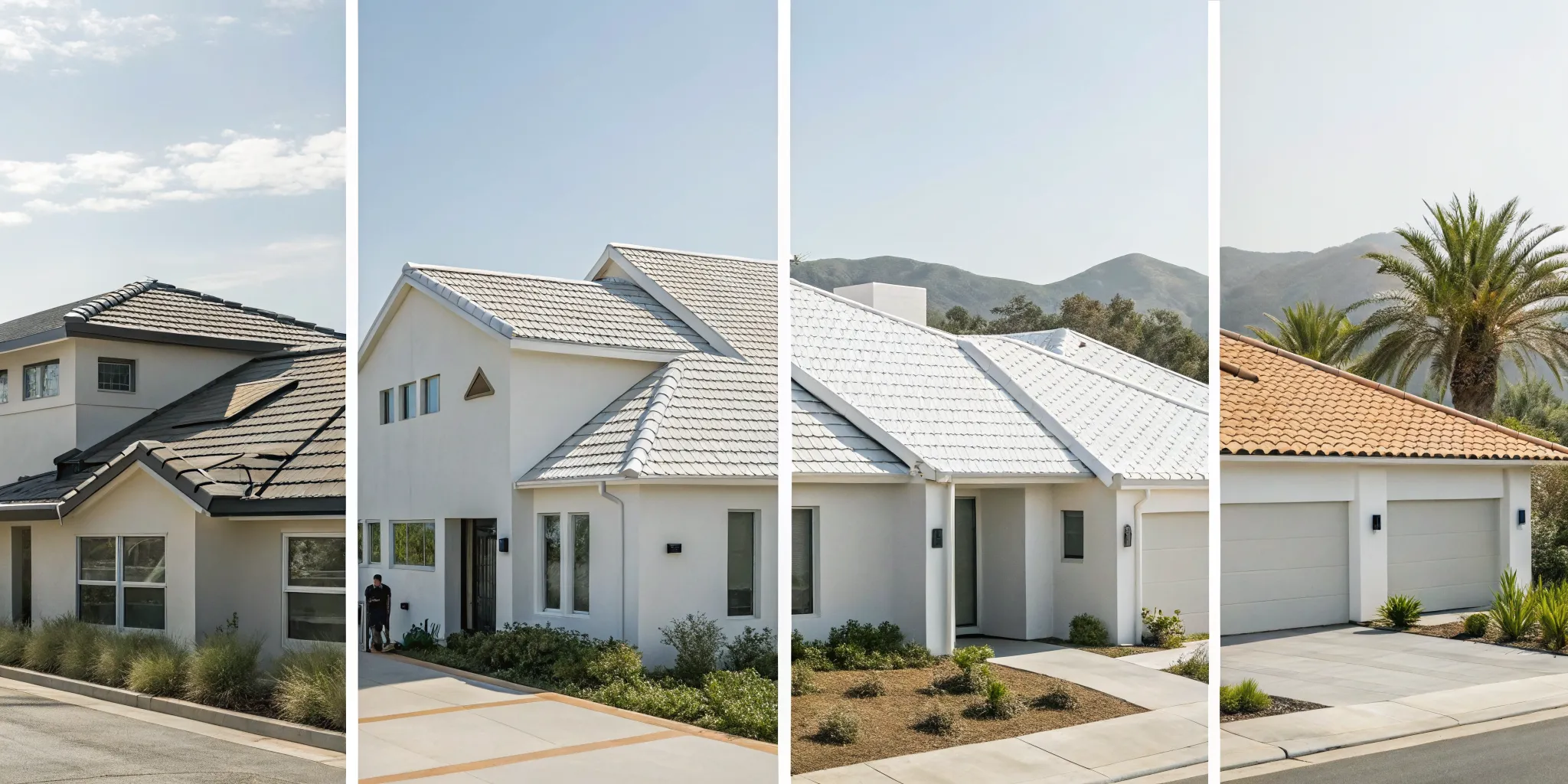
When you hear the phrase "cool roof," you might picture a stark, bright white surface that clashes with your home's design. A decade ago, you might have been right. But today, that couldn't be further from the truth. Modern roofing technology has advanced so much that you can now get the powerful energy-saving benefits of a cool roof in a wide variety of colors and styles, from classic shingles to modern metal panels. The secret is in the materials, which are engineered to reflect invisible infrared light. This means you don't have to sacrifice curb appeal for performance. This guide will break down the different types of cool roofs and show you how to find a stylish, efficient option that you’ll love.
Key Takeaways
- Reduce energy costs and increase comfort: A cool roof works by reflecting sunlight away from your home, which significantly lowers the strain on your air conditioner and helps maintain a more pleasant indoor temperature.
- Find a style that fits your home: You do not have to settle for a plain white roof; modern cool roofing materials are available in a variety of options, including shingles, tiles, and metal, to match your home's aesthetic.
- Look beyond the initial price tag: While some cool roofs have a higher upfront cost, the long-term energy savings combined with California-specific rebates and tax credits often make it a financially smart decision.
Cool Roof vs. Traditional Roof: What's the Difference?
Think of it like choosing an outfit for a hot, sunny day. You'd probably pick a light-colored shirt over a black one, right? A black shirt absorbs the sun's heat and makes you feel warmer, while a white shirt reflects it and keeps you cooler. Cool roofs and traditional roofs work in much the same way.
A traditional roof, especially one with dark shingles, soaks up the sun's rays. This can cause its surface temperature to climb above 150°F on a hot California afternoon. All that heat doesn't just stay on the roof; it transfers into your attic and home, forcing your air conditioner to work overtime. A cool roof, on the other hand, is designed to do the opposite. It uses special materials that reflect more sunlight and release most of the heat that gets absorbed. This simple difference can keep your roof's surface more than 50°F cooler.
This temperature drop has a huge impact on your home's energy use. By reducing the amount of heat entering your home, a cool roof lessens the strain on your AC system, which can lead to significant savings on your summer energy bills. Plus, by staying cooler, the roofing materials themselves experience less thermal stress. This means our roofing solutions that incorporate cool roof technology often last longer and require less maintenance than their traditional counterparts, making them a smart investment for your home's comfort and your wallet.
Your 5 Main Cool Roof Options
When you hear the term "cool roof," it’s easy to picture a single type of product. But it’s actually a broad category of roofing materials designed to reflect more sunlight and absorb less heat than a standard roof. This means you have several great choices when it comes to finding the perfect fit for your home’s style, budget, and structure. From simple coatings to durable metal panels, each option offers a unique way to lower your energy bills and keep your home comfortable. Let's walk through the five main types of cool roofs so you can see what’s available.
1. Cool Roof Coatings
Think of cool roof coatings as a highly reflective, protective paint for your roof. These fluid-applied layers are designed to go over your existing roof surface, creating a seamless barrier that reflects the sun's harsh UV rays. Because they can be applied to many different roof types, coatings are a versatile and cost-effective way to transform your current roof into a cool roof without a full replacement. This application not only brings down your home's internal temperature and cuts down on air conditioning costs but also helps extend the life of your existing roof by protecting it from the elements. It's a practical upgrade for many California homeowners looking for immediate energy savings.
2. Cool Roof Shingles
If you love the classic look of asphalt shingles but want the energy-saving benefits of a cool roof, you’re in luck. Cool roof shingles are made with special solar-reflective granules that bounce sunlight away from your home, keeping your attic and living spaces cooler. They look nearly identical to traditional shingles, so you don’t have to compromise on curb appeal to achieve greater energy efficiency. This makes them a fantastic choice for homeowners who want a familiar aesthetic while reducing their reliance on AC during hot summer months. You can even use a 3D home visualizer to see how different shingle colors and styles would look on your own house.
3. Metal Cool Roofs
Metal roofs are a powerhouse when it comes to durability and sustainability. Many are made with pre-painted reflective coatings or from unpainted metals that are naturally reflective, making them inherently "cool." A metal roof is an excellent long-term investment, known for its impressive lifespan and ability to withstand extreme weather. It effectively reflects solar heat, leading to significant energy savings over time. Plus, its sturdy and long-lasting nature makes it an ideal platform if you’re considering adding solar solutions now or in the future. For homeowners seeking a modern, resilient, and highly efficient roofing system, metal is a top contender.
4. Single-Ply Membranes
If your home has a flat or low-slope roof, single-ply membranes are one of the best cool roof options available. These are flexible sheets of synthetic material, like TPO or PVC, that are rolled out across the roof surface. They are typically white or a light color, which makes them highly effective at reflecting sunlight and preventing heat from being absorbed into your home. Originally popular for commercial buildings, these membranes are becoming more common for residential properties with modern architecture. They provide a durable, waterproof, and energy-efficient shield for your home, making them a smart part of your overall roofing solution.
5. Cool Tiles and Slates
For those who want to combine timeless beauty with modern performance, cool tiles and slates are a perfect match. These materials, often made from clay, concrete, or slate, are either naturally reflective due to their color and density or are treated with special finishes to reflect more sunlight. They are an excellent choice for homes with Spanish, Mediterranean, or other classic architectural styles, allowing you to maintain your home's character while improving its energy efficiency. By choosing cool tiles, you get a durable, beautiful roof that actively works to keep your home more comfortable. We can help you find the right style by personalizing our approach to fit your home's unique needs.
The Pros and Cons of Each Cool Roof Type
Choosing a new roof is a big decision, and it helps to have all the facts. Each cool roof material comes with its own set of benefits and drawbacks. Let's break down what you can expect from each option so you can figure out what works best for your home and budget.
Cool Roof Coatings
If you’re looking for a cost-effective upgrade, cool roof coatings are a great place to start. These are liquid coatings designed to be applied directly over your existing roof. They work by reflecting sunlight and absorbing less heat, which can make a noticeable difference in your roof's temperature. The biggest pro is that this can be a budget-friendly way to improve your home's energy efficiency without a full roof replacement. However, the effectiveness of these coatings can fade over time due to weather and wear, meaning you’ll likely need to reapply it down the road. It’s also important to know that coatings aren’t a fix-all; they aren’t suitable for roofs with major structural problems.
Cool Roof Shingles
Cool roof shingles look very similar to traditional asphalt shingles, but they are made with special granules that reflect sunlight. This simple difference helps them absorb less heat, which in turn can lead to lower cooling costs for your home. One of the best parts about cool shingles is that they come in a variety of styles and colors. You can use a 3D home visualizer to see how different options would look on your house. On the flip side, the initial cost for cool roof shingles can be higher than for standard shingles. While the color selection is getting better, some homeowners might find the palette is still a bit more limited compared to the huge range available for traditional shingles.
Metal Cool Roofs
When it comes to durability and performance, metal roofs are a top contender. Metal is naturally reflective, so it does an excellent job of bouncing sunlight away from your home and reducing heat absorption. These roofs are incredibly long-lasting, often outliving traditional roofing materials by decades. This longevity can lead to significant long-term savings, making them a smart investment. The main consideration with metal is the higher upfront cost compared to other options. It’s one of the more expensive materials to purchase and install. Our team can help you explore different roofing solutions to see if metal is the right fit for your home.
Single-Ply Membranes
If you have a flat or low-slope roof, single-ply membranes are an excellent cool roof option to consider. Materials like TPO and PVC are lightweight, come in rolls, and are relatively easy to install. They offer fantastic reflectivity, which is exactly what you want for keeping a flat roof from baking in the California sun. This can translate directly into lower energy bills. The primary drawback is their durability. Because they are a membrane, they can be more susceptible to punctures or tears from falling branches or foot traffic during maintenance. Their lifespan also tends to be shorter when compared to materials like metal or tile.
Cool Tiles and Slates
For a classic, beautiful aesthetic, it’s hard to beat tiles and slates. Cool versions of these materials are designed to reflect more sunlight than their traditional counterparts, helping keep your home cooler. They come in a wide array of styles and colors, from classic terracotta to modern slate, giving you a lot of design flexibility. The biggest factors to weigh are cost and weight. Tiles and slates are among the most expensive roofing materials, both for the product and the installation. They are also very heavy, which means your home’s structure must be able to support the extra load. A professional assessment is essential, which is a key part of our approach to any roofing project.
The Biggest Benefits of Installing a Cool Roof
Beyond just being a new trend, a cool roof is a practical upgrade that offers some serious advantages, especially here in sunny California. It’s an investment that pays you back in multiple ways, from your wallet to your personal comfort. If you're considering a roof replacement or just looking for ways to make your home more efficient, understanding these benefits is the first step. A cool roof works by reflecting more sunlight and absorbing less heat than a standard roof, and that simple difference has a powerful ripple effect. Let's get into what that really means for you and your home.
Lower your energy bills
This is the benefit that gets everyone’s attention, and for good reason. A cool roof keeps your house cooler, which means your air conditioner doesn't have to work as hard or as often. Since cooling can be one of the biggest expenses on a California energy bill, the savings can be significant. By reflecting the sun's heat instead of absorbing it, a cool roof directly reduces the amount of heat that transfers into your home. This means you can maintain a comfortable temperature inside without constantly running the AC. Over the lifespan of the roof, these daily savings add up to a substantial return on your investment in new roofing solutions.
Get a longer-lasting roof
Constant exposure to intense sun and heat takes a toll on any roof. Traditional roofing materials absorb that heat, causing them to expand during the day and contract at night. This cycle of thermal stress can lead to cracking, warping, and premature aging. A cool roof stays cooler, so it experiences much less of this daily stress. By minimizing extreme temperature fluctuations, the roofing material is better protected from degradation. This means your roof doesn't just perform better; it also lasts longer. You’ll spend less time and money on repairs and can delay a full replacement for years, making it a smart long-term investment for your home.
Enjoy a more comfortable home
A cooler roof leads to a more comfortable living space. The difference is especially noticeable in rooms on the top floor or in homes that don't have central air conditioning. According to the U.S. Environmental Protection Agency, a cool roof can lower indoor temperatures by several degrees, making your home naturally more pleasant during a heatwave. This passive cooling effect means you can feel more comfortable without even touching the thermostat. For residential customers, this translates to more enjoyable summer afternoons and more restful nights, creating a better home environment for your entire family.
Reduce your carbon footprint
Choosing a cool roof is also a choice for a healthier planet. When you use less energy to cool your home, you decrease the demand on the power grid. This means power plants burn fewer fossil fuels, which helps reduce air pollution and greenhouse gas emissions. On a larger scale, when entire neighborhoods adopt cool roofs, it can help lessen the "urban heat island" effect, where developed areas are significantly warmer than surrounding rural areas. By making a sustainable choice for your own home, you contribute to a cooler, cleaner community and align with a forward-thinking approach to energy.
How to Choose the Right Cool Roof for Your Home
Picking the right cool roof for your home is about finding the perfect balance between performance, style, and budget. It’s not just about choosing a light color; it’s about selecting a complete roofing system that works for your specific house and location. When you start looking at your options, you’ll find that the best choice depends on a few key factors. By thinking through your climate, your home’s architecture, your personal taste, and your long-term financial goals, you can confidently select a cool roof that will keep your home comfortable and your energy bills down for years to come. Let’s walk through the four main things to consider.
Consider your local climate and California heat zone
Cool roofs are most effective in sunny, hot climates, which makes them a fantastic option for most California homeowners. As the U.S. Environmental Protection Agency points out, cool roofs save the most energy in hot places. However, California has diverse microclimates. A home in the desert heat of Palm Springs will have different cooling needs than a coastal home in foggy San Francisco. Think about your specific area. Does your roof bake in the sun all day? High temperatures and intense sun exposure mean you’ll see significant savings from a cool roof. Understanding your local climate is the first step in determining just how much a cool roof can benefit you.
Factor in your roof type and home's structure
The shape of your roof plays a big role in what kind of cool roofing materials you can use. Most homes have sloped roofs, which are compatible with a wide range of products, including reflective asphalt shingles, naturally cool tiles like terra cotta, and specially treated metal panels. If you have a flat or low-sloped roof, your options will look a little different. For these structures, you might consider reflective liquid coatings or light-colored single-ply membranes. Each material has its own installation process and performance characteristics, so it’s important to explore the roofing solutions that are best suited for your home’s specific design.
Match your aesthetic preferences
Many people think a cool roof has to be stark white, but that’s no longer the case. While lighter colors are generally better at reflecting sunlight, modern roofing technology has come a long way. According to ENERGY STAR, new pigments and materials allow even darker colors to reflect solar energy effectively. This means you don’t have to compromise on your home’s curb appeal to get the energy-saving benefits. You can find reflective shingles, tiles, and metal roofing in a variety of attractive shades to match your home’s style. You can even use a 3D home visualizer to see how different colors and materials will look before making a final decision.
Weigh your budget against the long-term ROI
It’s true that some cool roofs can cost more to install upfront compared to traditional options. However, it’s important to look at this as a long-term investment rather than just an initial expense. A cool roof can save you a significant amount of money on your cooling bills over its lifespan, and in many cases, the energy savings will eventually pay for the initial cost difference. Plus, by reducing heat absorption, a cool roof can extend the life of the roofing material itself, saving you from premature replacement costs. Using an estimate calculator can help you get a clearer picture of the potential return on investment for your home.
What Does a Cool Roof Cost? (Plus Rebates & Incentives)
Let’s talk about the bottom line. The cost of a new roof is a significant consideration for any homeowner, and a cool roof is no different. While the initial price tag can sometimes be higher than a traditional roof, it’s only one part of the financial picture. The true cost is a combination of the upfront investment, the money you get back through incentives, and the long-term savings on your energy bills.
Thinking about the cost this way helps you see the full value of your investment. A cool roof isn't just a necessary home repair; it's an upgrade that pays you back over time. To give you a clear idea of what to expect, we can break down the finances into three main parts: the initial cost based on the material you choose, the rebates and credits available to you as a California resident, and the return you’ll see from a more energy-efficient home. We can help you get a personalized estimate with our solar and roof cost calculator.
Understanding upfront costs by roof type
The initial investment for a cool roof depends heavily on the material you select. Just like with any home project, options range from more budget-friendly to premium. Cool roof technology is versatile and can be applied to both sloped and low-sloped roofs using materials like reflective shingles, special coatings, metal panels, and tiles. Generally, applying a reflective coating to an existing roof is the least expensive option, while high-end metal or tile systems will have a higher upfront cost.
It’s important to remember that you’re not just paying for materials; you’re investing in a durable, long-lasting system. The quality of the installation is just as critical as the product itself. Choosing professional roofing solutions ensures your cool roof performs effectively for decades, protecting your home while delivering consistent energy savings.
Finding available rebates and tax credits in California
The great news for California homeowners is that you don’t have to cover the entire cost yourself. Many local governments, utility companies, and state programs offer financial incentives to encourage the switch to energy-efficient roofing. These programs can significantly reduce your initial investment. Rebates might come directly from your city or utility provider, giving you cash back after your new roof is installed.
These incentives are designed to make sustainable choices more accessible. The available programs can change, so it’s always a good idea to check for the latest offers. You can explore a database of current state and federal incentives to see what you qualify for. Working with an experienced local installer who understands the regional programs can also help you identify every available credit and rebate.
Calculating your long-term savings vs. initial investment
This is where a cool roof really starts to pay for itself. The primary financial benefit comes from reducing your home's energy consumption, especially in a sunny climate like ours. A clean white roof that reflects 80% of sunlight can stay about 50°F cooler on a hot day than a dark gray roof that only reflects 20%. This dramatic temperature difference means your air conditioner doesn't have to work nearly as hard, leading to lower electricity bills month after month.
These savings add up substantially over the lifespan of the roof. For many residential customers, the reduction in cooling costs can offset the initial price difference in just a few years. Plus, because a cooler roof experiences less thermal stress, it often lasts longer and requires fewer repairs than a traditional roof, adding to your long-term return on investment.
How to Maintain Your Cool Roof
You’ve made a smart investment in your home with a cool roof. To make sure you keep reaping those energy-saving benefits for years to come, a little bit of maintenance is key. Don't worry, it’s not complicated. Taking care of your cool roof is straightforward and ensures it performs at its best, protecting your home and your wallet. Think of it as simple upkeep that protects a major asset. Here are the three main things to focus on to keep your cool roof in top shape.
Keep it clean to preserve reflectivity
The magic of a cool roof is its ability to reflect sunlight. But when dirt, leaves, and grime build up, that reflective surface gets covered, and your roof can’t do its job as effectively. The U.S. Department of Energy notes that keeping your cool roof clean is essential for maintaining its reflectivity and energy efficiency. For most roofs, a gentle cleaning once or twice a year is enough. You can use a soft brush or a pressure washer on a low setting to wash away the buildup without damaging the roofing material. This simple step ensures you continue to get the maximum cooling effect and energy savings.
Schedule periodic inspections to catch issues early
It’s always better to catch a small problem before it becomes a big, expensive headache. That’s why regular inspections are so important for your roof’s health. The Cool Roof Rating Council suggests checking your roof at least twice a year, and it's a good idea to take a look after any major storms. Look for things like small cracks, blisters, or punctures that could compromise the roof's integrity. Finding and fixing these issues early can save you from costly repairs down the line. If you spot something that doesn't look right, it's always best to consult with professionals who specialize in roofing solutions.
Know the maintenance needs for your specific roof type
Not all cool roofs are created equal, and their maintenance needs can vary. A roof with reflective shingles will have different requirements than one with metal panels or a single-ply membrane. As the California Energy Commission points out, understanding the specific needs of your roof type is key to maximizing its lifespan and performance. Your best resource here is the manufacturer's guidelines. They will provide detailed instructions tailored to the material on your home. Following their recommendations will help you protect your investment and ensure your roof lasts as long as possible. For more details, you can check out the state's guide for homeowners.
The Final Verdict: Are Cool Roofs a Smart Choice for California Homeowners?
So, after weighing all the options, what’s the final word? For most California homeowners, installing a cool roof is an incredibly smart move. Living in a state known for its sunshine means our homes absorb a lot of heat, forcing our air conditioners to work overtime. A cool roof directly addresses this by reflecting more sunlight and absorbing less heat than a standard roof. This simple change can lead to significant savings on your summer energy bills and a much more comfortable home environment.
The benefits extend far beyond your own property line. When entire neighborhoods adopt cooler roofing, it helps reduce heat in cities, combating the urban heat island effect that makes our communities warmer. Using less energy for air conditioning also means less air pollution and fewer greenhouse gas emissions, which is a win for everyone. It’s a personal choice that has a real, positive impact on the community and the environment.
The great thing is that you don’t have to sacrifice style or be limited by your home’s design. Cool roof technology is available across many different roofing materials, including shingles, tiles, and metal, and works on both sloped and low-sloped roofs. Whether you’re building a new home or replacing an old roof, choosing a cool roof is a practical, forward-thinking investment that pays for itself in comfort, savings, and peace of mind.
Related Articles
- ENERGY STAR Shingles: What to Know in 2026
- ENERGY STAR Metal Roofing: The Ultimate Guide
- Solar Roof vs. Traditional Roof: Which One to Choose?
Frequently Asked Questions
Does my cool roof have to be white? Not at all. That’s a common myth, but roofing technology has advanced quite a bit. While it's true that white is the most reflective color, manufacturers now use special pigments that can reflect solar energy even in darker shades. This means you can choose from a wide range of colors, including grays, tans, and even some greens and browns, that still meet cool roof standards. You can find a style that matches your home’s aesthetic without giving up the energy-saving benefits.
Can I install solar panels on a cool roof? Yes, and it's actually a fantastic combination. A cool roof lowers the surface temperature of your roof, which helps your solar panels operate more efficiently since they perform better in cooler conditions. Certain cool roof materials, like standing seam metal, are especially well-suited for solar installations. Pairing a cool roof with a solar system is one of the most effective ways to reduce your energy bills and increase your home's energy independence.
How much money can I really save with a cool roof? The exact amount you save depends on several factors, including your local climate, your home's insulation, and the type of cool roof you choose. However, the savings can be significant, especially during California's hot summers. By reducing the workload on your air conditioner, a cool roof can lower your cooling costs by 10 to 30 percent. Over the life of the roof, these savings add up and can provide a substantial return on your initial investment.
Is a cool roof a good option if I live in a cooler, coastal part of California? While the savings are most dramatic in hotter inland areas, a cool roof can still be a smart choice in milder coastal climates. Even in cooler areas, the sun's UV rays still degrade roofing materials over time. A cool roof reflects these rays, which reduces thermal stress and can help your roof last longer. It provides a durable, long-lasting solution that protects your home, even if your air conditioner doesn't run as often.
Can I just put a cool coating on my old roof instead of replacing it? A reflective coating can be a great, cost-effective option, but only if your existing roof is in good structural shape. Coatings are designed to enhance reflectivity and protect the surface, not to fix underlying problems like leaks, water damage, or widespread deterioration. If your roof is nearing the end of its life, applying a coating is only a temporary fix. A professional inspection is the best way to determine if your roof is a good candidate for a coating or if a full replacement is the wiser long-term investment.


.svg)
