


7 Best Solar Panels for Home & How to Choose Right
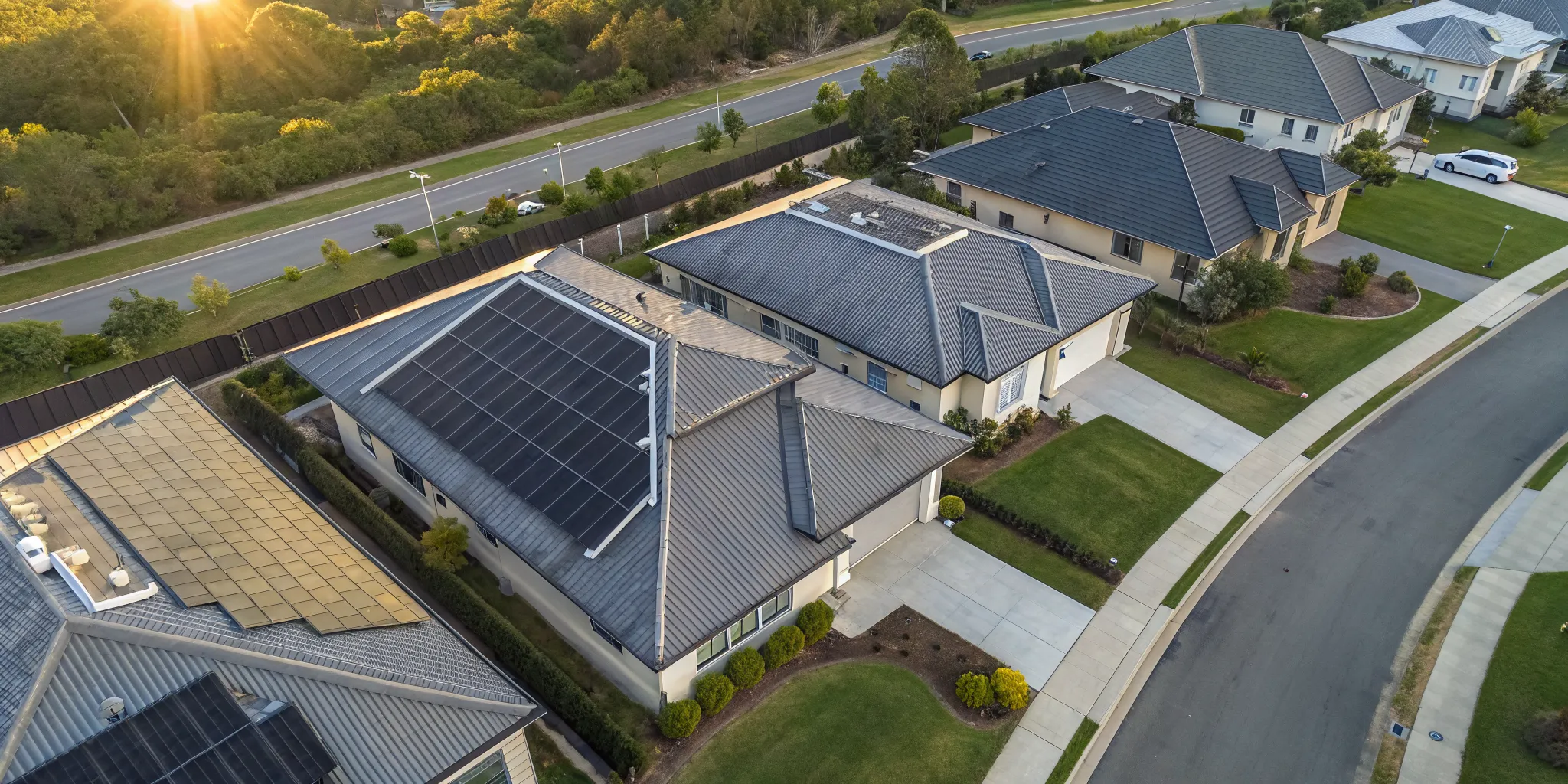
When you start searching for the best solar panels for home, it’s easy to get lost in a sea of brand names and efficiency ratings. But if you dig into what real homeowners are saying on Reddit, you’ll uncover a surprising secret: the panel brand isn’t the most important choice you’ll make. You can buy the most expensive, highest-rated panels on the market, but if they’re installed by the wrong company, you’re setting yourself up for a major headache. This guide cuts through the marketing noise to focus on what experienced solar owners say truly matters—starting with finding a great installer.
Key Takeaways
- Focus on finding a great installer first: Your choice of installer is more critical than the panel brand because their expertise ensures your system performs safely and efficiently for its entire lifespan.
- Evaluate the entire system, not just the panels: The inverter is the brain of your operation and a warranty is only as good as the company backing it, so give these components equal attention during your research.
- Choose components based on long-term value, not just price: The smartest investment is often a reliable mid-range panel, and planning for future needs like battery backup ensures your system will support your goals for years to come.
What Reddit Actually Says About Home Solar Panels
When you start researching solar, it’s easy to get caught up in a whirlwind of brand names and efficiency ratings. But if you spend time in online communities like Reddit, you’ll notice a different conversation happening. Real homeowners and industry pros often say that the brand of the panel is just one piece of a much larger puzzle. They’re talking about the things that truly make or break a solar investment in the long run. So, I’ve sifted through the threads to pull out the key themes that come up again and again. Here’s what experienced solar owners on Reddit want you to know before you buy.
Setting the Stage: We're Talking Home Solar, Not RVs
First, let's get on the same page. This guide focuses entirely on permanent, grid-tied solar solutions for your house—not the smaller, portable kits you might see on an RV or boat. As many Reddit users point out, home solar systems are different. A residential installation is a serious home upgrade. It involves integrating with the utility grid, securing permits, and ensuring everything is safely mounted to your roof to last for 25 years or more. The components are built for long-term performance, not portability. So, while it’s fun to dream about off-grid adventures, our focus here is on making a smart, lasting investment in your home's energy future.
Why Your Installer Is More Important Than the Panel Brand
This is the number one piece of advice you'll find, and for good reason. You can have the most expensive, top-tier solar panels in the world, but if they’re installed incorrectly, you’re in for a world of trouble. A great installation ensures your system performs at its peak, is safe, and won't cause issues like roof leaks. Reddit users consistently stress that a reputable, experienced local installer is your best asset. They’ll know the local codes, handle the permitting, and design a system that’s perfect for your specific home and climate. A company’s approach to installation says everything about the quality you can expect for the next 25-plus years.
Don't Forget the Inverter—It's as Crucial as Your Panels
It’s easy to focus on the panels since they’re the most visible part of the system, but Reddit users will tell you not to sleep on the inverter. Think of the inverter as the brain of your solar setup. It’s the device that converts the direct current (DC) energy your panels produce into the alternating current (AC) energy that powers your home. If you have a low-quality inverter, it can bottleneck your entire system, preventing you from getting the full benefit of your panels. Choosing a reliable inverter from a trusted brand is just as critical as choosing the right solar solutions for your roof.
Top Inverter Brands to Look For
When you start looking at inverters, you'll see a few names pop up repeatedly. In the US, Enphase and SolarEdge are the two dominant players, and for good reason. Enphase is known for its microinverters, which are small inverters placed on each individual panel, while SolarEdge uses a central string inverter paired with power optimizers. Both are highly regarded for their reliability, performance, and robust monitoring apps that let you see exactly what your system is producing. A great installer will help you decide which technology is a better fit for your home's specific layout and shading. Importantly, these systems are designed to integrate seamlessly with battery backup, a huge plus if you're planning for energy independence during power outages.
Why a Strong Company Warranty Is Non-Negotiable
You’ll see a lot of 25-year warranties thrown around, and while they look great on paper, they’re only valuable if the company is still around to honor them. Reddit threads are full of cautionary tales about warranties that became worthless when the manufacturer or installer went out of business. This is why choosing a company with a long, stable history is so important. A business that has been serving residential customers for decades is a much safer bet than a newer company that might not be around in five or ten years. Look for longevity and a proven track record of customer support.
Most Tier 1 Panels Are Surprisingly Similar
It’s easy to fall down a rabbit hole comparing the specs of different solar panel brands. But as many experienced homeowners on Reddit will tell you, once you’re looking at reputable, Tier 1 manufacturers, the products are surprisingly alike. These panels are built to be workhorses, with most designed to last 25 to 30 years or even longer with minimal degradation in performance. They rarely fail and typically only require occasional cleaning. Instead of getting bogged down by minor differences in efficiency ratings, it’s more important to confirm that your installer is using quality components and that your home's roofing is sound enough to support the system for decades to come.
How to Find Local Solar Incentives and Rebates
The final cost of your solar system can be significantly lower than the initial quote, thanks to a variety of tax credits and rebates. Reddit users strongly advise doing your homework on what’s available in your area. These incentives can come from the federal government, the state of California, and even your local utility company. An experienced local installer will be your best guide here, as they’ll be up-to-date on the latest programs and can help you maximize your savings. You can start to explore your potential savings by using an estimate calculator to get a clearer picture of your investment.
A Key Resource for State and Local Incentives
This is where that "do your homework" advice you see on Reddit really comes into play. Finding all the available financial perks for going solar can feel like a treasure hunt, but there's a great map to get you started. Your first stop should be the Database of State Incentives for Renewables & Efficiency (DSIRE). It’s a comprehensive, up-to-date list of programs that can help you save money, from state tax credits to local utility rebates. But a database can only take you so far. An experienced local installer is your best guide for navigating these programs. They know the ins and outs of what’s current and can make sure you don’t miss anything. It’s like an article from Consumer Reports pointed out: finding a great installer who knows the local scene is just as important as the panels themselves. By using these resources and partnering with a knowledgeable pro, you can make sure your solar investment is as smart for your wallet as it is for the planet.
The Best Solar Panel Brands for Your Home, According to Reddit
When you start digging into solar panel brands, the options can feel endless. Thankfully, online communities like Reddit offer a firehose of real-world experiences. While every home and budget is different, a few names consistently pop up in discussions for their solid performance, reliability, and overall value. Think of this list not as a definitive ranking, but as a great starting point for your research, featuring the brands that have earned the trust of homeowners just like you.
1. AMECO Solar & Roofing
It might seem odd to see an installer on a list of panel brands, but here’s a secret you’ll see repeated all over Reddit: your installer is just as crucial as your hardware. AMECO is a name that comes up for its top-tier installation and customer support. With over 50 years of combined solar and roofing expertise, they understand how the whole system works together. Users point to their commitment to durable materials and comprehensive warranties as a key reason for their peace of mind. Choosing a company with a long track record ensures they’ll be around to honor those warranties, which is why many homeowners recommend focusing on the provider first.
2. REC Group
If you’re looking for high-performing panels that are built to last, REC Group is a name you’ll see frequently. Reddit users often praise them for their excellent efficiency and strong performance, even in less-than-perfect weather. This makes them a reliable choice for generating consistent power. What’s more, the company has a strong focus on sustainability and innovation, which resonates with many homeowners. According to REC Solar Panel Reviews, their durability and long-term reliability make them a smart investment for those who prioritize quality and consistent energy production over the absolute lowest price.
3. Maxeon (formerly SunPower)
Maxeon, the company formerly known as SunPower, is a name that consistently comes up when people talk about the best of the best. They are renowned for their high-efficiency panels, which can reach up to 24.1% efficiency according to some reviews. This impressive performance is thanks to their advanced cell technology, which squeezes more power out of every ray of sunshine. Homeowners on Reddit often point to Maxeon when discussing long-term value, as their panels are not only powerful but also incredibly durable and built to last for decades.
However, even with premium panels like these, the conversation always comes back to installation. As many Reddit users will warn, a poor installation can undermine the performance of any panel and even lead to serious problems like roof leaks. That’s why pairing top-tier technology with an expert installer who understands how to integrate the system with your home is the only way to guarantee you get the performance and peace of mind you’re paying for.
3. Canadian Solar
For homeowners looking for a great balance of affordability and solid performance, Canadian Solar is a frequent recommendation. Reddit discussions often highlight the brand as a workhorse option that delivers reliable power without the premium price tag of some other brands. They offer an extensive range of products, which makes it easier to find a panel that fits your specific roof and budget. Users also commend their solid warranty options and customer service. If you're looking for a dependable, budget-friendly choice from a well-established company, Canadian Solar is definitely a brand to have on your list.
4. Trina Solar
Trina Solar often gets the nod on Reddit for hitting the sweet spot between cost, performance, and innovation. They are well-regarded for producing high-efficiency panels that are both reliable and effective at generating energy. This makes them a strong contender for homeowners who want advanced technology without paying top-dollar. With a strong reputation built over decades in the solar industry, Trina is seen as a safe and smart bet. For many, the brand represents a fantastic middle-ground, offering a great balance of features that appeal to a wide range of residential customers.
5. LONGi Solar
When discussions turn to high-efficiency technology, LONGi Solar is a name that consistently shines. The brand is celebrated for its cutting-edge monocrystalline panels, which are designed to maximize energy production. Reddit users frequently mention that LONGi offers this top-tier performance at a very competitive price point, making it a popular choice for those seeking maximum value. Paired with excellent warranty terms, their panels are a go-to recommendation for homeowners who want to invest in high-performance technology. The consensus in LONGi Solar reviews is that they provide an accessible entry into the world of premium solar.
7. Jinko Solar
Jinko Solar is another brand that gets a lot of positive attention for its blend of high efficiency and long-term reliability. Their panels are known for holding up well over time, with a degradation rate of about 0.4% or less each year after the first year. This means you can count on them to keep producing a significant amount of power for decades. With some of their panels, like the Tiger NEO III series, reaching up to 24.0% efficiency, they are a strong choice for homeowners who want to be sure their investment will continue to pay off far into the future. They represent a solid, dependable option that delivers consistent performance year after year.
Other High-Efficiency & Recommended Brands
While the brands above are some of the most frequently discussed, the solar industry is constantly innovating. A few other names are making waves by pushing the limits of efficiency and technology. These companies might not be household names yet, but they are definitely on the radar of industry experts and homeowners who prioritize cutting-edge performance. They are worth knowing about as you explore your options, especially if you want to maximize every square foot of your roof. An experienced installer can help you understand if these newer technologies are the right fit for your specific energy goals and home.
Aiko Solar
If your goal is to get the absolute highest efficiency possible, Aiko Solar is a name you need to know. The company is currently leading the pack with its NEOSTAR series, which can reach an incredible 25.0% efficiency. They achieve this using "All Back Contact" (ABC) technology, which moves all the electrical contacts to the back of the solar cell. This not only creates a sleek, uniform appearance but also allows the front of the panel to capture more sunlight. For homeowners with limited roof space or those who simply want the most powerful technology available, Aiko represents the forefront of solar innovation.
Enphase
You might notice this is an inverter brand, not a panel brand, but it’s a perfect reminder of that key Reddit tip: your system is more than just the panels. Enphase is an extremely popular and trusted name in the U.S., known for its reliability and efficiency in converting solar energy into usable power for your home. They are famous for their microinverters, which are installed on each individual panel. This setup can optimize your system’s performance, especially if parts of your roof get shade during the day. Their technology is also a cornerstone of modern battery backup systems, making them a key player in creating a truly resilient home energy solution.
Recom Technologies
Another new top player pushing the boundaries of panel performance is Recom Technologies. Like Aiko, they use advanced back-contact technology to achieve impressive results, with some of their panels reaching 24.8% efficiency. As a newer name gaining traction, Recom is a great example of how quickly the solar industry is advancing. For homeowners focused on getting the latest high-performance technology, they offer a compelling option that competes with the most efficient panels on the market. Their emergence shows that there are always exciting new choices for those looking to invest in top-tier solar.
How to Choose the Best Solar Panels for Your Home
Once you start comparing solar panels, you’ll notice they aren’t all created equal. While many people get caught up in brand names, the real differences lie in the technical specifications. Looking at a few key metrics will help you understand what you’re actually paying for and how your system will perform for years to come. It’s about finding the right balance between performance, durability, and cost to ensure you get the best long-term value for your home.
Think of it like buying a car. You wouldn't just look at the logo on the hood; you'd check the fuel efficiency, the warranty, and how it handles in different conditions. The same logic applies to your solar solutions. Focusing on efficiency, warranty, durability, and overall value will help you choose panels that meet your energy goals and give you peace of mind. A great installer will walk you through these details, but it’s always smart to know what to look for yourself.
Understanding the Financials: Costs, Savings, and Home Value
Thinking about the financial side of solar is essential, and it's more than just the upfront cost. While a full system is a significant investment, it's designed to pay for itself through major savings on your electricity bills—many homeowners break even in about a decade. Beyond the monthly savings, installing solar is a proven way to increase your home's value. Remember, the initial quote isn't the final number. A variety of federal, state, and local incentives can dramatically reduce your net cost. The smartest financial move is to focus on long-term value by choosing reliable components and planning for future needs, like a battery backup, to ensure your investment serves you well for years to come.
Panel Efficiency: Why a 20%+ Rating Matters
When you see an efficiency rating on a solar panel, it’s telling you how much of the sunlight hitting it can be converted into usable electricity. Most quality panels from major brands today have efficiency ratings between 19% and 21%. Hitting that 20% mark is a big deal because it means the panel is highly effective at its job. Higher efficiency panels generate more power in the same amount of space, making them a fantastic choice for homeowners with limited or complex roof areas. Getting more power from fewer panels can also mean a cleaner look for your home.
What Is the Energy Payback Period?
It’s a fair question: does it take more energy to make a solar panel than it produces in its lifetime? The answer is a resounding no, and the "energy payback period" is the metric that proves it. This term refers to the time it takes for your solar system to generate enough clean energy to offset the energy used to manufacture, transport, and install it. The good news is that this happens surprisingly fast. Studies find that most modern panels have an energy payback period of just three to four years. After that, your system is producing a net-positive amount of energy for the rest of its 25+ year lifespan, making it a truly sustainable choice. This is different from the financial payback period, which is the time it takes for your panels to pay for themselves through electricity savings—typically around 10 years in the U.S.
Product vs. Performance: What to Look for in a Solar Warranty
Solar panel warranties can seem confusing, but they usually break down into two key parts. The first is the product warranty, which covers defects in the panel itself, like manufacturing flaws. The second is the performance warranty, which guarantees the panel will still produce a certain percentage of its original output after 25 or 30 years. A warranty is only as strong as the company that backs it, so it’s important to choose a brand and an installer with a long history of stability. Our company approach is built on decades of trust, ensuring we'll be here to support your system for its entire lifespan.
Checking Durability: Can Your Panels Withstand the Weather?
Your solar panels will be on your roof for decades, facing everything from scorching summer heat to high winds and the occasional hailstorm. That’s why durability is so important. You want panels that are built to last and have been tested to withstand harsh weather conditions. This ensures they’ll keep performing reliably year after year, protecting your investment. It’s also why pairing your solar installation with a professional roofing assessment is so critical. We always evaluate your roof’s condition to ensure it can support your system for the long haul, offering integrated roofing solutions when needed.
Understanding the Degradation Rate
Just like any technology, solar panels experience a tiny, gradual decline in performance over time. This is called degradation, and it’s a completely normal process caused by factors like weather exposure and something called Light-Induced Degradation (LID). The key is to choose panels with a low degradation rate. Today, high-quality solar panels degrade at about 0.5% per year, meaning they will still generate around 85-88% of their original power at the end of their 25-year warranty. This ensures your system continues to produce a significant amount of energy for decades, making your investment a lasting one.
How Temperature Impacts Performance
Here’s something that surprises a lot of people: scorching hot days aren't actually the best for solar panel efficiency. While panels need sunlight to produce energy, extreme heat can cause them to work a little less efficiently. High temperatures increase electrical resistance within the panel, which can slightly reduce its power output. This is an important factor for California homeowners to consider. Manufacturers test for this, providing a "temperature coefficient" that tells you how much performance will dip as temperatures rise. Pairing your system with a battery backup can help smooth out your energy supply, ensuring you have consistent power even during the hottest parts of the day when the grid is most strained.
Using Independent Reliability Scorecards (Kiwa PVEL)
So, how can you verify a manufacturer's claims about durability and performance? You don’t have to take their word for it. Independent labs test panels under rigorous conditions to see how they hold up. The most respected of these is the Kiwa PVEL Scorecard. This annual report puts panels through a series of stress tests—simulating everything from extreme temperature swings to heavy snow loads—to identify the most reliable products on the market. An experienced installer stays on top of these reports, vetting the components they use to ensure they only offer panels from manufacturers who consistently earn top marks for durability and long-term performance.
Look Beyond Upfront Cost to Find Long-Term Value
It’s easy to get sticker shock and gravitate toward the cheapest panels you can find, but the upfront cost is only one piece of the puzzle. The smartest investment is often a reliable, mid-range panel from a "Tier-1" manufacturer that comes with a solid warranty. These panels strike the perfect balance between quality and affordability, delivering excellent performance without the premium price tag of the absolute highest-end models. Thinking about long-term value means choosing a system that will reliably generate power and savings for 25+ years. You can use an estimate calculator to see how these savings add up over time.
Is Solar a Good Investment if You Plan to Move Soon?
This is a great question, and the answer really depends on your timeline. On average, it can take around 11 years for the energy savings to cover the initial cost of a solar system. If you plan to move before that break-even point, you might not see the full return on your investment through lower utility bills alone. However, that doesn’t tell the whole story. A high-quality solar system from a reputable installer can significantly increase your home’s resale value. Potential buyers are often willing to pay more for a home with solar already installed, especially a system with reliable Tier-1 panels and a strong warranty. Investing in a quality system from a company with a proven track record makes it an asset, not a liability, when it’s time to sell.
Monocrystalline vs. Other Panels: What's Best for Your Home?
When you start looking at solar panels, you'll quickly notice they aren't all the same. The technology behind them can make a big difference in how much power you generate and what they look like on your roof. The most common debate you'll see online is about monocrystalline panels versus other types. Let's break down what that means for your home.
Why Redditors Prefer Monocrystalline Panels
If you spend any time on solar forums, you'll see monocrystalline panels mentioned constantly, and for good reason. These are the sleek, black panels you probably picture when you think of a modern solar installation. They're popular because they are highly efficient, often converting over 20% of sunlight into electricity. This means you need fewer panels to produce the power you need, which is a huge plus for smaller roofs. They also tend to last a very long time, with many warranties covering them for 25 years or more. For California homeowners, their solid performance in hot weather makes them a reliable choice for our sunny climate.
The Rise of N-Type and Back-Contact (BC) Cells
Just when you think the technology is impressive, it gets even better. Within the world of monocrystalline panels, the latest buzz is all about N-type and back-contact (BC) cells. These are the next evolution in solar tech, pushing efficiency ratings even higher. While traditional panels are great, the most efficient panels today use special N-type cells to reach efficiencies well over 24%. This means they can generate more power from the exact same amount of sunlight. Back-contact cells take this a step further by moving all the metal contacts to the back of the cell, creating a sleek, uniform look and allowing the front to absorb more light. This is a huge advantage for homeowners who want maximum power from a limited roof space or are planning for future energy needs, like adding a battery backup system.
Are Other Panel Types Ever a Good Choice?
While monocrystalline panels are the top choice for most homes, there are a few situations where another type might be a better fit. For example, if your home is in a historic district with strict aesthetic rules, solar tiles that blend in with your roof might be an option, though they are typically more expensive and less efficient. Another type, thin-film panels, are lightweight and flexible, making them suitable for roofs that can't support the weight of traditional panels. A professional consultation can help you understand which options are truly right for your specific property and energy goals, ensuring you don't just pick what's popular, but what's practical.
Why You Won't See Polycrystalline Panels Anymore
You might remember seeing solar panels with a blue, speckled look. Those are polycrystalline panels, and for a while, they were a popular budget-friendly option. However, you’ll rarely see them recommended for new home installations today. The main reason is that they are less efficient than their monocrystalline counterparts. This means you need more panels—and more roof space—to generate the same amount of power. As solar technology has advanced, the cost of higher-efficiency monocrystalline panels has come down, making them a much better long-term investment. Homeowners are increasingly opting for the superior performance and sleek look of monocrystalline panels, which is why the industry has largely moved away from polycrystalline technology.
Emerging Solar Tech to Watch
Solar technology is constantly getting better, more efficient, and more affordable. While you don’t need to be an engineer to go solar, it’s helpful to know about a few of the latest advancements. Understanding these newer options can help you have a more informed conversation with your installer and ensure you get a system that’s built for the future. Think of it like buying a new phone; you want to know what the latest features are, even if you don’t use every single one. Here are a few of the most exciting developments in solar panel technology that are making a real difference for homeowners.
TOPCon Solar Cells
TOPCon, which stands for Tunnel Oxide Passivated Contact, is a newer type of solar cell that’s getting a lot of attention for its high efficiency. In simple terms, this technology adds an ultra-thin layer to the cell that reduces energy loss, allowing it to convert more sunlight into electricity. This design is especially good at performing in low-light conditions, meaning your panels can still produce a decent amount of power on cloudy days. With efficiency ratings pushing past 25%, TOPCon is a powerful option for homeowners who want to maximize their energy production from a limited roof space. These advanced solar solutions represent a significant step forward in panel performance.
Heterojunction Technology (HJT)
Heterojunction Technology (HJT) is another impressive innovation that combines two different types of solar technologies to create a hybrid cell. It layers traditional crystalline silicon with amorphous silicon, which is the thin-film type you might see on a calculator. This combination allows HJT panels to capture a broader spectrum of light and operate more effectively in high temperatures. For those of us in sunny California, that’s a huge plus. Panels can lose efficiency as they heat up, but HJT’s design helps it maintain strong performance even on the hottest summer days. This focus on climate-specific performance is a key part of our approach to designing the perfect system for your home.
Perovskite: The Future of Solar Cells
You might hear the term “Perovskite” pop up in conversations about the future of solar, and it’s definitely a technology to watch. In lab settings, these cells are achieving incredible efficiencies—over 30%—which is a huge leap forward. One company has even produced a commercial-sized panel hitting 26.8% efficiency. The main reason they aren't on every roof just yet is that researchers are still working to ensure they have the long-term durability and stability needed to last for decades. Experts predict that by 2030, we could see Perovskite panels widely available with efficiencies between 27% and 30%. While they aren't a mainstream option today, they represent the next wave of high-efficiency solar technology.
Bifacial Panels: Capturing Light From Both Sides
Just like the name suggests, bifacial solar panels can capture sunlight from both their front and back sides. While traditional panels only absorb light that hits their surface directly, bifacial panels also absorb light that reflects off the ground or your roof. This can increase your total energy production by as much as 10-20%. These panels are most effective when installed over a reflective surface, like a white TPO roof or light-colored ground. While often used in large commercial projects, they can be a fantastic choice for certain residential installations, especially if you’re considering pairing your solar project with new roofing solutions that can maximize that reflection.
Is the Most Expensive Solar Panel Always the Best Choice?
When you’re making a significant investment like going solar, it’s natural to wonder if shelling out for the most expensive panels is the right move. The simple answer is: not always. While premium panels have their perks, the best choice for your home is all about finding the right balance between cost, performance, and long-term value. It’s less about finding the "best" panel on the market and more about finding the best panel for your specific roof, budget, and energy goals.
Thinking through where to spend and where to save can help you build a system that delivers reliable power for decades without breaking the bank. Let's look at when it makes sense to invest in top-tier panels and when a more budget-friendly option will work just as well.
When to Invest in Higher-Priced Panels
Opting for a premium panel often means you’re paying for higher efficiency and a better warranty. High-efficiency panels generate more electricity in a smaller amount of space, which is a huge advantage if you have a small roof or want to maximize your power output. These panels also tend to come with longer warranties, sometimes covering performance for 30 or even 40 years. This can provide incredible peace of mind, knowing your investment is protected for the long haul. A quality solar solution often involves choosing a manufacturer with a proven track record, ensuring they’ll be around to honor that warranty if you ever need it.
How to Save Money on Solar Without Compromising Quality
You don’t need the most expensive panel on the market to get fantastic results. Many mid-range, "Tier 1" solar panels offer excellent performance and durability that rival their premium counterparts. The key is to focus on value. A reliable panel from a reputable manufacturer with a solid 25-year warranty can be a smart and cost-effective choice for most homeowners. Remember, the quality of the installation is just as important as the panel itself. A perfectly installed mid-range system will easily outperform a poorly installed premium one. That's why our approach always focuses on pairing quality components with expert installation to ensure your system performs beautifully for years to come.
Common Solar Installation Hurdles (and How to Clear Them)
Going solar is an exciting step, but let's be real, the process can feel a little daunting. Between choosing panels, figuring out your roof, and dealing with paperwork, it’s easy to feel overwhelmed. But don't worry, these hurdles are completely normal, and every single one has a clear path forward. Think of it less like a series of obstacles and more like a checklist to get you to energy independence.
The key is knowing what to expect. When you understand the common challenges, you can plan for them and find a partner who can guide you through each step. A great solar installer does more than just put panels on your roof; they act as your project manager, handling the tricky parts so you can focus on the future of your home's energy. We'll walk through the most common hurdles homeowners face and give you the actionable steps to clear them with confidence.
Is Your Roof Ready for Solar Panels?
Before you can even think about panels, you have to think about your roof. Is it ready for the job? The age and condition of your roof are the first things to check. If it’s nearing the end of its life, it makes sense to handle any repairs or replacements first. Combining your solar project with roofing solutions can save you a lot of hassle down the road.
Your roof’s orientation and available space also play a big role. While south-facing roofs get the most direct sunlight, east- and west-facing roofs can also be great candidates for solar. A professional will assess your specific situation, including any shading from trees or nearby buildings, to make sure your system is designed for maximum production.
How to Determine the Right System Size and Placement
You might spend hours researching the perfect panel brand, but the truth is, how your system is designed often matters more. The right placement and system size are critical for getting the most out of your investment. An expert installer will analyze your home’s energy usage, your roof’s layout, and your future goals (like getting an electric vehicle) to create a truly customized plan.
This is where a company’s approach to design really shines. They’ll consider factors like the angle of the panels and potential shade to ensure every panel is working as hard as it can for you. A poorly designed system, even with top-tier panels, won't deliver the savings you expect. Getting the design right from the start is the foundation of a successful solar project.
Managing Shaded Areas with Optimizers or Microinverters
Even if your roof gets plenty of sun, a single tree branch, chimney, or vent pipe can cast a shadow that significantly impacts your power production. In a traditional solar setup, panels are linked in a series, so if one panel’s output drops due to shade, the output of the entire string of panels drops with it. This is where devices called optimizers or microinverters become essential. They allow each panel to work independently, so a shadow on one panel won’t drag down the performance of its neighbors. A thorough site assessment will identify any potential shade issues, and a good installer will design a system with the right technology to ensure your system performs at its best all day long.
Accounting for Real-World Factors: Dust, Smog, and Seasons
A solar panel’s official efficiency rating is determined in a sterile lab, but your roof has to deal with reality. Here in California, that means dust, smog, and seasonal shifts in the sun’s angle can all affect your system's performance. While a good rainstorm can wash away most grime, a long dry spell might leave a layer of dust that can slightly reduce your energy production. An experienced local installer understands these variables and will factor them into your system’s projected output. This provides you with a realistic expectation of your energy savings, not just a number based on perfect conditions. It’s about creating a financial forecast you can actually count on, which is why a personalized estimate calculator is a great first step.
Why Proper Inverter Placement and Wiring Are Critical
The inverter is the unsung hero of your solar system. While the panels get all the attention, the inverter does the crucial work of converting the direct current (DC) energy your panels produce into the alternating current (AC) that powers your home. Because it’s one of the hardest-working parts of your system, choosing a reliable brand and ensuring it’s installed correctly is essential.
Proper placement and wiring protect the inverter from the elements and ensure it operates efficiently. This component is also central to integrating a battery backup system, which is a fantastic option for California homeowners who want to keep the lights on during a blackout. Don’t let the technical details bog you down; just make sure your installer uses quality components and has a solid plan for installation.
A Quick Guide to Permits, HOAs, and Grid Connection
The final hurdle for many homeowners is the paperwork. Navigating city permits, satisfying your Homeowners Association (HOA), and getting approval from the utility company to connect to the grid can be a bureaucratic maze. In California, there are specific rules and regulations that must be followed, and trying to manage it all yourself can be a major headache.
This is where a seasoned local installer proves their worth. An experienced team knows the ins and outs of the permitting process in your specific area. They will handle the applications, communicate with your HOA, and manage the interconnection agreement with the utility. For most residential customers, having a professional take care of this administrative work is one of the biggest benefits of hiring a full-service solar company.
What Should You Look for in a Solar Installer?
After spending hours comparing solar panel specs, it’s easy to think you’ve done the hardest part. But here’s a piece of advice you’ll see over and over again from seasoned solar owners: your choice of installer is even more important than the panel brand you pick. Think about it, the best equipment in the world won’t perform well if it’s installed incorrectly. A great installer ensures your system is set up for maximum efficiency, handles all the permitting headaches, and is there for you if any issues pop up years from now.
A shoddy installation can lead to roof leaks, underperforming panels, or electrical problems. On the other hand, a reputable installer provides peace of mind. They act as your long-term partner in your home energy journey, making sure you get the most value out of your investment. So, before you sign on the dotted line, it’s essential to vet your potential installer thoroughly. Focusing on their experience, transparency, and support will help you find a company you can trust for the 25-plus-year lifespan of your solar system.
Check for Local Experience, Licensing, and Company Stability
When it comes to solar installation, local knowledge is a major advantage. An installer with deep roots in your community will be familiar with local building codes, permitting processes, and the specific requirements of your utility company. They’ll also understand how to best design a system for the local climate. Look for a company that has been in business for a long time. A stable, established company is more likely to be around to honor warranties and provide service down the road. It’s also critical to confirm they hold the proper licenses and insurance. In California, this typically means a C-10 Electrical license and often a C-46 Solar Contractor license. A company’s approach to a project can tell you a lot about their experience and professionalism.
Demand Clear Quotes and Easy-to-Read Contracts
Transparency is non-negotiable. A trustworthy installer will provide a clear, itemized quote that breaks down all the costs, including the specific panels and inverters they plan to use, labor, and permit fees. Be wary of vague quotes or high-pressure sales tactics. You should feel comfortable asking questions until you understand every line item. Before you even start collecting quotes, it can be helpful to use an online estimate calculator to get a ballpark idea of what your project might cost. This gives you a baseline to compare against. Once you choose an installer, review the contract carefully to ensure it includes the final price, payment schedule, estimated timeline, and all warranty details in writing.
What Kind of Monitoring and Support Do They Offer?
Your relationship with your installer shouldn’t end once the panels are on your roof. Ask what kind of post-installation support they offer. A quality installer will provide a system monitoring app that allows you to track your energy production in real time. This is a great way to see your investment at work and quickly spot any performance issues. You should also have a clear understanding of their service process. Who do you call if you have a problem? What does their workmanship warranty cover, and for how long? This support becomes even more important if you integrate other components like a battery backup system. Knowing you have a reliable team to turn to provides lasting confidence in your solar investment.
Ready to Go Solar? Here's How to Start
Making the switch to solar feels like a big decision, but breaking it down into smaller steps makes the process much more manageable. Once you've done your initial research on panels and installers, you can start putting a real plan together for your home. Focusing on your specific energy needs and financial goals will help you move forward with confidence. These next steps will help you create a clear picture of what a solar installation could look like for you.
Use Online Tools to Estimate Your Costs and Savings
Before you start getting official quotes, it’s a great idea to get a ballpark figure for your potential costs and savings. As many Reddit users suggest, online tools are a perfect starting point for this. You can get a sense of your energy needs and see how different system sizes might impact your electricity bill. Using an estimate calculator can give you a personalized look at the numbers without any pressure. This initial step helps you understand the investment and ensures you go into conversations with installers feeling prepared and informed. It also gives you a baseline to compare official quotes against later on.
Should You Plan for Battery Backup or Future Upgrades?
Your solar journey doesn't end with just panels. Thinking about your future energy needs is just as important. Will you be buying an electric vehicle soon? Are you concerned about power outages in your area? This is where planning for battery backup becomes essential. A solar battery stores the excess energy your panels generate during the day, so you can use it at night or during a grid failure. This gives you true energy independence. Also, remember that your inverter, which converts solar energy into usable power for your home, is a critical part of the system. Choosing a reliable brand with a solid warranty ensures your entire setup is built to last.
Related Articles
- Solar Proposals: Comparing Solar Energy Options | AMECO Solar
- Best Practices for Buying Solar Panels in 2024 | AMECO Solar
- Energy Saving Solar Panels: A Homeowner's Guide
- Solar Power | Solar Panel | Ameco Solar and Roofing
- Blog | Solar Panel News | Solar Panel Company | AMECO Solar
Frequently Asked Questions
Do I really need to worry more about the installer than the brand of solar panel? Yes, absolutely. A top-tier panel won't perform well if it's installed incorrectly. A great installer ensures your system is safe, efficient, and won't cause problems like roof leaks. They also handle all the local permits and paperwork, which is a huge weight off your shoulders. Think of the installer as your long-term partner for the 25-plus-year life of your system.
What's more important for my system's performance: the panels or the inverter? It's a trick question, they're both critical. It's easy to focus on the panels, but the inverter is the brain of your operation, converting solar energy into power for your home. A low-quality inverter can create a bottleneck and limit your entire system's output. A good installer will help you choose a reliable inverter that pairs perfectly with your panels for maximum performance.
My roof is a little older. Do I need to replace it before I can get solar panels? Not necessarily, but it's something you definitely need to check. If your roof only has a few years of life left, it's much more cost-effective to replace it before or during your solar installation. A reputable solar company, especially one with roofing expertise, will inspect your roof's condition first and give you an honest assessment. This prevents you from having to remove and reinstall your panels a few years down the line.
With technology improving so fast, should I wait a few years for even better panels? While solar technology is always advancing, today's panels are already incredibly efficient and reliable. Waiting for the "next big thing" means you miss out on years of energy savings right now. The best approach is to choose a high-quality, proven system from a trusted installer. This way, you can start reducing your electricity bills immediately instead of waiting for a future technology that might only offer a small improvement.
What makes a solar warranty 'good' besides the 25-year length? A long warranty period is great, but it's meaningless if the company isn't around to honor it. A truly good warranty is backed by a stable, established company with a long history of customer support. You should look for both a product warranty, which covers equipment defects, and a performance warranty, which guarantees a certain level of output over time. The real value comes from the peace of mind that your installer will be there to help if you ever need to use it.


.svg)
