


Solar Panel 101: A Homeowner's Guide to Going Solar

I love the festive glow of Christmas lights as much as anyone. But all that sparkle comes at a cost. American households use a staggering 3.5B kWh of power on holiday lights each year, which can lead to a shocking January energy bill. What if you could power your entire festive display with clean energy from the sun? A solar panel system makes it possible to keep your home merry and bright, guilt-free. You get all the holiday cheer without the high utility costs, letting you focus on what truly matters: celebrating with friends and family.
Research shows that 90% of American households celebrate Christmas, adding up to almost $645 million in energy costs for December alone. This translates to an additional $12 in energy costs during the month per household using Christmas lights. And for Californians, that added cost can go up to $20 per household.
On top of energy costs, powering holiday lights also releases up to 2 million tons of carbon dioxide into the atmosphere. And in light of today's climate crisis, that's a huge concern. Fortunately, there are many ways we can make our holiday celebrations more energy-efficient and eco-friendly.
How Solar Power Makes Your Home More Energy-Efficient
Solar power is one of the best options out there, allowing us to light up our homes without draining precious natural resources or exacerbating climate change. By installing a solar panel system in your home or business, you can harness the sun's energy and use it to power your lights, heating, and other appliances.
In addition, making the switch to more eco-friendly solutions can have a drastic impact on your energy consumption and carbon footprint. This includes sustainable options such as LED holiday lights, solar-powered appliances, and a solar panel battery system instead of gas generators.
In this article, we're going to explore the basics of solar power systems, solar panel installation, solar panel cost, and more.

From Sunlight to Electricity: How a Solar Panel Works
A solar panel or photovoltaic cell is a device that converts light from the sun into electricity. It does this through a process called the photovoltaic effect, in which sunlight knocks electrons free from atoms and creates an electric current.
Solar panel systems typically consist of solar panels, an inverter to convert the current into usable electricity, and mounting hardware that holds everything together. Once installed, they can provide power for your home or business throughout the year.
There are three different types of panels:
 Monocrystalline panels: These panels are made from single pieces of silicon crystals, meaning that each panel has a sleek, minimalist look. They're also very efficient and can provide more electricity than other types of solar panels. Polycrystalline panels: Panels made from polycrystalline silicon are less expensive to manufacture than monocrystalline panels. These are therefore a good choice for solar panels for home use. Thin-film panels: These solar panels are made from thin, flexible layers of silicon and other materials. They can be installed on rooftops or other surfaces where space is limited. While they're not as efficient as monocrystalline or polycrystalline panels, they're easier to transport and install, making them an ideal choice for many solar panel projects.
Advanced Solar Panel Technologies
Beyond the standard panel types, solar technology is constantly evolving to become more efficient and resilient. These advancements mean you can generate more power, even in less-than-perfect conditions. Newer designs focus on maximizing every bit of sunlight and improving durability, giving you a better return on your investment. From panels that capture light on both sides to cells that perform better in the shade, the latest tech makes solar a more powerful and practical choice for a wider range of homes. Let's look at a few of these exciting developments.
Bifacial and Concentrator Panels
One of the most interesting innovations is the bifacial solar panel. Unlike traditional panels that only capture sunlight from the top, bifacial cells can generate electricity from both sides. This design allows them to capture direct sunlight from above and reflected light from the ground or rooftop below. This dual-sided approach can significantly increase their total energy output, especially when installed on reflective surfaces or raised structures. While often used in large-scale commercial installations, they represent a leap forward in maximizing power generation from a single panel, pushing the boundaries of solar efficiency.
Half-Cut Cells and Smart Panels
Shade from a tree or neighboring building can be a real concern for homeowners, but new technology helps address this. Half-cut solar cells are designed to improve a panel's performance, especially when partially shaded. By essentially splitting the cells in two, the panel can continue producing power more effectively even if one part is covered. Some modern systems also feature "smart panels" with built-in electronics that optimize the power output of each individual panel. This ensures your entire system works at its peak, giving you the most electricity possible throughout the day.
How a Solar Panel is Constructed
Ever wonder what a solar panel is actually made of? It’s more than just a sheet of dark glass. The construction of a solar panel is a precise process designed to protect the delicate solar cells inside while ensuring they can capture sunlight effectively for decades. From the individual cells to the protective layers, every component is chosen for durability and performance. Understanding how they're built can give you confidence in their ability to withstand the elements and power your home reliably for years to come.
From Cells to a Full Panel
At the heart of every solar panel are the solar cells, which create electricity from sunlight through the "photovoltaic effect." Most panels today use cells made from highly purified crystalline silicon. These individual cells are quite fragile, so they are carefully arranged and soldered together. This assembly is then laminated between a durable glass top sheet and a protective backsheet, and the entire unit is secured within a rigid frame. This robust construction protects the cells from rain, wind, and hail, ensuring they can continue producing clean energy for your home for 25 years or more.
Understanding Panel Efficiency and Power
When you start comparing solar panels, you'll run into terms like "watts" and "efficiency." These aren't just technical jargon; they are key indicators of a panel's performance and how much electricity it can produce for your home. A higher wattage and efficiency rating generally mean a more powerful panel, which can be a major advantage if you have limited roof space. Getting a handle on these metrics will help you understand what you're buying and ensure you choose a system that meets your family's energy needs.
Measuring Power in Watts
A solar panel's power output is measured in watts (W). You can think of wattage as a snapshot of the panel's potential to produce electricity under ideal, standardized test conditions. For example, a 400-watt panel can produce 400 watts of power in one hour of direct peak sunlight. When you add up the wattage of all the panels in your system, you get the total potential power output. An experienced solar consultant can help you determine the right system size in kilowatts (kW) to cover your home's energy usage.
Typical Efficiency Rates
A panel's efficiency rating tells you how effectively it converts sunlight into usable electricity. Most commercial solar panels available today have efficiency rates of around 20%, while some premium models can exceed 24%. A higher efficiency rating means the panel can generate more power from a smaller surface area. This is especially important for homes with limited or complex roof space, as it allows you to get the power you need without covering your entire roof. Choosing high-efficiency panels is a key part of a quality solar solution.
The Components of a Complete Solar System
Solar panels may be the star of the show, but they don't work alone. A complete solar power system is an interconnected network of components, each with a specific job. Together, these parts form an "array" or system that safely converts sunlight into electricity, sends it to your appliances, and connects to the utility grid. A professional installer will design a cohesive system where every piece works together seamlessly, ensuring your home gets reliable, clean power. This is where a company's holistic approach to design and installation truly shines.
Inverters: The Brains of the Operation
If solar panels are the heart of the system, the inverter is the brain. Solar panels produce direct current (DC) electricity, but your home and its appliances run on alternating current (AC) electricity. The inverter's critical job is to convert that DC power into usable AC power. Without it, the energy generated by your panels would be incompatible with your home's electrical system. This hardworking device makes it possible to power everything from your lights and refrigerator to your holiday decorations with clean energy from the sun.
Monitoring Systems and Grid Connection
Modern solar systems come with monitoring software that lets you see exactly how much power your panels are producing in real-time. Often accessible through a simple app on your phone, this feature allows you to track your energy generation and consumption, giving you a clear picture of your savings. Your system is also connected to the local utility grid, allowing you to draw power when your panels aren't producing (like at night) and, in many cases, send excess power you generate back to the grid for credit on your bill.
The Role of Solar Batteries
For true energy independence, nothing beats adding a solar battery to your system. A solar battery backup stores the excess energy your panels generate during the day instead of sending it all back to the grid. You can then use this stored, free energy at night or during a power outage. For California homeowners who face rolling blackouts or public safety power shutoffs, a battery provides peace of mind and keeps the lights on when the grid goes down. It’s the final step in taking full control of your home's energy future.
What Are the Real Benefits of Going Solar?
In case you need more convincing, here are just some of the benefits that come with using solar power:
Lower electricity costs: Solar power is more affordable than electricity from the grid. In addition, solar panel tax credits and other incentives can also help reduce the upfront costs of installing a solar panel system. Improved home value: Solar power systems can be an attractive selling point if you're looking to list your home in the near future. According to one study, homes with solar panels sold much faster and for more money than their non-solar counterparts. Better quality of communal life: Moving towards low-carbon solutions enables access to more affordable options for food, housing, and mobility across communities. Low-carbon living encompasses sustainable solutions such as community solar, urban gardening, and replacing carbon-intensive practices like driving and cooking with more carbon-efficient ones. More robust brand image: Studies reveal that over 70% of consumers prefer brands that use sustainable and environmentally-friendly practices. Therefore, switching to solar power can give your brand a competitive edge.Long-Term Performance and Lifespan
When you’re considering a significant home upgrade like solar, it’s smart to think about the long-term picture. You want to know that your investment will pay off for years to come. The great news is that modern solar panels are incredibly durable and designed for longevity. They are a true asset to your home, built to withstand the elements and consistently produce clean energy for decades. Thinking about their performance over time involves understanding their expected lifespan, how their efficiency changes, and the warranties that protect your investment.
Panel Lifespan and Degradation Rate
One of the first questions homeowners ask is, "How long will my solar panels last?" You can typically expect your panels to have a "useful life" of about 25 to 30 years, with some high-quality models lasting up to 40. After this period, they don't just stop working; they simply produce slightly less electricity. This gradual decline in output is called the degradation rate. On average, a solar panel loses about 0.75% of its efficiency each year. This means that even after 25 years, your panels should still be operating at over 80% of their original capacity, providing substantial energy savings for your home.
Factors That Affect Degradation
Several factors can influence how quickly a panel degrades, with climate being a major one. Panels in hotter climates, like many parts of California, tend to degrade a bit faster than those in cooler regions. The type of panel also matters. For instance, crystalline silicon panels, a popular choice for residential installations, have a very slow and predictable degradation rate. At AMECO, our customized approach involves selecting the best panel technology for your specific location and home, ensuring your system is optimized for long-term performance and durability, even in the California sun.
Understanding Solar Warranties
Your solar panel warranties are your best guide to a system's expected longevity and performance. Most panels come with two key warranties: an equipment warranty and a performance warranty. The equipment warranty covers defects in the materials or manufacturing, while the performance warranty guarantees the panel will produce a certain percentage of its rated power over time. Top-tier manufacturers often offer 25-year warranties, and some, like Maxeon, even provide coverage for 40 years. Working with an experienced installer ensures you get high-quality solar solutions backed by strong warranties, giving you complete peace of mind.
Breaking Down the Cost of Solar Panels
So, how much is a solar panel? The pricing of solar panels depends on their model, dimensions, and solar panel efficiency. Generally speaking, commercial solar panel installations tend to be pricier than solar panel systems for houses because they require more equipment, installers, and larger setups.
The average cost of a commercial installation generally starts from $200,000 and varies depending on size. Smaller to mid-sized businesses may have more budget-friendly systems costing around $50,000 or more.
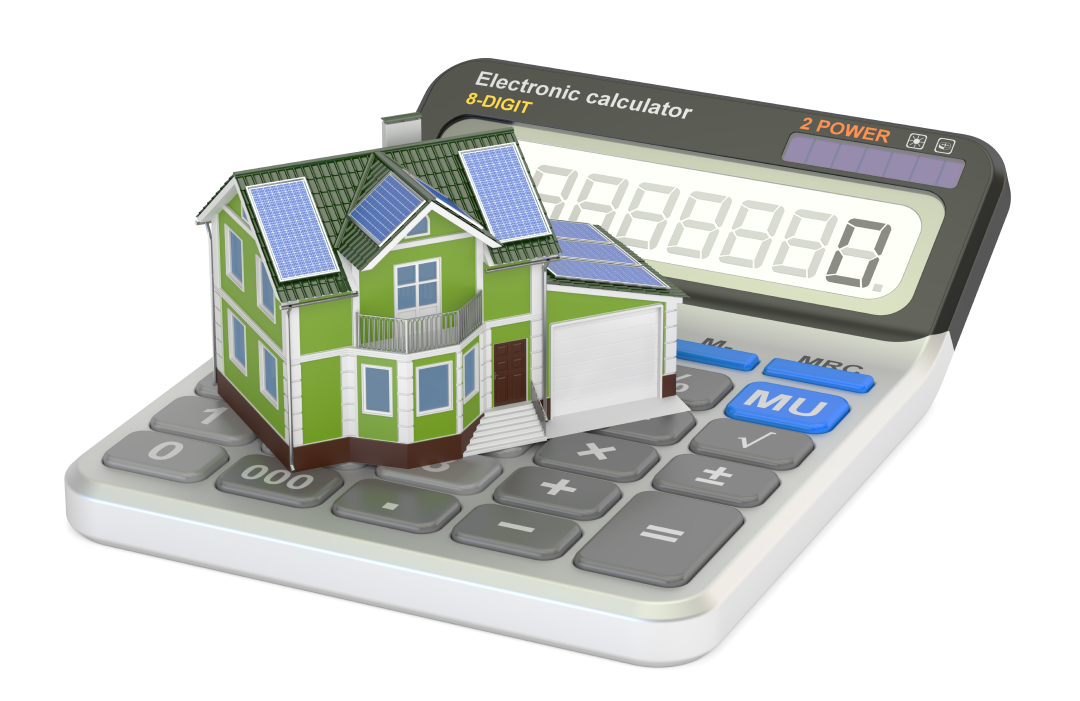
On average, residential solar installations will cost around $15,000. However, solar panel costs can vary depending on where you live, the size of your house, and the type of system you choose. Smaller units may cost as low as $10,000, while larger ones may cost upwards of $40,000.
When it comes to solar panel maintenance, there's very little maintenance required, especially if the panels are tilted since these do not collect much dust.
That being said, hiring a professional solar panel cleaning service provider to maintain your system once or twice a year should be sufficient. Cleaning costs around $15 to $35 a panel, or around $450 and up for most houses.
Cost Per Panel vs. Full System Cost
When you start looking into solar, you might see prices listed "per panel," but that figure doesn't really capture the full picture. It’s much more useful to consider the full system cost, which covers not just the panels but also the inverter, mounting hardware, wiring, and professional installation. For a typical residential solar installation in California, the average cost is around $15,000. Of course, this can vary. A smaller system might be closer to $10,000, while a larger home with higher energy needs could see costs upwards of $40,000. Your final price depends on your home's size, your family's electricity usage, and the equipment you select. To get a personalized idea of the investment for your home, you can use an estimate calculator to run the numbers.
Incentives and Tax Credits
That total system cost might seem high at first, but here’s the good news: it’s rarely the price you actually pay. Thanks to various financial incentives, solar power is often more affordable in the long run than continuing to buy electricity from your utility company. These programs are specifically designed to make the switch to clean energy more accessible for homeowners like you. Tax credits, rebates, and other local programs can dramatically reduce the upfront cost of installing a solar panel system. It's helpful to think of these incentives as a significant discount on your investment in solar solutions, making the financial benefits clear from the very beginning.
The Federal Solar Tax Credit
The most impactful of these incentives is the Federal Solar Tax Credit. It’s important to know this isn't just a deduction—it's a dollar-for-dollar credit that directly reduces the federal income tax you owe. This credit allows you to subtract 30% of your total system cost from your tax bill. For example, on a $15,000 system, that’s a $4,500 credit, which brings your net cost down to just $10,500. The credit applies to the entire project cost, including the panels, labor, and even an associated battery backup system. It’s a powerful tool that makes going solar a much more manageable and affordable investment for many California families.
Your Step-by-Step Guide to Going Solar
Going solar is a significant decision. The first step to making it an easy one is doing your due diligence in locating a reliable and seasoned solar panel company. A competent company will thoroughly review your property, give you a fair estimation of solar panel installation costs, and assess any tax credits or incentives you may qualify for.
Once you've chosen the best solar panels for your needs, an installer will handle all the permits, paperwork, and installation arrangement. After that, they'll mount your system to your roof before connecting it to the electrical grid.
To enjoy a complete, sustainable energy solution for your residential or commercial property, seek out a solar panel installation company that not only installs panels but also provides roofing and maintenance services. This way, you can be sure of receiving an optimal renewable energy setup.

AMECO Solar & Roofing has been the premier supplier of solar panels in California for nearly 50 years. Our full suite of services includes consultation, design, installation, roofing maintenance, and more — providing you with an end-to-end solution for all your needs. Whether it's customer service or craftsmanship quality, our clients rest easy knowing that with AMECO Solar & Roofing, they get nothing but excellence.
AMECO also offers a Holiday exclusive deal to power your solar savings. Upgrade now and enjoy high-quality solar or roofing installations at a fraction of the cost, valid only until December 31, 2022. With $1,000 off on projects over $20K, or $500 off on projects below $20K, this season's offer will ensure you save big while bringing lasting energy efficiency into your home or business.
To learn more about how we can assist you with going solar, don't hesitate to visit our website or use our Estimate Calculator for a hassle-free start on your renewable energy journey.
Sizing Your System Correctly
Figuring out the right number of solar panels for your home isn't a guessing game; it's all about your specific energy usage. A professional consultation will analyze your electricity bills to design a system that meets your needs. For most residential homes, the cost for a complete solar installation typically falls between $15,000 and $25,000. However, it's important to remember that this is before you factor in valuable incentives like the 30% federal solar tax credit, which can significantly reduce the upfront investment. To get a clearer picture of what a system might cost for your home, you can use an estimate calculator to explore your potential savings and system size.
Installation and Placement Options
Solar panels are typically installed together in groups called "arrays" or systems. A complete system is more than just the panels you see on the roof. It also includes a crucial component called an inverter, which converts the direct current (DC) electricity the panels generate into the alternating current (AC) electricity your home's appliances use. Depending on your goals, your system might also include other hardware, like a battery backup to store excess energy for use during blackouts or devices that help the panels track the sun's movement throughout the day for maximum efficiency. The right combination of components ensures you get the most out of your investment in clean energy.
Creative Applications: Solar Canopies and Vertical Arrays
When you think of solar, you probably picture panels on a rooftop, but the placement options are more creative than you might think. Solar canopies are a fantastic example. These are panels installed on top of structures like carports or pergolas, serving a dual purpose. They generate clean electricity while also providing valuable shade for your car or patio. This is an especially great solution if you have an electric vehicle (EV), as the canopy can directly power your EV charger. This kind of innovative thinking allows homeowners to integrate solar power seamlessly into their properties, even if a traditional roof installation isn't the perfect fit.
Practical Installation Details
Once you decide to move forward, a professional installer takes the lead, managing the entire process for you. A quality company will handle all the necessary permits, local paperwork, and the complete installation arrangement, making the transition smooth and stress-free. The installation team will securely mount the system to your roof and then connect it to the electrical grid. This is where working with an experienced company like AMECO, which has combined roofing and solar expertise for decades, really pays off. Our integrated approach ensures that both your roof and your new solar system are in perfect harmony, protecting your home and your investment.
Maintaining Your System and Protecting the Environment
One of the best things about modern solar panels is how tough and self-sufficient they are. They are built to withstand the elements and require very little day-to-day upkeep from you. However, a little bit of care can go a long way in helping them last longer and perform at their peak. Simple maintenance ensures your system continues to generate the maximum amount of clean energy for years to come. Think of it as simple preventative care for one of your home's hardest-working assets. Taking these small steps helps protect your investment and maximizes your contribution to a cleaner environment.
The Importance of Regular Cleaning
While solar panels are low-maintenance, they aren't "no-maintenance." Over time, a layer of dust, dirt, pollen, and bird droppings can accumulate on the surface. In particularly dusty areas, this buildup can reduce a panel's power output by a surprising amount—sometimes up to 30%. To keep your system running at peak efficiency, it's a good idea to have your panels cleaned periodically. While a good rainstorm can help, professional cleaning is often a worthwhile investment to ensure you're getting every bit of electricity you can from the sun, which translates directly into greater savings on your energy bill.
Safety and End-of-Life Recycling
As more people embrace solar power, it's important to consider the entire lifecycle of the panels. The solar industry is actively working on sustainable solutions for panel disposal, and the good news is that solar panels are highly recyclable. Most parts of a modern solar panel, including up to 95% of materials like glass and metals, can be recovered and reused. By choosing a reputable installer, you're not only generating clean energy now but also supporting an industry that is committed to responsible end-of-life management, ensuring that today's green solution doesn't become tomorrow's environmental problem.
Frequently Asked Questions
How long will my solar panels actually last? You can expect your solar panels to have a useful life of 25 to 30 years, and some high-quality models can last even longer. They don't suddenly stop working after this time; their electricity production just gradually declines. Even after 25 years, your panels should still operate at over 80% of their original capacity, continuing to provide significant energy savings for your home.
What's the difference between a panel's wattage and its efficiency? A panel's wattage is a measure of its power output under ideal lab conditions, telling you its maximum potential to produce electricity. Efficiency, on the other hand, tells you how well the panel converts sunlight into electricity. A higher efficiency rating means the panel can generate more power from a smaller surface area, which is especially useful for homes with limited roof space.
Do I need a battery with my solar panels? A battery isn't required, but it's a powerful addition for achieving true energy independence. A solar battery stores the excess energy your panels produce during the day. You can then use that stored power at night or, more importantly, during a power outage. For California homeowners facing blackouts, a battery provides peace of mind and keeps your essential appliances running when the grid goes down.
Will I have to do a lot of maintenance on my solar panels? Solar panels are surprisingly low-maintenance. They are built to be durable and withstand the elements. While rain can wash away some debris, a layer of dust, pollen, or bird droppings can build up over time and reduce efficiency. We recommend having your panels professionally cleaned once or twice a year to ensure they are performing at their best and maximizing your energy savings.
How much does a solar system really cost after all the incentives? The initial cost for a residential solar system is typically between $15,000 and $25,000, but that's not the price you'll actually pay. The most significant incentive is the Federal Solar Tax Credit, which allows you to subtract 30% of the total system cost directly from your federal income tax. For a $20,000 system, that's a $6,000 credit, bringing your net cost down to $14,000.
Key Takeaways
- Understand the complete system: A solar installation is more than just panels; it includes a critical inverter to convert power for your home and monitoring software to track energy production. For total energy control, a battery can store excess power for use during outages or at night.
- Solar is a durable, long-term asset: Modern solar panels are designed to produce clean energy for 25 to 30 years and require very little maintenance. Strong performance warranties guarantee their output for decades, ensuring a reliable return on your investment.
- Financial incentives significantly lower the cost: The final price you pay for a solar system is often much lower than the initial quote, thanks to programs like the 30% Federal Solar Tax Credit. This credit directly reduces your tax liability, making the switch to solar an affordable and practical choice.


.svg)
