


How to Compare Solar Installation Companies in California
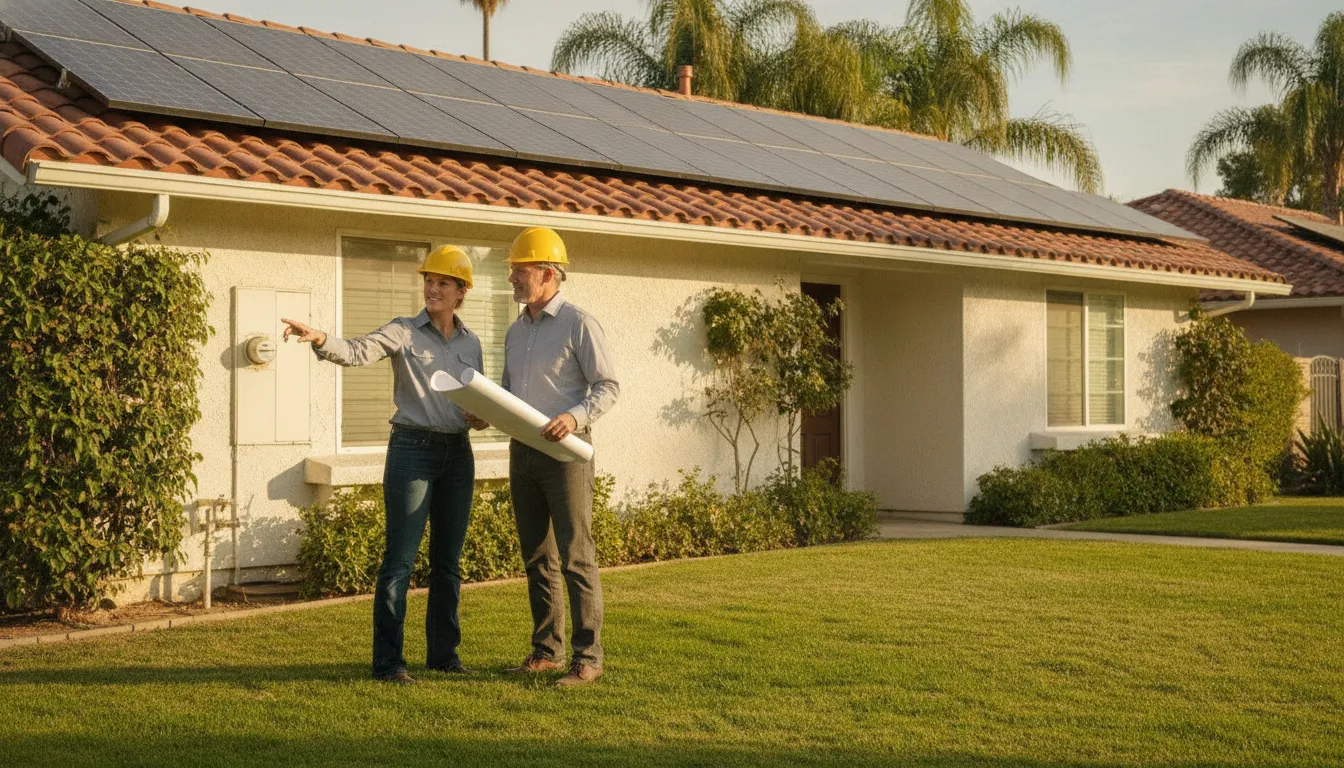
Choosing among solar installation companies in California is about more than comparing the size of a proposed system or the number at the bottom of a quote. The right installer should be able to explain how the design fits your home, roof, utility territory, equipment preferences, and long-term plans. This guide gives California homeowners a practical way to compare companies before requesting proposals or signing a contract.
Get An Estimate from AMECO Solar & Roofing when you are ready to discuss a project designed for your property.
What should you verify before comparing solar installers?
Before comparing proposals, verify that each company is properly licensed for the work it offers, carries appropriate insurance, explains who will perform the installation, and has a track record you can evaluate. The California Contractors State License Board recommends checking a contractor's license status and hiring practices before work begins. A polished proposal cannot replace basic due diligence.
- Look up the contractor through the California Contractors State License Board license search.
- Ask whether the company handles solar, roofing, electrical, and battery work directly or uses subcontractors.
- Request current proof of general liability insurance and workers' compensation coverage where applicable.
- Ask for recent project examples in California homes with similar roof and electrical conditions.
- Confirm who will be your point of contact after the system is installed.
The U.S. Department of Energy also recommends comparing installer credentials, experience, equipment, and proposals rather than choosing on price alone. You can read its guidance on choosing a qualified solar installer as a second reference point.
How do you compare the installation company's service model?
Two companies can sell similar panels while delivering very different customer experiences. Compare who manages design, permitting, utility coordination, roof preparation, installation, inspections, monitoring, and service. A company that clearly owns the process can make accountability easier to understand than a sales organization that passes each stage to an unknown third party.
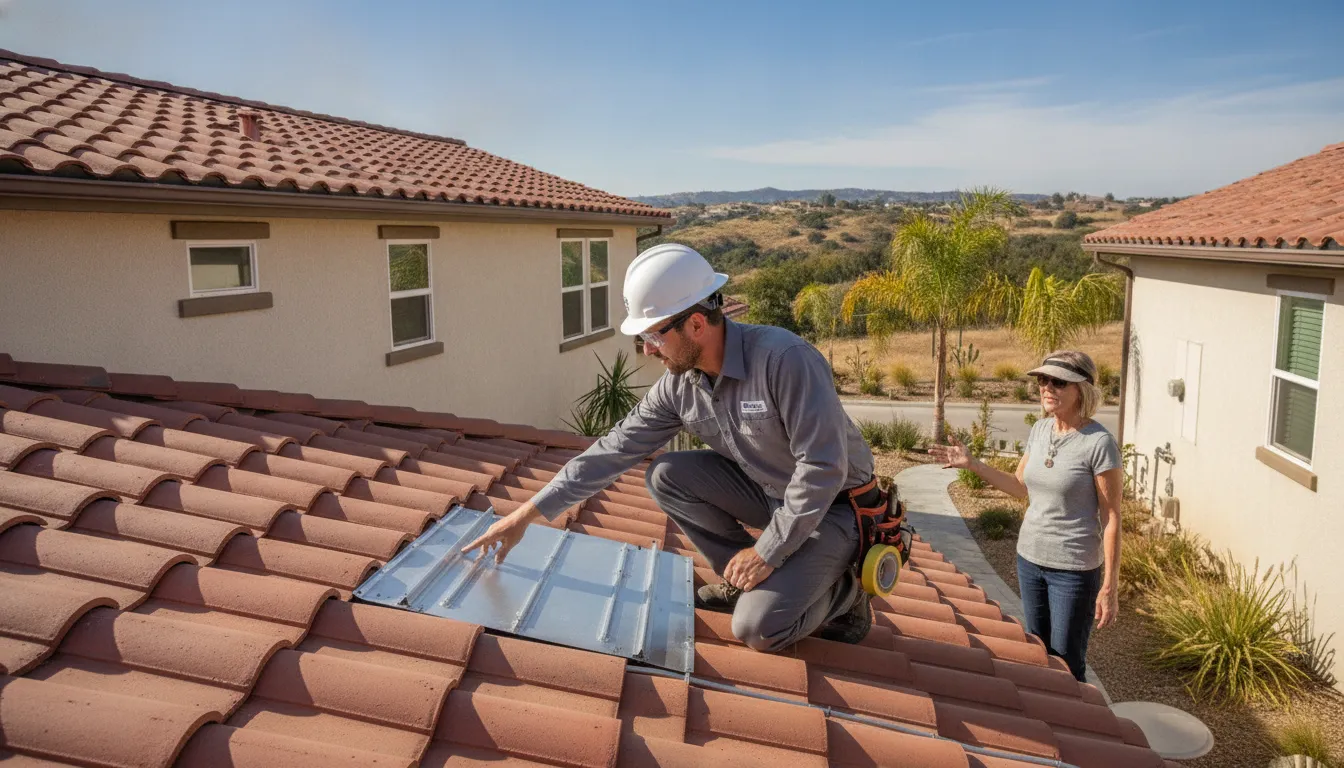
Ask each installer to describe the handoff from the first consultation to the finished system. Important questions include:
- Who performs the site assessment and final system design?
- Who obtains permits and coordinates inspections with the local authority?
- Who submits the interconnection application to the utility?
- Who installs the array, inverter, battery, and electrical equipment?
- Who answers service questions if production or monitoring does not work as expected?
AMECO Solar & Roofing combines solar installation with roofing, battery backup, and EV charging services for California homeowners and businesses. Its end-to-end approach is one example of a service model to evaluate. The important comparison is not simply whether a company offers many services. It is whether the company explains responsibility for each stage and gives you a clear path to support.
What should a California solar proposal include?
A useful proposal should let you understand the recommended system, the assumptions behind it, and the work included. It should identify the property-specific design, expected production methodology, equipment, electrical scope, roof conditions, permitting responsibilities, utility process, payment terms, and post-installation support. If an important assumption is missing, ask for it in writing before comparing totals.
| Proposal area | What to compare | Why it matters |
|---|---|---|
| System design | Panel layout, system size, shade assumptions, production estimate | Shows whether the recommendation reflects your home |
| Equipment | Panel, inverter, battery, monitoring, and electrical specifications | Clarifies what is included and how the system will operate |
| Project scope | Roof work, main-panel changes, permits, inspections, and utility coordination | Reduces the risk of unexpected responsibilities or exclusions |
| Support | Warranty documents, service contact, monitoring access, and escalation path | Defines what happens after installation |
Be cautious with proposals that make broad savings promises without explaining the utility rate assumptions, energy use, battery behavior, roof condition, or incentive eligibility behind them. Your final figures depend on the property, equipment, utility territory, energy consumption, and applicable programs. Use an online solar cost calculator for an initial estimate, then ask an installer to validate the assumptions for your home.
How should you compare solar equipment and battery options?
Equipment should be compared as part of a system, not as a list of brand names. Ask how panel output, inverter architecture, battery capacity, backup circuits, monitoring, roof orientation, and future electrical loads fit together. The best configuration depends on your goals, such as bill reduction, outage protection, EV charging, or planned home improvements.
For each proposal, record:
- The panel manufacturer and model, along with the system's proposed capacity.
- The inverter design and whether the system can support the battery configuration proposed.
- The battery's usable capacity, backup loads, operating mode, and monitoring method.
- How the design handles shade, roof orientation, electrical-panel limitations, and future loads.
- What equipment is included now and what would require a later change order.
Do not choose a battery solely because it has the largest stated capacity. A battery may be used for selected backup loads, rate-management strategies, or both. Ask the installer to explain which circuits it will support, how long backup may last under different loads, and what happens when the battery is depleted. AMECO's battery backup service is a useful reference for the kinds of questions homeowners should ask about storage.
Why does roof and electrical expertise matter?
Solar work changes a roof and connects new electrical equipment to the home. The installer should identify roof age, material, penetrations, structural considerations, attic access, electrical-panel capacity, and any needed upgrades before finalizing the scope. Addressing those details early can reduce avoidable delays, rework, and disagreements about what the proposal includes.
This is especially important for California homes with tile roofs, older electrical panels, recent additions, or a roof that may need replacement during the life of the solar system. Ask for a written explanation if the installer recommends roofing work, including whether the roof work is performed by the same company or a separate contractor. If solar and roofing are planned together, confirm how the teams coordinate flashing, waterproofing, panel removal, and reinstallation.
AMECO Solar & Roofing is positioned around the combined solar and roofing project. Its roofing services can be compared with any separate roofing scope in another proposal. The goal is not to assume that an integrated contractor is always the right choice. The goal is to make sure roof responsibility is explicit before you sign.
Calculate Your Project with a property-specific conversation before you compare proposals only by headline price.
What questions should you ask about permits and utility coordination?
Permitting and utility interconnection are essential parts of a solar project, not administrative details to leave unexplained. Ask which permits the installer will obtain, who schedules inspections, what documents you will receive, and who communicates with the utility. A responsible company should explain the sequence without promising a universal approval date because local requirements and utility conditions vary.
- Which permits are included in the proposal?
- Who responds if the building department requests a design revision?
- Who submits the interconnection application and tracks its status?
- What approvals must be completed before the system can operate?
- Which project milestones trigger customer decisions or payments?
Compare the clarity of the answers, not just the number of steps. A proposal that names the responsible party for each approval gives you a better way to monitor progress. Be wary of anyone who guarantees an approval date without reviewing your property and utility territory.
How can you compare warranties and long-term support?
Solar support has several parts, so do not treat the word warranty as a complete answer. Compare the equipment manufacturer's coverage, installation workmanship coverage, roof-related responsibilities, battery coverage, monitoring support, and the process for making a claim. Ask whether service is handled locally, by the manufacturer, or through a third-party provider.
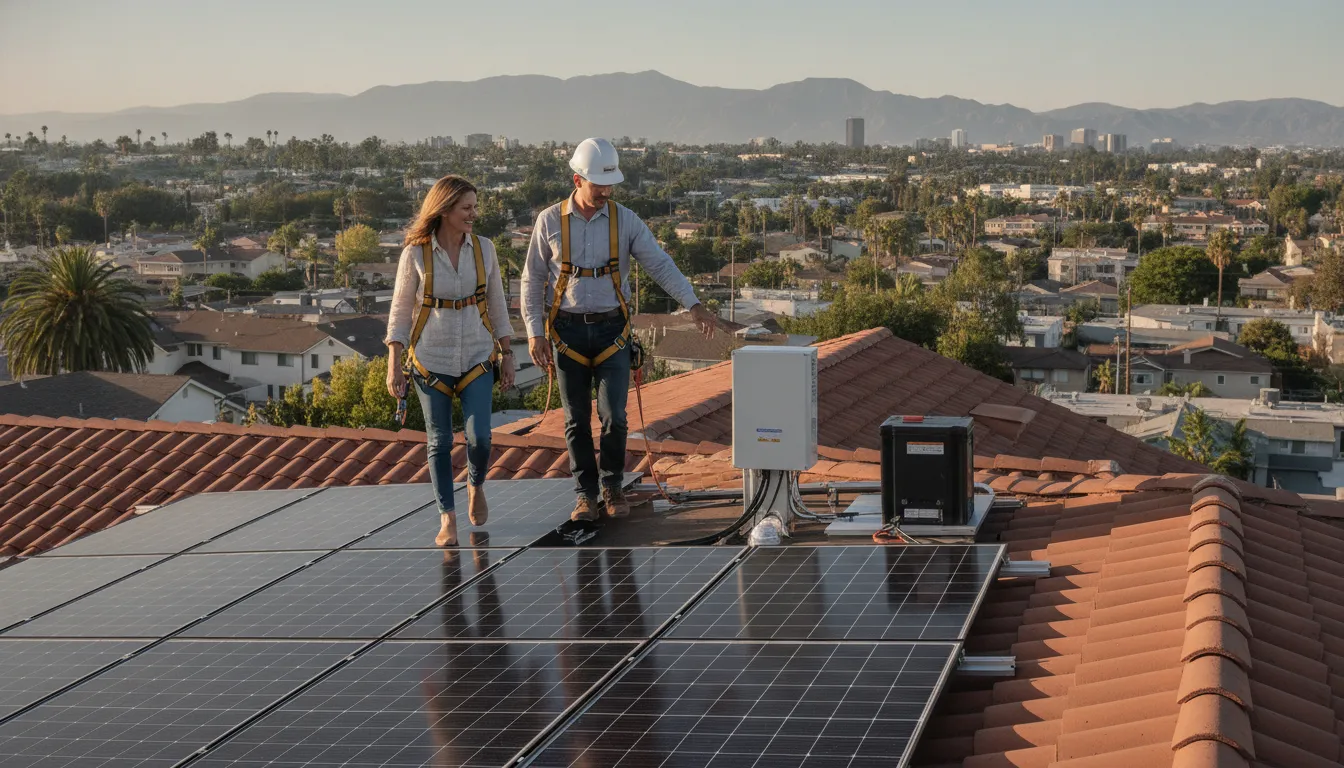
Keep copies of the proposal, equipment data sheets, contract, permits, inspection records, utility approval, and monitoring instructions. Ask these practical questions:
- Who do I contact if production appears lower than expected?
- Who handles a roof leak near a solar attachment point?
- What information is needed to start a warranty claim?
- How will I access monitoring after the project is complete?
- What happens if the installer changes ownership or stops serving my area?
Clear documentation and a named service path often matter more than a large warranty number that you cannot interpret. Ask each company to explain exclusions in plain language and compare the written terms, not only the sales presentation.
What are the red flags when comparing solar companies?
Red flags are usually visible in the process before they appear in the finished system. Slow or evasive answers, pressure to sign immediately, incomplete proposals, unexplained subcontracting, unsupported savings claims, and reluctance to discuss roof conditions all deserve closer review. A reputable installer should give you enough information to make a considered decision.
- The salesperson cannot identify the company responsible for installation.
- The proposal omits the roof, electrical, permit, or utility scope.
- The company uses guarantees that ignore property and utility variables.
- You are discouraged from checking the license, contract, or references.
- The proposal changes verbally but not in the written contract.
- The company says a battery will power the entire home without discussing load limits.
One concern is not automatically proof that a company is unsuitable. Use red flags as prompts for follow-up. If the answer is incomplete or changes from one conversation to the next, compare another installer before committing.
How do you make an apples-to-apples installer comparison?
After collecting proposals, place the answers in one worksheet. Compare the same categories in the same order, and separate confirmed scope from assumptions. This approach helps you see whether a lower headline figure reflects a smaller system, fewer included services, different equipment, or work that has been left for a later decision.
- Verify each company's license, insurance, experience, and installation responsibility.
- Normalize system size, panel layout, inverter approach, battery scope, and monitoring.
- List every roof, electrical, permit, inspection, and utility responsibility.
- Compare the written contract, payment milestones, cancellation terms, warranties, and service path.
- Ask each installer the same unanswered questions and save the written responses.
- Choose the company that offers the clearest fit for your property and priorities, not simply the most persuasive presentation.
For additional preparation, review AMECO's guide to questions to ask solar contractor firms. If you want to understand the design side of the decision, the California solar system design guide covers a different part of the planning process.
What should California homeowners ask before choosing a solar installer?
California homeowners should ask who will design and install the system, how the company will assess the roof and electrical service, which permits and utility steps are included, what equipment and battery assumptions drive the proposal, and how support works after installation. They should verify the license and compare complete written scopes from more than one qualified company.
Should I compare three solar installation companies?
Comparing multiple qualified companies can help you identify differences in design, scope, equipment, and support. The right number depends on your project and the quality of the proposals, but each company should receive the same basic information so the comparison is fair.
Is the lowest solar proposal the best choice?
Not necessarily. A lower proposal may reflect a different system size, excluded roof or electrical work, different equipment, or fewer support services. Compare the complete written scope and assumptions before deciding which proposal offers the best fit for your home.
What should a solar installer inspect?
A solar installer should evaluate roof condition and material, usable roof area, shade, structural and attachment considerations, electrical-panel capacity, service access, and the loads you want to support. The final review should also account for permitting and utility requirements.
Should I use a company that offers both roofing and solar?
An integrated solar and roofing company can simplify responsibility when the roof needs work before or during installation. It is still important to verify licenses, written scope, insurance, workmanship coverage, and the exact team performing each part of the project.
What is the next step after comparing solar companies?
Once you have verified the companies and normalized their proposals, choose the installer that can clearly explain the design, scope, roof and electrical plan, approvals, equipment, contract, and long-term support. AMECO Solar & Roofing serves California homeowners with solar, roofing, battery backup, and EV charging options. Project-specific recommendations should follow a property review rather than a generic promise.
Schedule Now to discuss your California solar and roofing project with AMECO Solar & Roofing.


.svg)
