


Pros and Cons of Solar Battery Storage in California
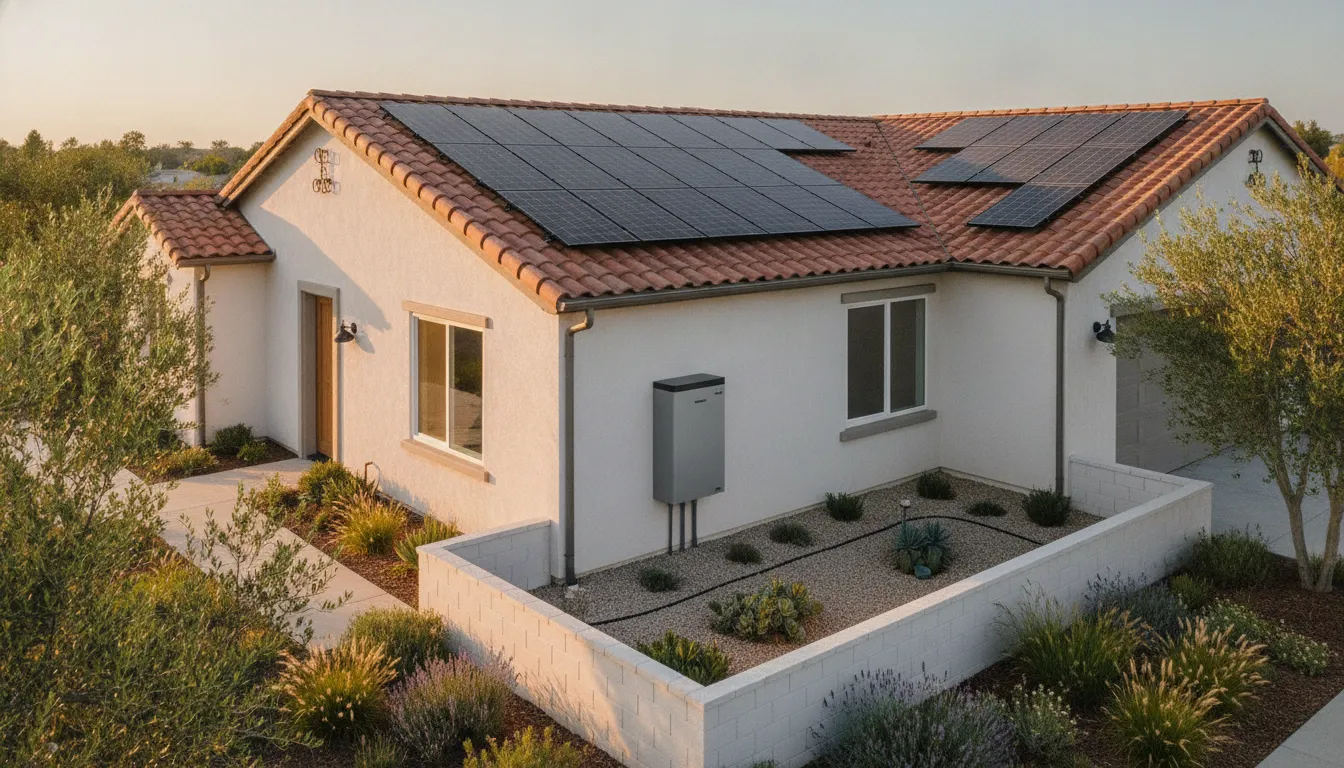
California homeowners rarely add a battery for just one reason. A storage system may help keep selected essentials running during an outage and shift solar energy into evening hours. It can also give a household more control over when it draws electricity from the grid. But it adds equipment, installation requirements, capacity limits, and long-term planning decisions.
The pros and cons of solar battery storage depend on your goals, energy use, utility territory, and property. The potential benefits include outage resilience, time-of-use flexibility, and greater self-consumption. The tradeoffs can include upfront cost, limited usable capacity, battery degradation, maintenance, and the need for compatible backup controls. There is no single right system for every California home.
A useful decision starts by separating the value you want from the hardware required to deliver it. Before you Get An Estimate, consider which loads must operate during an outage. Review how your home uses energy throughout the day and what your roof and electrical system can support. Those factors frame the benefits and limitations that follow.
What Are the Pros and Cons of Solar Battery Storage?
The right question is not whether a battery is universally good or bad. It is whether its benefits match your household's priorities closely enough to justify the added equipment and investment. For one California homeowner, outage resilience may be the deciding factor. For another, limited storage capacity or the need to prioritize specific circuits may make a battery less attractive.
Solar-plus-storage can provide backup power during an electric-grid outage, but the result depends on the system design and the loads you want to support. The U.S. Department of Energy explains that solar and storage systems can provide backup power during outages. The agency also notes that resilient systems must operate independently from the grid when the grid is unavailable. In practice, that makes the electrical design as important as the battery itself.
| Potential advantage | Potential limitation | Decision question |
|---|---|---|
| Can provide backup power during an outage when the system is designed for that purpose. Read the DOE resilience analysis. | A battery has limited storage capacity, so it may not support every load or a large amount of energy use at once. | Which appliances and circuits must remain available during an outage? |
| Can give a household more control over when stored energy is used. | Adding storage increases the solar system's initial cost and upfront investment. | Is resilience or greater control important enough to justify the added investment? |
| Can be part of a customized energy plan rather than a one-size-fits-all purchase. | Household energy needs and potential savings vary with home size, occupants, electricity use, and provider. | Has the design been based on your load profile, utility territory, and property? |
Capacity is a central tradeoff. A system sized for selected essentials may fit a household's priorities, while a home seeking broader backup may need a different design. That does not make either approach inherently better. It changes the equipment requirements and the outcome during an outage.
The financial case also requires a property-specific review. The DOE notes that there is no universal solar solution for every homeowner, and household savings cannot be reduced to one average figure. A battery decision should therefore account for your electricity use, utility provider, outage concerns, and desired backup configuration rather than relying on a generic promise.
For a broader explanation of how storage supports household energy needs, see this guide to home solar battery backup. Use that background to clarify your goals, then compare proposals by the loads supported, usable capacity, system design, and total project scope. Those details will tell you more than a battery's nameplate capacity or a broad claim about savings.
How Do the Pros and Cons of Solar Battery Storage Affect Outage Planning?
A solar battery can change how a home uses electricity, but it does not make the property automatically independent from the grid. During sunny hours, the battery can store excess solar generation for use at night or when solar production is low. That stored energy may also support selected appliances during an outage. The practical benefit is greater control over when electricity is available, not a guarantee that every circuit will remain energized.
Solar-plus-storage systems can provide backup power during grid outages, according to the U.S. Department of Energy. However, a resilient system must disconnect from the utility and operate independently while the grid is down. This process is called islanding. Without the right inverter settings, transfer equipment, and controls. A typical grid-tied solar array will shut down during an outage rather than continue sending power into the home's electrical system. The Department of Energy's resilience guidance explains why islanding is central to safe backup operation.
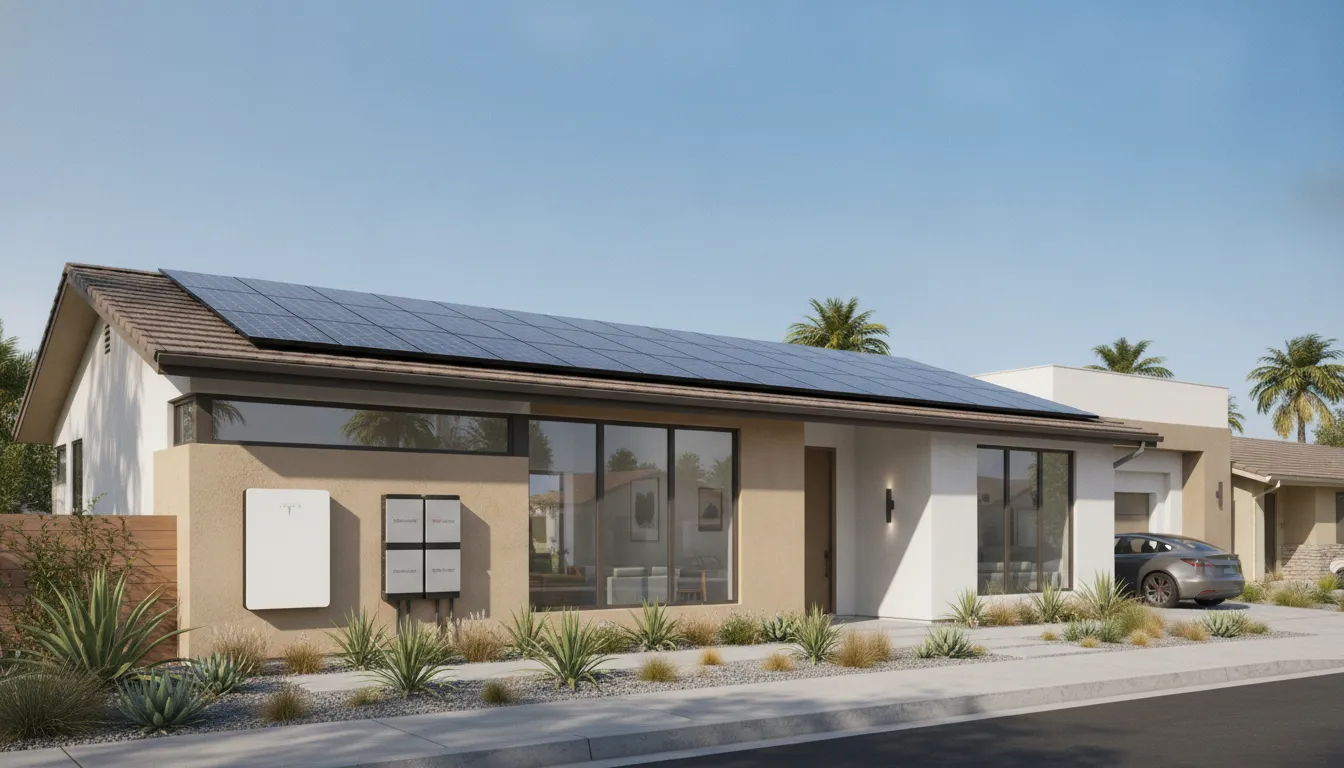
What can a battery power during an outage?
Most backup designs begin with critical loads. A critical-load panel or similar control setup can direct stored energy to essentials such as lights, a refrigerator, internet equipment, or selected medical devices. Transfer switches, critical-load panels, and appropriate controls can allow a solar-storage system to function as a small, self-sufficient microgrid while utility service is unavailable. The exact circuits depend on the home's wiring, the battery's output, and the system design.
That distinction matters when comparing the solar batteries for California outages. A battery sized for essential circuits may not support central air conditioning, electric resistance heating, pool equipment, large water heaters, or several high-demand appliances at the same time. Whole-home backup may require additional equipment or multiple battery units, and even then, available energy and power output remain finite. Ask an installer to identify the circuits covered, the battery's continuous and peak power, and how the system handles motor starting loads.
How does storage support energy independence?
Storage lets a household use more of its own solar generation after sunset instead of relying on the grid at every hour. It can also reduce dependence on fossil-fuel-generated electricity when excess solar energy is stored and used later. Those advantages are meaningful for California homeowners managing outages or seeking more control over their energy use. Still, independence is relative. Weather, household demand, battery capacity, equipment limits, and utility conditions all affect the result. There is no universal solar solution, so the design should reflect the home's actual load profile and the homeowner's priorities.
When Do Time-of-Use Rates Make Storage More Useful?
A battery becomes more useful for load shifting when your household produces much of its solar electricity during daylight but uses more power later. Solar panels generate only when light is available, while many homes use electricity in the late afternoon and evening. Storage can bridge that mismatch by charging from solar during the day and supplying some household demand after solar production declines.
A simple example is a system that charges from daytime solar production, then helps power the home later in the day. The exact operating window should not be treated as a universal schedule. Battery controls may be programmed around your household load profile, solar production, utility rules, and the equipment installed at the property.
Why does the utility territory matter?
California homeowners do not all receive the same treatment for electricity exported to the grid. The utility's compensation rules differ, and time-of-use schedules can vary by provider and rate plan. A battery may have greater value when exported solar receives less favorable treatment than the electricity a household later purchases, but that conclusion requires a property-specific review. Do not assume that a battery will produce the same result for a home in PG&E, SCE, SDG&E, or LADWP territory.
Start by reviewing average monthly electricity use on your utility bills. That information helps identify when your home consumes energy and whether the battery would regularly charge and discharge in a useful pattern. A home with significant evening demand may have a different storage case from a home that uses most of its electricity during sunny hours.
What are the limits of time-of-use shifting?
Load shifting is not the same as eliminating an electric bill or guaranteeing savings. A battery has limited usable capacity, and its performance depends on solar production, household demand, system controls, and utility compensation. If the battery fills before the home needs the energy, or if evening demand exceeds the stored supply, some electricity may still come from the grid.
For that reason, compare the utility's current schedule and export rules with your actual usage before choosing storage. A qualified installer can model those inputs rather than relying on a generic example. The Department of Energy notes that there is no universal solar solution. And the same principle applies when deciding whether storage is a practical fit for a California home.
Explore custom solar system design with your home's load profile, equipment, and utility territory in mind.
What Are the Main Equipment, Installation, and Capacity Tradeoffs?
A battery proposal is more than a storage box attached to solar panels. It is an integrated electrical system, and the equipment choices determine how energy moves, which circuits can operate, and how the system responds when the grid fails. A complete design may include an inverter, smart meters, energy-management equipment, transfer equipment, and controls. These components must work together rather than being evaluated separately. The solar battery installation process should therefore include both equipment planning and a site-specific electrical review.
Nameplate capacity is not the same as usable capacity
Battery capacity is commonly described in kilowatt-hours, but the nameplate figure is not necessarily the amount of energy a homeowner can use in normal operation. Usable capacity accounts for operating limits and the system's reserve requirements. It is the more meaningful figure when comparing how much stored energy is available for selected loads. Usable storage can also change over time as the battery degrades. So a proposal should explain both the initial usable capacity and the capacity expected later in the system's service life. Limited storage capacity can be a disadvantage for a household seeking extended backup or trying to run many large loads.
Capacity is only half of the question. Continuous power describes how much demand the system can support steadily. Peak power describes the higher, short-term output available for starting or handling certain loads. A system with adequate kilowatt-hours may still be a poor fit if its continuous or peak power does not match the home's appliances. Ask the installer to evaluate starting surges from equipment such as pumps, compressors, or heating and cooling systems instead of sizing the system from energy capacity alone.
Critical-load and whole-home designs have different tradeoffs
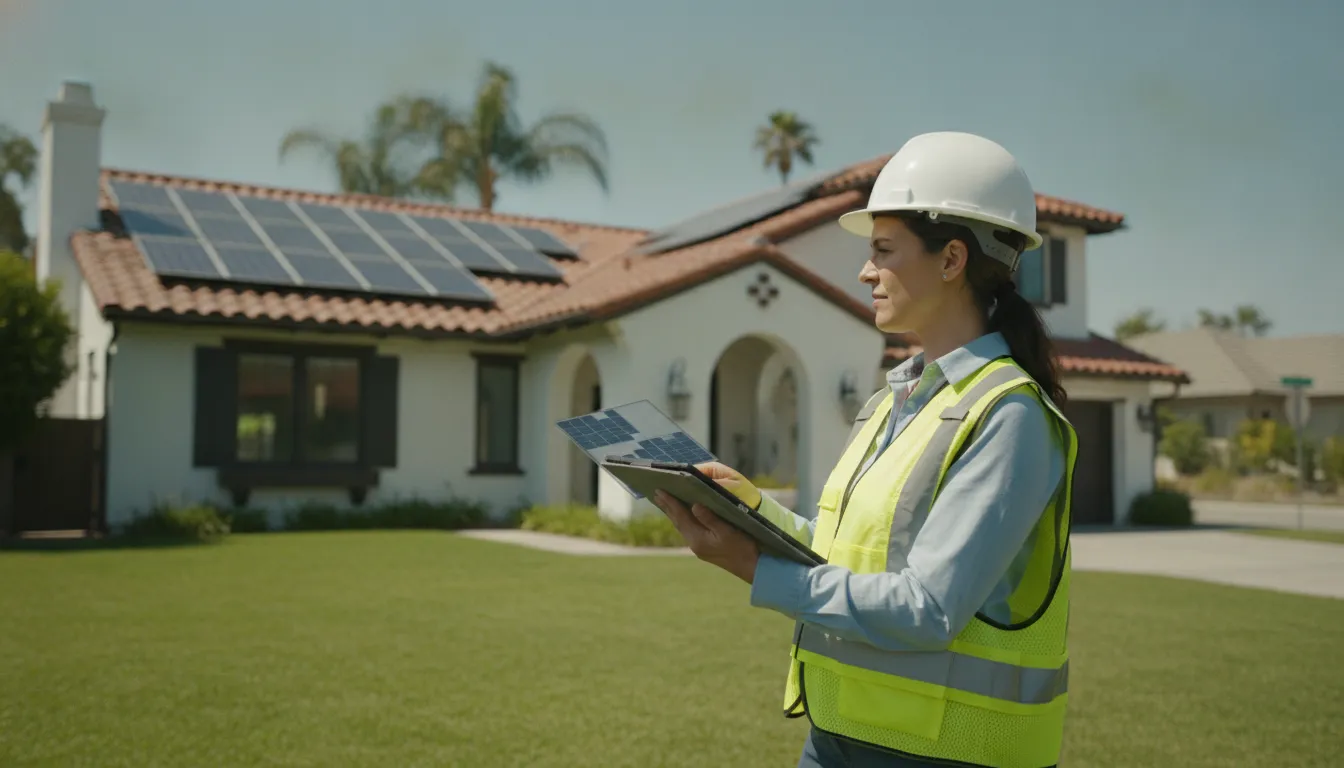
Many systems are configured to keep selected essentials operating during an outage. A critical-load panel may prioritize refrigeration, lighting, internet equipment, medical devices, or other circuits the household identifies in advance. This approach can reduce the amount of storage and power equipment required, but nonessential or high-demand circuits remain unavailable during an outage. Whole-home backup aims at broader coverage, yet it may require additional batteries, larger power electronics, more complex controls, and a closer review of the home's electrical service. The right choice depends on the loads that matter most, the property's conditions, and the homeowner's resilience goals.
Installation quality and site conditions affect the decision
Battery safety depends on proper installation, protection from damage, and suitable ventilation. The site assessment should review roof condition when solar work is included, electrical compatibility, and structural load capacity. It should also address equipment location, clearances, wiring, shutoff provisions, permitting, and utility coordination. These details can add complexity, but they reduce the risk of designing a system that cannot be safely installed or commissioned.
For a California home, a responsible process includes custom design, on-site measurements, permitting and utility coordination, installation, commissioning, and customer training. Because there is no universal solar solution, compare proposals by asking what is included, which circuits are backed up. How usable and continuous capacity are calculated, and how the inverter, meters, and controls operate together. Final suitability depends on energy use, equipment selection, utility territory, and the home's roof, electrical, and structural conditions.
How Should Homeowners Think About Maintenance and Replacement Planning?
A battery is a long-term electrical asset, not a set-and-forget appliance. Planning should account for how the system will be monitored, serviced, expanded, and eventually replaced. The amount of usable storage can decline over time as the battery degrades, so the capacity available several years after installation may not match the original nameplate rating. That distinction matters when you are planning for evening use or backup loads. Battery degradation affects usable energy storage over time, and it should be part of the design conversation from the beginning.
Monitoring and connectivity deserve practical attention. Ask whether the system includes an app or portal, what information it reports, and whether an internet connection is required for remote monitoring, software functions, or warranty support. Also ask who reviews alerts and what happens when communication fails. A monitoring screen is useful only when someone understands the alert and has a defined process for responding to it.
What should the warranty actually cover?
Warranty language varies by manufacturer and proposal, so do not treat any current term as universal or assume that the warranty covers every service need. As general industry context, one source describes many home battery warranties as lasting around 10 to 15 years. While solar panels often have an expected service life of 25 to 30 years. Those figures are not AMECO guarantees, and the specific equipment, operating conditions, installation, and contract control the actual terms. Battery and panel service-life figures can differ.
Before signing, request clear answers about guaranteed capacity at a stated point in time, cycle limits, parts and labor coverage, response procedures, and exclusions. A warranty that describes the battery but not the labor needed to diagnose or replace it may leave an important cost assumption unanswered. Connectivity requirements should be written down as well, especially if maintaining an internet connection affects support eligibility. A proposal should also explain whether expansion is supported, whether added units must match the original equipment, and how future changes could affect controls or capacity.
How can replacement planning avoid surprises?
Think beyond the first installation. Solar panels and batteries may reach replacement decisions at different times, and a future battery may not integrate with the original inverter, transfer equipment, or energy-management controls. Ask whether the design leaves a practical path for expansion, what components are likely to require coordinated replacement, and how service access will be handled. The right plan depends on your energy use, equipment, property conditions, and utility territory rather than a universal lifespan or maintenance schedule.
What Questions Should You Ask a Solar Battery Installer?
A proposal is easier to evaluate when it answers practical questions about your home, not just names a battery. The U.S. Department of Energy notes that there is no universal solar solution and advises homeowners to talk with certified installers before buying. Ask the following questions, then compare the answers across proposals.
- How did you audit my home's loads? Ask the installer to explain which appliances and circuits were reviewed. How your utility-bill history and expected future use affect the design, and whether the analysis reflects your actual load profile. A battery decision should be based on energy use, equipment, property conditions, and utility territory rather than a one-size-fits-all package. The Department of Energy's homeowner guide is a useful starting point for the evaluation.
- What is the battery's usable capacity, rather than only its nameplate capacity? Ask how much stored energy is available for the operating strategy you are considering, and how that figure may change over time. Also ask about guaranteed capacity, cycle limits, labor coverage, and any connectivity requirements tied to service or warranty support. These terms can materially affect how you compare proposals.
- What are the continuous and peak power ratings? Capacity describes stored energy, while power describes how much equipment the system can serve at a given moment. Ask whether the proposed continuous output can support the loads you care about and whether peak power can handle startup demands from equipment such as pumps or compressors. Request the assumptions in writing.
- Will the system back up critical loads or the whole home? Have the installer identify the circuits included in an outage and explain what would be excluded. Critical-load backup may prioritize selected essentials, while whole-home backup can require different equipment or additional battery units. Ask what happens if several large loads operate at once, and do not assume that a battery provides unlimited backup.
- What transfer equipment and controls are included? Ask whether the design uses a transfer switch, critical-load panel, smart meter, inverter, or energy-management equipment, and how those components work together. A backup system must be able to operate independently from the grid during an outage. The transfer equipment and controls should be part of the documented design, not an afterthought.
- What round-trip efficiency should I expect under this design? Ask how much energy is lost while charging and discharging, and whether the stated efficiency applies to the complete installed system or only a component. This helps you understand the difference between energy sent into storage and energy available to your home.
- How will I monitor, maintain, and troubleshoot the system? Ask what the monitoring app shows, whether internet connectivity is required, who receives alerts, and what maintenance the homeowner or installer handles. Confirm how support works if communications fail, and ask what training is provided after commissioning.
- Can the system be expanded or replaced later? Ask whether additional batteries can be integrated with the proposed equipment, what limits apply, and whether future expansion could require changes to the inverter, controls, or electrical equipment. Discuss degradation and replacement planning separately from initial installation. Do not treat warranty duration or service coverage as universal without reviewing the actual terms.
- What roof, electrical, and structural checks are needed? Ask who will assess roof condition, electrical compatibility, and structural load capacity, especially when solar and storage are planned together. These conditions can affect equipment placement and project planning. A coordinated solar battery installation process should make those checks clear before work begins.
- Who handles permitting and utility coordination? Ask which party manages permits, utility requirements, inspections, commissioning, and customer training. Requirements can differ by utility territory, so request a written explanation of what applies to your property and what remains your responsibility.
- Which incentives and program rules are current for my property? Ask the installer to verify current requirements with the relevant utility and authority instead of assuming that a general incentive applies to every project. Final figures depend on system size, load profile, utility rules, equipment, property conditions, and current incentive requirements. A qualified proposal should identify its assumptions and explain what must be confirmed before you commit.
Use the answers to compare fit, not just equipment labels. The right design depends on your priorities, electrical setup, roof conditions, utility territory, and the balance you want between resilience, capacity, complexity, and future flexibility. Review AMECO's home battery backup solutions alongside a project-specific assessment.
Frequently Asked Questions
What are the disadvantages of solar batteries?
The main tradeoffs are added equipment and installation complexity, limited usable capacity, and gradual degradation over time. A battery also may not support every appliance during an outage. Proper design, ventilation, controls, and maintenance matter, so compare the complete system rather than the battery alone.
Is it worth having battery storage with solar panels?
It can be worthwhile when outage resilience, evening energy use, or greater control over solar generation are important priorities. The answer depends on your load profile, utility territory, equipment, property conditions, and goals. There is no universal solution, so review a site-specific design instead of relying on a general payback claim.
What appliances cannot be used with solar power?
During an outage, the limiting factor is usually the backup configuration, usable capacity, and the system's continuous and peak power, not a simple list of appliances. High-demand loads may need to be excluded from a critical-load panel. Ask which circuits are covered and how startup surges are handled.
How well does a solar battery perform during an outage?
A battery can supply selected essential loads when the system includes the hardware and controls needed to operate independently from the grid. Backup performance varies with stored energy, solar conditions, household demand, and system design. Ask whether the proposal covers critical loads or whole-home backup, and what happens as energy is depleted.
What should I ask a solar battery installer?
Ask about usable capacity, continuous and peak power, transfer equipment, monitoring, maintenance, connectivity, expansion, guaranteed capacity, cycle limits, and labor coverage. Also confirm that the assessment considers your roof, electrical system, structural conditions, utility territory, and expected energy use before you approve the design.
Get started with a property-specific battery plan
The right storage setup depends on your energy use, outage priorities, electrical conditions, and utility territory. A property-specific review can help you compare usable capacity, critical-load coverage, installation requirements, and future service considerations before choosing equipment. To discuss your goals and request a tailored recommendation and estimate, Get An Estimate from AMECO Solar & Roofing.


.svg)
