


A Guide to Solar Battery Storage Installation
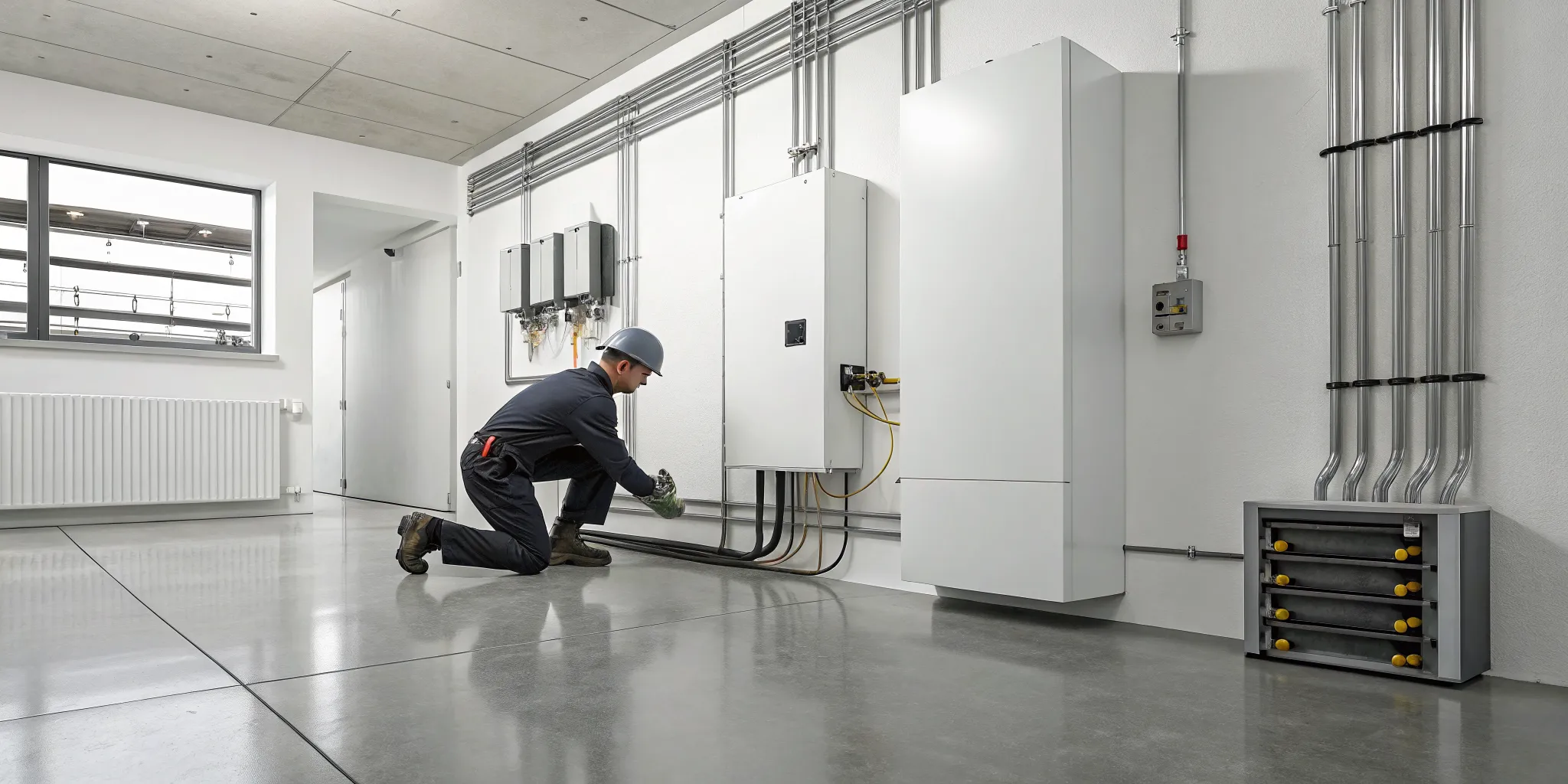
Relying on the grid can feel like you’re not in control of your own home’s power. Utility rates change, and outages can happen without warning, leaving you in the dark. A solar battery puts the power back in your hands. Think of it as your personal energy bank, one that you fill with clean sunshine every day. This stored energy gives you the freedom to power your home on your own terms, especially during peak evening hours or an unexpected blackout. A professional solar battery storage installation is more than a home upgrade; it’s a declaration of energy independence, and this guide will show you how to achieve it.
Key Takeaways
- Gain Energy Independence: A solar battery stores the excess energy your panels produce during the day, creating a personal power reserve. You can use this stored energy at night or during an outage, which reduces your reliance on the utility grid and gives you control over your power.
- Customize Your System for a Smooth Installation: Choosing the right battery size is based on your specific goals, like backing up essential appliances or powering your entire home. A professional installer will handle the technical details, ensuring your new battery works perfectly with your existing solar setup and meets all safety codes.
- Make a Smart Financial Investment: The cost of a solar battery is significantly reduced by the 30% federal tax credit and other local incentives. This investment provides a strong return by lowering your monthly electricity bills and delivering the invaluable peace of mind that comes with reliable backup power.
What is solar battery storage and how does it work?
Think of a solar battery as a personal energy bank for your home. When your solar panels are soaking up the California sun and generating more electricity than you need, that excess power doesn't have to go to waste. Instead of sending it all back to the grid, a solar battery storage system lets you save it for later. This stored energy becomes your own private power reserve, ready to use at night, on cloudy days, or most importantly, during an unexpected power outage.
A battery backup system gives you the ability to make, store, and use your own clean electricity, putting you in the driver's seat of your home's energy. It’s a smart way to get the most out of your solar panel system and ensure your home stays powered, no matter what’s happening with the local grid. It works seamlessly with your solar panels to create a self-sufficient energy ecosystem for your home, providing both savings and security. Let's look at the components that make this possible and how they work together to keep your lights on.
The key parts of a solar battery system
A solar battery system has a few key players that work together to power your home. First, you have the solar solutions themselves: the panels on your roof that capture sunlight and convert it into direct current (DC) electricity. Think of them as the system's power generators. Next is the inverter, which acts as the brain of the operation. It converts the DC electricity from your panels and battery into alternating current (AC) electricity, the type that your home appliances use. Finally, the battery is the heart of the system. It stores all the excess solar energy your panels produce, keeping it safe and ready for when you need it most.
How solar batteries store and release energy
The process is pretty straightforward. During the day, your solar panels are hard at work. If they produce more electricity than your home is using, the extra power automatically flows to your battery to charge it. The battery then holds this energy until you need it. When the sun sets or a power outage occurs, your system intelligently switches over. The battery releases its stored DC power, which the inverter then converts into AC power to run your lights, refrigerator, and other essential appliances. This seamless transition means you can enjoy uninterrupted backup power without even noticing the grid is down, all while using clean, renewable energy you generated yourself.
Why install a solar battery?
If you already have solar panels, you’re familiar with the benefits of generating your own clean energy. But what happens when the sun goes down or the grid experiences an outage? That’s where a solar battery comes in. Adding a battery storage system to your home is the next logical step toward complete energy freedom. It allows you to store the excess power your panels produce during the day and use it whenever you need it, whether that’s during the evening, on a cloudy day, or in the middle of a blackout.
Think of it as your personal energy reserve. A battery gives you a reliable source of backup power, helps you save even more on your utility bills, and makes your home’s energy system as green as possible. For many California homeowners, installing a solar battery is what transforms their home from simply having solar panels to running on a truly independent and resilient power system. It’s about taking full control of the clean energy you create, ensuring you have power when you need it most. This simple addition can fundamentally change how you interact with your home's energy, giving you more stability and control than ever before.
Gain energy independence and backup power
One of the most compelling reasons to install a solar battery is the peace of mind it provides. With California’s grid facing challenges from wildfires and extreme weather, power outages have become a part of life. A solar battery acts as a seamless backup generator, kicking in the moment the grid goes down to keep your lights on and essential appliances running.
Beyond emergency preparedness, a battery helps you become more independent from your utility company. Instead of selling your excess solar power back to the grid for a small credit, you can store it for later. This is especially valuable under Time-of-Use (TOU) rate plans, where electricity costs more during peak evening hours. You can use your stored solar energy during these expensive periods, relying on your own power instead of the grid’s.
Lower your energy bills
A solar battery is a powerful tool for maximizing the financial return of your solar panel system. By storing the excess energy you generate, you can significantly reduce how much power you need to buy from the utility company. This strategy, known as self-consumption, ensures you use every kilowatt-hour your panels produce.
Instead of drawing expensive electricity from the grid every evening, you’ll be using the free, clean energy you stored earlier in the day. This directly translates to lower monthly bills and a faster return on your solar investment. Over time, the savings can be substantial, making a battery a smart financial decision that complements your existing solar solutions. You can even use an estimate calculator to get a clearer picture of your potential savings.
Reduce your carbon footprint
You chose solar to help the planet, and adding a battery takes that commitment a step further. While your panels generate 100% clean energy, you likely still pull power from the grid at night. Depending on the time, that electricity may come from power plants that burn fossil fuels.
By storing your own solar power, you can use more of the clean energy your panels produce, even after the sun goes down. A battery allows you to run your home on renewable energy around the clock, minimizing your reliance on fossil fuels and shrinking your carbon footprint even more. It’s a key part of creating a truly sustainable home and aligns with a forward-thinking approach to green energy.
What are your solar battery options?
Once you decide to add a battery to your solar system, you’ll find there are a few key choices to make. The right options for you will depend on your home’s energy needs, your budget, and whether you’re adding a battery to an existing solar setup or installing everything at once. Thinking through your goals, like having backup power for outages or just lowering your utility bills, will help you find the perfect fit. Let’s walk through the main types of batteries, how they connect to your system, and how to pick the right size.
Lithium-ion vs. LiFePO4: What's the difference?
When you hear "lithium-ion," you might think of the battery in your phone. The batteries used for home energy storage are similar but built for a much bigger job. Within this category, Lithium Iron Phosphate (LiFePO4) batteries have become the top choice for homeowners, and for good reason. They are known for being incredibly safe, long-lasting, and reliable. Compared to other types of lithium-ion batteries, LiFePO4 chemistry is more stable and less prone to overheating. This focus on safety and a longer lifespan makes them an ideal investment for a home battery backup system that you can depend on for years.
AC-coupled vs. DC-coupled systems
This might sound technical, but it’s really about how your battery connects to your solar panels. If you already have solar panels, an AC-coupled system is often the simplest way to add a battery. It connects directly to your home’s electrical panel and works alongside your current setup without requiring major changes. If you’re installing a brand-new solar and battery system together, a DC-coupled system is a great option. It uses a special hybrid inverter to send power from your panels directly to your battery, which is more efficient because it converts the energy fewer times. Our team can walk you through the best approach for your home to ensure you get the most out of your system.
Sizing your battery for your home's needs
Choosing the right battery size comes down to what you want to accomplish. First, you’ll need a clear picture of how much energy your home uses each day. If your main goal is to save money by avoiding high electricity rates during peak hours, a smaller battery (around 10 kWh) might be all you need. This size is also great for partial home backup, keeping essentials like your refrigerator, lights, and Wi-Fi running during an outage. If you want true energy independence and the ability to power your entire home through a blackout, you’ll need a larger battery or a few batteries linked together. Using an estimate calculator can give you a starting point for your energy needs.
How to prepare for your installation
Getting a solar battery is an exciting step toward energy independence. A little preparation on your end can make the entire installation process seamless. Before our team arrives, there are a few key things to consider. Thinking through these points will help you feel confident and ready for installation day. It also ensures that the system we design is perfectly tailored to your home and lifestyle. Let’s walk through what you can do to get ready.
Analyze your energy usage
First, let's get a clear picture of your electricity needs. You’ll want to figure out how much energy your home uses daily to choose the right size for your solar panels and battery. The easiest way to do this is by looking at your past utility bills, which show your monthly kilowatt-hour (kWh) usage. Pay special attention to seasons when your usage is highest, like during hot California summers when the AC is running. Having this information helps us design a battery backup system that can power your essential appliances during an outage without coming up short.
Evaluate your home and electrical system
Next, we’ll need to take a look at your property. As part of our process, a professional from our team will perform a site evaluation to check your roof’s condition and find the best spot for the battery and inverter. We’ll also assess your current electrical panel to make sure it can handle the new equipment. This step is all about logistics and safety. We handle the technical details, so you don’t have to worry about the specifics. Our goal is to find a location that is secure, accessible for maintenance, and compliant with all local codes.
Check compatibility with your existing solar panels
If you already have solar panels, you might be wondering if you can add a battery to your system. The good news is you can usually add a battery to almost any existing solar panel system. How easily it integrates often depends on the type of solar inverter you already have. Whether you have a string inverter or microinverters, there are great battery options available. During our consultation, we’ll review your current solar solutions and recommend a battery that works perfectly with what you’ve got.
Understand permits and local requirements
Like any major home improvement project, installing a solar battery requires proper approvals. You will need to get permits from your local government and approval from your power company before the system can be turned on. This might sound like a lot of paperwork, but it’s a standard part of the process that we manage for you. Our team at AMECO handles the permit applications and coordinates with the utility company to ensure everything is fully compliant with California’s regulations. We take care of the red tape so you can focus on the benefits of your new system.
What to expect on installation day
The day your solar battery gets installed is a big step toward energy independence. It might sound complex, but our professional team follows a clear, streamlined process to get your system up and running safely and efficiently. We handle all the technical details, so you can just get excited about your new home energy system. Here’s a simple breakdown of what happens on installation day.
Safety checks and site preparation
First things first, our crew will start with a thorough safety check. We’ll confirm the installation plan and make sure the chosen spot for your battery and inverter is perfect. Our team follows strict national safety standards to ensure every installation is secure and up to code. While we handle all the necessary permits and utility approvals beforehand, we’ll do a final review on-site to make sure everything is in order. This careful preparation is a key part of our approach and guarantees your system is set up for safe, long-term performance, giving you complete peace of mind.
Mounting the battery and connecting the wiring
Once the site is prepped, we’ll get to work mounting your new battery. We install batteries in temperature-controlled environments, like a garage, and away from windows or vents for added safety. After the unit is securely in place, our certified electricians will connect it to your solar panel system and your home’s main electrical panel. We take great care to make sure all wiring is neat, secure, and correctly integrated with your existing setup. This step is what connects your home to powerful battery backup capabilities, preparing you for any power outage.
Testing and activating your new system
The final step is the most rewarding: bringing your system to life. After everything is connected, we begin a process called commissioning. This involves a series of tests to confirm that your battery is charging from your solar panels and communicating correctly with your home’s electrical system. We check every connection and function to ensure flawless operation. Once testing is complete, we’ll activate your system and show you how to monitor its performance, usually through a simple app on your phone. You’ll be able to see exactly how much energy you’re generating, storing, and using right away.
How to ensure a smooth installation
A successful solar battery installation is all about good planning. While your professional installer will handle the technical details, understanding a few key aspects of the process will help you ask the right questions and feel confident in your investment. A little preparation ensures that your system is perfectly tailored to your home, meets all safety standards, and starts delivering value from day one. Think of it as setting the foundation for years of energy independence and peace of mind.
The goal is to get a system that works seamlessly with your existing solar panels and lifestyle. This involves three main steps: confirming that all the components are compatible, choosing a battery that’s the right size for your energy goals, and making sure the entire installation adheres to strict safety codes. When you partner with an experienced team, they guide you through each of these steps, making the process straightforward and stress-free. At AMECO, our comprehensive approach covers every detail, from the initial assessment to the final system check, so you know you're in good hands. We believe a smooth installation is just as important as the technology itself.
Confirming system compatibility
Before installing a battery, it’s crucial to make sure it can communicate effectively with your existing solar panel system, particularly your inverter. The inverter is the brain of your solar setup, and not all older models are designed to work with battery storage. If your current inverter isn't "battery-ready," don't worry. An AC-coupled battery system is a fantastic solution that can be added to almost any existing solar installation, allowing the battery to work independently from your panels. A qualified installer will assess your current setup and recommend the best path forward, ensuring all components work together perfectly.
Getting the battery size right
Choosing the right battery size is about matching storage capacity to your specific needs. Are you looking to avoid expensive peak electricity rates, or do you want to keep your whole house running during a blackout? For saving money on your utility bills or backing up a few essential circuits, a smaller 10 kWh battery might be perfect. For true energy independence and whole-home backup, you’ll likely need a larger battery or a few smaller ones linked together. A great first step is understanding your home's daily energy usage, which will help your installer recommend a system that’s just right for you.
Meeting safety and code requirements
Safety is the most important part of any electrical installation, and solar batteries are no exception. There are national safety standards and local building codes that dictate exactly how and where a battery can be installed. These rules cover everything from ventilation to placement relative to doors and windows. Your installer’s job is to be an expert on these requirements. They will find the safest, most efficient location for your battery backup system while following all manufacturer guidelines and local regulations. This ensures your system is not only effective but also completely safe for you and your family.
How much does a solar battery cost?
Thinking about adding a solar battery to your home is exciting, but it’s natural to wonder about the price tag. The total cost of a solar battery system is more than just the battery itself. It’s a complete package that includes the equipment, professional installation, and any necessary permits. While the initial investment can seem significant, it’s helpful to break down the costs and understand the long-term financial benefits, especially with the valuable incentives available to California homeowners.
Understanding these different cost components will give you a clearer picture of what to expect. From there, you can see how tax credits and energy savings make a home battery an accessible and smart investment for your family’s energy future.
A breakdown of costs: equipment, labor, and permits
A complete solar battery installation typically ranges from $9,000 to $20,000 before any incentives are applied. The battery unit itself usually accounts for $5,000 to $7,000 of that total. The remaining costs cover everything needed to get your system up and running safely and efficiently. This includes professional labor and installation, which can cost between $2,000 and $3,500, as well as a few hundred dollars for local permits.
In some cases, especially with older homes, you might need an electrical panel upgrade to handle the new system, which can add $1,000 to $2,500. Because every home is unique, these figures can vary. You can use an estimate calculator to get a more personalized idea of the costs for your specific situation.
Saving money with tax credits and California incentives
The great news is that you don’t have to cover the full cost on your own. Government programs are available to make solar energy more affordable. The most significant is the federal clean energy tax credit, which allows you to deduct 30% of the total system cost from your federal taxes. This credit applies to the battery, installation, and any related equipment for systems that are 3 kWh or larger, which covers most home batteries.
As a California resident, you may also have access to additional state or local incentives. Finding these programs can be tricky, but working with an experienced installer simplifies the process. We follow our approach to help you identify and apply for every available credit and rebate, ensuring you get the best possible price for your investment.
Understanding financing options and your return on investment
Beyond incentives, various financing options can make the upfront cost of a solar battery more manageable. But the real financial power of a battery is its long-term return on investment. In California, utility companies often charge higher rates for electricity during peak hours, like in the late afternoon and evening. A solar battery lets you sidestep these high costs completely.
Your system will store the clean energy your panels produce during the day when electricity is cheapest. Then, you can use that stored power to run your home during peak hours, drastically cutting your utility bills. This gives you control over your energy costs and provides reliable battery backup during power outages. It’s not just a purchase; it’s an investment in predictable energy bills and peace of mind.
What to expect after installation
Congratulations, your solar battery is installed! Your home is now equipped with a powerful tool for energy independence. But what happens next? Living with your new system is simple, and getting familiar with how it works will help you get the most out of your investment. Here’s a quick guide to monitoring your system, understanding its upkeep, and clearing up a few common misconceptions.
How to monitor your system's performance
One of the best parts of having a solar battery is seeing it in action. After your system is activated, you’ll get access to a user-friendly mobile app that puts all the key information right at your fingertips. You can track how much energy your solar panels are generating in real-time, see how much power is stored in your battery, and monitor your home's overall energy consumption. This transparency helps you understand your energy habits and see your savings add up. It’s all part of our approach to giving you complete control over your home’s power.
Understanding maintenance and your warranty
You’ll be happy to hear that modern solar batteries, like the ones we install, require very little maintenance. They are designed to be self-sufficient. The system’s built-in software manages charging and discharging cycles to protect the battery’s health and extend its lifespan, so you don’t have to worry about it. Over many years, all batteries naturally lose some of their storage capacity. This gradual degradation is expected and is covered by a manufacturer's warranty, which gives you peace of mind. Your battery backup system is built to last, providing reliable power for years with minimal fuss.
Common solar battery myths, debunked
There’s a lot of chatter about solar batteries, and not all of it is accurate. Let’s clear up a few common myths. First, the idea that they are prohibitively expensive is outdated. With federal tax credits, California incentives, and long-term energy savings, batteries are more accessible than ever. Another myth is that they can’t power your home for very long during an outage. A properly sized system can absolutely run your essential appliances for hours, keeping your lights on and your refrigerator cold. Finally, some people worry about safety, but modern batteries have multiple safety features and are installed by certified professionals to meet strict electrical codes, making them a safe and reliable addition to your home.
Related Articles
- Solar Battery Backup for Home: A Complete Guide
- 6 Best Home Battery Backup Systems for CA Homes
- The Ultimate Guide to Battery Backup for Home Appliances
- batterybackup
- Blog | Solar Panel News | Solar Panel Company | AMECO Solar
Frequently Asked Questions
How long will a solar battery power my home during a blackout? This really depends on the size of your battery and what you choose to run. A standard-sized battery can typically power your essential appliances, like the refrigerator, lights, and Wi-Fi, for several hours. If your goal is to keep your entire home running as usual, you might opt for a larger battery or multiple batteries linked together. We help you figure this out by looking at your energy habits and what you consider most important to keep powered during an outage.
Can I add a battery to the solar panels I already have? Yes, in most cases you absolutely can. Even if your original solar panel system wasn't designed with a battery in mind, we can add one using a method called AC-coupling. This allows the new battery to work seamlessly with your existing solar setup without needing to replace major components. It’s a straightforward way to upgrade your system and gain the benefits of energy storage.
How do I figure out the right battery size for my home? Choosing the right size comes down to your personal goals. First, think about what you want your battery to do. Are you mainly looking to avoid high electricity costs during peak evening hours? A smaller battery might be perfect. Or is your top priority having reliable backup power to get through a multi-day outage? In that case, a larger system would be a better fit. We can help you analyze your energy bills to find a size that matches your lifestyle and budget.
Are solar batteries difficult to maintain? Not at all. Modern home batteries are designed to be incredibly low-maintenance. They come with smart software that automatically manages charging and discharging to keep the battery healthy and maximize its lifespan. There are no moving parts to service, so you can essentially set it and forget it. Plus, they are backed by long-term warranties that guarantee their performance for years to come.
With the federal tax credit, how much can I actually save? The federal clean energy tax credit is a significant financial benefit that makes a big difference. It allows you to reduce your federal tax liability by 30% of the total cost of your battery system, which includes the equipment and installation. For example, on a $15,000 system, this would translate to a $4,500 credit. This isn't just a deduction; it's a dollar-for-dollar credit that makes the investment in energy independence much more accessible.


.svg)
