


The 6 Best Home Battery Systems for 2026
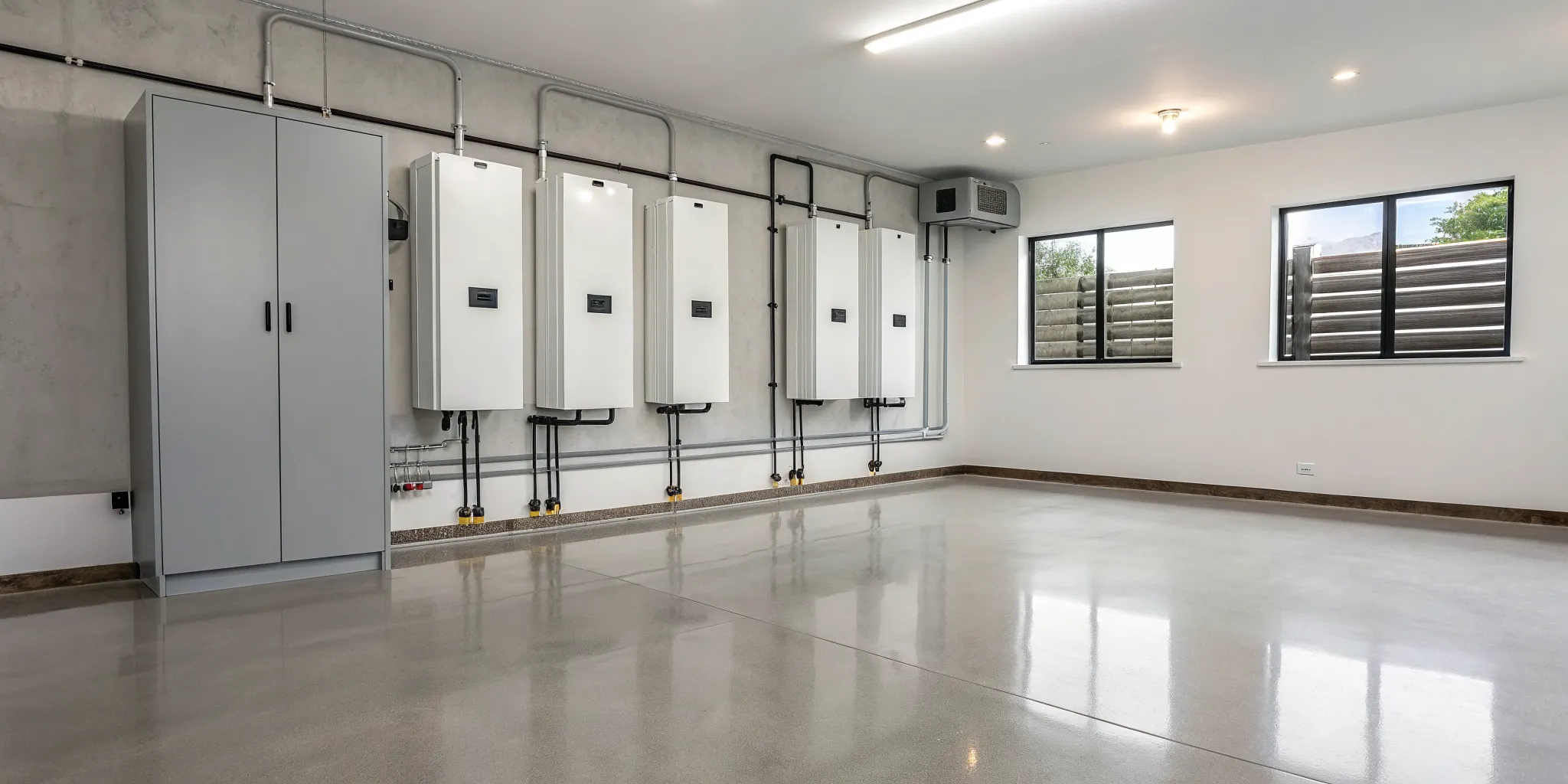
So, you have solar panels. That's a huge step toward true energy independence, but it's only half the story. Your system generates tons of clean power during the day, but what happens to the extra energy you don't use? Without a battery, it just gets sent back to the grid. A home battery backup is the missing piece. It captures and stores that valuable solar energy for you to use at night or during a power outage. This transforms your solar installation from a part-time power source into a reliable, 24/7 energy solution. This guide will help you find the best system to maximize your solar investment.
Key Takeaways
- Get dual benefits from one system: A home battery lowers your utility bills by storing solar energy for use during expensive peak hours, and it also provides reliable backup power for security and comfort during an outage.
- Match the technology to your lifestyle: Look beyond the brand name and focus on the specifications that matter most for your home, including storage capacity, power output for essential appliances, and the option to scale the system as your energy needs change.
- Create a simple energy plan: Start by assessing your home's daily electricity use to understand your needs. A professional can then help you select a compatible system, ensure it works with your solar panels, and find all available incentives to make your investment more affordable.
Is a Home Battery Backup Worth the Investment?
Let's be honest, a home battery is a significant purchase. Seeing the initial price tag can make anyone pause. But instead of thinking of it as just another expense, it helps to see it as an investment in your home’s security and your financial future. For many California homeowners, the answer to whether it's a smart investment is a resounding yes, and here’s why.
First, let's talk about the savings. When you pair a battery with solar panels, you can store the clean energy your system produces during the day and use it at night or during peak hours when electricity rates are highest. This simple shift can dramatically lower your utility bills. Plus, the federal government offers a tax credit that can cover up to 30% of the cost of your solar and battery installation, which makes the upfront cost much more manageable.
Beyond the financial perks, a battery backup system offers priceless peace of mind. If you live in an area prone to blackouts from wildfires or grid strain, having a reliable power source is a game-changer. Your lights stay on, your refrigerator keeps running, and your essential devices stay charged without the noise or fumes of a gas generator. You gain true energy independence, relying on your own stored power instead of an unpredictable grid. While the initial investment is real, the combination of long-term savings, tax incentives, and uninterrupted power makes a home battery a very smart move for Californians.
The 6 Best Home Battery Backup Systems for Californians
Choosing the right home battery system can feel like a big decision, but it doesn't have to be complicated. The best system for you depends on your energy goals, your home's needs, and your budget. Are you looking for a simple backup for essential appliances during an outage, or do you want to power your entire home with solar energy day and night? To help you get started, I’ve reviewed some of the top home battery systems available to California homeowners. Each one offers a unique set of features, from portability to massive storage capacity. Let's look at the leading options to find the perfect fit for your home.
AMECO: Custom-Built Battery Backup Solutions
Instead of offering a single, off-the-shelf product, we take a different approach. At AMECO, we design custom battery backup solutions tailored specifically to your home and lifestyle. With over 50 years of combined solar and roofing experience, we understand that every household has unique energy needs. We’ll work with you to assess your power consumption, consider your future goals, and recommend the right combination of technology. This ensures your system isn't just a battery, but a fully integrated part of your home's energy ecosystem, designed for maximum efficiency and reliability. Our goal is to provide a seamless transition to energy independence.
Tesla Powerwall 3
The Tesla Powerwall 3 is often the first name that comes to mind, and for good reason. It’s a top choice for homeowners who want a powerful and reliable system. The Powerwall 3 holds 13.5 kilowatt-hours (kWh) of energy, which is enough to cover essential appliances during an outage. It also comes with a solid 10-year warranty and integrates beautifully with solar panel systems. While it comes at a premium price, its performance is hard to beat. You can also stack multiple units together if your energy needs grow over time, making it a scalable solution for the long run.
EcoFlow Delta Pro Ultra
If you value flexibility and portability, the EcoFlow Delta Pro Ultra is a fantastic option. What makes it stand out is that the battery unit itself is portable, so you can take power with you if needed. When connected to the Smart Home Panel 2, it can power your entire home. The system is incredibly scalable, allowing you to start with 6 kWh of storage and expand all the way up to 90 kWh. This modular design is perfect for homeowners who want to begin with a smaller investment and add more capacity later as their needs or budget change.
FranklinWH aPower
The FranklinWH aPower system is an excellent choice for those seeking a smart, long-term solution for whole-home backup. Its key strength lies in its intelligent energy management. The system can automatically switch between solar power, the grid, and even a generator to optimize your energy use and keep costs down. This makes it a true "set it and forget it" system that works quietly in the background to ensure you always have power when you need it. It’s a robust and reliable option for homeowners who want comprehensive control over their home's energy supply.
Anker Solix X1
Anker is well-known for its portable power banks, and they’ve brought that expertise to the home battery market with the Solix X1. The standout feature here is its extreme modularity. You can start with as little as 5 kWh and scale up to an impressive 180 kWh by adding more battery units over time. This makes it one of the most flexible systems available. The Anker Solix X1 is also built to withstand various weather conditions, offering peace of mind no matter what the California climate throws your way. It’s a great fit if you anticipate your power needs changing significantly in the future.
Generac PWRcell
Generac has long been a trusted name in backup power, and its PWRcell battery system lives up to the brand's reputation. This system is designed to work seamlessly with solar panels, allowing you to store clean energy and use it whenever you want. Like many of its competitors, the PWRcell is modular, so you can customize the storage capacity to match your home's specific requirements. It’s a strong, reliable choice from a company with a proven track record in keeping the lights on. The PWRcell is an excellent addition to any home looking to achieve greater energy independence.
What to Look For When Buying a Home Battery
Choosing a home battery is a big decision. It's not just about getting backup power; it's about finding a system that fits your home, your lifestyle, and your future plans. Think of it less like buying an appliance and more like customizing a core part of your home's infrastructure. To make the right choice, you need to look beyond the brand name and understand the key features that determine performance, safety, and value. From how much power it can store to how long it’s guaranteed to last, each detail matters. We'll walk through the most important factors to consider so you can feel confident in your investment in a battery backup system.
How Much Power Do You Really Need?
Capacity (kWh) is how much energy the battery holds. Think of it as the size of your gas tank. A smaller capacity might keep your lights, fridge, and Wi-Fi on, while a larger one could power your entire home. Power output (kW) is how much electricity the battery can deliver at once. This determines how many devices you can run simultaneously. If you want to run power-hungry appliances like your air conditioner, you’ll need a system with a higher power output. Before you choose, think about what you truly need during an outage. Making a list of your essential electronics will help you find the right size for your home.
Understanding Continuous vs. Peak Power
When you look at battery specs, you'll see two types of power ratings: continuous and peak. Continuous power is the steady, consistent amount of electricity the battery can supply over time. It’s what keeps your lights on and your refrigerator humming. Peak power, on the other hand, is a short, powerful burst of energy the battery can push out to start up large appliances. Think about your air conditioner or well pump—they need a big jolt of electricity to get going, and that’s where peak power comes in. A system with a higher power output can handle these demanding appliances without tripping a breaker, ensuring everything runs smoothly when you need it most.
Estimating Backup Duration for Your Home
One of the most common questions is, "How long will the battery last?" The answer depends on two key factors: the battery's storage capacity (measured in kWh) and how much electricity your home uses. The more energy you use, the faster the battery will drain. During an outage, you can extend your backup time by being mindful of your consumption—maybe holding off on laundry or turning off lights in unused rooms. A professional can help you get a clear picture by analyzing your utility bills and discussing your lifestyle, giving you a realistic estimate of how long a specific battery system will power your home.
Sizing Your System: Essentials vs. Whole-Home Backup
When sizing your system, you generally have two options: backing up just the essentials or powering your entire home. An essentials-only setup is a great, budget-friendly choice that keeps critical circuits running, like your refrigerator, lights, Wi-Fi, and a few outlets for charging devices. A whole-home backup system is more robust, designed to power everything, including your air conditioner and other large appliances. Before you choose, think about what you truly need during an outage. Making a list of your essential electronics will help you and your installer design the perfect backup solution for your home.
Decoding Battery Chemistry and Safety
The technology inside your battery is a huge factor in its safety and lifespan. Most of today's top home batteries use a chemistry called Lithium-iron phosphate, or LFP. These batteries are known for being very stable, which makes them a safer choice for residential use. They also tend to last longer than other lithium-ion types, giving you more value over time. When you’re installing a powerful energy system in your home, safety is non-negotiable. Understanding the battery chemistry helps ensure you’re getting a reliable product that’s built to last, which is a core part of our approach to every installation.
LFP vs. Lead-Acid: Why Modern Batteries Are Better
You might be familiar with lead-acid batteries—the kind that have powered cars for decades—but the technology for home energy storage has come a long way. Today’s best systems use Lithium Iron Phosphate (LFP) chemistry, and the difference is significant. LFP batteries are known for being very stable, which makes them a safer choice for installing in or near your home. They also have a much longer lifespan and can handle more charge and discharge cycles without losing capacity. This means your investment not only performs better but also delivers more value over the long run, providing reliable power for years to come.
Key Safety Certifications to Look For (UL9540)
When you’re bringing a powerful energy system into your home, safety should always be the top priority. That’s where third-party certifications come in. Look for a battery that is certified to UL 9540, which is the industry's gold standard for energy storage system safety. This certification means the entire system—including the battery, inverter, and internal software—has undergone rigorous testing to ensure all components work together safely and effectively. It’s a crucial mark of quality that confirms the product meets strict fire safety and electrical standards, giving you confidence that your battery backup is both reliable and secure.
Durability Features: Weatherproofing and Thermal Management
Your home battery will be working hard for years, so it needs to be built to last. Look for systems with strong durability features designed to handle California’s diverse climate. Many modern batteries are built tough for outdoor installation, with weatherproof enclosures that protect the internal components from rain, dust, and sun. Just as important is thermal management, which is essentially the battery’s built-in cooling and heating system. This feature helps the battery operate efficiently in both hot and cold temperatures, which not only protects its performance but also extends its overall lifespan. These features ensure your system remains a dependable power source for your home, no matter the weather.
Seamless Power: Why Switchover Speed Matters
When the power goes out, how quickly does your backup system kick in? This is called the switchover speed, and it can be the difference between a minor flicker and a full-blown reset of all your clocks and computers. The best systems switch to battery power in milliseconds, so fast that you won't even notice the grid went down. Your lights stay on, your Wi-Fi keeps running, and your workday isn't interrupted. This seamless transition is a key feature of a modern battery backup system, providing true, uninterrupted power when you need it most. It’s what gives you peace of mind during a blackout.
What a 10-20 Millisecond Switch Means for Your Electronics
To put that speed into perspective, the average human eye blink takes about 300 to 400 milliseconds. A 10-20 millisecond switch is so fast, it's literally imperceptible. For your sensitive electronics, this speed is critical. Think about your desktop computer, your Wi-Fi router, or your smart home hub. Even a brief interruption can cause them to shut down, forcing a full reboot. This means lost work, disconnected devices, and the tedious task of resetting every digital clock in your house. A system with a near-instantaneous switchover ensures these devices never lose power. Your Zoom call doesn't drop, your document saves, and your home stays connected. It’s the key to achieving truly uninterrupted power, turning a potentially disruptive blackout into a non-event for your digital life.
How Smart is Your Battery? App Control and Features
A great home battery system does more than just store power; it gives you control over it. Most modern batteries come with a smartphone app that lets you see exactly what’s happening with your home’s energy in real time. You can monitor how much solar power you’re generating, how much energy your home is using, and how much charge is left in your battery. Some apps even let you prioritize which appliances get backup power during an outage. These smart features turn your battery into an interactive home energy management tool, helping you make smarter decisions and save more money on your electricity bills.
Beyond Backup: Peak Shaving and EV Charging
A home battery is much more than just a safety net for blackouts; it’s a smart financial tool that works for you every day. In California, electricity prices often spike during "peak hours" in the late afternoon and evening. Instead of paying those high rates, your battery can power your home with the free solar energy it stored earlier in the day. This strategy, known as peak shaving, can significantly lower your monthly utility bills. If you own an electric vehicle, the benefits are even greater. You can charge your car overnight using stored solar power, essentially fueling your commute with sunshine. This turns your battery into an active investment that maximizes the value of your solar panels and helps you achieve complete energy independence.
Planning for the Future: Is It Scalable?
The home you have today might not have the same energy needs a few years from now. Maybe you’re planning to buy an electric vehicle, add a new room, or install a central air conditioning system. That’s where scalability comes in. A scalable battery system allows you to add more storage capacity later on without replacing the entire unit. Choosing a system that can grow with you is a smart move. It ensures your investment continues to meet your needs for years to come, making it a flexible and future-proof part of your home's solar solution.
Don't Forget the Warranty
A home battery is a long-term investment, and a good warranty protects it. Most top-tier batteries come with a warranty of at least 10 years, with some extending to 15. This guarantees that the system will perform as expected for a significant portion of its lifespan. When you review a warranty, look beyond just the number of years. Check what it covers, such as the battery’s capacity retention over time, parts, and labor. A strong, comprehensive warranty is a sign that the manufacturer stands behind its product, giving you confidence and financial protection for the long haul.
How Much Does a Home Battery System Cost?
Let's talk numbers. The price of a home battery system can feel like a big hurdle, but the sticker price is only one part of the equation. To get a clear picture of the true cost, you need to look at the initial price of the unit, the cost of professional installation, and the long-term savings you’ll gain from incentives and lower energy bills. When you break it down, you’ll find that a home battery is less of an expense and more of an investment in your home’s energy future. AMECO offers a range of battery backup options to fit different needs and budgets, ensuring you find the right fit for your home.
Breaking Down the Upfront Cost
The initial cost of a home battery depends on the brand, capacity, and technology. Think of it like buying a car; a basic sedan and a luxury SUV have very different price points. For example, the popular Tesla Powerwall 3, known for its 13.5 kWh capacity and robust features, is a premium option. Other systems offer different price points. The Enphase IQ Battery 10T might start around $5,000, while an EcoFlow Delta Pro Ultra is closer to $7,500, and an Anker Solix X1 base system can be around $9,000. It’s important to remember these figures are typically for the battery unit itself, before installation.
Typical Cost Ranges for Different System Sizes
The cost of a home battery system can vary widely depending on how much power you need to store. For a smaller system designed to keep just the essentials running—like your refrigerator and Wi-Fi—you might look at options from brands like BLUETTI, which can range from $3,000 to $5,000. If you're aiming for a more comprehensive, whole-home backup, the investment will be higher, often falling between $8,000 and $15,000 or more. For example, the popular Tesla Powerwall 3 offers 13.5 kWh of storage and sits at a premium price point. Other modular systems, like the EcoFlow Delta Pro Ultra or the Anker Solix X1, allow you to start with a base unit and expand later, giving you flexibility as your needs grow. These costs generally cover the equipment itself, with installation adding to the final price.
What About Installation Costs?
Installation isn't a DIY project for most home battery systems. These are complex electrical systems that need to be safely integrated with your home’s main panel and solar array. Professional installation is crucial for safety, performance, and keeping your warranty valid. The cost of installation will vary based on the complexity of the job, but it’s a necessary part of the investment. A standard whole-home backup installation can take a full day of work. By working with experienced installers, you can be confident that your system is set up for optimal performance from day one. This commitment to quality is a core part of our approach to every project.
Finding Savings: Rebates, Incentives, and ROI
This is where the investment really starts to pay off. The upfront cost can be significantly reduced by financial incentives. For instance, the federal solar tax credit may cover up to 30% of the cost when you install a battery with a solar panel system. Over time, the savings on your electricity bill add up. By storing solar energy to use during peak evening hours, you avoid California’s high Time-of-Use rates. Some manufacturers even claim you can save thousands per year on electricity costs. You can get a clearer idea of your potential return on investment by using an estimate calculator to see how the numbers work for your specific home.
Maximizing Savings with State and Local Programs
Beyond the federal tax credit, California offers its own set of incentives to make switching to clean energy even more affordable. Programs like the Self-Generation Incentive Program (SGIP) can provide significant rebates for installing a home battery, which helps lower your initial investment. These programs are designed to encourage homeowners to support the grid and build a more resilient energy future. Working through the applications and eligibility requirements can feel a bit overwhelming, but you don't have to do it alone. As part of our approach, we help you identify every available rebate and credit in your area, ensuring you get the best possible price for your system.
Calculating Your Potential Annual Savings
In California, your electricity costs likely change throughout the day under a Time-of-Use (TOU) rate plan. This is where a home battery really shines. By storing the solar energy you generate during the day and using it during peak evening hours, you can avoid buying expensive power from the grid. This simple strategy can save you anywhere from $500 to $1,200 or more each year on your electricity bills. It’s a powerful way to take control of your energy expenses and make your solar investment work harder for you. You can calculate your own potential savings to see how a battery could benefit your home’s bottom line.
How Do Home Batteries Work with Solar Panels?
Pairing a home battery with your solar panels is like giving your home its own personal energy reserve. Instead of sending all the extra power your panels generate back to the grid, a battery lets you save it for when you need it most. This simple but powerful combination allows you to use clean solar energy around the clock, not just when the sun is shining. It’s the key to maximizing your solar investment, giving you more control over your power, your bills, and your peace of mind. Let’s look at how this dynamic duo works together to power your home.
Store Your Solar Power for When You Need It
Think of a home battery as a rechargeable piggy bank for your solar energy. Your solar solutions generate the most electricity in the middle of the day when the sun is high and you might be at work. Without a battery, any excess energy you don’t use immediately gets sent back to the utility grid. A home battery system captures and stores this surplus energy instead. When the sun sets or on a cloudy day, your home can draw from the battery instead of pulling expensive power from the grid. This allows you to run your home on clean, solar-generated electricity at night, giving you a truly sustainable way to power your life.
Achieve Energy Independence (and Save Money)
A home battery gives you a powerful tool for managing your energy costs and reducing your reliance on the utility company. In California, many of us are on Time-of-Use (TOU) rate plans, where electricity costs more during peak evening hours. With a battery backup system, you can use your stored solar energy during these expensive periods, which can lead to significant savings on your monthly bills. This isn't just about saving money; it's about gaining energy independence. You become less vulnerable to rising utility rates and have more control over where your power comes from, making your home a self-sufficient energy hub.
A Note on Off-Grid Living
For some homeowners, the ultimate goal is to go completely off-grid and cut ties with the utility company for good. If this is your ambition, a home battery isn't just a helpful addition—it's an absolute necessity. Homes that are disconnected from the main power grid rely entirely on their own ability to generate and store energy. A battery system is the only way to capture the excess solar power your panels produce during the day so you can use it at night or on cloudy days. Without it, you’d have no power once the sun sets. This setup is the key to achieving true energy independence and ensuring your home can operate as a self-sufficient island of power, no matter what.
Keep the Lights On During a Blackout
For many California homeowners, the biggest draw of a home battery is the promise of uninterrupted power. When a blackout hits, a home battery can automatically switch over in milliseconds, often so quickly you won’t even notice the flicker. This seamless transition keeps your essential appliances running, from the refrigerator and lights to your Wi-Fi and medical equipment. Many modern systems come with a mobile app, allowing you to monitor your energy usage and battery levels from anywhere. This feature provides incredible peace of mind for residential customers, ensuring your family stays safe and comfortable even when the grid is down.
The Real Pros and Cons of Home Battery Backup
Deciding on a home battery is a big step, and it’s smart to look at the full picture before you commit. While these systems offer incredible benefits for energy independence and peace of mind, they also come with considerations like cost and long-term performance. Thinking through the advantages and disadvantages will help you determine if a battery backup system is the right move for your home and your budget. Let's break down the key points to weigh.
Pro: Quiet, Clean Power You Can Use Indoors
One of the biggest wins for home batteries is that they provide clean, quiet power. Unlike traditional gas generators that are noisy and produce harmful fumes, a battery system runs silently with zero emissions. When you pair it with solar panels, you’re running your home on pure, renewable energy, even during a blackout. This makes them a fantastic choice for anyone looking to reduce their carbon footprint. Because they don’t produce exhaust, they are safely installed inside your home, often in a garage or utility space, ready to kick in the moment you need them without any effort on your part.
Home Batteries vs. Gas Generators
When you think of backup power, a gas generator is probably the first thing that comes to mind. For a long time, they were the only option. But anyone who’s used one knows the drill: wheeling it out during a storm, fumbling with fuel cans, and then enduring the loud, constant drone and smelly exhaust. A home battery is the modern, hassle-free alternative. It’s fully integrated with your home’s electrical system and switches on automatically the moment the grid goes down. There’s no noise, no fumes, and no last-minute scramble for fuel. While a generator might seem cheaper upfront, a battery system is an investment in seamless, clean power that keeps your home running quietly and comfortably, making it a superior choice for any California homeowner.
Con: The Initial Cost and Power Limitations
There’s no getting around it: a home battery system is a significant investment. The initial cost of the battery itself, combined with professional installation, can be a major hurdle for some homeowners. While the technology is becoming more accessible, a whole-home system is still a premium upgrade. It’s also important to remember that a battery has a finite capacity. It can’t power everything indefinitely, so you have to work with a professional to design a system that meets your specific needs during an outage. Using an estimate calculator can give you a starting point for understanding the potential costs and savings.
Con: What to Expect for Maintenance and Lifespan
Like any major appliance, a home battery has a lifespan and requires some care. Over time, the battery’s ability to hold a full charge will gradually decrease. The good news is that modern systems are built to last. Most top-tier batteries use Lithium Iron Phosphate (LFP) chemistry, which is known for its safety and longevity, often lasting for well over a decade. While they are designed to be low-maintenance, it’s crucial to understand the warranty and what it covers. Choosing a reputable installer ensures you get a high-quality product and the support you need to keep it running efficiently for years to come.
Understanding Battery Lifespan in Charge Cycles
When you're comparing batteries, the term "lifespan" is often measured in charge cycles, not just years. A charge cycle is one full charge and discharge, giving you a real-world measure of durability. Many top-tier batteries, particularly those with safe Lithium Iron Phosphate (LFP) chemistry, are built to last for 8,000 to 10,000 cycles. That translates to more than a decade of daily use. But the number of cycles is only half the story. You also want to look at capacity retention—how much charge the battery can hold as it ages. A strong warranty will guarantee the system retains a high percentage of its original capacity, often around 80%, after 10 years. This ensures your battery backup will be a dependable part of your home for years to come.
Which Home Battery Offers the Best Bang for Your Buck?
Finding the best value in a home battery system isn't just about picking the cheapest option. It’s about finding the sweet spot where performance, price, and long-term savings meet your family’s needs. A battery is a significant investment in your home's energy future, so you want to make sure you're getting the most for your money. Think of it as choosing a system that will reliably power your home through outages and help you save on electricity bills for years to come.
How to Compare Performance vs. Price
The most valuable battery system is one that delivers clean, reliable power exactly when you need it. Home batteries provide a zero-emissions way to keep your lights on during an outage or simply use less electricity from the grid. The key is to match the system’s capabilities with your energy goals. A professional consultation can help you find the right balance between upfront cost and long-term performance, ensuring your battery backup system is perfectly sized for your home. This tailored approach prevents you from overspending on a system that’s too large or being disappointed by one that’s too small.
The Real Math: Calculating Cost Per kWh
A helpful way to compare batteries is by looking at the cost per kilowatt-hour (kWh), which is the price you pay for each unit of stored energy. Before installation, estimated costs can range from around $650 per kWh for a system like the Anker Solix X1 to about $800 per kWh for the Enphase IQ Battery 10T. The popular Tesla Powerwall 3 typically falls in the middle, around $680 to $700 per kWh. These figures give you a baseline for comparison, but remember that final pricing depends on installation and system specifics. Using an estimate calculator can give you a clearer picture of your potential investment.
Top Picks for Every Budget
For homeowners seeking a reliable, high-performance option, the Tesla Powerwall 3 is often considered the best overall choice. It offers a solid 13.5 kWh of energy storage and comes with a 10-year warranty, making it a trusted solution for many California homes. If you need a bit more flexibility, the EcoFlow Delta Pro Ultra is a great alternative because its battery unit is portable. While some systems are designed for renters, homeowners have a wider range of powerful, integrated solar solutions to choose from that provide greater energy independence and savings.
How to Choose the Perfect Home Battery for Your Needs
Picking the right home battery system can feel like a huge decision, but it doesn’t have to be complicated. The best system for you is simply the one that fits your home, your lifestyle, and your energy goals. Think of it less as a technical puzzle and more as a personalized energy plan. By focusing on a few key areas, you can confidently choose a battery that will keep your lights on and your energy bills down for years to come. Let’s walk through the three most important steps to finding your perfect match.
How Much Power Does Your Home Actually Use?
Before you can choose the right battery, you need to know what you’re asking it to do. Start by figuring out how much electricity your home uses on an average day. You can usually find this information, measured in kilowatt-hours (kWh), on your utility bill. Once you have that number, it’s a smart move to add about 20% to give yourself a buffer for future needs or extra-demanding days. This simple calculation helps you determine the two most important specs: capacity (how much energy the battery can store) and power output (how many appliances it can run at once). Using an estimate calculator can also help you get a clear picture of your usage.
Get Familiar with California's Energy Rules
Living in the Golden State comes with some serious perks for going green. California has several incentives designed to make clean energy more affordable. For example, a federal tax credit can cover up to 30% of the total cost when you install a solar power system with a battery. These programs can significantly reduce your initial investment and shorten the time it takes for the system to pay for itself. We always help our customers find every available tax break and rebate at the local, state, and federal levels to ensure they get the best possible value from their new battery backup system.
Check for Solar Panel Compatibility
If you already have solar panels or plan to install them, your battery is the other half of a powerful team. Your panels generate clean energy all day, and the battery stores it so you can use that power at night, on cloudy days, or during a blackout. For this partnership to work, the battery and solar system must be compatible. Most modern systems are designed to integrate seamlessly, but it’s crucial to confirm they can "talk" to each other effectively. This synergy is what allows you to maximize your solar solutions and become truly independent from the grid.
Making Your Battery Power Last Longer During an Outage
When the power goes out, your home battery immediately kicks in, but it's important to remember that it holds a finite amount of energy. To make that power last as long as possible, it helps to be mindful of your usage. Focus on running only your essential appliances, like the refrigerator, a few lights, and any necessary medical equipment. You can extend the life of your charge by turning off lights in unused rooms and unplugging electronics that aren't critical. The great news is that if the sun is shining, your solar panels can continue to recharge your battery during the day. This smart energy management ensures your backup power goes the distance, keeping your home comfortable and secure until the grid is back online.
Related Articles
- Solar Battery Backup Faces Opposition from SCE
- California’s NEM 3.0: How Does it Impact Solar Battery Needs | AMECO Solar
- Solar Battery vs Generator: Which One Is Better for Your Home? | AMECO Solar
- Battery Backup
- Blog | Solar Panel News | Solar Panel Company | AMECO Solar
Frequently Asked Questions
How long can a home battery power my house during an outage? This really depends on the size of your battery and what you choose to run. A system designed for essential appliances might keep your refrigerator, lights, and Wi-Fi going for a day or more. A larger, whole-home system could run everything, including your air conditioner, for several hours. The key is to identify your "must-have" appliances first. This helps us design a custom system that provides the exact amount of backup power you need to stay comfortable and safe.
Do I have to install solar panels to get a home battery? While you can technically install a battery on its own to store energy from the grid, pairing it with solar panels is where the real magic happens. A solar-plus-battery system allows you to store your own clean energy, giving you true independence from the utility company. It also makes you eligible for valuable incentives like the federal tax credit, which requires the battery to be charged by solar. For maximum savings and self-sufficiency, we always recommend using them together.
What happens to my battery after the 10-year warranty is up? A 10-year warranty doesn't mean the battery stops working on day 3,651. It's a guarantee of performance, ensuring the battery will retain a certain percentage of its original capacity for that decade. Modern batteries, especially those with LFP chemistry, are built for longevity and can continue to function effectively for many years past their warranty period, though with a gradual and expected decrease in how much energy they can hold.
With so many options, how do I know which battery is right for me? Choosing a battery can feel overwhelming, which is why a one-size-fits-all approach doesn't work. The best system for you depends on your daily energy use, what you want to power during an outage, and your future plans, like buying an electric vehicle. Instead of just picking a brand, it's better to start with a professional consultation. We can assess your specific needs and design a solution that perfectly matches your home and budget.
How much maintenance does a home battery system require? Modern home battery systems are designed to be incredibly low-maintenance. Since they have no moving parts and are installed in a protected space like a garage, they operate quietly and cleanly in the background without needing much attention from you. We recommend a periodic check-up by a professional to ensure everything is running efficiently, but you won't have to worry about the regular upkeep that comes with a traditional gas generator.


.svg)
