


Residential Solar Panel Repair: What to Expect
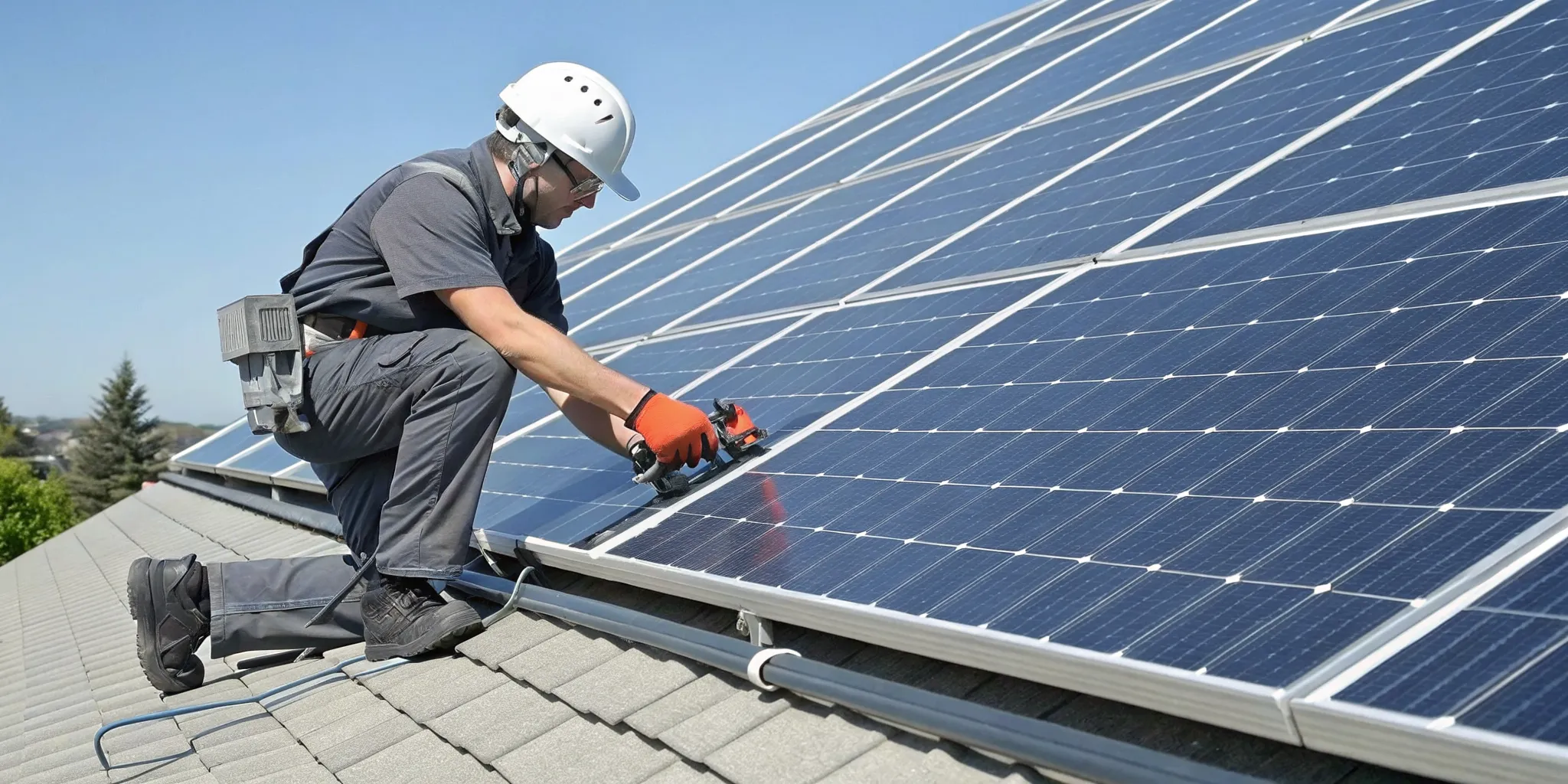
That sinking feeling when you see an unexpectedly high electricity bill is the worst, especially when you have solar panels. Your first thought might be that something is seriously wrong, but please don’t panic. Most solar system issues are more common than you think and are often related to simple fixes with wiring or the inverter, not the panels themselves. Understanding the potential problems and the repair process can take a lot of the anxiety out of the situation. We’ll break down the entire process of residential solar panel repair, from diagnosing the issue to understanding the costs, so you can feel confident and in control.
Key Takeaways
- Stay proactive with simple monitoring: Your most important role is to regularly check your system’s monitoring app for performance drops and schedule annual professional inspections to catch small issues before they become expensive problems.
- Always call a certified technician for repairs: For your safety, never attempt to fix solar equipment yourself. Your system contains high-voltage electricity, and DIY repairs can void your warranties, so professional service is the only safe and effective choice.
- Understand the costs and process before work begins: A reputable repair starts with a diagnostic service call, followed by a clear, itemized quote. Before agreeing to any work, be sure to ask about your warranty coverage to see what costs are covered.
Common Solar Panel Problems to Look For
Your solar panel system is built for the long haul, but it’s still a good idea to know what potential issues to watch for. Most problems are minor and easily fixed when caught early. Being able to spot the signs of trouble helps you keep your system running at peak performance and protects your investment. From the inverter to the roof mounts, here are a few common problems that can pop up.
Inverter Malfunctions
Think of your inverter as the brain of your solar operation. It’s the essential piece of equipment that converts the raw DC power from your panels into the usable AC power that runs your appliances. If your inverter has a problem, your whole system can go down, even if the panels themselves are working perfectly. You might notice a complete loss of power generation or see a specific error code on the inverter’s display screen. Because it’s so vital, it’s important to address any inverter issues right away to get your system back online.
Wiring and Electrical Issues
The wiring is the circulatory system for your solar array, connecting all the components together. Over time, exposure to the elements can cause connections to loosen, or wires can become damaged. We also see issues from critters like squirrels and birds who can chew on or build nests around the wiring. This isn't just an inconvenience that stops energy production; faulty wiring can be a serious safety hazard. A professional approach to installation ensures all wiring is properly secured and protected from the start, minimizing these risks for your family.
Physical Panel Damage
While solar panels are designed to be incredibly tough, they aren’t completely invincible. Physical damage can happen during a severe hailstorm, from a falling tree branch, or even from an errant ball from the backyard. You might see obvious cracks or chips on the panel’s glass surface. Even if the damage seems small, it’s worth getting a professional opinion. A tiny crack can let moisture seep into the panel, which can lead to corrosion and a gradual decline in performance. A quick visual check after a big storm is always a smart move.
Damage from Animals and Weather
Your solar panels live outdoors 24/7, so they have to contend with local wildlife and weather patterns. Pigeons love to nest under panels, which can create a messy buildup of debris and become a fire risk. Squirrels are notorious for chewing on electrical wires. Beyond animals, the constant exposure to California’s intense sun, wind, and occasional downpours can cause wear and tear over many years. This is why it’s so important that your system is designed for the local climate, a core principle we apply for all our residential customers.
Roof Leaks Near Panel Mounts
A common worry for homeowners is whether solar panels will cause roof leaks. It’s a fair question. Leaks can happen if the mounting points where the panels attach to your roof are not sealed correctly. However, this is almost always a result of a poor-quality installation. An experienced installer knows how to properly flash and seal every roof penetration to ensure it’s completely watertight. With our decades of combined expertise in both solar and roofing solutions, we can guarantee an installation that protects the integrity of your roof and your home.
Signs Your Solar Panels Need Repair
Your solar panel system is built to be tough, but just like any hardworking equipment, it can sometimes run into issues. Catching problems early is the key to a quick fix and keeping your energy savings on track. Thankfully, your system will often give you clear signs when it needs a little attention. Paying attention to your energy output, doing an occasional visual check, and keeping an eye on system alerts will help you know exactly when it’s time to call for a professional inspection.
A Drop in Energy Production
Have you noticed your electricity bill creeping up, even on sunny months? A sudden or steady drop in your system’s energy production is one of the most reliable signs of a problem. Your monitoring app is your best friend here. I recommend checking it monthly to compare your current output with previous months or the same period from last year. While a few cloudy days will cause a temporary dip, a consistent decline that you can’t explain by weather alone suggests an underlying issue. It could be something simple like dirty panels or a more complex problem, but it’s always worth investigating to protect your solar solutions.
Visible Damage to Panels or Wiring
You don’t need to climb on your roof to spot physical damage. After a major storm with high winds or hail, it’s a good idea to do a quick visual inspection from the ground. Look for obvious signs of trouble like cracks, chips, or shattered glass on the panels. You might also see discoloration or burn marks, which can indicate an electrical issue. Don’t forget to check for any visible wiring that looks loose, frayed, or chewed on by critters. Because your panels are integrated with your roof, any damage warrants a professional call, as our expertise in roofing solutions ensures both are protected.
System Alerts and Error Codes
Think of your solar monitoring software as a built-in diagnostic tool. Most modern systems will send you an alert or display an error code on the app or inverter itself when something is wrong. It’s easy to dismiss these notifications, especially if they seem technical, but please don’t. These alerts are your earliest warning that something is amiss. The issue could be a simple communication failure between the system and your home’s Wi-Fi, or it could point to a malfunction in the inverter, which is the brain of your system. Addressing these error codes promptly can prevent extended downtime and help you avoid a more costly repair down the road.
When to Call a Pro vs. When to Monitor
When it comes to solar panels, safety is always the top priority. Your system deals with live electricity, so you should never attempt to diagnose or fix an issue yourself. Your job as a homeowner is to monitor performance through your app and bills and to conduct safe, ground-level visual checks. If you notice any of the signs we’ve discussed, from a drop in production to a system alert, it’s time to call a certified professional. A trained technician has the tools and expertise to safely inspect your system, diagnose the root cause of the problem, and perform the necessary repairs. Our professional approach ensures we handle every step safely and efficiently, getting your system back to peak performance.
How Much Does Solar Panel Repair Cost?
Talking about money can be stressful, but knowing what to expect for solar panel repair costs can take a lot of the anxiety out of the process. While the final bill will depend on what’s wrong with your system, most expenses fall into a few key categories. Let's walk through the typical costs, from the initial service call to the final repair, so you can feel prepared and make confident decisions about maintaining your home’s energy system.
Service Call and Inspection Fees
First things first, just getting a qualified technician to your home comes with a fee. Think of it like a diagnostic appointment for your solar array. Most companies charge a service call fee that can range from $200 to $300. This initial cost typically covers the technician's travel expenses and the time it takes to perform a thorough inspection of your system to pinpoint the problem. It’s a necessary first step to understanding what’s going on with your panels. A professional assessment ensures you get an accurate diagnosis instead of guessing what might be wrong and potentially causing more issues.
Repair Costs by Issue
Once the technician identifies the problem, the actual repair cost can vary quite a bit. For most common on-site fixes, like tightening loose connections or replacing a faulty wire, you can expect to pay between $400 and $1,000. If a single panel is cracked or malfunctioning beyond repair, replacing it usually costs between $300 and $500. The most significant expense is often related to the inverter, which is the brain of your system. According to Fixr.com, repairing or replacing an inverter can range from $500 to over $3,000, depending on the type and complexity of your solar solutions.
What Affects the Final Price
Several factors can influence your final repair bill. The biggest one is, of course, the specific part that needs fixing. Beyond that, labor costs, which can be $150 or more per hour, play a significant role. The complexity of your roof and how easy it is to access the panels can also add to the time and cost. If your roof itself needs attention before the solar repair can be done, that will be an additional expense. This is why having an integrated roofing and solar expert is so valuable. The quality of the original installation also matters; a well-installed system is often easier and cheaper to repair.
Warranty and Insurance Coverage
Before you pay out of pocket, it’s smart to check your warranty coverage. Your solar equipment usually comes with manufacturer warranties that cover defects in the panels, inverters, or batteries. However, it's important to know that these often cover the cost of the part but not the labor to install it. You should also check your homeowner's insurance policy. While it won’t cover general wear and tear, it might cover damage from specific events like a hailstorm or a tree falling on your roof. A reputable solar company will help you understand what’s covered and provide the documentation you need for any claims.
What to Expect During a Solar Panel Repair
Knowing your solar system needs a repair can feel stressful, but the process is usually straightforward when you work with an experienced team. From the moment you call us to the final handshake, we aim to make everything clear and simple. Understanding what happens during a service call can help put your mind at ease. Here’s a step-by-step look at our professional repair process, so you know exactly what to expect.
The Initial Inspection and Diagnosis
The first step is always a thorough diagnosis. When our technician arrives, they’ll perform a complete health check on your solar system. This isn’t just a quick look at the panels; it’s a deep dive into every component. We’ll examine the electrical wiring, test the inverter to make sure it’s converting power correctly, and assess the performance of each individual panel. This comprehensive inspection allows us to pinpoint the exact source of the problem, ensuring we fix the right issue the first time. Our approach is built on being meticulous from the very start.
How We Use Drones and Thermal Imaging
For hard-to-reach areas or issues that aren't visible to the naked eye, we use advanced technology like drones and thermal imaging. Drones give us a safe, up-close view of your panels without anyone having to climb onto a steep or delicate roof. Thermal imaging cameras help us spot "hot spots" on your panels, which can indicate internal cell damage or inefficiencies that are causing a drop in energy production. This technology allows us to find hidden problems quickly and accurately, leading to a more effective and lasting repair.
Repair or Replace? Making the Call
Once we’ve diagnosed the issue, we’ll walk you through our findings and explain your options. Sometimes, the solution is a simple fix, like tightening a loose wire or resetting an inverter. In other cases, a component may need to be replaced, such as a malfunctioning inverter or a physically damaged panel. We’ll provide a clear recommendation based on what’s most cost-effective and best for the long-term health of your solar solutions. You’ll have all the information you need to make a confident decision about how to proceed.
Typical Repair Timelines
We know you want your system back up and running as soon as possible. The timeline for a repair depends on the complexity of the issue. Many common repairs, like fixing wiring or replacing an inverter, can often be completed in a single day. More involved jobs, such as removing panels to accommodate roofing work or replacing multiple damaged panels, might take longer. After our initial diagnosis, we will give you a clear and realistic timeline so you can plan accordingly.
Special Inspections for Home Sales
If you’re buying or selling a home with a solar system, a standard home inspection usually isn’t enough. Most home inspectors don’t have the specialized knowledge to properly evaluate a solar installation. We offer special inspections for real estate transactions to verify that the system is functioning correctly, is up to code, and is free of any issues. This service provides peace of mind for both buyers and sellers, ensuring the system’s value is accurately represented. It's a crucial step for any residential customer navigating the real estate market.
Should You DIY Your Solar Panel Repair?
When you notice a dip in your solar system’s performance, the thought of fixing it yourself to save a few dollars is completely understandable. As a homeowner, you’re used to tackling projects around the house. However, when it comes to your solar panel system, the question isn't just about saving money, it's about safety, effectiveness, and protecting your long-term investment. Working with a solar energy system involves high-voltage electricity and the risks that come with working at heights on a roof. It's a very different kind of project than painting a room or fixing a leaky faucet.
While there are a few simple maintenance tasks you can handle from the ground, most diagnostic and repair work is best left to certified professionals. Attempting a complex repair without the right training and tools can lead to further damage, personal injury, or even voiding your system’s warranty. The panels themselves are incredibly durable, so the issue is often hidden within the wiring or the inverter, requiring specialized knowledge to pinpoint. Let's break down what you should and shouldn't attempt on your own to keep both you and your system safe.
The Risks of DIY Repair
The biggest reason to avoid DIY solar repair is safety. Climbing onto your roof without professional safety equipment is incredibly dangerous, and a fall can have serious consequences. Beyond that, your solar system is an active power plant. Even if it's disconnected from the grid, the panels can still generate a dangerous amount of electricity when exposed to sunlight. Mishandling wires or components can lead to severe electrical shock. Another major risk is voiding your warranty. Most solar panel and inverter manufacturers will void their warranties if they find that an uncertified person has opened or tried to repair their equipment. What could have been a simple, covered repair can quickly become a costly replacement that you have to pay for out of pocket. Plus, panels themselves rarely fail; problems usually stem from the inverter, wiring, or connections. A professional can accurately diagnose the issue, ensuring the right part of your solar solution gets fixed correctly the first time.
Safe DIY Maintenance Tasks for Homeowners
While you should leave repairs to the pros, you can play an active role in your system's health through regular monitoring. The best thing you can do is keep an eye on your system’s production data through its monitoring app. A sudden or gradual drop in energy output is often the first sign that something needs attention. Getting familiar with your daily production numbers will help you spot a problem early. You can also perform visual inspections from the ground. Look for any debris like leaves or branches on the panels, and check for visible cracks, discoloration, or loose wiring. It’s also smart to keep nearby trees trimmed to prevent shading and reduce the risk of falling limbs damaging your panels. Think of these tasks as preventative care. By staying observant, you can catch small issues before they become big problems, which is a key part of our approach to ensuring your system runs smoothly for years to come.
How to Prevent Solar Panel Repairs
Think of your solar panel system as a long-term investment in your home’s value and energy independence. Like any major home system, it performs best with a little proactive care. While solar panels are incredibly durable and designed to withstand the elements for decades, taking a few preventative steps can help you avoid unexpected repairs, maximize your energy production, and ensure your system runs smoothly for its entire lifespan.
The good news is that preventing major issues doesn't require a lot of heavy lifting on your part. It’s mostly about being observant and sticking to a simple maintenance schedule. By keeping your panels clean, your system clear of obstructions, and an eye on performance, you can catch small problems before they become big headaches. Partnering with a trusted solar professional for regular check-ups provides the ultimate peace of mind. Let’s walk through the five key habits that will keep your solar solutions in top condition.
Schedule Annual Professional Inspections
The single most effective way to prevent major solar panel repairs is to schedule a professional inspection at least once a year. Think of it as an annual wellness check for your energy system. During an inspection, a qualified technician will thoroughly examine your panels, wiring, inverters, and mounting hardware to ensure everything is functioning correctly.
This proactive approach allows experts to spot potential issues, like loose connections or early signs of wear, that aren't visible from the ground. According to industry experts, catching these small problems early is crucial for maintaining system efficiency and avoiding more expensive repairs down the line. An annual check-up from a team that understands our approach to quality and safety gives you confidence that your investment is protected.
Keep Panels Clean and Free of Debris
For your solar panels to produce the most energy, they need clear, direct access to sunlight. Over time, a layer of dust, pollen, bird droppings, and in California, even ash from wildfires can accumulate on the surface. While seasonal rain often does a decent job of washing them clean, it may not be enough to remove stubborn grime.
If you notice a significant drop in energy production or see a visible film on your panels, it might be time for a cleaning. While you can rinse them with a hose from the ground, avoid using harsh chemicals or abrasive tools. For heavy buildup or hard-to-reach arrays, we recommend a professional cleaning. This ensures the job is done safely and effectively, protecting both your panels and your roof.
Trim Nearby Trees and Plants
Shade is the enemy of solar production. Even a small branch casting a shadow over a corner of one panel can reduce the output of your entire system. Take a walk around your property on a sunny day and observe how shadows from nearby trees and large shrubs fall on your roof.
If you notice any obstructions, it’s wise to have them trimmed back. Trimming trees is a relatively low-cost task that can yield a significant improvement in your system's efficiency. Keeping vegetation managed not only maximizes your energy generation but also prevents falling leaves and branches from accumulating on your panels, which helps keep them clean and free of physical damage.
Monitor Your System's Performance
Modern solar systems come with easy-to-use monitoring software, usually accessible through a smartphone app. Make it a habit to check your system’s performance dashboard weekly or monthly. This is your first line of defense in spotting a problem. Get to know what your normal production levels look like for different seasons.
If you notice your system isn't generating as much energy as it used to under similar weather conditions, it could be a sign of an issue. Most problems actually arise from components other than the panels, such as the inverter or wiring. Your monitoring app will often display error codes or alerts that can help a technician quickly diagnose the problem, whether it's with your panels or your battery backup system.
Address Small Issues Before They Grow
The theme of all this advice is simple: be proactive. A small dip in energy output, a flickering inverter light, or a wire that looks out of place might seem minor, but addressing these things immediately can prevent them from escalating. Ignoring a small issue can lead to reduced system performance, higher energy bills, and eventually, a more complex and costly repair.
By monitoring your system and scheduling annual inspections, you create a safety net that catches problems early. This approach not only saves you money but also provides peace of mind, knowing your system is safe, efficient, and ready to power your home. This commitment to preventative care is the best way to support your journey as a residential customer of clean energy.
How to Choose a Solar Repair Company
When your solar system needs a fix, the company you call matters just as much as the quality of your panels. Choosing the right repair partner is about more than just getting a quick solution; it’s about protecting your long-term investment and ensuring your system operates safely and efficiently for years to come. A great solar repair company will be a trusted partner, offering expertise, transparent pricing, and the peace of mind that comes with a job done right. Finding a reliable team can feel like a big task, but it’s straightforward when you know what to look for. Focus on a company’s local experience, communication style, warranties, and reputation to find a professional you can count on.
California Experience, Licensing, and Certifications
Your solar system is a complex electrical generator on your roof, so expertise is non-negotiable. Look for a company with deep roots in California and a team of certified solar experts and licensed electricians. A company that understands local building codes, weather patterns, and utility requirements will provide a much smoother and more reliable repair experience. Ask about their team's qualifications and how they approach solar and roofing solutions. A long history in the state, like AMECO's since 1974, is a strong sign that they have the experience to handle any issue your system might face. Don't hesitate to verify their contractor's license and certifications.
Transparent Costs and Clear Communication
You should never have to guess what a repair will cost. A trustworthy company will be upfront about their pricing. Expect a service call fee, which typically ranges from $200 to $300, to cover the initial inspection and diagnosis. Most common repairs fall between $400 and $1,000, but the final price depends on the specific issue and parts needed. Before any work begins, you should receive a clear, itemized quote. If you're curious about potential costs, a solar panels costs calculator can give you a general idea of system-related expenses. Clear communication is just as important as clear pricing, so choose a team that explains the problem and the proposed solution in a way you understand.
Strong Warranties and Service Guarantees
Warranties provide a crucial safety net, but it's important to know what they cover. Manufacturer warranties typically protect the physical components like panels and inverters against defects, but they often don't cover the labor costs for the repair or replacement. That’s where a good installer’s workmanship warranty comes in. When vetting a repair company, ask about the service guarantees they offer on their repair work. A reputable company will stand behind their repairs, giving you confidence that the fix will last. Understanding the full scope of available solar solutions and their associated warranties will help you make an informed decision.
Customer Reviews and Local Reputation
What other homeowners say about a company can tell you a lot. Look for recent reviews on platforms like Google, Yelp, and the Better Business Bureau. While a perfect record is rare, you should see a consistent pattern of positive feedback regarding professionalism, timeliness, and quality of work. A company with a long-standing local reputation is often a safe bet, as they have a track record to maintain. You can also ask the company for local references. Seeing what their customers say provides direct insight into the experience you can expect and helps you find a trusted partner for your home.
Find Your Trusted Solar Repair Partner in California
When your solar system isn't performing at its best, finding the right team for the job is just as important as your initial installation. A reliable repair partner ensures your system runs efficiently for years, protecting your investment and keeping your energy savings on track. Think of it as finding a trusted mechanic for a high-performance car; you want an expert who knows the entire system inside and out. That’s why professional inspections and preventive care are so valuable. A seasoned team can spot small issues before they turn into expensive problems, following a clear our approach to diagnosis and service.
Solar panel repairs can cover anything from fixing a minor wiring issue to replacing a damaged panel. While solar panels themselves are incredibly durable and rarely fail, problems often come from other components like inverters, wiring, or mounting hardware. This is why you need a partner with deep expertise in comprehensive solar solutions, not just panels. They can accurately diagnose the root cause and perform the right fix, whether it’s for your home or a larger commercial system. A company with decades of experience in California knows how to handle the unique challenges our environment presents.
Because your solar panels are integrated with your roof, it’s also smart to choose a company that specializes in both. Many solar issues are linked to roof integrity, from leaks near the mounting points to ensuring the structure can support the system. A team with dual expertise in solar and roofing solutions can provide a more holistic and effective repair. They can ensure that fixing one problem doesn’t create another, giving you total peace of mind. This combined knowledge is rare, but it’s the gold standard for protecting your home.
Finally, look for transparency and a solid local reputation. The average solar repair in California can cost between $400 and $1,000, so you want a company that provides clear, upfront pricing without surprises. They should explain the problem and the proposed solution before any work begins. When you’re ready to get your system back to peak performance, reach out to a team that has been helping residential customers across California for decades. A long history of satisfied clients and strong service guarantees is the best sign you’ve found a partner you can count on.
Related Articles
Frequently Asked Questions
What's the most common reason my solar system would stop working? It's interesting, but the problem is rarely the solar panels themselves since they are built to be incredibly durable. More often, the issue lies with the inverter, which is the component that converts the sun's energy into usable power for your home. If the inverter has a problem, the whole system can go offline. Other common culprits are simple wiring or connection issues, which can sometimes be caused by weather or even critters chewing on wires.
How can I tell if my solar panels need a repair? Your system will usually give you a few clear signs. The most obvious one is a drop in energy production, which you can spot by checking your monitoring app or noticing a higher electricity bill. You should also do a quick visual check from the ground after a big storm to look for any cracked panels or loose wires. Finally, pay attention to any error codes or alerts from your system's monitoring software, as they are your earliest warning that something needs a professional look.
Will installing solar panels cause my roof to leak? This is a very common and understandable concern. A roof leak is not a normal result of a solar installation; it's a sign of a poor-quality one. When installed correctly, every mounting point is flashed and sealed to be completely watertight, protecting the integrity of your roof. This is why it is so beneficial to work with a company that has deep expertise in both roofing and solar, as they understand how to integrate the two systems perfectly without compromising your home.
How much should I expect to pay for a typical solar repair? The cost depends on the specific problem, but you can plan for a few general expenses. Most companies charge an initial service call fee, usually between $200 and $300, for the technician to come out and diagnose the issue. For many common on-site repairs, like fixing a wiring problem, the total cost often falls between $400 and $1,000. A more significant issue, like replacing a failed inverter, can cost more, but a reputable company will always give you a clear quote before starting any work.
What can I do myself to keep my solar panels working well? While all electrical repairs should be left to a certified professional for safety, you can play a big role in preventative care. Your main job is to be observant. Make a habit of checking your monitoring app to get familiar with your system's normal production levels. You can also perform visual checks from the ground to spot any debris, and it's always a good idea to keep nearby trees trimmed to prevent shading or damage. These simple habits can help you catch small issues before they become bigger problems.


.svg)
