


The Best Roofing for Solar Panels: A Full Guide
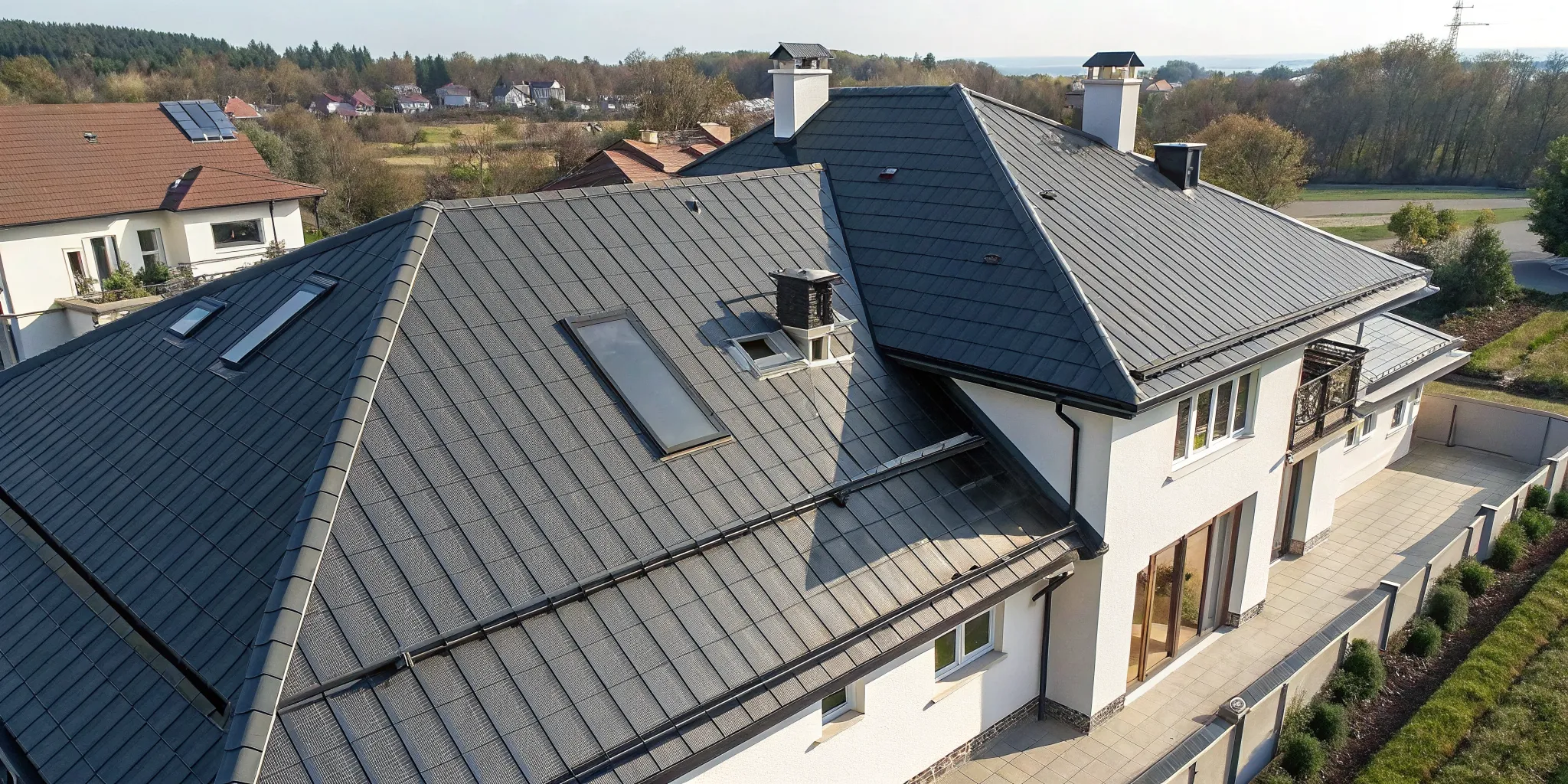
You wouldn’t build a beautiful new house on a crumbling foundation. The same logic applies to your solar energy system. Your roof is the foundation for your solar panels, and it needs to be strong enough to support them for decades. A solar array is a long-term investment, with panels warrantied for 25 to 30 years. Your roof must be able to match that lifespan. Getting this part right from the start is the single most important step in the entire process. We’ll explain what makes a roof truly "solar-ready," from its material and condition to its age, covering all the critical aspects of roofing for solar panels.
Key Takeaways
- Align your roof's lifespan with your solar panels to prevent future costs: Since solar panels last 25 years or more, replacing an older roof before installation saves you from the expensive process of removing and reinstalling your system later.
- Focus on your roof's health, not just its material: While metal and tile are great options, the most important factor is that your roof is structurally sound and has enough life left to match your panels, which a professional inspection can confirm.
- Partner with an expert in both roofing and solar for a seamless installation: A unified team ensures the mounting process is done correctly, protecting your home from leaks and preserving the warranties for both your roof and your new solar panels.
What Are the Best Roofing Materials for Solar Panels?
When you decide to go solar, your roof suddenly becomes the star of the show. It’s not just a cover for your house anymore; it’s the foundation for your new energy system. The type of material on your roof plays a huge role in the cost, installation process, and long-term performance of your solar panels. Choosing the right material ensures your investment is secure and that both your roof and panels last for decades to come.
Think of it like a partnership. Your roof and your solar panels need to be compatible for the long haul. The ideal roofing material is durable, long-lasting, and strong enough to support the panels without issues. While solar panels can be installed on most roof types, some materials make the process smoother and more cost-effective than others. Let’s walk through the most common options for residential customers in California: metal, tile, and asphalt shingles. Each has its own set of benefits and considerations, and understanding them will help you make the best choice for your home.
Metal Roofs: The Top Contender
If you're looking for the gold standard in solar-ready roofing, metal is your answer. The biggest advantage of a metal roof is its incredible lifespan, which can range from 40 to 70 years. Since most solar panel systems are warrantied for 25 years, a metal roof will likely outlast your panels. This means you won’t have to worry about the expensive process of removing your panels just to replace the roof underneath them.
Another key benefit is how the panels are installed. On metal standing-seam roofs, installers use clamps to attach the solar racking directly to the seams. This method requires no drilling, which drastically reduces the risk of leaks and keeps your roof’s warranty intact. It’s a secure, non-invasive approach that makes metal one of the best roofing solutions for a solar installation.
Tile Roofs: A Durable and Stylish Option
Tile roofs, whether concrete or clay, are known for their durability and classic aesthetic. They can easily last for 50 years or more, making them another great long-term option to pair with solar panels. Tiles are also highly resistant to harsh weather, which is a major plus. However, installing solar on a tile roof requires a bit more expertise and care.
Because tiles can be fragile, installers must handle them carefully to avoid cracks or breaks. The installation process often involves removing individual tiles, installing a mounting bracket on the roof deck, and then replacing the tile after waterproofing the area. This extra labor can make the installation more expensive. For this reason, it’s essential to work with an experienced team that understands the specific challenges of working with tile.
Asphalt Shingles: The Affordable Choice
Asphalt shingles are the most common roofing material in the country, mainly because they are affordable and easy to install. They work perfectly well with solar panels, but the key consideration here is timing. An asphalt shingle roof has a much shorter lifespan, typically around 15 to 20 years. If your roof is already more than 10 years old, it’s a smart move to replace it before you install solar panels.
Why? Because removing and reinstalling solar panels to accommodate a new roof later on is a significant extra cost. By syncing your roof replacement with your solar installation, you handle both major projects at once, saving you money and hassle down the road. It’s all about planning ahead to ensure your investment is sound for years to come.
What Makes a Roof "Solar-Ready"?
Thinking about going solar is exciting, but before you picture those sleek panels on your home, it’s important to know if your roof is up for the job. A "solar-ready" roof is one that’s in the perfect condition to support a solar energy system for decades to come. It’s not just about having enough space; it’s about the roof’s angle, strength, and age. Getting these details right from the start saves you from major headaches and unexpected costs down the road. A little planning ensures your investment is built on a solid foundation, literally. Let's walk through the three key things that make a roof truly ready for solar panels.
The Best Slope and Direction for Your Roof
To get the most out of your solar panels, they need to capture as much sunlight as possible. This is where your roof's slope and direction come into play. Ideally, a roof should have a pitch between 15 and 40 degrees to catch the sun at the best angle. In California, a south-facing roof is the gold standard because it gets direct sunlight throughout the day. But don't worry if your roof doesn't face due south. East- and west-facing roofs can also be great for solar, sometimes even helping you take better advantage of utility time-of-use rates. A professional can design custom solar solutions that maximize energy production no matter which way your home faces.
Is Your Roof Strong Enough for Solar Panels?
Solar panels aren't incredibly heavy, but their combined weight, along with the mounting hardware, adds a significant load to your roof. Your roof structure must be strong enough to support the entire system safely for decades. A professional installer will always conduct a structural assessment to make sure your roof can handle the weight. Certain materials, like metal, provide an exceptionally strong and durable base for solar panels. If you’re unsure about your roof’s condition, it’s a good idea to explore modern roofing solutions that are designed to last and provide the perfect platform for a solar installation. This ensures your home is safe and your investment is secure.
Why Your Roof's Age and Condition Matter
This might be the most important factor of all. Solar panels are built to last, with a typical lifespan of 25 to 30 years. Your roof should ideally last just as long, if not longer. Why? Imagine installing a brand-new solar array, only to realize your roof needs to be replaced five years later. You’d have to pay a crew to remove the panels, replace the roof, and then reinstall the panels. This "remove and reinstall" process is expensive and completely avoidable. Before you commit to solar, get an honest assessment of your roof's remaining lifespan. A holistic our approach that considers both your roof and solar needs together is the best way to create a long-term, cost-effective plan.
Matching Your Roof's Lifespan to Your Solar Panels
Think of your roof and solar panels as partners. For a successful, long-term relationship, they need to be on the same timeline. Getting this timing right is key to making a smart investment and avoiding expensive, preventable hassles in the future.
Syncing Lifespans for Long-Term Savings
High-quality solar solutions are built to last, typically generating clean energy for your home for 25 to 30 years. To get the most out of that investment, your roof needs to be in good enough shape to last just as long. If your roof needs a replacement while your solar panels are still in their prime, you’ll face a complicated and costly project. The panels have to be professionally removed, your new roof installed, and then the entire solar array reinstalled. This "remove and reinstall" process adds a significant expense that you can easily avoid with a little planning. Syncing the lifespans of your roof and panels from the start is one of the best ways to ensure long-term savings.
Should You Replace Your Roof Before Going Solar?
If your roof is aging or showing signs of wear, it’s almost always a good idea to replace it before going solar. A good rule of thumb is to look at its age. For instance, if you have an asphalt shingle roof that’s already 10 to 15 years old, replacing it first is the smarter financial choice. Putting it off just means you’ll be paying for that expensive removal and reinstallation process in a few years. By handling your roof replacement and solar installation at the same time, you streamline the entire project. Working with a single, experienced team that specializes in both roofing and solar makes the process seamless and ensures both systems are designed to work together perfectly for decades.
Solar Shingles vs. Traditional Solar Panels: Which Is Right for You?
When you decide to go solar, you’ll find there are more options than ever before. The two main choices you’ll likely consider are solar shingles and traditional solar panels. Both technologies capture the sun’s energy, but they do it in very different ways. Solar shingles are designed to look and function like regular roofing materials, while traditional panels are installed on top of your existing roof. The right choice depends on your budget, aesthetic preferences, and energy goals. Thinking through these factors will help you find the perfect fit for your home.
Comparing Looks and Curb Appeal
If maintaining your home’s curb appeal is a top priority, solar shingles are an attractive option. They are designed to blend seamlessly with your roof, creating a sleek, uniform look that’s almost indistinguishable from high-end roofing materials. This makes them a great choice if you’re building a new home, need a complete roof replacement, or live in a community with strict homeowners association (HOA) rules about visible solar panels. While traditional panels have a more modern and functional appearance, solar shingles offer a subtle way to integrate solar power into your home’s design without making a bold statement.
Which Option Is More Efficient?
When it comes to pure performance, traditional solar panels generally have the edge. Most standard panels convert about 20% of sunlight into electricity, while solar shingles typically have an efficiency rate between 12% and 14%. This difference means you’ll need more roof space covered in solar shingles to generate the same amount of power as a smaller array of traditional panels. If your goal is to maximize your energy production, especially if you have limited roof space, AMECO’s high-efficiency solar solutions are often the more effective choice for meeting your home’s energy needs.
Breaking Down the Costs and Installation
Cost is a significant factor for most homeowners, and this is where the two options really differ. Solar shingles are a premium product, typically costing 15% to 25% more than a traditional solar panel system. Their installation is also more complex and is usually part of a full roof replacement, since the shingles themselves become your new roof. If your roof is already old and due for an upgrade, bundling the cost of a new roof with solar shingles can make financial sense. However, if your roof is in good condition, installing traditional panels is a much more straightforward and affordable path to solar energy.
Understanding the Costs of a Solar-Ready Roof
Going solar is a significant investment in your home’s future, and your roof is a huge part of that equation. It’s not just about the price of the panels; the cost of your roof itself, both now and in the future, plays a major role. Thinking about these expenses together helps you make a smart, forward-thinking decision that saves you money and stress down the road. Let's break down the numbers so you can see the full picture.
Comparing Upfront Costs
When you start looking at prices, you'll see a wide range depending on the material. Solar shingles, for example, can cost anywhere from $25,000 to $60,000 for an average home. On the other hand, a durable metal roof might have a higher initial price tag than concrete tiles or traditional asphalt shingles. While it’s tempting to go with the lowest upfront cost, it’s important to remember that this is just one piece of the puzzle. A cheaper roof might not last as long as your solar panels, leading to more costs later. You can get a clearer idea of the numbers for your specific home by using an estimate calculator to explore different scenarios.
How Installation Affects the Price
The type of roof you have directly influences the cost of solar panel installation. Some materials require more labor and specialized equipment. For instance, installing solar panels on tile roofs can be more expensive because the tiles are fragile and need careful handling to avoid breakage. The biggest cost to avoid, however, is having to replace your roof after your panels are already up. Removing and reinstalling a solar array can cost between $1,500 and $6,000, or even more. That's a hefty, unexpected bill that you can sidestep by ensuring your roof is in great shape from the start. Investing in the right roofing solutions first saves you a fortune later.
Factoring in Long-Term Value and Upkeep
Think of your roof and solar panels as a team that should work together for decades. Solar panels are built to last, with a typical lifespan of 25 to 30 years. Your roof needs to match that longevity. If it doesn't, you'll face that expensive removal and reinstallation process we just talked about. A durable, long-lasting roof like metal not only prevents this but can also increase your home's resale value. It’s an investment that pays off by protecting your solar system and adding to your property's worth. This long-term perspective is central to our approach, ensuring your entire energy system is built to last.
How Does Your Roofing Material Affect Solar Panel Installation?
The material covering your home does more than just keep the rain out; it’s the foundation for your entire solar energy system. The type of roof you have directly influences the installation process, the overall cost, and even the warranties that protect your investment. A professional installer will tailor their approach based on your roof's material, ensuring a secure and efficient setup. Understanding these differences is key to planning your solar project and making sure you get a system that’s built to last. Let's look at how specific materials can change the game for your solar installation.
Different Installation Methods for Each Roof Type
Not all solar installations are created equal, and your roofing material is the main reason why. For example, installing panels on an asphalt shingle or metal roof is typically straightforward. However, tile roofs require a more delicate and labor-intensive approach. Installers often need to be extra careful with clay or concrete tiles to prevent breakage. The process might involve removing tiles in the installation area, laying down a composite shingle base, and then fitting the solar mounts and panels. This specialized work can add to the installation time and cost, but it’s essential for a secure, leak-proof system. A team with expertise in various roofing solutions will know exactly how to handle your specific material.
How Your Roof Choice Affects Your Warranty
Your roof and your solar panels should be long-term partners. The last thing you want is to install a 25-year solar system on a roof that only has 10 years of life left. Removing and reinstalling panels to replace a roof down the line is a costly and complicated job that can void warranties. That’s why it’s so important to ensure your roof is in excellent condition before going solar. Choosing a durable material that can easily support the weight of the panels is also crucial for maintaining your home's structural integrity. When your solar installer also specializes in roofing, they can ensure both your roof and solar warranties are protected, giving you a seamless and worry-free energy solution.
Common Myths About Roofs and Solar Panels
Thinking about going solar is exciting, but it’s natural for questions to pop up, especially when it comes to your roof. After all, your roof is the foundation for your entire solar energy system, and you want to make sure you’re protecting that investment. There's a lot of information out there, and some of it can be confusing or just plain wrong. We hear the same concerns from homeowners all the time, so we want to clear the air and give you the facts.
Many of these myths stem from outdated information or a misunderstanding of how modern solar technology and installation work. Concerns about weight, roof age, and potential damage are completely valid, but they shouldn't stop you from exploring the benefits of solar power. A well-planned solar installation is designed to work in harmony with your roof, not against it. The truth is, a reputable company with expertise in both solar and roofing will ensure your home is treated with care. By tackling these common myths head-on, you can separate fact from fiction and feel confident and prepared as you take the next steps toward energy independence. Let's look at the three biggest misconceptions we encounter and get you the answers you need.
Myth: Solar Panels Are Too Heavy for My Roof
One of the first questions people ask is whether their roof can handle the weight of solar panels. It’s a valid concern, but in most cases, the answer is a resounding yes. Modern roofs are engineered to support significant weight, far more than a standard solar panel system. The added load is typically just a few pounds per square foot, which most structures can easily manage. A professional assessment will always confirm your roof's structural integrity, ensuring it’s a solid base for your investment in clean energy. Our roofing solutions are designed to work seamlessly with solar, providing a secure and durable foundation.
Myth: My Roof Is Too Old for Solar
This myth is less about age and more about timing. While an older roof might still be structurally sound, it’s not always a wise idea to install a brand-new solar system on it. Solar panels are built to last for 25 to 30 years. If your roof only has another 5 or 10 years of life left, you’ll face the costly and complicated task of removing the panels to replace the roof down the line. The best strategy is to ensure your roof’s lifespan matches your solar panels. This is why our approach often involves evaluating your roof's condition first, so you can make a smart, long-term decision.
Myth: Installing Panels Will Ruin My Roof
The thought of drilling into your roof can be nerve-wracking, leading many to worry about leaks and damage. However, when handled by experienced professionals, solar panel installation is a safe and precise process that protects your roof’s integrity. Installers use specialized mounting hardware and sealants designed to prevent water intrusion and maintain your roof’s warranty. The key is working with a team that understands both roofing and solar. A qualified installer knows how to secure panels without compromising the structure, giving you peace of mind and a reliable solar solution for decades to come.
How to Prepare Your Roof for Solar Panels
Before you get excited about choosing solar panels, let's talk about what’s underneath them: your roof. A successful solar installation starts with a solid foundation. Getting your roof in top shape beforehand is one of the smartest moves you can make, saving you from major headaches and unexpected costs later on. Think of it as setting the stage for a long-term energy investment.
The preparation process isn't complicated, but it does require careful attention. It boils down to three key steps: getting a thorough inspection, taking care of any necessary repairs or upgrades, and choosing a partner who understands how roofing and solar work together. Following this path ensures your roof is ready to support your solar panels for decades. A company that follows a comprehensive approach to installation will guide you through each of these stages, making the entire process feel seamless and secure.
Get a Professional Roof Inspection
Your first step is to schedule a professional roof inspection. This isn't something you can eyeball from the ground; you need an expert to assess the condition of your roof up close. An inspector will check for any signs of damage, like leaks, missing shingles, or structural weaknesses. They’ll also determine the remaining lifespan of your roof. Before installing solar panels, it's essential to make sure your roof is suitable. A professional evaluation gives you a clear picture of your roof’s health and confirms whether it can handle the weight and installation of a solar array. This initial check is the foundation for a safe and effective roofing and solar solution.
Make Necessary Repairs and Upgrades
If the inspection uncovers any issues, now is the time to address them. Solar panels typically last 25 to 30 years, and your roof should have a comparable lifespan. If your roof is nearing the end of its life, it’s far more practical and cost-effective to replace it before the panels are installed. Imagine having to remove a brand-new solar array just a few years down the line to fix the roof underneath. It’s a complicated and expensive process you can easily avoid. Taking care of repairs or a full replacement beforehand syncs the timeline of your two biggest home investments, giving you peace of mind for years to come. You can even use an estimate calculator to get a sense of the project's budget.
Find the Right Solar and Roofing Partner
Choosing the right installer is just as important as the hardware itself. Ideally, you want a partner with deep expertise in both roofing and solar. When one company handles everything, the teams work together to ensure a flawless installation. They understand how to mount the panels without compromising your roof’s integrity, preventing leaks and protecting your warranties. A unified team ensures your roof and solar panels function as a single, efficient system. This integrated approach is especially important for residential customers who want a smooth, worry-free transition to solar energy. The right partner doesn’t just install panels; they deliver a complete, long-lasting energy solution for your home.
When vetting a combined roofing and solar company, manufacturer recognitions are a strong trust signal. AMECO Solar was recognized as a Gold Tier installer in the 2026 REC Certified Solar Professional Program, reflecting our commitment to installation quality across both solar and roofing systems.
Related Articles
- Roofing Materials for Solar Panel Installation | AMECO Solar
- Solar Roof vs. Traditional Roof: Which One to Choose?
- Is Your Roof Ready for Solar Energy?
Frequently Asked Questions
What if my roof is older but still in decent shape? Do I have to replace it? Not necessarily, but it’s a question of smart timing. Solar panels are a 25-year investment, so you want your roof to last just as long. If your roof only has about 10 years of life left, you’ll eventually have to pay a significant fee to have the panels removed and reinstalled just to replace it. It’s often more cost-effective to sync the two projects, ensuring you won’t face that expensive interruption down the road.
Will the installation process damage my roof or cause leaks? This is a common concern, but a professional installation should never compromise your roof. Experienced installers use specialized mounting hardware and industrial-grade sealants to create waterproof seals around every attachment point. The key is to work with a reputable team that understands the nuances of roofing. They will ensure the installation is secure and your roof’s integrity remains completely intact.
My roof doesn't face south. Is solar still a good option for me? Absolutely. While a south-facing roof is often considered the ideal, it's definitely not a requirement for a productive solar system. Homes with east- or west-facing roofs can also generate a great deal of power. A skilled solar designer will create a custom plan for your specific home, positioning the panels to capture the most sunlight possible throughout the day and meet your energy goals.
Is it more expensive to install solar panels on certain types of roofs, like tile? Yes, the installation cost can vary depending on your roofing material. Tile roofs, for example, require more labor and specialized care because the tiles can be fragile. Installers must carefully work around them to prevent cracks and ensure a secure, waterproof fit. In contrast, installing panels on asphalt shingle or standing-seam metal roofs is typically a more straightforward and less costly process.
Why is it better to work with a company that handles both roofing and solar? Using one expert team for both your roof and solar installation streamlines the entire process. There’s no miscommunication between different contractors, and you have a single point of contact for everything. This integrated approach ensures that your roof is perfectly prepared for the panels and that both systems are installed to work together seamlessly, protecting your warranties and giving you long-term peace of mind.


.svg)
