


Solar Panel Battery Storage for Home: Your Guide
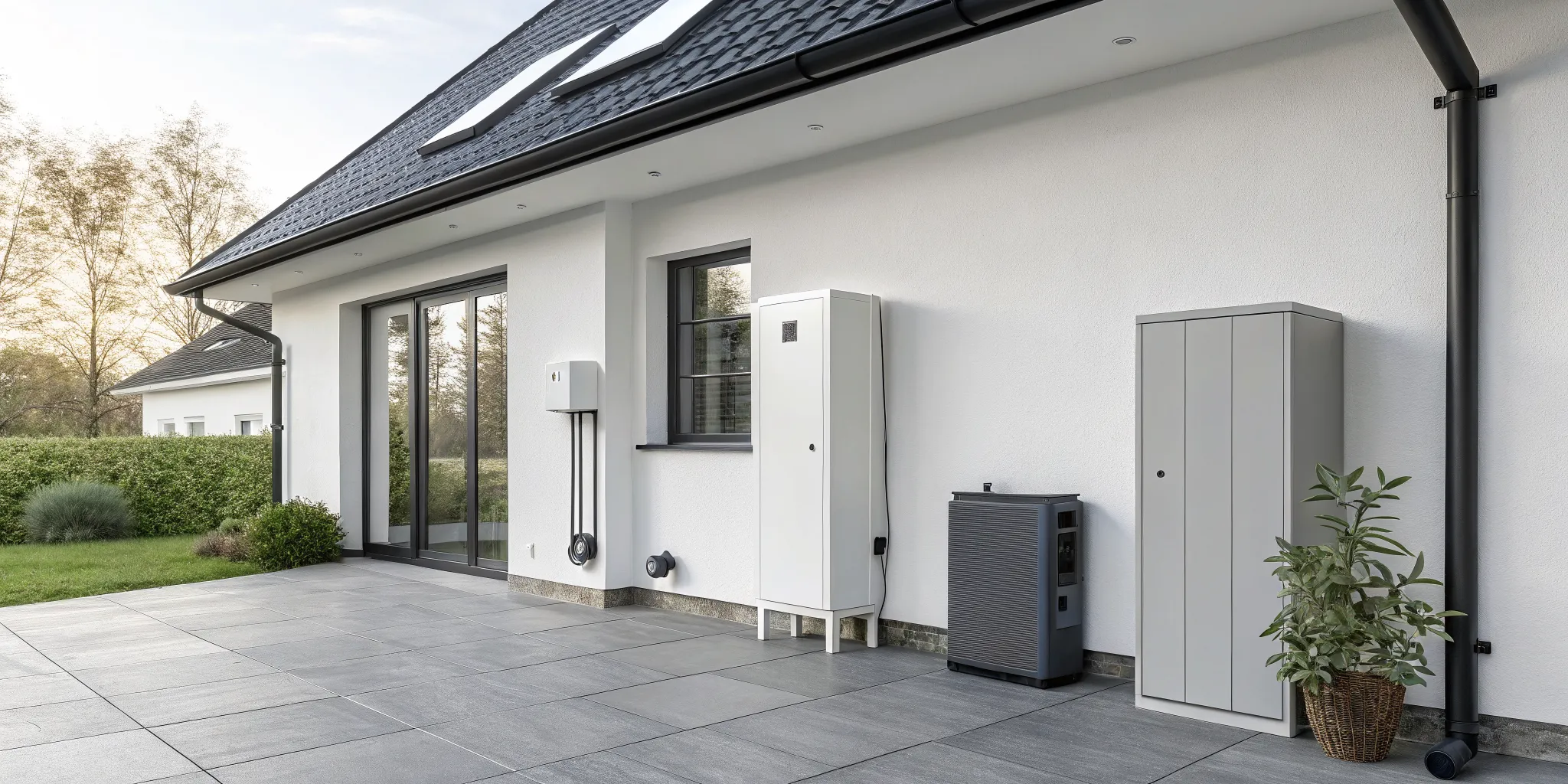
You’ve seen how solar panels can lower your electricity bills, but what about those frustrating time-of-use rates that make power so expensive in the evening? Your panels are dormant right when you need energy the most. A solar battery solves this problem by letting you store the free, clean energy you generate all day and use it during those costly peak hours. Instead of buying expensive electricity from the grid, you use your own. This simple shift gives you more control over your monthly bills and maximizes your solar investment. A solar panel battery storage for home system is the key to unlocking true energy savings.
Key Takeaways
- Store your own solar power for when you need it most: A battery gives you energy security during power outages and helps you save money by using stored solar energy when electricity from the grid is most expensive.
- Match the battery to your lifestyle: Decide if you want to back up just the essentials or your entire home, then choose a system with safe, durable Lithium Iron Phosphate (LFP) technology. A professional sizing assessment is the best way to get it right.
- Look for the markers of a quality system: Ensure the battery you choose is compatible with your solar panels, installed by a certified professional, and backed by a strong warranty of at least 10 years to protect your investment.
How Does Solar Battery Storage Work?
Think of a solar battery as a rechargeable piggy bank for the energy your solar panels produce. Instead of sending all the extra power you generate during the day back to the grid, a battery system saves it for you to use later. This simple concept is a game-changer for homeowners, giving you a reliable power source when the sun goes down or during an unexpected blackout. It puts you in the driver's seat of your home's energy usage, giving you more control and security.
Key Components of a Solar Battery
A solar battery isn't just a single unit; it's a smart system designed for safety and efficiency. The heart of the system is the battery itself. Most modern home batteries use a chemistry called Lithium Iron Phosphate (LiFePO₄). This type is the industry standard because it’s incredibly safe, durable, and can handle many charge-and-discharge cycles. When you're looking at different battery backup options, you'll also want to check the warranty. High-quality batteries typically come with a 10-year warranty, and some top brands even offer up to 15 years, giving you peace of mind in your investment.
Storing and Using Solar Energy
Here’s how it works in practice. On a sunny day, your solar panels are busy converting sunlight into electricity. Your home uses what it needs first, and any leftover energy automatically goes to charge your battery. Once the battery is full, any additional excess power can be sent back to the grid. Later, when the sun sets or a cloud passes over, your home seamlessly switches to using the clean energy stored in your battery. This stored power is also your lifeline during a blackout, keeping your lights on and essential appliances running. It’s one of the most effective ways to create reliable residential solar solutions and gain more control over your energy bills.
Why Add a Battery to Your Solar System?
Pairing solar panels with a home battery is like capturing sunshine in a bottle. While solar panels generate plenty of clean energy during the day, a battery lets you store the excess for whenever you need it. This simple addition transforms your solar system from a part-time energy producer into a full-time power solution for your home. It’s about making the most of the clean energy you generate, giving you more control, greater savings, and a smaller environmental footprint. Adding a battery is the key to unlocking the full potential of your solar investment.
Gain Energy Independence and Backup Power
For many California homeowners, the thought of another power outage is a major concern. A solar battery offers a powerful solution by providing reliable backup power. When your panels produce more electricity than your home is using, the extra energy charges your battery instead of going back to the grid. If the grid goes down, your system automatically switches to battery power, keeping your lights on, your refrigerator running, and your essential devices charged. This gives you true energy independence and peace of mind, knowing your family will be safe and comfortable during an outage without relying on a noisy, fossil-fuel-powered generator.
Save Money on Your Electric Bill
A solar battery can also have a big impact on your monthly utility bills, especially with California’s time-of-use (TOU) rate plans. Under these plans, electricity costs more during peak hours, typically in the late afternoon and evening when solar production winds down. Instead of buying expensive grid power during these times, you can use the free, clean energy stored in your battery. By strategically using your stored solar power when grid electricity is most expensive, you can significantly lower your energy costs. You can even calculate your potential savings to see how much a solar and battery system could reduce your bills over time.
Reduce Your Carbon Footprint
Choosing solar is already a fantastic step toward a more sustainable lifestyle. Adding a battery takes it even further. By storing and using more of the clean energy your panels produce, you minimize your reliance on the utility grid, which often generates power from burning fossil fuels. Every kilowatt-hour of stored solar energy you use is one less that needs to be produced by a traditional power plant. This directly reduces your household’s carbon footprint and contributes to a healthier environment for your community. It’s a practical way to deepen your commitment to green energy and ensure your home runs on sunshine, day and night.
What Are the Different Types of Solar Batteries?
When you start looking into solar batteries, you’ll quickly realize there are a few different technologies on the market. Just like the batteries in your phone or car, home energy storage has evolved quite a bit over the years. The type of battery you choose affects everything from its lifespan and performance to its safety and overall cost. For most homeowners in California, the choice comes down to a couple of key options, with one clear front-runner for modern solar systems.
Understanding the basics will help you have a more productive conversation with your solar installer and ensure you get a system that meets your needs for years to come. The goal is to find a reliable battery that can keep your lights on during an outage and help you save money, and the right technology makes all the difference. Think of it as choosing the right engine for a car; you want something dependable that’s built for the long haul. We’ll break down the most common types so you can see why we recommend certain solutions for our residential customers and how to pick the best fit for your home's energy goals.
Lithium-Ion Batteries
Lithium-ion batteries are the gold standard for home solar storage today. If you have a smartphone or an electric vehicle, you’re already using this technology. They are highly efficient, last a long time, and can store a lot of energy in a relatively compact and lightweight package.
Within this category, the safest and most durable chemistry is Lithium Iron Phosphate (LFP or LiFePO₄). It’s known for its stability and long cycle life, which is why it’s the preferred choice for residential battery backup systems. These batteries are designed to handle the daily demands of charging and discharging without degrading quickly, giving you a reliable source of power you can count on.
Lead-Acid and Other Options
Lead-acid batteries are the older, more traditional option. They’ve been around for over a century and are the same type of technology you’d find in a conventional car. Their main advantage is a lower upfront cost. However, that initial savings often comes with significant trade-offs.
Lead-acid batteries typically have a much shorter lifespan, are less efficient, and are heavier and bulkier than their lithium-ion counterparts. They also require regular maintenance to keep them running properly. While they might be suitable for small, off-grid DIY projects, they generally aren’t the best investment for a modern home solar system designed for reliability and long-term savings.
How to Compare Performance, Lifespan, and Safety
When you’re comparing different battery models, it’s easy to get lost in the technical specs. To simplify things, focus on three key areas: performance, lifespan, and safety.
First, look at the battery’s cycle life, which is the number of times it can be fully charged and discharged before its capacity starts to decline. A battery with more cycles will last longer. Next, check the warranty. A high-quality battery should come with at least a 10-year warranty. Finally, confirm the battery’s chemistry. As we mentioned, Lithium Iron Phosphate (LFP) is the standard for safety and durability. Making sure you get the right specs is a core part of our approach to designing a system that fits your home perfectly.
How Much Does Solar Battery Storage Cost?
Let’s talk about the numbers. Adding a battery to your solar system is a significant investment, and it’s smart to understand the costs involved. The final price can vary quite a bit depending on your home’s specific needs, the equipment you choose, and available financial incentives. Think of it less as a single price tag and more as a customized solution. We’ll break down the key components so you can get a clear picture of what to expect.
Breaking Down the Initial Cost
So, what can you expect to pay upfront? Generally, a 10 kWh home solar battery system, which is a popular size for residential use, costs between $9,000 and $13,000 after installation. A single battery unit might fall in the $5,000 to $10,000 range, while a more robust system with multiple batteries could cost up to $20,000. This initial price typically includes the battery itself, the necessary hardware for connection, and professional installation. For a more precise figure tailored to your home, you can get a personalized number using an estimate calculator.
What Affects the Final Price?
The final price of your battery system isn't one-size-fits-all. Several key factors will influence your total cost. The battery’s capacity, measured in kilowatt-hours (kWh), is the biggest driver; a larger capacity means more storage and a higher price. The brand and chemistry of the battery also play a role, as different manufacturers have different price points. Finally, the complexity of the installation can affect labor costs. Integrating a battery into an existing solar setup or working with a complex electrical panel may require more time and resources. You can explore different battery backup options to see what fits your home best.
Find Incentives and Financing
Here’s the good news: you likely won’t have to pay the full sticker price. Several government incentives can significantly reduce the cost of your solar battery. The most notable is the federal Residential Clean Energy Credit, which allows you to deduct a percentage of the cost of your solar equipment, including batteries, from your federal taxes. California residents can also benefit from programs like the Self-Generation Incentive Program (SGIP), which offers substantial rebates. Many homeowners also use financing to make the investment more manageable, spreading the cost over time.
How to Choose the Right Battery Size
Picking the right solar battery size is a bit like choosing the right water bottle for a hike. You need enough to get you through, but carrying too much is inefficient. The perfect size for your home depends entirely on your energy goals. Are you looking for a safety net to keep the lights on during a blackout, or do you want to power your entire home and significantly reduce your reliance on the grid? Answering this question is the first step to finding a system that fits your home and budget perfectly.
Calculate Your Daily Energy Needs
Before choosing a battery, you need a clear picture of how much energy your household uses. The best place to start is your monthly electricity bill. Look for your total kilowatt-hour (kWh) usage and divide it by the number of days in the billing cycle to find your average daily consumption. For example, if your home uses about 30 kWh per day, a good starting point for battery capacity would be around 15 kWh. This gives you enough power to get through the night and handle peak usage times. Our solar estimate calculator can also help you get a sense of your potential energy needs.
Decide Between Whole-House and Partial Backup
Next, think about what you want to power when the grid goes down. You have two main options: whole-house or partial backup. A whole-house system is designed to run everything, including large appliances like your air conditioner. This requires significant storage, often 30 kWh or more, which means a larger investment. A more common approach is a partial backup system that powers only essential appliances, like the refrigerator, lights, and Wi-Fi router. This ensures you have what you need during an outage without the cost of a larger battery backup system.
Get a Professional Sizing Assessment
While homework on your energy bills is a great start, it’s not a substitute for professional advice. A solar expert can provide a detailed assessment that goes beyond simple calculations. We look at your home’s specific energy patterns, the output of your solar panel system, and your personal goals to design a system that’s just right for you. A professional consultation ensures your battery is sized correctly to meet your expectations for performance and budget. Understanding our approach shows how a personalized plan makes all the difference in creating an effective solar and battery system.
What to Look for in a Solar Battery System
Choosing the right solar battery is about more than just picking a brand. It’s about finding a system that fits seamlessly with your home, your solar panels, and your lifestyle. Think of it as a long-term investment in your home’s energy security, one that will keep your lights on during an outage and help you save on electricity bills. When you start comparing options, you’ll want to focus on a few key areas to make sure you get a reliable system that meets your needs for years to come.
The three most important factors to consider are compatibility, installation requirements, and the warranty. First, you need to ensure the battery can actually work with your existing or new solar panels; they need to speak the same electrical language to operate efficiently. Second, you have to think about the physical reality of where the battery will live in your home, as it’s a piece of equipment that needs its own dedicated space. Finally, a strong warranty is your safety net, protecting your investment and giving you peace of mind. AMECO’s approach to battery backup is designed to walk you through these considerations, ensuring you find the perfect fit for your home.
Compatibility with Your Solar Panels
Not every solar battery is compatible with every solar panel system, so this is the first thing you need to check. The main difference comes down to how the battery connects to your system. Some batteries are AC-coupled, meaning they have their own built-in inverter to convert energy. This makes them a great choice for adding storage to an existing solar panel system. Others are DC-coupled, which means they share an inverter with your solar panels. This setup is often more efficient and is a popular option for new, all-in-one solar and storage installations. You don’t need to be an expert on solar battery technology, but knowing these basics will help you have a more productive conversation with your installer.
Installation and Space Requirements
A solar battery is a sizable piece of equipment, so you’ll need to plan for where it will go. A typical home battery is a bit taller and wider than a washing machine, though not as deep. Most are installed in a garage, basement, or on an exterior wall in a spot that’s protected from direct sunlight and extreme temperatures. Because it involves complex electrical wiring, you should always have a certified professional handle the solar battery installation. An experienced installer will ensure the battery is connected safely to your solar panels and home’s electrical system, so you can count on it to work correctly when you need it most.
Warranty and Maintenance Details
A solar battery is a major home upgrade, and a good warranty protects that investment. Most high-quality batteries come with a 10-year warranty, which typically guarantees the battery will retain a certain percentage of its capacity over that time. Some top brands even offer warranties up to 15 years. The expected lifespan of today’s batteries is also impressive, with many lasting 12 to 14 years or more. The good news is that modern solar batteries require very little maintenance. Once installed, they are designed to operate quietly and efficiently in the background, giving you a reliable source of backup power without any extra work.
Common Myths About Solar Batteries
Solar batteries are an incredible technology, but there’s a lot of confusing information floating around. It can be tough to separate fact from fiction when you’re trying to decide what’s right for your home. Let’s clear up a few of the most common myths so you can feel confident about your investment in energy independence. Understanding the reality of solar storage helps you set the right expectations and choose a system that truly meets your family’s needs.
Myth: Any Battery Can Power Your Whole House
It’s a common dream: a blackout hits the neighborhood, but your home keeps running seamlessly. While this is absolutely possible with solar batteries, it’s not a given with just any system. Powering your entire home, especially energy-hungry appliances like central air conditioning, requires a system specifically designed for that load. A smaller battery might be perfect for keeping essentials like your lights, refrigerator, and Wi-Fi running. A whole-house solution requires a larger, more robust battery backup system. It all comes down to sizing your system to match your energy goals.
Myth: You'll Be Completely Off-Grid Instantly
Adding a solar battery gives you a huge leap in energy independence, but it doesn’t usually mean you’ll be completely off-grid. Most homes with solar panels and batteries remain connected to the utility grid. This connection provides a reliable backup source of power and allows you to send excess solar energy back to the grid for credit, depending on your utility’s policies. Our approach focuses on designing a system that gives you security during outages and maximum financial savings, all while maintaining the stability that a grid connection provides.
Myth: Batteries Last Forever with No Maintenance
Modern solar batteries are built to be durable and long-lasting, but they aren’t a one-time purchase that lasts forever. Like any major home appliance, they have a finite lifespan. High-quality lithium-ion batteries typically come with warranties for around 10 years and can last even longer with proper care. They are designed to be very low-maintenance, but it’s important to understand the warranty and expected performance over time. We prioritize installing reliable solar solutions with strong warranties, ensuring you get a dependable system that stands the test of time.
Is a Solar Battery Worth It for You?
Deciding to add a battery to your solar system is a big step, and it really comes down to your personal goals. Are you looking for maximum savings on your utility bills? Or is your top priority keeping the lights on during a blackout? For many California homeowners, the answer is a bit of both. A solar battery helps you get the most out of your solar panels by storing the extra energy they produce, giving you more control over your power and your budget.
Let's look at the two main ways a battery provides value, so you can see if it’s the right fit for your home.
Understanding Your Return on Investment
A solar battery is an investment, so it’s smart to think about the financial return. By storing the solar energy you generate during the day, you can use it at night or during peak hours when electricity from the grid is most expensive. This directly cuts down your utility bills. While the upfront cost can range from $5,000 to over $20,000 depending on the system size, high-quality batteries are built to last, with warranties often covering 10 to 15 years. For a clearer picture of what you might spend and save, you can use an estimate calculator to get numbers tailored to your home and energy usage.
The Long-Term Value of Energy Security
Beyond the numbers, a solar battery offers something incredibly valuable: peace of mind. Having a reliable battery backup means you’re not left in the dark during a power outage. When the grid goes down, your system can automatically switch over to battery power, keeping your refrigerator, lights, and other essential appliances running without interruption. This energy independence gives you security and stability, knowing your home is prepared for grid failures or planned shutoffs. It’s a long-term solution that provides quiet, seamless power when you need it most, giving you control over your home's energy future.
Related Articles
- Solar Energy Storage: How Is Solar Energy Stored
- Solar Battery Backup for Home: A Complete Guide
- Solar Batteries: What You Need to Know
Frequently Asked Questions
How long can a solar battery power my home during an outage? The runtime of your battery depends entirely on its size and what you choose to power. A smaller system might be set up to run essential items like your refrigerator, lights, and internet for many hours or even a full day. A larger, whole-house system could run everything, including your air conditioner, for a shorter period. The key is to decide what's most important for your family's comfort and safety, and we can help you size a system that meets those specific needs.
Can I add a battery to my existing solar panel system? Yes, in most cases you can. This is a very common upgrade for homeowners who already have solar panels. Systems known as AC-coupled batteries are designed specifically for this purpose, as they have their own inverter and can be easily integrated into your current setup. A professional consultation can confirm the compatibility with your specific solar equipment and make the process straightforward.
How much maintenance does a solar battery require? Modern solar batteries, particularly the Lithium Iron Phosphate (LFP) type we recommend, are designed to be incredibly low-maintenance. Once professionally installed, the system operates automatically in the background, charging from your solar panels and providing power when needed. There are no regular check-ups or fluid top-offs required from you, giving you a reliable power source without any extra hassle.
Will a battery really help me save money with California's time-of-use rates? A solar battery is a great tool for managing costs under time-of-use (TOU) billing. Instead of buying expensive electricity from the grid during peak evening hours, your home can automatically switch to using the free, clean energy you stored earlier in the day. This strategy of avoiding high-cost grid power can lead to significant savings on your monthly utility bills over the long term.
Does getting a solar battery mean I'm completely off-grid? While a battery gives you a great deal of energy independence, most residential systems are designed to remain connected to the utility grid. This connection acts as a reliable backup and allows you to benefit from net metering programs where applicable. Your system provides power during an outage, but being grid-tied ensures you have ultimate stability and can maximize the financial benefits of your solar investment.


.svg)
