


Solar Panel Insurance in California for Homeowners
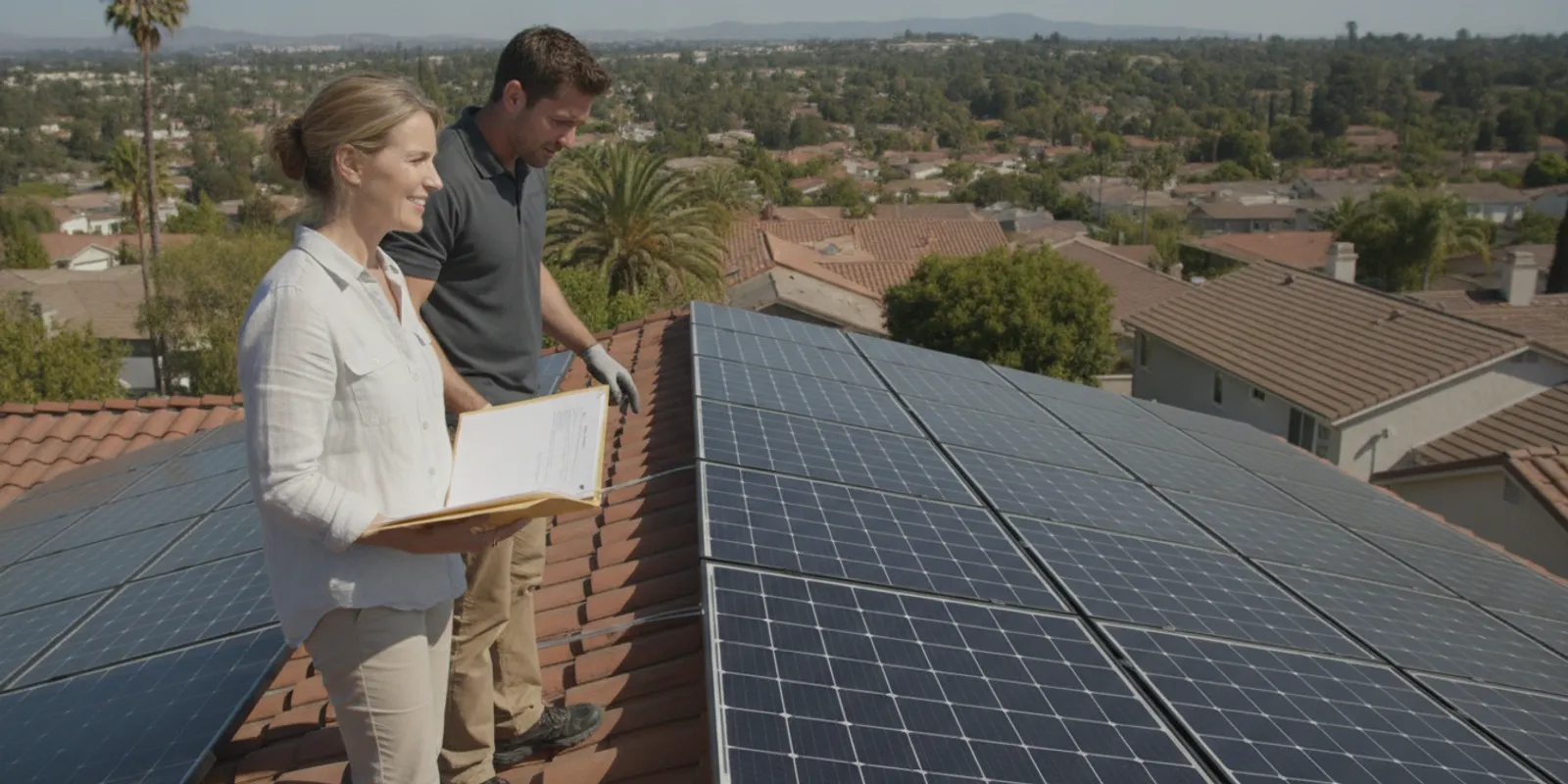
Understanding solar panel insurance California homeowners may need starts with one essential step: ask your own insurer how the panels and related work fit into your specific policy. Coverage can vary by carrier, contract, roof, system design and property. A conversation before installation can help you identify questions early and know what information to keep if you ever need to report damage.
Discuss your solar and roofing project
Why should you talk with your insurer before installing solar?
Solar equipment becomes part of the physical risk profile of a home. The installation may change the roof surface, add equipment and wiring, and introduce new records and maintenance considerations. That does not automatically mean a policy will change in a particular way. It does mean a homeowner should not rely on a general online answer or an installer’s assumptions about insurance.
Ask the insurer to explain how the policy in force applies to the planned system. If you are comparing proposals, describe the proposed equipment and installation as accurately as you can. Request the answer in writing, or ask the representative to point you to the exact policy language and endorsements that apply. Keep the date, representative’s name or reference number, and copies of any follow-up correspondence.
AMECO Solar & Roofing provides solar installation and roofing services in California. Its solar and roofing approach covers project planning through installation. For the insurance decision, however, the insurer and your policy documents are the sources to rely on. A contractor can provide project details, but cannot determine how an individual carrier will interpret its coverage.
Which parts of a solar project should you ask about?
Use clear, separate questions instead of asking only, “Is solar covered?” The phrase can mean several different things: damage to panels, damage to the home, liability for an incident, or costs tied to repairing or removing equipment. Ask about the solar equipment and the roof as related but distinct parts of the discussion.
- Panels and attached equipment: Ask how the policy treats the modules, racking, inverter, wiring and any other equipment included in the planned system.
- Damage to the house: Ask what happens if a covered event damages both solar equipment and the roof or another part of the home.
- Removal and reinstallation: Ask whether the policy addresses the labor or other costs of removing and replacing panels when roof work is needed after a covered loss.
- Liability: Ask whether the installation changes any liability terms or requires information about contractors, work practices or property conditions.
- Policy limits and deductibles: Ask whether limits, exclusions, deductibles or endorsements apply differently to the system or a related claim.
- Notice and documentation: Ask whether the carrier wants project information before work begins and what to provide if damage occurs.
These are questions, not assumptions that a particular policy includes or excludes a cost. Ask the insurer to distinguish damage caused by a covered event from wear, maintenance, installation defects or other circumstances. The applicable wording and facts of a loss matter.
What coverage questions should you put on your checklist?
Write your questions down before calling so you can compare the answers with the policy documents later. If a representative gives a brief yes or no, ask what the answer means for a specific example. For instance, ask how the policy would address a storm-damaged panel that also damages roofing material, and whether separate deductibles or limits could apply. Avoid treating a hypothetical answer as a promise of claim payment.
- Is the planned solar system treated as part of the dwelling, other property, or another category? Ask which policy section applies and whether the answer depends on how the system is attached or owned.
- Does the policy require a change in the insured amount? Ask whether the system’s installation value or any other property information should be reflected in the policy. Do not choose a new limit based on a contractor’s estimate alone.
- Are there relevant exclusions or endorsements? Ask for the names and wording of any provisions that could affect panels, roof penetrations, electrical equipment, water intrusion, wind, fire or other perils relevant to the home.
- Could a claim involve more than one deductible or limit? Ask the insurer to explain how it evaluates damage to panels, roof and interior areas arising from one event.
- Does the carrier need advance notice or documents? Find out whether you should send the plans, contract, equipment information or completion records before or after installation.
- Who should be contacted if something changes? Confirm the right channel for reporting a completed project, a roof replacement, a system alteration or a loss.
When the answer is unclear, ask the carrier to identify the controlling policy language. A general description from a call center may not include all policy conditions. You can also consult the California Department of Insurance for consumer insurance information and ways to understand your options. The department is not a substitute for reading your policy or obtaining a coverage explanation from your insurer.
How should roof condition factor into the discussion?
The roof is both the surface that supports the system and a building component that may eventually need repair or replacement. Before work starts, document its visible condition and discuss the roof’s age, material, known leaks, past repairs and any planned roofing work with the insurer and installer. If the roof needs attention, consider the sequence of roof and solar work rather than assuming panels can remain in place throughout future repairs.
Ask the insurer whether the roof’s condition or prior damage affects relevant coverage, and ask the installer what roof work is included in the proposal. These are different questions. The insurer explains policy terms; the contractor explains the proposed scope. A written scope should make clear what is being installed and whether roofing work is included, excluded or handled separately.
For a project that may involve both roof and solar work, review AMECO’s information about coordinating solar and roofing and its roofing services. These resources can help frame the project conversation, but they do not determine policy coverage. Confirm any roof-specific insurance terms directly with your carrier.

Questions about roof work and future repairs
- Does the insurer need a roof inspection, photographs or other condition records before installation?
- Are there policy requirements for prompt reporting of leaks or other damage?
- If the roof is damaged, how does the insurer distinguish the cost of repairing the roof from the cost of removing or reinstalling solar equipment?
- Would a later roof replacement require advance notice, a separate contractor, or information about the solar system?
- What records should I keep to show the roof condition before and after the project?
Do not assume that a roof issue is caused by the solar installation, or that it is unrelated. If a problem appears, document when it began, where it is located and what changed. Notify the appropriate parties promptly and follow the policy’s reporting instructions. Avoid authorizing extensive repairs before understanding any inspection or documentation requirements, except where immediate action is needed to prevent further harm or address a safety concern.
What should you ask about equipment damage?
Panels are only one part of a solar array. The planned equipment may include racking, an inverter, electrical components and monitoring hardware. If the home includes battery storage, ask specifically about the battery as well; do not assume that an answer about rooftop panels automatically addresses equipment installed elsewhere. System configuration, ownership and policy language can affect how the insurer views each component.
Use concrete scenarios when asking about damage. Ask how the insurer handles a panel cracked by an external impact, equipment affected by a fire or water event, or damage to wiring associated with a larger home loss. Ask whether the policy has special limits or exclusions for equipment at the property. The insurer may need the equipment schedule, location and other system details to give a useful response.
For homes considering battery storage, review the project details and ask about the proposed equipment’s location and installation. AMECO’s battery backup information can help you prepare questions about a system, but coverage decisions remain with the carrier. If your system includes a battery, record its model and serial number, installation date and location along with the other project documents.
Be precise about causes. Damage from a sudden event, a gradual condition, a manufacturing issue or an installation problem may be handled differently under a policy or warranty. Ask the insurer what documentation it expects and ask the installer or equipment provider about the appropriate warranty channel. A warranty and an insurance policy are separate arrangements; one does not automatically replace the other.
What liability questions belong in the conversation?
Liability questions are not limited to whether a panel is damaged. Homeowners may want to ask whether adding equipment or arranging work affects the policy’s liability provisions, whether a contractor’s insurance information should be retained, and what to do if an incident involves a visitor, a neighboring property or property damage. The answer depends on the circumstances and the specific policy.
Ask your insurer these direct questions:
- Does the planned installation require any change to my liability coverage or a notice to the carrier?
- Should I provide the contractor’s certificate of insurance or other project documents?
- Are there policy conditions related to construction work, roof access or temporary work at the home?
- How should I report an incident involving property damage or an injury during or after installation?
- Does the answer change if I own the system, use a lease arrangement, or have battery equipment?
Do not infer that a contractor’s insurance means the homeowner has no responsibilities, or that the homeowner’s policy covers every contractor-related event. Ask the insurer and contractor to explain their respective roles, and keep copies of relevant documents. If an incident occurs, follow the insurer’s reporting instructions and avoid making statements about fault before the facts are understood.
What records should you keep before and after installation?
A well-organized file makes it easier to answer questions later. Keep digital copies in a secure location and retain original records where appropriate. The exact documents a carrier may request will vary, so ask before work begins and update your file when the system is changed, repaired or expanded.
- Current homeowners policy, declarations page, applicable endorsements and renewal notices.
- Written answers from the insurer, with the date and contact or reference details.
- Solar and roofing proposals, contracts, scope descriptions and change orders.
- System plans or equipment schedules identifying panels, inverter, battery if applicable, and equipment locations.
- Permits, inspection records and documents showing project completion, when provided.
- Before-and-after roof photographs, plus clear images of the completed installation.
- Invoices, payment records, warranties and manufacturer documentation.
- Maintenance, repair and service records, including dates and descriptions of work.
- Claim correspondence, adjuster communications, estimates and receipts if a loss occurs.
Make photographs useful: take wide views that show the roof and system location, then closer images that document visible equipment and conditions. Keep the original files when possible and note when they were taken. Avoid climbing onto a roof if it is unsafe; ground-level images or records supplied by a qualified professional may be more appropriate.
If you are still gathering project details, AMECO’s residential solar information and project examples can help you understand the kinds of materials to discuss with a contractor. Examples do not establish what your carrier will cover. Give the insurer accurate information about your own home and proposed equipment.
How can you compare insurer answers with your project options?
Insurer conversations are more useful when the project information is specific. If you are reviewing different proposals, collect the same basics for each: system configuration, equipment locations, whether storage is included, roof work, ownership arrangement, and the planned scope. Then ask the insurer whether any differences matter to its policy review. Do not assume that two projects are equivalent merely because both are described as rooftop solar.
| Project detail | What to share or ask | Why it matters to the discussion |
|---|---|---|
| Panels and mounting | Proposed layout, equipment schedule and attachment details | Helps the insurer understand what is being added to the roof and what records may be needed. |
| Roof condition | Roof age if known, visible issues, previous repairs and planned work | Separates existing roof concerns and project scope from questions about future damage. |
| Inverter and electrical equipment | Equipment type and location, where available | Clarifies which system components are part of the insurance conversation. |
| Battery storage | Whether included, equipment location and model information | A battery may have different location and documentation details than rooftop panels. |
| Ownership and contract | Whether the system is purchased or arranged through another payment or ownership structure | Prompts the insurer to explain whether ownership affects its questions or policy treatment. |
| Roof removal or replacement | Ask how costs and procedures are handled if a covered loss requires roof work | Identifies whether removal and reinstallation are addressed and what terms apply. |
Use the table as a conversation guide, not as a coverage chart. It does not promise that a policy covers an item or expense. Carrier answers should be tied to the current contract and to your home’s details. If you are comparing costs or system designs, AMECO’s solar project estimate resource may help you organize the project discussion; any project-specific estimate and scope need to be reviewed on their own terms.
How can you prepare for a policy renewal after adding solar?
Renewal is a useful point to check that your insurer has current information about the home. Do not assume that a policy file updated during installation will remain accurate after later changes. Before the renewal date, review the declarations page and ask whether the carrier has recorded the solar system, any battery, the roof work and the insured property details in the way it expects. If the policy has changed, compare the new documents with the prior version and ask about terms you do not understand.
Keep a short project summary with the date the system was completed, the equipment included and any roof work performed. If you later add storage, replace an inverter, expand the array or make a substantial roof repair, ask whether the insurer needs an update. The carrier may not require the same information in every situation, so use its guidance rather than guessing. If you change insurers, provide accurate answers on the new application and do not assume a prior carrier’s treatment will carry over.
When comparing policies, do not focus only on a premium quote. Ask how each option addresses the system and related roof work, what limits and deductibles apply, and whether relevant exclusions or endorsements differ. Confirm that the same facts about the property and equipment were used in each discussion. A lower price does not by itself establish that two policies provide the same protection. For help organizing project information, review the factors that can affect solar installation proposals; policy comparison still belongs with the insurers.
Discuss your solar project details
What if the home is sold or the solar system changes?
A home sale, system expansion or change in equipment can create new questions for both the homeowner and the insurer. If you plan to sell, check the solar agreement and system records so you can explain what equipment is present and how it is owned. Ask the insurer whether a pending sale affects policy dates or reporting obligations. A buyer should confirm coverage with their own insurer rather than relying on the seller’s coverage answer, because the buyer’s policy and property circumstances may be different.
For an addition or replacement, record what changed and when. Keep the updated equipment schedule, invoices, permits or inspection records when available, and photographs of the work. Ask the carrier if it needs revised information about the system value, location, ownership or roof condition. If the work involves a battery, include its placement and model details rather than describing the change only as “more solar.” Specific facts help the representative give a more useful answer.
Ask project providers to explain the work scope in plain terms and retain the signed documents. If a system is removed temporarily for roof work, record who is responsible for handling it, what condition it was in beforehand and how the work will be documented. These records do not decide whether a claim is covered, but they can help clarify the sequence of events if a question arises later.
How can you keep roof and system records useful?
Choose a consistent place to store policy documents and project records, such as a secure digital folder with a backup. Use clear file names that include the date and describe what each item shows. For example, separate the original proposal, final equipment schedule, roof photographs and insurer correspondence. This avoids relying on memory when the policy renews or an adjuster asks when a condition first appeared.
After a repair, save the work order and photographs showing the repaired area. If a contractor identifies a condition that could affect the roof or electrical system, note the date and request a written description. Keep records of routine monitoring or maintenance if available, but do not treat a monitoring alert as a professional diagnosis. Report problems according to the policy and equipment provider instructions, and retain copies of the communications.
Review the file at least when the policy renews, when roof work is planned, or when the system changes. Remove duplicate or outdated copies only after confirming that the current policy and project records are preserved. A simple, current record set is more useful than a large folder of documents with no dates or context.
What should you do if solar equipment or the roof is damaged?
Start with safety. Keep people away from damaged electrical equipment, exposed wiring or an unstable roof, and follow emergency instructions from local authorities when applicable. Do not touch equipment that may be energized. Once the immediate hazard is addressed, read the policy’s instructions for reporting a loss and contact the carrier through its designated channel.
- Report the event promptly. Ask what claim information the insurer needs and whether there are deadlines or inspection steps under your policy.
- Record what you can safely observe. Take photos from a safe location and note the date, weather or event details, and when you first noticed the damage.
- Protect the property from further damage. Ask the insurer what temporary measures are appropriate and keep receipts for necessary work.
- Do not discard damaged components without guidance. Ask whether the adjuster or another party needs to inspect or document them.
- Notify relevant project parties. Contact the installer, equipment provider or roofer when appropriate, while keeping insurance reporting separate.
- Keep a communication log. Record claim numbers, dates, names and the information exchanged.
Claim decisions depend on policy language, the cause and evidence of loss, and the facts found during review. Do not assume that damage is insured simply because solar equipment is present, or assume it is excluded based on a general statement. If the insurer requests a repair estimate, make sure it distinguishes the affected roof areas, solar equipment and any temporary work as clearly as possible.
How do California homeowners get a clear answer?
There is no single answer that applies to every carrier and every property. The policy, endorsements, system design, roof condition, ownership and the details of a loss can all matter. A short checklist can help keep the conversation focused:
- Describe the proposed system accurately, including battery storage if planned.
- Explain any roof work, known roof concerns or prior damage.
- Ask about property coverage, limits, deductibles, exclusions and liability separately.
- Ask how roof repairs and solar removal or reinstallation are treated after a covered event.
- Request the applicable policy wording or written clarification.
- Save the answer and project records with your policy documents.
- Revisit the conversation after major changes, such as adding equipment or replacing the roof.
For additional project context, read AMECO’s overview of residential solar solutions and its information on solar systems for a home. These resources can help you identify project details to share, while the carrier remains the authority on its own policy terms. If you need help defining the solar or roofing scope, contact the project provider separately from your coverage discussion.
Plan a solar and roofing consultation
Frequently asked questions about solar panels and homeowners insurance
Will installing solar panels automatically raise my homeowners insurance premium?
There is no universal answer. A carrier may consider the home, system, policy and other underwriting details when reviewing a change. Ask your insurer whether the planned installation affects the premium, insured amount, deductible, limits or any policy conditions. Request the explanation for your own property rather than relying on another homeowner’s experience.
Does homeowners insurance cover solar panels?
Coverage depends on the individual policy, carrier, equipment and facts of a claim. Ask how your contract classifies the system and whether specific limits, exclusions or endorsements apply. Confirm whether the answer includes panels and related equipment such as mounting hardware, inverter, wiring or battery storage.
Does insurance pay to remove and reinstall solar panels during roof repairs?
Do not assume that removal or reinstallation costs are included. Ask the insurer how those expenses are treated when a covered event requires roof work, and ask whether the answer changes for routine roof replacement or damage that is not covered. Request relevant policy wording and keep it with the project records.
Should I tell my insurer about a leased or prepaid solar arrangement?
Yes, explain the arrangement accurately and ask whether ownership or contract terms affect the carrier’s questions. Do not assume an insurer will treat purchased, leased or otherwise arranged equipment the same way. Keep the relevant agreement and equipment information available, and ask whether another party has insurance requirements that should be documented.
What should I do if the insurer and installer give different answers?
Ask each party to clarify the part of the question within its role. The insurer should explain its policy terms and underwriting requirements; the installer should explain equipment, project scope and workmanship documentation. Request written information from both and do not treat a contractor’s opinion as a coverage determination. If needed, contact the insurer again with the exact project documents.
What is the next step for your solar and roofing project?
Before you sign or schedule work, gather the proposed system and roof details, contact your carrier, and save its response. If a roof replacement may be part of the project, coordinate the scope early and ask how the work sequence affects access to the roof and system. A project-specific review is more useful than relying on broad statements about what California policies usually do.
Request a project conversation
Solar panel insurance in California depends on your insurer, policy and property, so confirm the terms directly with your carrier and keep the written answer with your home and system records.


