


Your Guide to a Solar Panel System for Home Installation
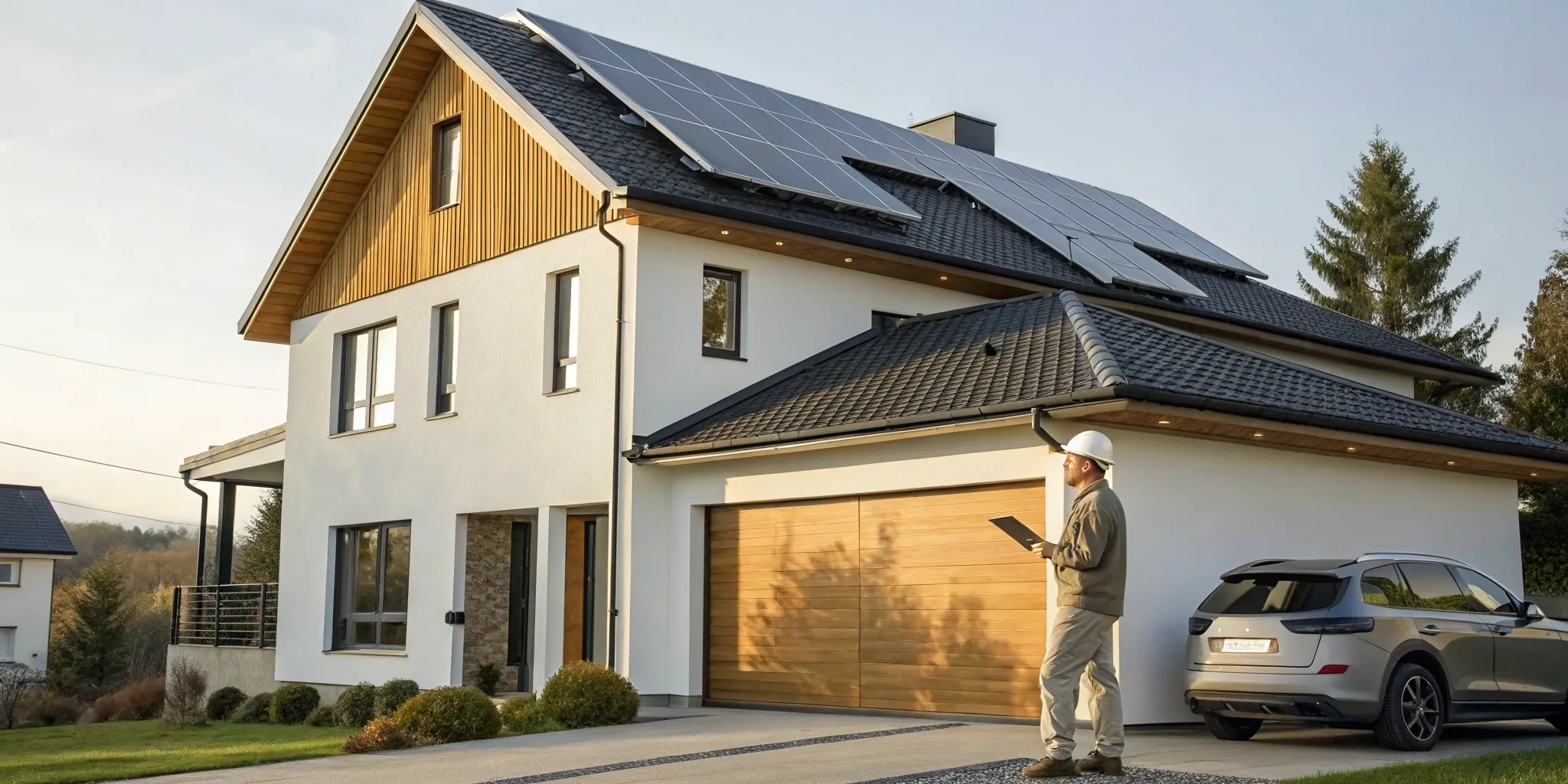
That feeling when the lights flicker and the power goes out is all too common for many of us in California. Relying on the public grid means accepting that your power supply is out of your hands. A solar panel system for home installation, especially when paired with a battery backup, puts you back in control. It creates your own personal power station that keeps your lights, refrigerator, and essential devices running, even during a widespread blackout. This guide explains how you can achieve true energy independence, providing your family with the security and reliability that the grid can’t always guarantee.
Key Takeaways
- Solar is a practical financial decision: The upfront cost is significantly reduced by the 30% federal tax credit and other incentives, while the system pays for itself over time through major savings on your monthly electricity bills.
- The right system matches your main goal: A grid-tied system is great for lowering bills, but a hybrid system with battery backup offers the best of both worlds by providing savings and reliable power during an outage.
- A professional installer is your most important partner: Choosing a certified expert ensures your roof is protected, your system is designed for optimal performance, and all the complex permits and paperwork are handled for you.
What Is a Home Solar System?
At its core, a home solar system is your personal power station. It’s a setup that captures sunlight and converts it into electricity to run everything in your house, from your lights to your laundry machine. A complete system typically includes photovoltaic (PV) panels mounted on your roof, an inverter to process the energy, and a racking system that secures the panels. Many homeowners also choose to add a battery to store extra power for later use. By generating your own clean energy, you can significantly lower your monthly utility bills and become less reliant on the public power grid. The entire process, from design to activation, is something a professional installer handles to ensure everything is safe, efficient, and built to last.
The Main Parts of a Solar System
Think of a solar system as a team where each part has a specific job. First, you have the solar panels themselves. Most modern residential systems use highly efficient monocrystalline panels that capture sunlight. These panels are secured to your roof with a durable racking or mounting system, which is carefully installed to protect your roof’s integrity. Next is the inverter, the brain of the operation. It converts the direct current (DC) electricity the panels produce into alternating current (AC) electricity your home can use. Finally, all these components are connected with wiring that a professional installer will run to your home’s main electrical panel.
How Solar Panels Power Your Home
The process of turning sunlight into usable power is surprisingly straightforward. It all starts with the photovoltaic cells inside your solar panels. When sunlight hits these cells, it creates an electric current. This is your very own clean, DC electricity. From there, the energy flows to the inverter. The inverter’s job is to convert that DC power into the AC power that your appliances and electronics need to run. Any electricity you don’t use right away can either be sent back to the grid for a credit (depending on your utility’s policy) or stored in a battery backup system for you to use at night or during an outage.
The Real Benefits of Going Solar
Installing a solar system offers more than just lower electricity bills; it provides true energy independence. In California, where grid instability and power outages can be a real concern, having your own power source brings incredible peace of mind. You’re no longer completely dependent on your utility company. Beyond that, going solar is a solid financial investment. Studies from the Department of Energy show that homes with solar panels can sell for a premium, adding significant value to your property. You also get to power your life with clean, renewable energy, which reduces your carbon footprint and contributes to a healthier planet for everyone.
What Are the Different Types of Solar Systems?
When you start exploring solar energy, you’ll quickly find there isn’t a one-size-fits-all answer. The best solar system for your home depends entirely on your goals. Are you looking to lower your monthly electricity bills? Do you want to keep the lights on during a blackout? Or are you dreaming of complete energy independence? Understanding the main types of solar systems is the first step toward finding the perfect fit for your family and your home. Let's walk through the three primary options you'll encounter.
Grid-Tied Systems
A grid-tied system is the most common setup for residential solar. As the name suggests, your solar panels are connected directly to the local utility grid. During the day, your home runs on the clean energy you produce. If you generate more power than you use, that excess energy is sent back to the grid, and you can earn credits that lower your electricity bill. This makes grid-tied systems a very cost-effective choice, as explained in the federal Homeowner's Guide to Solar. The main thing to know is that because they’re tied to the grid, they automatically shut down during a power outage for safety. So, while you’ll save money, you won’t have backup power during a blackout.
Off-Grid Systems
Going off-grid means your home is completely disconnected from the utility company. You produce, store, and use 100% of your own power. This offers total energy independence, which is a great fit for remote properties where grid access is difficult or unavailable. However, living off-grid requires a serious commitment. You'll need a substantial battery backup system to store enough energy for nights, cloudy days, and periods of higher use. It involves careful energy management and a significant upfront investment in storage to ensure you have a reliable power supply year-round. For most suburban homeowners, this system is more than what’s needed to achieve their energy goals.
Hybrid Systems with Battery Backup
A hybrid system gives you the best of both worlds. It connects to the utility grid like a standard grid-tied system, but it also includes a battery. This means you can still sell excess power back to the grid to reduce your bills, but you also have a reserve of stored energy. When a blackout hits, your system automatically switches over to your battery backup, keeping your lights and essential appliances running without interruption. For California homeowners who want both financial savings and peace of mind during power outages, a hybrid system is an ideal solution that provides reliability and energy freedom.
How to Measure Solar Panel Efficiency
When you start looking at solar panels, you'll see the word "efficiency" everywhere. Simply put, a panel's efficiency rating tells you how much of the sunlight that hits it gets converted into usable electricity. A higher percentage means the panel is better at its job, generating more power from the same amount of sunlight. Think of it like a car's fuel economy: a more efficient car goes farther on a gallon of gas, and a more efficient solar panel produces more electricity from the same patch of sunshine.
While it might seem like you should always go for the highest efficiency possible, the best choice really depends on your specific situation. Your budget, your energy goals, and how much space you have on your roof all play a role. For example, a home with a small roof might need high-efficiency panels to meet its energy needs, while a home with a large, open roof could achieve the same output with more, slightly less-efficient panels. Understanding the key differences in panel types and technology will help you find the perfect balance of performance and value for your home.
Monocrystalline vs. Polycrystalline vs. Thin-Film
The three most common types of solar panels you'll encounter are monocrystalline, polycrystalline, and thin-film. Monocrystalline panels are made from a single, pure silicon crystal, which gives them their signature black color and the highest efficiency rates, typically between 15% and 22%. They also perform well in low-light conditions, making them a top-tier choice. Polycrystalline panels are made from melted fragments of multiple silicon crystals. This process is less expensive, but it results in a lower efficiency of around 13% to 16%. Finally, thin-film panels are the most flexible and lightweight option but are also the least efficient, usually falling between 10% and 12%.
How Much Efficiency Do You Really Need?
The ideal efficiency for your panels depends on your home's energy consumption and available roof space. If you have a large, unobstructed roof, you might be able to generate all the power you need with less-efficient (and less-expensive) polycrystalline panels. However, if your roof space is limited or you have very high energy needs, investing in high-efficiency monocrystalline panels is a smart move. This allows you to generate more power in a smaller area. For most residential customers, panels with an efficiency of 15% or higher provide a great blend of performance and value, ensuring you produce enough energy to see significant savings.
Key Tech and Features to Look For
Beyond the basic type, a few technical specifications can tell you a lot about a panel's quality and performance. First, check the temperature coefficient. This number indicates how well the panel performs in hot weather; a lower coefficient is better, especially in sunny California. Next, look at the wattage output. A higher wattage panel produces more power, which is great for homes with limited roof space. Finally, always review the warranty. A reputable manufacturer will offer a performance warranty of at least 25 years, which shows their confidence in the product's durability. At AMECO, our approach is to use only high-quality equipment built to last.
Breaking Down the Cost of a Home Solar System
Let’s talk about the big question on everyone’s mind: what does a home solar system actually cost? Thinking about the total price can feel a bit overwhelming, but it’s much more manageable when you break it down. The final number on your quote is a combination of a few key things: the physical equipment, the professional installation, and any ongoing care your system might need.
The total investment can range from around $10,000 to over $20,000 for an average-sized home, but this isn't a one-size-fits-all situation. The final cost depends entirely on your home's energy needs, the size of your system, and whether you include add-ons like a battery. The good news is that this upfront cost is offset by long-term energy savings and valuable incentives. To get a clearer picture of what your specific project might cost, you can start with a personalized estimate calculator that considers your home and energy usage. From there, we can explore what goes into that number.
Equipment Costs
The bulk of your solar investment is the hardware itself. This includes the photovoltaic (PV) solar panels that capture sunlight, an inverter that converts solar energy into usable electricity for your home, and the racking that securely mounts the panels to your roof. The price of these components varies based on brand, efficiency, and the total size of your system, which is measured in kilowatts (kW). For many California homeowners, adding a battery backup is also a critical piece of equipment. A battery stores excess solar power for you to use at night or during a grid outage, giving you true energy independence.
Installation Costs
Installation is much more than just attaching panels to your roof. This cost covers the expertise of a certified team who will design a system tailored to your home, handle all the necessary permits, and ensure every wire is safely and correctly connected. A professional installation involves securing the racking, mounting the panels, and integrating the inverter with your home’s electrical panel. The process also includes a final inspection with your utility company to get official permission to operate. Following a professional our approach ensures your system is safe, compliant with all local codes, and built to perform efficiently for decades.
Ongoing Maintenance
One of the best things about modern solar panel systems is how little maintenance they require. Since there are no moving parts, they are incredibly durable and reliable. Your main task will be to keep the panels relatively clean so they can absorb as much sunlight as possible. An occasional rinse to clear off dust or pollen, especially after the winter, is usually all it takes. A quality installation on a healthy roof is your best defense against future issues. That’s why pairing solar with expert roofing solutions is such a smart move, as it ensures a solid foundation for your system from day one.
What Affects Your ROI?
Your return on investment, or ROI, is the point when your solar system has officially paid for itself through energy savings. Several factors influence how quickly you get there. The amount of electricity you typically use, the size of your solar system, and how much direct sunlight your roof receives all play a major role. Another key factor is Net Energy Metering (NEM), a billing program that allows you to earn credits from your utility company for any extra solar energy you send back to the grid. Understanding these variables helps you see how a solar investment benefits residential customers in the long run.
California Solar Incentives That Save You Money
Going solar is a big investment, but you don't have to cover the entire cost on your own. California homeowners have access to some of the best financial incentives in the country, designed to make switching to clean energy much more affordable. These programs can significantly reduce your upfront costs and shorten the time it takes for your system to pay for itself. From federal tax credits that slash what you owe on your taxes to state programs that put money back in your pocket, there are multiple ways to save. Understanding these incentives is the first step toward making a smart financial decision for your home and your future.
These aren't just small discounts; they are substantial financial tools that can make the difference between dreaming about solar and actually installing it. The government offers these perks because it wants to encourage the shift to renewable energy. For you, this means the path to lower electricity bills and energy independence is clearer and more accessible than ever. We'll walk through the four main types of incentives you'll encounter: the powerful federal tax credit, California-specific rebates, bill credits from your utility company, and flexible financing that removes the upfront barrier. By the end of this section, you'll have a solid grasp of how these programs work together to make a home solar system a practical and rewarding investment.
Federal Solar Investment Tax Credit (ITC)
The biggest financial perk for going solar is the Federal Solar Tax Credit, or ITC. Think of it as a dollar-for-dollar reduction of the federal income taxes you owe. For systems installed through 2032, you can claim a credit equal to 30% of your total solar installation cost. This isn't just a deduction; it's a direct credit that can save you thousands on your tax bill the year you install your system. For example, if your system costs $20,000, the ITC could save you $6,000. It’s a powerful incentive that makes the financial side of going solar much more manageable for homeowners across the country.
California State Rebates and Programs
On top of the federal credit, California offers its own set of incentives. While the well-known California Solar Initiative (CSI) has wound down in many areas, other valuable programs have taken its place. For instance, the Self-Generation Incentive Program (SGIP) offers rebates for installing a battery backup system with your solar panels, which is perfect for keeping the lights on during a blackout. There are also programs like the Single-family Affordable Solar Homes (SASH) initiative, which provides upfront incentives for low-income households. Exploring these California solar incentives can reveal even more ways to reduce the cost of your project.
Net Energy Metering (NEM)
What happens to all the extra energy your panels produce on a sunny day? With Net Energy Metering (NEM), it doesn't go to waste. This program allows you to send your excess solar energy back to the grid, and in return, your utility company gives you a credit on your bill. When your panels aren't producing power at night, you can use those credits to cover the cost of the electricity you pull from the grid. California's Net Energy Metering program has been a key driver for solar adoption, as it helps homeowners maximize the financial return from their systems and significantly lower their monthly electricity bills.
Financing: Loans, Leases, and PPAs
Even with incentives, the upfront cost of a solar system can be a hurdle. Luckily, you don't have to pay for everything at once. There are several solar financing options available to make the transition affordable. A solar loan lets you purchase and own your system, often with no money down, so you can pay it off over time. With a solar lease or a Power Purchase Agreement (PPA), a third party owns and maintains the system on your roof while you pay a fixed monthly rate for the equipment or the energy it produces. Each option has its own benefits, giving you the flexibility to choose a path that fits your financial goals.
Is Your Home Ready for Solar?
Thinking about going solar is exciting, and it’s smart to wonder if your home is a good fit before you start getting quotes. A little prep work can help you understand your property’s potential and make the conversation with a solar professional even more productive. Key factors like your roof’s condition, how much sun it gets, and your family’s energy usage all play a role in designing the perfect system. Let’s walk through a quick checklist to see if your home is ready to become its own clean energy power plant.
Assess Your Roof's Suitability
First things first, let's talk about your roof. Since solar panels are a long-term investment, often lasting 25 years or more, you want to be sure the roof underneath them is just as durable. If your roof is nearing the end of its life, it’s much more cost-effective to replace it before the panels go on. A professional inspection is the best way to know for sure, but you can look for obvious signs like cracked or missing shingles. At AMECO, we have over 50 years of combined expertise in both solar and roofing, so we can provide comprehensive roofing solutions to ensure your home has a solid foundation for your solar investment.
Find the Best Spot: Sun, Shade, and Angles
For solar panels to do their job, they need plenty of sunshine. The ideal setup in California is a south-facing roof with a slope between 15 and 40 degrees, as this angle captures the most sunlight throughout the day. You’ll also want to check for shade. Take a look at your roof at different times to see if large trees or a neighbor’s taller home casts shadows on it. While a little shade isn't a dealbreaker, large, consistent shadows can reduce your system's output. You also need enough clear space, typically around 350 square feet, to fit the number of panels you’ll need. You can even use our 3D Home Visualizer to get a better idea of how panels would look on your roof.
Calculate How Many Panels You Need
How many panels do you actually need? The answer depends entirely on how much electricity your household uses. The best place to start is by looking at your past utility bills to find your average monthly or yearly energy consumption, measured in kilowatt-hours (kWh). This number gives you a clear target for your solar system to meet or exceed. While online tools can offer a rough guess, your result will be much more accurate with a personalized calculation. Our free estimate calculator uses your address and energy usage to provide a detailed projection of your potential savings and system size, giving you a realistic starting point for your solar journey.
DIY vs. Professional Installation
While the DIY spirit is admirable, solar installation is one area where you absolutely want to call in a professional. Installing a solar system involves complex electrical wiring, secure roof mounting, and a deep understanding of local building codes and safety standards. A certified professional handles all the critical details, from designing an efficient system to filing for permits and coordinating with your utility company for grid connection. Choosing a pro ensures your system is safe, effective, and built to last. Our team follows a proven Our Approach that guarantees a seamless and professional installation from start to finish, giving you total peace of mind.
Common Solar Myths, Debunked
Thinking about going solar brings up a lot of questions, and let's be honest, a lot of myths, too. It’s easy to get bogged down by conflicting information you hear from neighbors or find online. Let's clear the air and tackle some of the most common misconceptions about home solar systems so you can feel confident in your decision.
"Solar panels are too expensive."
I get it, the initial price tag can seem daunting. Many homeowners assume solar is financially out of reach. While a home solar setup is an investment, it’s more accessible than you might think. The final price depends on your home's size and energy needs, but the key is to see it as a long-term investment in your financial future. Over time, the significant savings on your energy bills can offset the initial cost, leading to a great return. Plus, with various tax credits and incentives available, the upfront cost is often much lower than the sticker price. You can even get a personalized idea of the numbers with a solar estimate calculator.
"They don't work on cloudy days."
This is one of the most persistent myths out there. You might be surprised to learn that solar panels absolutely work on cloudy days. Think of it like getting a sunburn on an overcast afternoon; the sun's rays are still getting through. Modern solar panels are designed to capture both direct and diffuse sunlight, so they continue to generate electricity even when the weather is gloomy. While their output might be lower than on a bright, sunny day, they are far from useless. Your system will still be producing power to help reduce your reliance on the grid, rain or shine.
"Solar systems require a lot of maintenance."
The idea of adding another item to your home maintenance checklist can feel overwhelming, but here’s some good news: solar panel systems are incredibly low-maintenance. They are built to be durable and withstand the elements for decades with very few moving parts. For the most part, rain is enough to wash away any dust or debris. A quick cleaning now and then might be helpful, but there’s no need for constant tinkering. When you work with a professional installer, your system also comes with warranties that cover performance for years, giving you total peace of mind.
"Solar panels will damage my roof."
It’s completely understandable to worry about your roof, which is one of your home's most important assets. However, the fear that solar panels will cause damage is unfounded when the installation is done correctly. In fact, a properly installed solar array can actually protect the portion of the roof it covers from the elements, potentially extending its lifespan. As a company with decades of experience in both solar and roofing solutions, we ensure that every installation is secure and watertight. A certified professional will assess your roof's condition first to make sure it's a good candidate for solar.
How to Choose the Right Solar Installer in California
Selecting the right solar installer is just as important as choosing the right panels. Your installer is your partner in this project, responsible for designing a system that fits your home, handling the installation with care, and ensuring everything works perfectly for years to come. A great installer makes the entire process feel seamless, while the wrong one can lead to headaches and a system that doesn't meet your expectations. The key is to find a company with proven expertise, a transparent process, and a commitment to quality. With so many options in California, knowing what to look for will help you choose a partner you can trust to bring your solar vision to life.
What to Look For in an Installer
When you start vetting installers, your first step is to check their credentials. Look for companies whose technicians hold certifications from the North American Board of Certified Energy Practitioners (NABCEP), which is the gold standard for the solar industry. You’ll also want an installer with a valid California contractor's license. Beyond certifications, consider their experience. A company that has been in business for a long time has likely seen it all and has a proven track record. Since your solar panels and roof are interconnected, it’s a huge plus to find an installer with expertise in both solar and roofing solutions. This ensures your roof's integrity is protected during and after the installation.
Questions You Should Ask Your Installer
Before you commit, it’s smart to get free quotes from a few licensed solar contractors to compare their offers. When you talk with them, come prepared with a list of questions. Ask about the warranties they offer on both the equipment and their workmanship. Find out if they use their own crew or if they subcontract the installation. You should also ask about their experience working with your local utility company and their familiarity with the permitting process in your city. A reputable installer will have a clear approach and should be able to walk you through their entire process, from design to the final inspection, without hesitation.
Permits and Paperwork: What a Pro Handles
One of the biggest benefits of working with a professional installer is that they handle all the administrative hurdles for you. A full-service solar contractor will secure the necessary permits from your city or county before any work begins. They also manage the entire interconnection process with your utility company, like SCE or PG&E. This involves submitting an application and coordinating the final inspection to get official approval to operate your system. This service is a huge relief for homeowners, as it takes the confusing and time-consuming paperwork off your plate and ensures every step is completed correctly.
Getting a Personalized Solar Estimate
While online calculators can give you a rough idea of costs, a truly accurate estimate requires a personal touch. A trustworthy installer will provide a detailed, customized quote based on your home’s specific characteristics. This process usually involves analyzing your past energy bills, assessing your roof’s condition and sun exposure, and discussing your personal energy goals. Some companies even offer tools like a 3D home visualizer to help you see what the panels will look like. This personalized consultation ensures the proposed system is the right size for your needs and gives you a clear understanding of your potential savings and return on investment.
Manufacturer certifications are one of the strongest signals of installer quality. AMECO Solar was recognized as a Gold Tier installer in the 2026 REC Certified Solar Professional Program, meaning our team is endorsed by REC as a top-performing installation partner — and your panels come backed by that endorsement too.
Related Articles
- How Much Do Solar Panels Cost for a House? A Full Guide
- Solar Panel Installation Cost Calculator: A 2026 Guide
- Solar Panel Home Installation Cost: What to Expect
Frequently Asked Questions
What happens during a power outage? Will my solar panels keep my lights on? This is a fantastic question, and the answer depends on your system type. A standard grid-tied system, which is the most common, will automatically shut down during a blackout for safety reasons. However, if you have a hybrid system that includes a battery, your home will automatically switch to its stored power. This allows you to keep your essential appliances running without interruption, giving you true peace of mind during grid failures.
Do I still get an electricity bill after going solar? Yes, you will still receive a monthly statement from your utility company, but it will look very different. For most of the year, your bill will likely show a credit or a very small balance. This is because of Net Energy Metering, where you earn credits for the extra power you send to the grid. You'll use those credits to cover the cost of any electricity you pull from the grid at night. Your bill essentially becomes a record of your energy exchange with the utility rather than a large expense.
My roof is getting old. Should I replace it before or after installing solar panels? You should absolutely address any roofing issues before installing solar panels. A solar system is a long-term investment designed to last for 25 years or more, so you want a solid foundation underneath it. Removing and reinstalling panels to accommodate a future roof replacement is a complex and costly process. It's far more efficient and affordable to handle any roof repairs or replacements first, ensuring both your roof and your solar system have a long and healthy life.
How do I know if I need a battery with my solar system? A battery is a great choice if your main goals are energy independence and protection from power outages. If you live in an area prone to blackouts or simply want the security of knowing your lights will stay on no matter what, a battery is an essential addition. It stores the excess solar energy you produce during the day so you can use it at night or during an outage. If your primary goal is just to lower your monthly electricity bill, a standard grid-tied system without a battery can still be a great financial investment.
How long does the entire process take, from signing the contract to turning the system on? The timeline can vary, but a typical residential installation takes about one to three months from start to finish. The first few weeks involve finalizing your system design and securing the necessary permits from your local city or county. The physical installation on your roof is surprisingly quick, often taking just a few days. The final step is getting approval from your utility company to connect to the grid, which can sometimes take a few weeks. A professional installer will manage this entire process for you.


.svg)
