


Your Essential Guide to Solar Panel Maintenance
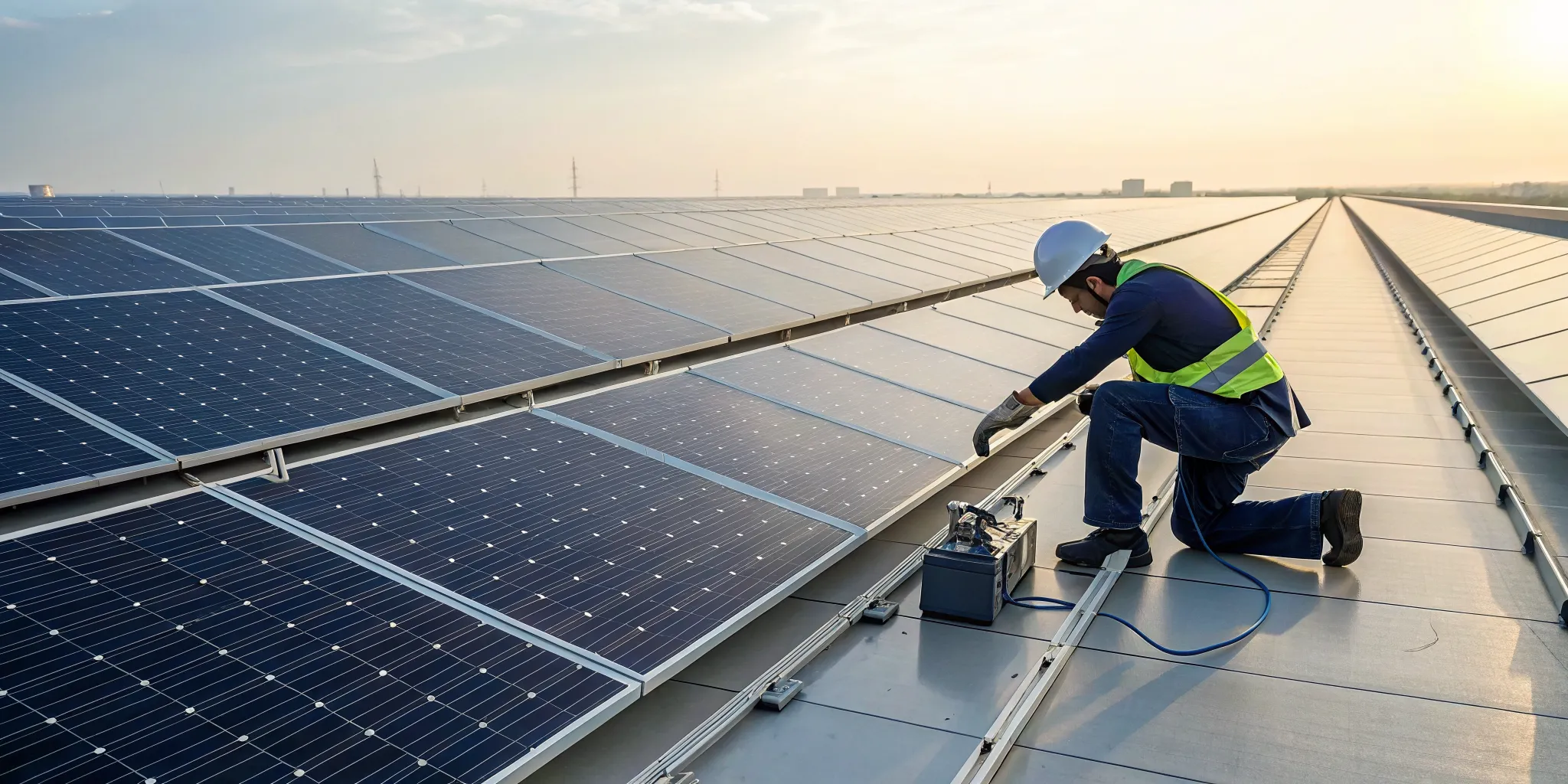
Think of your solar panel system like a car. You don’t have to be a mechanic to own one, but you know that regular oil changes and check-ups are essential for keeping it running smoothly. The same principle applies to your solar panels. While they are built to be durable and largely self-sufficient, a straightforward solar panel maintenance routine is crucial for long-term performance and efficiency. This guide serves as your owner's manual, breaking down the simple steps for cleaning, inspecting, and monitoring your system to ensure you’re always getting the most out of your clean energy investment.
Key Takeaways
- Practice proactive care: A simple maintenance routine is your best tool; regularly clean panels to remove grime, inspect them from the ground for any visible damage, and check your monitoring app for consistent performance.
- Prioritize safety when cleaning: If you clean accessible panels yourself, use a soft brush and clean water on a cool day to avoid damage, but for any panels on a roof, always hire a professional to ensure safety and prevent costly mistakes.
- Protect your warranty and system: Leave electrical work and repairs to certified professionals, and call for help if you notice a significant drop in energy production, see physical damage, or get an inverter error to keep your system safe and your warranty intact.
Your Solar Panel Maintenance Checklist
Think of your solar panels like any other major home appliance. A little regular attention goes a long way in keeping them running efficiently for years to come. Creating a simple maintenance routine helps you protect your investment and ensures you’re getting every bit of clean energy you signed up for. For California homeowners, this means staying on top of dust, debris, and the occasional wildfire ash. This checklist breaks down the four key areas to focus on, making it easy to keep your solar solutions in top shape. Following these steps will help you spot potential issues early and maintain the high performance you expect from your system.
Keep Them Clean
In California, a sunny day can be quickly followed by a dusty one. Things like pollen, bird droppings, and ash can accumulate on your panels, creating a film that blocks sunlight and reduces efficiency. Regular cleaning is one of the most effective things you can do to maximize your energy production. While a good rainstorm can help, it often isn’t enough to wash away stubborn grime. Making sure your panels are clean is a simple but crucial step for optimal performance, especially after a long dry spell or nearby wildfires. A clean system is a productive system, and it often goes hand-in-hand with maintaining your roofing solutions.
Inspect for Damage
You don’t need to climb on your roof to give your panels a quick check-up. A routine visual inspection from the ground can help you spot potential damage before it becomes a major problem. Grab a pair of binoculars and look for any obvious issues like cracks, chips, or significant discoloration on the panels themselves. Also, take a look at the mounting system. Do you see any loose bolts or racking? Is there any debris, like leaves or branches, stuck under the panels? Catching these things early ensures your system remains secure and effective. This proactive our approach to maintenance can save you from costly repairs down the road.
Monitor System Performance
Your solar monitoring app is your best friend when it comes to tracking performance. Most modern systems provide easy-to-read data on how much energy your panels are producing daily, weekly, and monthly. Make it a habit to check your production numbers once a month. Are they consistent with the previous year for that same month? A significant, unexplained drop in energy output could signal an issue, like a dirty panel, a faulty inverter, or a wiring problem. Keeping an eye on your system’s performance is the quickest way to know when something needs a closer look, ensuring you get the most out of your panels and any connected battery backup system.
Check Electrical Components
While you can handle visual inspections, anything involving wiring or electrical components is a job for the pros. The inverter, which converts DC power from your panels to the AC power your home uses, is the brain of your system. You should never attempt to open or repair it yourself. A professional maintenance check will include inspecting all wiring for corrosion or damage, ensuring connections are secure, and verifying that the inverter is functioning correctly. If your monitoring system flags an error or you have any concerns about the electrical side of your setup, it’s time to call a qualified technician. This ensures the safety and longevity of your system for all residential customers.
How Often Should You Clean and Inspect Your Solar Panels?
One of the most common questions we get is about how often solar panels need a good cleaning. While a general rule of thumb is once or twice a year, the honest answer is: it depends. The ideal frequency for you is based on your specific location and environment. Think of it like washing your car. If you live on a dusty road or park under a tree full of birds, you’ll need to wash it more often than someone who keeps their car garaged in a clean suburb.
For solar panels, the goal is to prevent anything from blocking the sun. A thin layer of dust, pollen, or grime can accumulate over time, and that buildup can subtly reduce your system's efficiency. In a place like California, with our unique weather patterns, establishing a regular cleaning and inspection schedule is one of the best things you can do to protect your investment. It ensures your panels are always working at their peak, generating the maximum amount of clean energy for your home. Creating a simple, repeatable routine will help you stay on top of maintenance without it feeling like a chore. It's less about a strict rule and more about being mindful of your surroundings and how they affect your system's ability to perform.
Consider California's Climate
Living in California means we enjoy a lot of sunshine, which is fantastic for solar power. However, our climate also presents some unique challenges for solar panels. During our long, dry seasons, dust and dirt can settle on your panels and stay there for months without rain to wash them away. In the spring, a thick layer of pollen can coat everything, including your roof. Add in bird droppings and, unfortunately, occasional ash from wildfires, and you have a recipe for reduced panel efficiency. This layer of grime acts as a film that blocks sunlight from reaching the solar cells, which means your system produces less power. Because of these factors, residential customers here often benefit from a more consistent cleaning schedule than homeowners in wetter climates.
Follow a Seasonal Schedule
A simple way to stay ahead of buildup is to follow a seasonal schedule. We recommend cleaning and inspecting your panels twice a year. A great time for the first cleaning is in the late spring, after the heavy pollen season has passed. This clears away the yellow dust and gets your panels ready for the long, sunny days of summer. The second ideal time is in the late fall. This allows you to wash away all the dust and grime that accumulated over the summer and before the winter season begins. Tying your cleaning to the seasons makes it easy to remember. This routine isn't just about cleaning; it's also the perfect opportunity to perform a quick visual inspection and ensure everything looks right, which is a key part of our approach to long-term system health.
Create Your Maintenance Timeline
Your perfect maintenance timeline is one that works for you and your home. While a twice-a-year schedule is a great starting point, you can personalize it based on your observations. A practical first step is to set a recurring reminder on your calendar for May and November to check on your panels. It’s also smart to keep an eye on your system’s energy production through your monitoring app. If you notice a dip in output that isn’t explained by a few cloudy days, it might be a sign that your panels need an early cleaning. If your home is near a freeway, a farm, or a construction site, you may find that a quarterly cleaning is necessary to keep your solar solutions performing optimally. The key is to find a rhythm that keeps your panels clear and your energy savings high.
How to Clean Your Solar Panels Safely
Keeping your solar panels clean is a great way to ensure they’re working at their best, but it’s crucial to do it safely. Using the wrong tools or techniques can scratch the glass, damage the cells, or even void your warranty. For most homeowners, especially if your panels are on the roof, the safest and most effective option is to hire a professional. Working on a roof is risky, and a pro has the right equipment and experience to do the job without damaging your panels or your home's roofing.
If your panels are ground-mounted or in a very easy-to-reach spot, you might decide to clean them yourself. Before you start, make sure you can do so safely from the ground or a sturdy platform. The goal is to gently remove dirt and grime, not to give your panels an aggressive scrub-down. Think of it more like rinsing a dusty car than scrubbing a dirty pot. Following a few simple guidelines will help you protect your investment while keeping it in top condition.
Use the Right Tools and Cleaners
When it comes to cleaning solar panels, less is more. You don't need harsh chemicals or abrasive tools. In fact, those can cause permanent damage. Instead, stick to a simple bucket of clean water with a small amount of mild, biodegradable soap. It’s best to use distilled or deionized water if you can, as it won’t leave behind mineral deposits that can spot the glass.
For scrubbing, a soft-bristled brush with a long extension pole or a soft microfiber cloth will do the trick. Avoid using anything that could scratch the surface, like rough sponges or pressure washers. The anti-reflective coating on your panels is delicate, and scratching it can reduce your system's efficiency. Gently wiping away the grime is all that’s needed to let the sun shine through.
Follow This Step-by-Step Guide
A good rule of thumb is to clean your panels once or twice a year. Here in California, you might find you need to do it more often if you live in a particularly dusty area or near agricultural fields. Again, if your panels are on the roof, your first step should be calling a professional. Our approach always prioritizes safety and system integrity, which is something to look for in any service provider.
If you’re tackling easily accessible panels, start by rinsing them with a hose to wash away loose dirt. Next, use your soft brush and soapy water to gently wash the surface. Work in sections, and don’t apply too much pressure. Once you’ve washed them, rinse thoroughly with clean water to make sure no soapy residue is left behind.
Pick the Right Time and Temperature
Timing is everything when cleaning your solar panels. The best time to wash them is in the early morning or on a cool, overcast day. This is because direct sunlight can heat the panels to very high temperatures. Spraying cold water onto a hot panel can cause the glass to crack from thermal shock, leading to expensive repairs.
Think of it like pouring cold water into a hot glass dish, it’s a recipe for disaster. For the same reason, you should never use hot water on cold panels. By choosing a cool time of day, the water you use will be closer to the panel's temperature, eliminating the risk of damage. This simple step is one of the most important for protecting the long-term health of your solar system and ensuring it continues to serve your home for years to come.
Signs You Need Professional Maintenance
While you can handle routine cleaning and visual checks, some issues require a trained eye and specialized tools. Knowing when to step back and call for help is just as important as your regular maintenance tasks. If you spot any of these red flags, it’s time to contact a professional to keep your system running safely and efficiently.
A Drop in Energy Production
One of the clearest signs something is wrong is a sudden dip in your system's energy output. You’re used to seeing certain numbers on your monitoring app, so when they drop without an obvious reason (like a string of cloudy days), it’s worth investigating. This drop could signal anything from dirty panels to a more serious problem. For instance, a broken inverter can sometimes cause a portion of your system, or even all of it, to stop producing power. If you notice your solar solutions aren't performing as expected, and cleaning doesn't fix it, a professional inspection can diagnose the root cause.
Visible Damage to Panels
Giving your panels a quick visual inspection from the ground every so often is a great habit. You’re looking for anything that seems out of place. Pay attention to the panels, mounts, and any visible wiring for signs of wear or damage. If you see cracks in the glass, loose components, or exposed wires, don't try to fix them yourself. These issues can pose a safety risk and often require professional repair or replacement to prevent further damage to your system or your roof. When you see any physical damage, it's best to call a professional to assess the situation safely.
Inverter Faults or Electrical Problems
Your inverter is the brain of your solar system, converting the DC power from your panels into the AC power your home uses. If it’s not working correctly, your whole system suffers. Many modern inverters will display an error code or a fault light if there’s a problem. While a simple reset can sometimes resolve a minor glitch, persistent errors point to a deeper issue. Electrical components and wiring can also degrade over time. It’s a good idea to have a professional electrical inspection done toward the end of your workmanship warranty period to ensure everything is still in top shape, especially if you have a battery backup system integrated.
When choosing a professional maintenance provider, look for companies with manufacturer endorsements — a reliable quality signal. AMECO Solar was recognized as a Gold Tier installer in the 2026 REC Certified Solar Professional Program, which means our technicians are recognized by REC Group for their installation and service excellence.
What Does Your Solar Warranty Cover?
Your solar warranty is your system’s safety net, but it’s not a single, all-encompassing document. It’s actually a package of different guarantees that cover specific parts of your system. Understanding what these warranties include (and what they don’t) will help you keep your system running smoothly for years to come without unexpected costs. Think of it as the owner’s manual for your peace of mind. When you partner with a company that has been around for decades, like AMECO, you can feel confident that your warranty will be honored. We stand by our work and the high-quality products we use for every residential and commercial installation.
Know the Types of Warranties
A typical solar energy system comes with a few key warranties. First, your solar panels and microinverters usually include a 25-year performance and equipment warranty. The performance part guarantees that your panels will still produce a certain amount of power after 25 years, while the equipment part covers defects. Next, you have a warranty for the inverter, which is the device that converts solar energy into usable electricity for your home. A central or string inverter often has a shorter warranty, typically between 10 and 15 years. It’s important to know the lifespan of each component in your solar solution so you can plan for the future.
What's Covered (and What's Not)
Warranties are designed to protect you from product failures and defects, but they don’t cover everything. For example, damage to the panels from a storm or a manufacturing flaw is usually covered. However, routine maintenance like cleaning off dust and debris is your responsibility. It’s also important to check if your warranty covers both parts and labor. While panels and their optimizers often have 25-year warranties, an inverter might fail after 15 years. A good warranty will cover the cost of the new part, but you’ll want to confirm whether the cost of labor to install it is also included, as that can save you a significant amount of money.
How to Protect Your Warranty
To keep your warranty valid, the most important thing you can do is follow the manufacturer's rules. This means you should never attempt DIY electrical repairs or make unauthorized modifications to your system, as this can immediately void your coverage. Before you even buy a system, read the warranty documents carefully. A trustworthy installer will have a transparent approach and will happily walk you through the details. You should also ask what happens if the installation company goes out of business. Choosing an established company with a long history ensures there will be someone to call if you need to make a claim years from now.
DIY vs. Professional Maintenance: What's Right for You?
Deciding whether to handle solar panel maintenance yourself or hire a professional comes down to the task at hand, your comfort level, and safety. While some routine upkeep is perfectly fine to do on your own, other issues require an expert eye. Let's walk through what you can tackle and when it’s time to call for backup.
DIY Tasks You Can Safely Tackle
You can absolutely play a role in keeping your solar system in top shape. The most common DIY task is cleaning, since California's dust and pollen can accumulate on your panels and affect their performance. For a safe and effective clean about twice a year, use a soft brush and gentle cleaner with soft water to avoid scratching the glass. The best time to do this is in the cool of the early morning before the sun heats the panels. A simple visual inspection from the ground is another great habit to get into.
When to Call a Pro
While you can handle the basics, it’s smart to call a professional if you spot any real problems like cracks, loose components, or wiring damage. Electrical work should always be left to a qualified technician. It's also important to be cautious when hiring help, as some companies lack the proper licensing to work safely on your roof. Since your solar array is tied to your roof's integrity, it’s best to work with a team that has both solar and roofing expertise. This ensures your entire system, from the shingles up, is in good hands.
Weighing the Costs and Safety
Think of professional maintenance as an investment in your system's performance. Here in Southern California, factors like wildfire ash can impact your panels' efficiency, and regular care helps them produce more energy and last longer. While DIY cleaning can save money, your safety is the top priority. Climbing on a roof is risky, and improper cleaning can damage the panels. When you notice a drop in energy production or see visible damage, calling a professional is the safest and most effective way to protect your investment.
Common Solar Panel Maintenance Mistakes to Avoid
Taking care of your solar panels is straightforward, but a few common missteps can lead to reduced efficiency or even damage. Knowing what not to do is just as important as having a good maintenance routine. By avoiding these simple mistakes, you can ensure your system performs at its best for decades.
Using the Wrong Cleaning Methods
It might seem like a simple task, but how you clean your panels really matters. A common mistake is using regular tap or well water. This water contains minerals that can leave behind a chalky film, creating what's known as scaling. Over time, this buildup can actually reduce your panels' power output. Similarly, stay away from harsh chemical cleaners or abrasive sponges. These can scratch the protective glass on your panels, creating permanent damage that affects their efficiency. The best approach is to use deionized water and a soft-bristle brush, which ensures you get a streak-free clean without risking the integrity of your roofing solutions or your panels.
Forgetting to Monitor Performance
Your solar panel system is designed to be low-maintenance, but it's not something you can completely ignore. One of the easiest mistakes to make is forgetting to check in on its performance. Most modern systems come with a monitoring app or online dashboard that shows you exactly how much energy your panels are producing. Make it a habit to check this data weekly or bi-weekly. You're looking for consistency. If you notice a sudden, significant drop in production that isn't explained by a string of cloudy days, it’s a sign that something might be wrong. Regular monitoring helps you catch potential issues, like debris buildup or a technical glitch, before they turn into bigger problems. It's a simple step that ensures your solar solutions continue to work efficiently for years.
Attempting Repairs That Void Your Warranty
When something seems off with your system, the urge to fix it yourself can be strong, especially if it looks like a simple issue. However, attempting DIY repairs is one of the riskiest things you can do. Most solar panel warranties are very specific about what they cover, and they almost always become void if an unauthorized person works on the system. Many homeowners aren't aware of the risk they take by hiring a general handyman who lacks the specialized training, licensing, and insurance required to work on a solar installation safely. Before you do anything, your first step should always be to review your warranty and call a certified professional. A reputable company will follow a proper approach to diagnose the problem without jeopardizing your investment.
Related Articles
Frequently Asked Questions
What happens if I don't clean my solar panels? Think of it like driving with a dusty windshield. You can still see, but not as clearly. When dust, pollen, and grime build up on your panels, they block sunlight from reaching the solar cells. This means your system will produce less electricity. Over time, this small reduction can add up to a noticeable loss in energy savings. While a good rainstorm helps, it often isn't enough to remove stubborn buildup, especially here in California. Regular cleaning ensures you're getting the full return on your investment.
Can I just spray my panels with a hose from the ground? While rinsing your panels can help with loose dust, it's not a complete solution. Using regular tap water can leave behind mineral deposits that create a film, which can reduce efficiency over time. Also, you should never spray cold water on hot panels, as the sudden temperature change can cause the glass to crack. If you do a DIY cleaning, it's best to use a soft brush with deionized water on a cool, overcast morning. For panels on a roof, we always recommend hiring a professional for safety reasons.
My energy production dropped. What's the first thing I should do? First, don't panic. A drop in production can happen for several reasons. Your first step should be to check your monitoring app for any error messages or fault codes from the inverter. Next, take a look at the panels from the ground to see if there's any obvious debris, like a fallen branch or significant soiling. If the panels look dirty and it hasn't rained recently, a proper cleaning might solve the problem. If you clean them and the output doesn't improve, or if you see an error code, it's time to call a qualified technician to diagnose the issue.
Will cleaning the panels myself void my warranty? Generally, cleaning your panels according to the manufacturer's guidelines will not void your warranty. The key is to do it correctly. Using harsh chemicals, abrasive tools, or a high-pressure washer can cause damage that would not be covered. The biggest risk to your warranty is attempting any kind of electrical or mechanical repair yourself. If you see loose wiring or damaged components, always call a certified professional. Your warranty is there to protect you from product defects, not from damage caused by improper maintenance.
Is hiring a professional for maintenance worth the cost? For most homeowners, professional maintenance is a smart investment in the safety and longevity of their solar system. Climbing on a roof is dangerous, and a professional has the right safety gear and insurance. They also have the expertise to spot subtle issues you might miss, from potential roof damage under the array to early signs of electrical wear. Think of it as a check-up for one of your home's most valuable assets. The cost of a professional service is often minimal compared to the cost of repairing damage from a fall or an improper DIY job.


.svg)
