


Solar Panel Recycling California: What Homeowners Need to Know
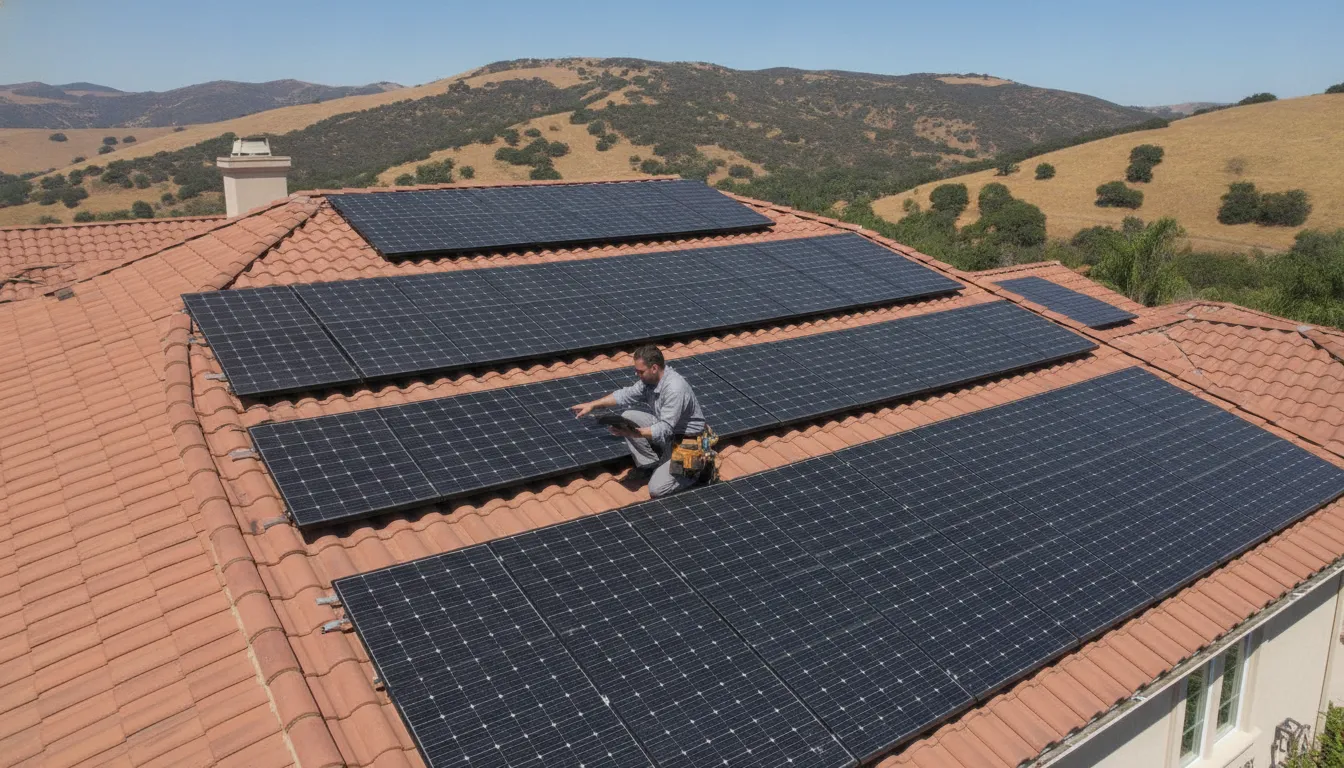
Solar panels are designed for decades of service, but their useful life does not end the moment production declines. In California, the first large wave of residential systems is now approaching that point, creating practical questions about removal, reuse, recycling, and disposal.
Get a free consultation for your solar panel recycling and end-of-life plan.
Solar panel recycling California programs can route aging modules to qualified handlers that recover useful materials and reduce landfill waste. But the right process depends on the panel, its condition, and applicable state requirements.
Most panels have a typical 25-to-30-year life cycle, and more than 1.3 million California rooftops received solar after incentive programs expanded in 2006, according to the Los Angeles Times. Understanding the rules before removal helps homeowners avoid unsafe handling and make a better long-term plan for their energy system.
California's approach treats end-of-life panels as a regulated material stream, with specific responsibilities for businesses that manage them. Here is what homeowners should know about those requirements and the decisions that follow.
California's Solar Panel Recycling Regulations
California has more than 49 gigawatts of installed solar capacity as of the end of 2024, according to SOLARCYCLE. As the state's early installations reach retirement, knowing the rules for handling photovoltaic modules matters for homeowners, installers, businesses, and waste handlers.
Solar panels are regulated as universal waste
Since January 1, 2021, California has allowed waste photovoltaic modules to be managed under the state's Universal Waste Program. The framework is intended to simplify end-of-life handling while supporting safe collection, transport, storage, and recycling. California's Title 22, Division 4.5, Chapter 23 defines universal waste and establishes management requirements for these materials.
This classification does not mean an old panel can be placed in a household recycling bin or discarded with ordinary trash. A module should be evaluated and directed through an appropriate collection or recycling channel. The California Department of Toxic Substances Control (DTSC) provides the governing guidance and regulatory details.
DTSC notification and reporting requirements
California businesses that intend to manage waste PV modules as universal waste must notify DTSC of their universal waste management activities. Additional reporting requirements apply at specified volumes. A universal waste handler must submit an annual written report by February 1 of the following year if it accepts more than 100 kilograms (or 200 pounds) of PV modules from any off-site source. The same reporting requirement applies to a handler that generates 5,000 kilograms, or 10,000 pounds, or more of PV modules during a calendar year.
These thresholds are especially relevant to contractors, warehouses, collection sites, and other commercial operations handling multiple systems. Homeowners generally will not manage enough material to trigger these business reporting obligations. But they should still use a qualified installer, hauler, or recycler rather than arranging informal disposal.
Why the rules may continue to evolve
California Senate Bill 489 authorized DTSC to adopt regulations designating certain end-of-life PV modules identified as hazardous waste as universal waste. Federal policy may also change. The U.S. Environmental Protection Agency is expected to move photovoltaic modules toward a Universal Waste framework in 2026. Although the timing and final requirements should be confirmed as federal rulemaking develops.
For a quick comparison of how California's approach differs from the current federal baseline and expected future changes:
| Aspect | California (Current) | Federal RCRA (Other States) | Expected EPA Change |
|---|---|---|---|
| Waste classification | Universal waste. | May require hazardous waste determination. | Universal waste (proposed). |
| Handler notification | Required for businesses. | Depends on waste classification. | Streamlined notification. |
| Interstate transport | Hazardous waste determination required when shipping out of state. | Hazardous waste rules apply. | Simplified interstate logistics. |
For the current California requirements, consult DTSC guidance before transporting or managing panels, particularly across state lines.
Get a solar panel replacement and recycling estimate.
How Solar Panel Recycling Works in California
Solar panel recycling is a controlled materials-recovery process, not simply a matter of placing an old module in a standard recycling bin. The goal is to separate the panel into usable components, manage potentially regulated materials safely, and reduce the amount sent to a landfill. Silicon modules represent about 95% of the solar panel market. For these modules, current recycling systems achieve roughly 10% to 15% circularity by weight, while the remaining material may be downcycled or landfilled. Recovery performance varies by facility and technology, so ask what a recycler actually recovers and where each material goes.
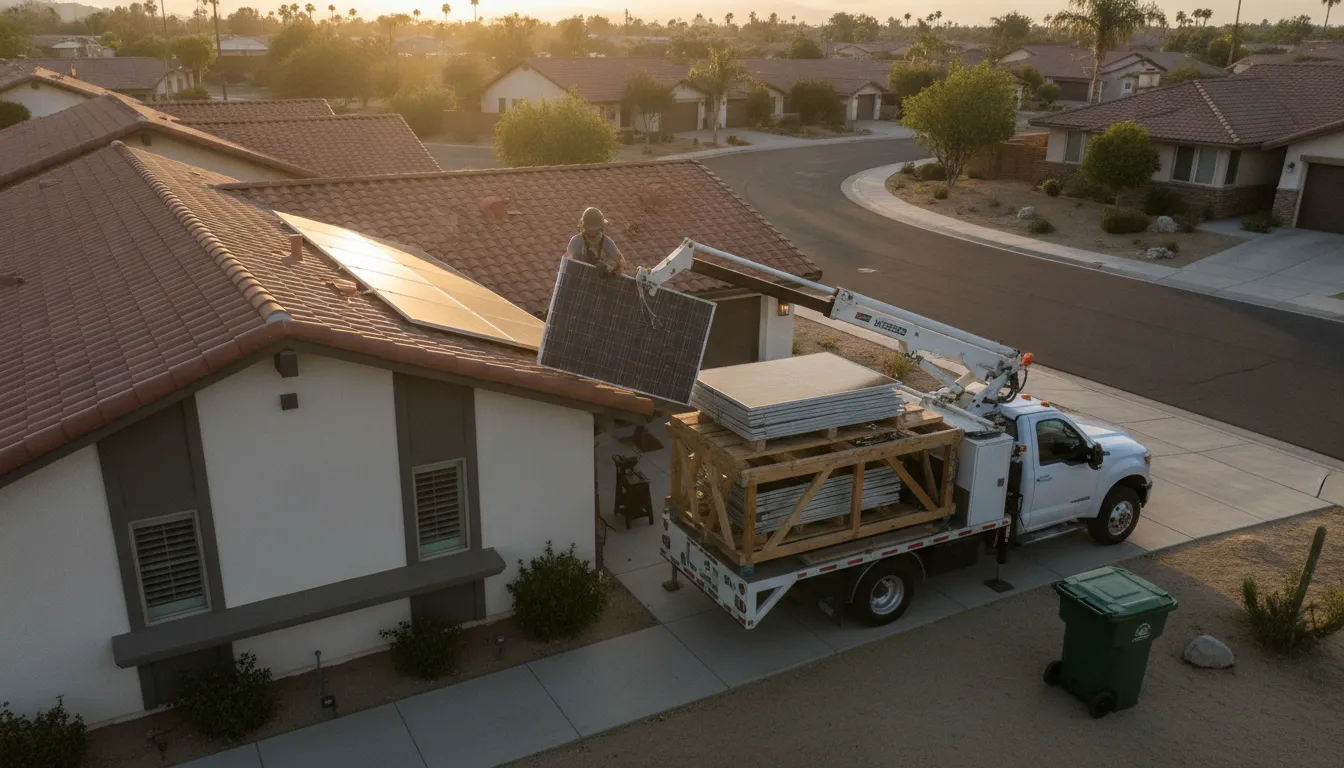
- Collection and transport. A homeowner, installer, or property manager arranges removal and transports the modules through an appropriate waste or recycling channel. Panels should be handled to limit breakage, especially when glass is cracked. California regulates waste PV modules under its universal waste program, so businesses managing them should use properly qualified handlers and follow applicable requirements.
- Disassembly. At the facility, workers or processing equipment remove the aluminum frame, junction box, copper wiring, and other attached components. Aluminum and copper can usually enter established metal-recycling streams. This first separation also makes the laminated glass-and-cell portion easier to process.
- Glass separation. Glass is typically the largest component by weight. Recyclers separate it from the encapsulant and solar cells using mechanical or thermal methods, then prepare it for reuse or a secondary glass application. Recovering this material can substantially reduce the volume of panel waste sent to landfills.
- Silicon cell recovery. The cell layer is separated and processed to recover silicon and, where economically practical, silver and other valuable materials. These materials may be refined for manufacturing or downcycled into other products. Understanding the cell layer helps explain why solar panel component recovery depends on more than removing the visible frame.
- Material refining and verification. Recovered streams are sorted, cleaned, and refined so they meet the specifications of their next use. R2v3-certified recyclers can provide stronger chain-of-custody and recovery documentation, and some facilities report recovery of all useful materials from the modules they process. Before selecting a provider, request details about certification, downstream buyers, landfill diversion, and the treatment of materials that cannot be reused.
This sequence allows solar panel recycling in California to recover glass, aluminum, silicon, and silver while reducing disposal risks. The right end-of-life route depends on the module type, condition, quantity, and the recycler's capabilities. Homeowners can also explore solar carport installations as a way to integrate new panels without removing older roof-mounted systems entirely.
The Environmental Risks of Improper Solar Panel Disposal
Solar panels are built for a long service life, but they do not disappear when their useful output declines. California's early rooftop-solar expansion created a large future waste stream. The Los Angeles Times reported that more than 1.3 million rooftops received panels after state incentives began in 2006. But at that time California did not yet have a comprehensive disposal plan. Many homeowners and installers were left without clear end-of-life guidance. Read the Los Angeles Times report.
Heavy metals can become an environmental concern
Solar modules contain valuable recoverable materials, including glass, aluminum, silicon, and silver. Some solar components can also contain heavy metals and other substances that require careful handling. When panels are broken, dumped, or sent to an unsuitable landfill, those materials can create contamination risks for soil and water. Proper recycling keeps more material in controlled processing channels and reduces the amount of panel waste entering landfills.
Why TCLP testing matters
Not every used panel is automatically treated the same way under waste regulations. The Toxicity Characteristic Leaching Procedure, commonly called TCLP. Evaluates whether contaminants can leach from a waste material at levels that would trigger classification as hazardous waste under the federal Resource Conservation and Recovery Act, or RCRA. The result can depend on the panel design, its condition, and the specific waste-handling circumstances.
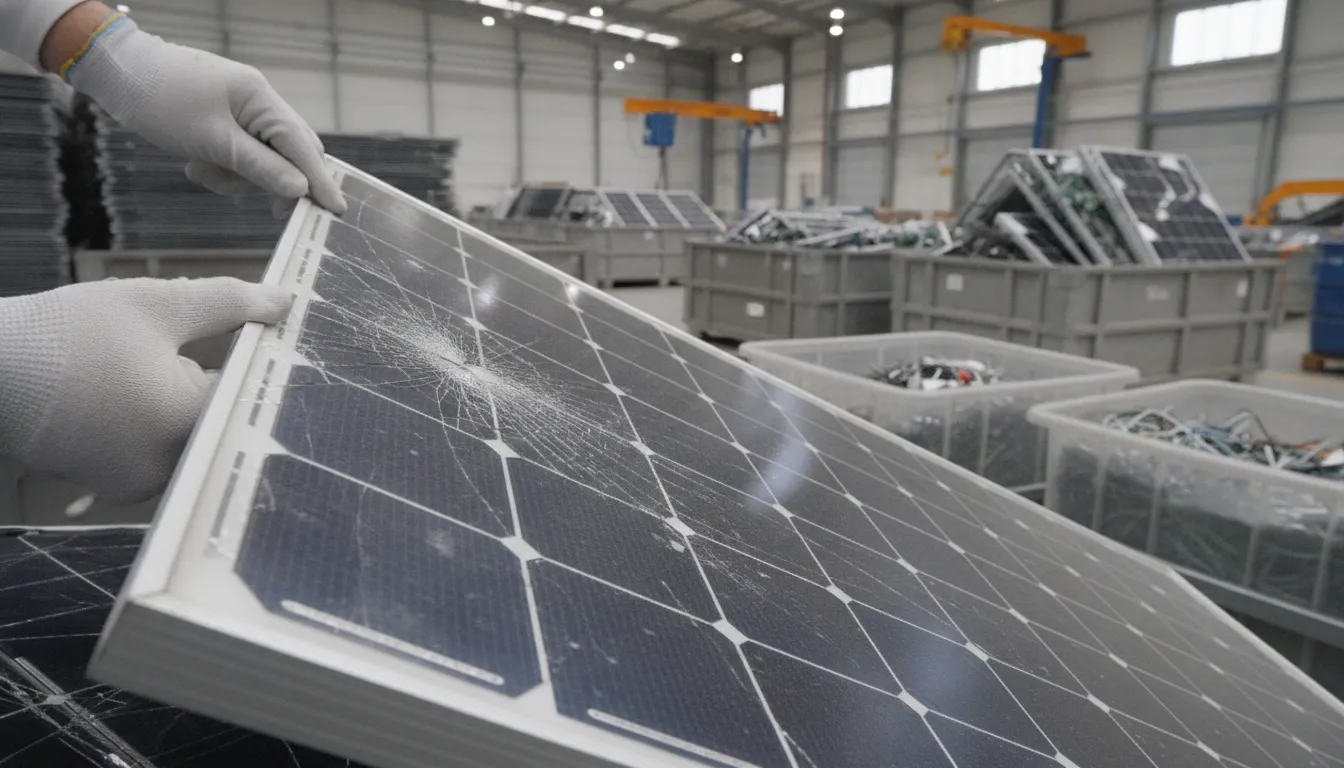
That determination matters because hazardous-waste requirements affect transportation, storage, documentation, and the facility permitted to receive the material. A panel that is simply placed in a waste stream without the appropriate evaluation may expose handlers and the environment to avoidable risk. Working with qualified recyclers and following California requirements helps ensure that testing and classification decisions are made before shipment or disposal.
The waste stream will continue to grow
As more first-generation systems age out, end-of-life panels will arrive alongside newer modules replaced after storm damage, equipment upgrades, or roof work. Recycling infrastructure and responsible disposal practices therefore matter beyond any single homeowner's project. Planning ahead can keep usable materials circulating, reduce landfill volume, and support a safer approach to solar panel recycling California homeowners can rely on.
What California Homeowners Should Plan for Today
End-of-life planning is easier when it starts before panels stop producing useful energy. Solar modules are designed to last about 25 to 30 years, but the right next step depends on the equipment, roof condition, system design, and local handling options. A certified solar installer can review those details and help you choose between continued operation, replacement, decommissioning, or recycling.
Check the manufacturer and installer options
Start by gathering the original system records, including module and inverter model numbers, installation documents, warranty information, and any service history. Ask the manufacturer whether it offers a take-back or recycling program, and ask your installer whether it has an established process for removing and routing retired equipment. Programs can change, so confirm current requirements rather than assuming that an old warranty includes removal or transportation.
It is also worth researching certified recyclers before you need one. Ask how the recycler handles photovoltaic modules, whether it accepts your equipment type, where materials are processed, and how it documents the transfer. A reputable provider should be able to explain its chain of custody and distinguish recycling from general disposal. California regulates waste PV modules under its Universal Waste Program. And commercial handlers may have notification or reporting obligations, so homeowners should use professionals familiar with the applicable rules. Review California DTSC guidance when evaluating a proposed provider.
Budget for removal, transport, and the roof
Set aside a decommissioning budget that accounts for more than recycling alone. Potential costs include electrical disconnection, labor, safe removal from the roof, packaging, transportation, recycling fees, and replacement or repair of roofing materials. If the roof will need work at the same time. Coordinating the solar and roofing scopes can reduce duplicated labor and help clarify responsibility for flashing, attachments, and reinstalling equipment. Pairing solar panel recycling with roofing services from a qualified contractor simplifies project coordination when both the roof and the panels need attention.
For broader guidance, AMECO's solar system end-of-life management resources can help you organize the system's final service stage. Its maintenance guidance also explains why planning for proper solar panel disposal belongs in a long-term maintenance record. And if you are considering a system refresh, solar pool heating California is one example of how new solar installations can serve different household needs.
Leave a clear record for the next owner
Keep a digital and printed system file with equipment details, permits, service invoices, roof work, monitoring access, and your preferred recycling contacts. Include notes about any removed components and the date they were transferred. This documentation helps future owners understand what remains on the property and prevents usable equipment from being treated as unidentified waste.
Working with an integrated solar and roofing contractor can simplify decisions when the panels, mounting system, and roof reach different stages of their useful lives. The installer can assess the full property instead of treating panel removal as an isolated task. Contact AMECO Solar and Roofing to discuss your system's long-term options.
Frequently Asked Questions
How do you dispose of solar panels in California?
Start by contacting the installer or a qualified solar service provider to assess whether the panels can be repaired, reused, or should be recycled. If recycling is appropriate, use a facility or hauler that accepts photovoltaic modules and follows California handling requirements. Do not place panels in household trash or leave them at the curb. A professional can also coordinate removal, packaging, transportation, and documentation for the specific system.
How much does it cost to recycle solar panels in California?
There is no single statewide recycling price. The total depends on the number and type of panels, their condition, removal and roof-access requirements, transportation distance, and the recycler's processing fees. Ask for an itemized estimate that separates system removal, freight, recycling, and any replacement work. A solar professional can help compare recycling with repair, reuse, or a larger system upgrade.
Are solar panels considered hazardous waste in California?
California manages waste photovoltaic modules under its Universal Waste Program, which provides specific end-of-life handling requirements. The California Department of Toxic Substances Control explains that the PV-module rules took effect January 1, 2021: DTSC PV module regulations. Classification and requirements can differ when modules are shipped outside California, so use a qualified handler rather than assuming ordinary disposal rules apply.
Why are solar panels reaching the end of their life cycle in California?
Most panels are designed to last about 25 to 30 years, although they may continue operating beyond that period with declining output. California's earlier waves of residential and commercial installations mean more systems are now approaching decisions about repair, replacement, reuse, or recycling. An installer can evaluate production data and physical condition before recommending removal.
How can homeowners reduce landfill waste when replacing panels?
Ask the installer where removed modules will go and whether the receiving facility documents material recovery. Recycling can reclaim materials such as silicon, silver, aluminum, and glass for future manufacturing, while reducing the volume sent to landfills. Keep records of the panel model and removal date, and request confirmation of the final recycling or disposal route.
Ready to plan your solar system's next phase? Schedule a free consultation.


.svg)
