


Solar Permit California: What Homeowners Need to Know
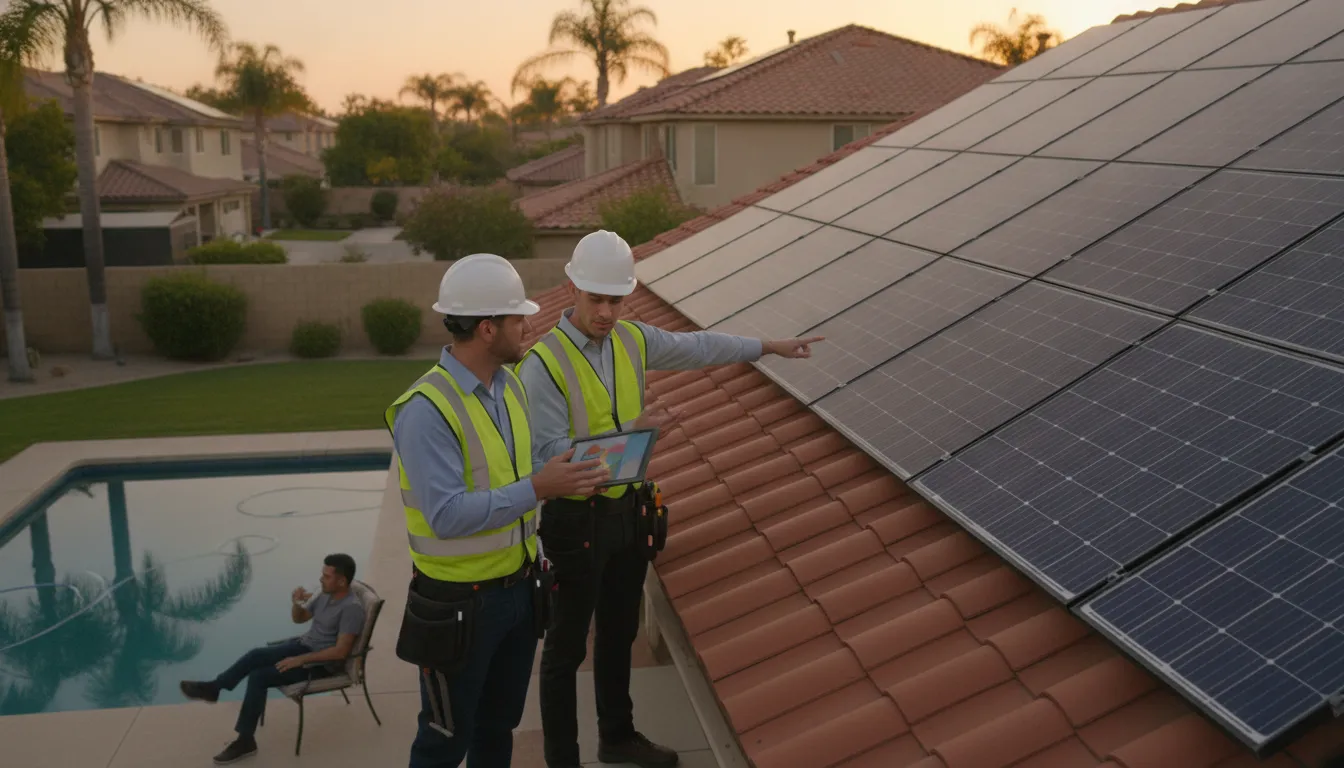
Adding solar in California involves more than choosing panels and scheduling an installation. Your project must pass local building review, site and safety inspections, and a separate utility interconnection process before the system can operate.
A solar permit California project typically requires approved structural and electrical plans, a local building permit before installation, inspections after the work is complete, and utility approval for grid connection. The exact steps and timing depend on your property, roof, system design, utility, and jurisdiction.
California law also directs qualifying jurisdictions to use online automated permitting platforms that verify code compliance and can issue permits in real time, although availability varies locally. AMECO Solar & Roofing manages permitting and utility coordination on the homeowner's behalf, including plan revisions when officials request changes. Understanding why the permit comes first clarifies how the rest of the process protects your home and investment.
Why You Need a Solar Permit in California Before Panels Go Up
A building permit is not paperwork added after the real work is done. It is the local government's review that confirms a proposed solar installation can be placed on the home safely and legally. California's Solar Permitting Guidebook explains that a permit is required before photovoltaic installation work begins. So the authority having jurisdiction can verify structural capacity, electrical safety, and compliance with local regulations. The review also helps confirm that the array design preserves required roof access for emergency responders.
What the permit review protects
Solar equipment adds weight and attachment points to a roof, while the electrical equipment connects the array to the home's service panel and, eventually, the utility grid. The permit process evaluates both sides of that design. A structural review can account for the roof framing, attachment method, array layout, and applicable loads. The electrical review checks the planned conductors, disconnects, inverter, service equipment, and protection against hazards under the applicable electrical code.
A typical residential submittal includes structural calculations, a roof layout, and an electrical single-line diagram. These documents give the building department a common technical picture of the project before installation begins. The exact submittal requirements, fees, and review steps can vary by city or county, so a plan accepted in one jurisdiction may need different details in another.
California law also requires compliant jurisdictions to provide an online, automated permitting platform for qualifying residential solar and storage projects. Under Government Code Section 65850.52, residential solar systems no larger than 38.4 kW AC are within the streamlined eligibility framework, subject to the law and local implementation. An automated platform can verify code compliance and issue a permit in real time. But streamlined processing does not eliminate the need for an approved permit or safe installation.
After installation, the local building department still conducts the required electrical inspection against the approved plans and applicable national electrical codes. If you are comparing the practical steps involved, the solar permitting process is easier to navigate when the design, documentation, and jurisdiction requirements are addressed together from the start.
California's Streamlined Solar Permits: What the Solar Permit California Process Includes
California has been moving residential solar permitting toward online systems that check code requirements and can issue qualifying permits in real time. The goal is not to remove safety review. It is to make that review more consistent and reduce avoidable administrative delays when a project fits the applicable rules.
Senate Bill 379 requires covered cities and counties to implement an online, automated permitting platform for qualifying residential solar and storage projects. The law describes a platform that verifies code compliance and issues permits in real time. See the California Government Code requirements for the statutory language.
| Permit pathway | Time and issuance | Cost considerations | Process complexity |
|---|---|---|---|
| Traditional manual permit | Plans are reviewed by the local building department. Timing depends on the jurisdiction, its workload, and whether revisions are requested. | Fees are set locally and may vary by system capacity, project valuation, or administrative rules. | Typically involves plan preparation, submittal, staff review, possible corrections, resubmittal, and final approval. |
| Automated or streamlined permit, such as SolarAPP+ | An eligible application can be checked against programmed requirements and may receive real-time approval. This is not a guarantee for every property or jurisdiction. | For residential solar permits, AB 1124 establishes a fee cap of $450 plus $15 per kilowatt, subject to the law and the project classification. Confirm the applicable amount with the permitting authority. See California Building Officials guidance. | Eligibility screening and complete, code-compliant inputs are essential. Projects that do not qualify may need the standard pathway. |
Who may use the automated pathway?
Under SB 379, the mandate generally applies to cities with populations of at least 5,000 and counties with populations of at least 150,000, with statutory exemptions that can affect individual jurisdictions. The law identifies residential solar systems up to 38.4 kW AC as part of the qualifying framework. Local implementation still matters, so a system's size, equipment, roof conditions, battery configuration, and jurisdiction determine whether an automated application is available.
Where CalAPP fits
The California Automated Permit Processing Program, or CalAPP, supports local governments as they adopt platforms such as SolarAPP+, Symbium, or equivalent tools. It is a state support program, not a substitute for the local permit itself. The California Energy Commission's CalAPP information explains how jurisdictions can implement these systems.
For a homeowner, the practical question is whether the local authority accepts the project's specific design through an automated platform. If not, the traditional review process remains the route to approval. A qualified installer can identify the correct pathway, prepare the required plans, and coordinate any revisions without assuming that a streamlined label means every project receives the same treatment.
What Solar Inspections in California Check: Structural and Electrical
In short, a California solar inspection verifies that the installed system matches the approved plans. Inspectors check roof attachments and mounting, fire-access paths and setbacks, and the electrical installation from conduit and disconnects to grounding and service equipment. Any correction identified by the inspector is resolved through follow-up inspection before final approval.
After a solar permit application is approved and the installation is complete, the local building department verifies that the built system matches the approved design. The inspection is not simply a visual check of the panels. It covers the roof attachment, structural conditions, electrical equipment, safety clearances, and compliance with applicable code. The exact process varies by jurisdiction, but the sequence generally follows these steps.
From roof structure to electrical service
- Confirm the approved plans and site conditions. The inspector begins with the permitted roof layout, equipment locations, structural details, and electrical plans. A typical submittal includes structural calculations, a roof layout, and an electrical single-line diagram. If the installation differs materially from the approved plans, the jurisdiction may require corrections or revised documents before approval. California's Solar Permitting Guidebook describes the relationship between the permit documents and the completed installation.
- Review roof attachments and mounting. The structural portion checks that racking and roof attachments are installed where the plans indicate and that the roof can support the array and associated loads. The reviewer may look at attachment placement, flashing, mounting hardware, and any visible conditions that could affect weather protection or structural stability. AMECO's engineering team verifies roof integrity during design, before submission, so roof-related requirements can be addressed before the inspection rather than discovered after installation. This is especially important when an older roof or a roof replacement may need to be coordinated with solar work.
- Check fire-access paths and setbacks. Solar arrays must preserve the roof access paths and clearances required by fire-safety rules. These paths and setbacks give emergency responders room to reach the roof and move around the array. The inspector checks that the installed modules, racking, and related equipment do not obstruct those designated routes. Requirements can differ by local authority, roof design, and system layout, so the approved plans control the final review.
- Inspect the electrical installation. After installation, the local building department conducts an electrical inspection to confirm the system matches the approved plans and complies with the National Electrical Code. The review can include conduit routing, disconnects, grounding, labeling, inverter and battery connections, wire management, and the connection to the home's service equipment. A main service panel upgrade becomes necessary when the existing panel is outdated or lacks enough capacity for the new solar system under applicable electrical requirements. That need should be identified during design, but the completed work still has to be inspected.
- Resolve corrections and document approval. If an inspector identifies a missing label, installation detail, clearance issue, or plan discrepancy, the contractor corrects it and schedules the required follow-up. AMECO coordinates the permitting and inspection process and can manage plan revisions or resubmissions when the building department requests additional information. Passing the local inspection is an important milestone, but it is separate from utility interconnection approval and permission to operate.
Planning for both structural and electrical review helps prevent avoidable delays. It also gives homeowners a clearer picture of why a careful design review matters before panels reach the roof.
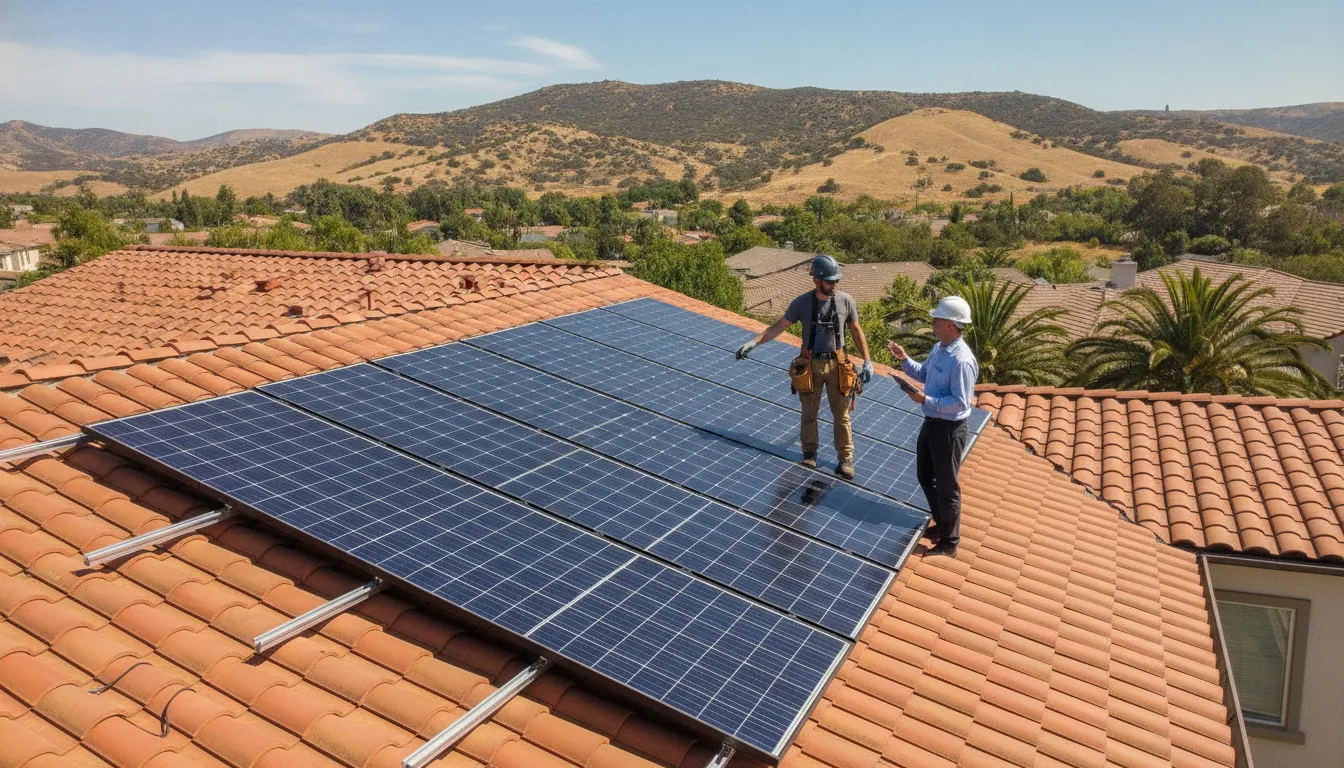
Solar Interconnection in California: The Utility Half of the Process
Receiving a local building permit does not by itself authorize a new solar system to operate in parallel with the electric grid. Interconnection is a separate approval process handled with the utility that serves your property. Under California's current net billing framework, often called NEM 3.0, that review addresses how the system connects to the grid and how exported electricity is handled. The California Public Utilities Commission's net energy metering information provides the state's regulatory context.
What utilities review
The utility application typically identifies the proposed equipment, system capacity, electrical design, service information, and the property's account details. Utility requirements and submission timing can vary by provider, so the interconnection paperwork needs to match the approved project design. If the system includes a battery, its operating configuration and connection to the electrical service may also be part of the review.
This is why the utility process should be coordinated with, rather than confused with, the local building permit homeowners receive from a city or county. The building department focuses on code compliance at the property, including structural and electrical requirements. The utility focuses on safe grid connection and export. Approval from one does not replace approval from the other.
For homeowners comparing options, how NEM 3.0 works can help explain the relationship between on-site energy use, storage, and electricity sent back to the grid. The right design depends on the home's load profile, utility territory, equipment, and project goals.
After installation, the local building department must complete the required inspections. The utility can then finalize the interconnection review. Permission to Operate, or PTO, is granted by the utility only after the project has passed the applicable local inspections and secured interconnection approval. Until PTO is issued, the system should not be switched on for normal grid-connected operation.
AMECO coordinates the utility application as part of its end-to-end process, alongside local permitting and inspection support. That helps keep the submitted design, installed equipment, inspection results, and utility records aligned. Requirements still depend on the property and utility, but homeowners have one experienced team managing the handoffs instead of navigating each approval separately.
How Long Does Solar Permitting Take in California?
In short, solar permitting in California can take a few days or several weeks, depending on the jurisdiction and review method. AMECO's average project reaches activation in about two months from contract, including permitting, installation, and interconnection.
There is no single statewide answer to how long the solar permitting process takes in California. The schedule depends on the authority having jurisdiction, the completeness of the submitted plans, and the system design. It also depends on whether the local building department uses an automated approval platform or a manual review process. For many residential projects, permitting may take a few weeks, but that range is not a promise for every property or city.
Automated platforms can shorten the administrative portion of the process for qualifying systems by checking code requirements and issuing permits in real time. Manual reviews generally require department staff to examine the plan set, request revisions when needed, and schedule the next review after corrections are submitted. Local workload, holidays, inspection availability, roof conditions, and electrical changes can all affect the actual timeline.
What can speed up or slow down approval?
A complete, property-specific application is one of the most useful ways to avoid preventable delays. Structural calculations, roof layouts, electrical diagrams, equipment information, and required fire-access details need to agree with one another. If the building department identifies an incomplete plan, a structural concern, or a need for a main service panel upgrade, the project may require extra engineering and revisions. It may also need additional inspections or utility coordination.
California's automated permitting requirements are intended to make eligible residential approvals more efficient, but availability and implementation still vary by jurisdiction. A platform may reduce review time without eliminating the broader project steps. Solar installation also involves local inspections and a separate utility interconnection process before permission to operate is issued.
As a practical benchmark, AMECO's average project takes about two months from contract to activation, including permitting, installation, and interconnection. That is an average for AMECO projects, not a universal permitting estimate. The permitting portion may be shorter or longer depending on the local agency and the home's requirements. For a broader view of the complete schedule, see how long solar installation takes.
AMECO coordinates the permit process, responds to plan comments, and helps manage the steps through final inspection. Asking for a project-specific schedule is more useful than relying on a statewide average. Especially when a roof replacement, panel upgrade, battery, or unusual site condition is part of the design.
Common Solar Permit Hurdles and How AMECO Handles Them
Even a straightforward solar project can encounter questions during California's permit review. Local building departments compare the submitted design with structural, electrical, and fire-safety requirements, while the utility manages a separate interconnection process. That is why an application that looks complete to a homeowner may still need technical clarification before work can proceed.
Incomplete plans and local review comments
Missing site details, inconsistent dimensions, or incomplete electrical information can delay approval. A typical residential submittal may include structural calculations, a roof layout, and electrical single-line diagrams. If the building department requests additional information or changes, AMECO prepares the revisions and resubmits the plans on the customer's behalf. The team manages the permit process from initial submission through final inspection, rather than leaving the homeowner to interpret agency comments or track separate deadlines.
This end-to-end approach matters because requirements can vary among jurisdictions. California's automated permitting rules may streamline qualifying projects, but the applicable process still depends on the local authority, system design, and property. For a closer look at why permitting can become a sticking point, read the solar permitting process.
Structural deficiencies and roof conditions
A permit review can uncover concerns about roof integrity, mounting locations, structural capacity, or required emergency access paths. AMECO's engineering team reviews the roof during the design phase before plans are submitted. That early review helps identify conditions that may require repair, reinforcement, or a different array layout. Because AMECO combines solar and roofing services, customers can coordinate related work through one integrated contractor instead of managing disconnected teams.
Main service panel upgrade requirements
An existing electrical panel may be outdated or lack enough capacity for the planned solar system. In that situation, a main service panel upgrade may be required by electrical code. AMECO evaluates the service equipment during design, documents the appropriate solution, and incorporates the electrical work into the permit and installation plan. This avoids treating a panel issue as an unexpected problem at the end of the project.
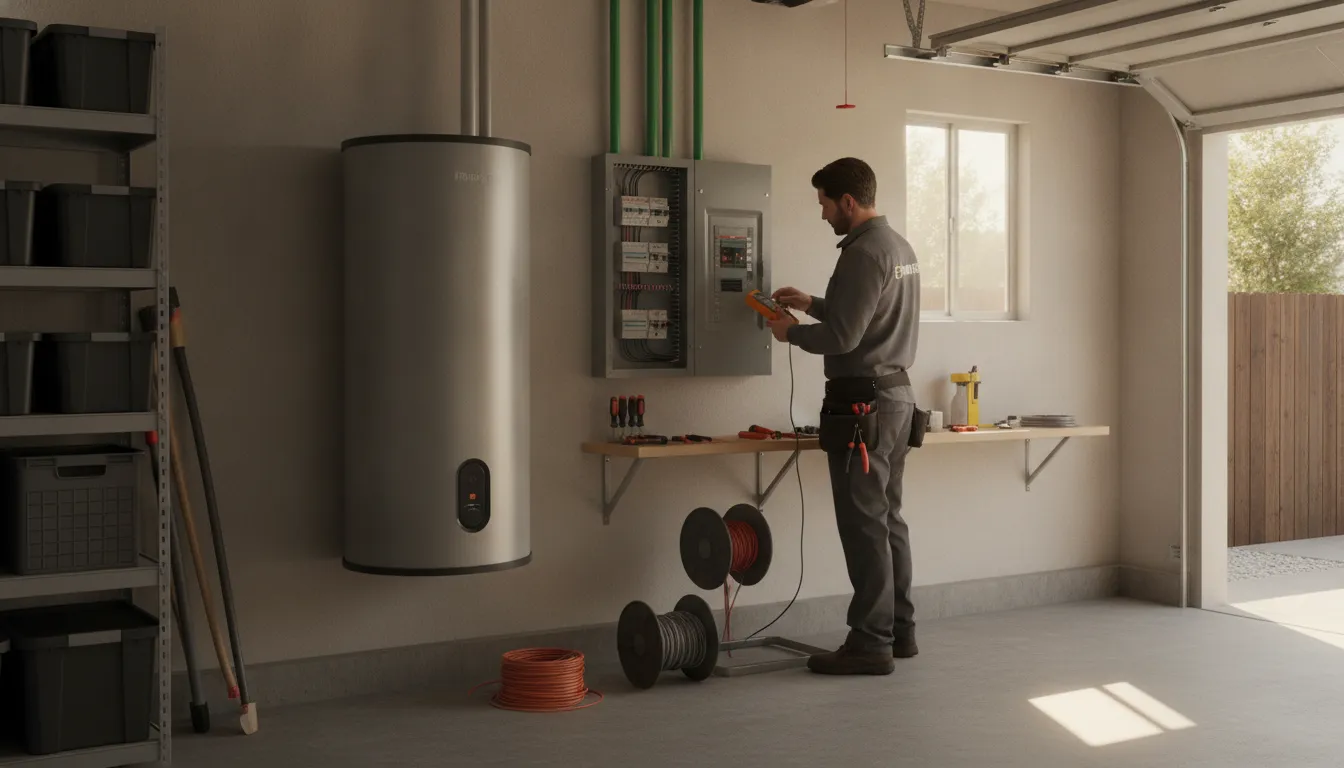
AMECO also coordinates inspection scheduling and utility requirements after installation. Its vertically integrated crews support continuity from design through field work, and the company operates under California Solar Contractor License #483280. Homeowners can review the broader process in AMECO's professional solar installation guide.
Frequently Asked Questions
Do I need a permit to install solar panels in California?
Yes. A local building permit generally must be approved before solar installation work begins. The permit review checks structural capacity, electrical safety, roof access, and compliance with local requirements. Typical submittals include structural calculations, a roof layout, and electrical diagrams. Requirements can differ by city or county, so the applicable building department and approved plans determine what your project needs. California's Solar Permitting Guidebook explains the permitting and inspection framework.
Does a building permit include utility interconnection and NEM 3.0 approval?
No. The building permit and utility interconnection are separate parts of the process. Your utility reviews the interconnection application and, after the local inspections and other requirements are satisfied, grants permission to operate. NEM 3.0, also called the Net Billing tariff, affects how the utility handles exported energy, but it does not replace the local building permit. See the California Public Utilities Commission's NEM information for tariff details.
What happens if my electrical panel cannot support the new system?
The design and permitting review may identify a need for a main service panel upgrade. This can happen when an existing panel is outdated or does not have enough capacity for the proposed solar and storage equipment. The upgrade, if required, should be included in the plans and completed in accordance with applicable electrical requirements before final approval.
How long does the solar permitting process take in California?
There is no universal timeline. The duration depends on the local jurisdiction, plan complexity, utility requirements, inspection availability, and whether the area uses automated permitting. AMECO coordinates permit submissions, revisions, inspections, and utility steps for its customers, while keeping the homeowner informed as the project moves forward.
Ready to Get An Estimate?
Understanding permits, inspections, and utility interconnection can make planning a solar project clearer. AMECO can help coordinate the process based on your property, roof, local jurisdiction, and utility requirements. To discuss your project and next steps, Get An Estimate from AMECO Solar & Roofing.


.svg)
