


Battery Backup Solar Panel System: A Complete Guide
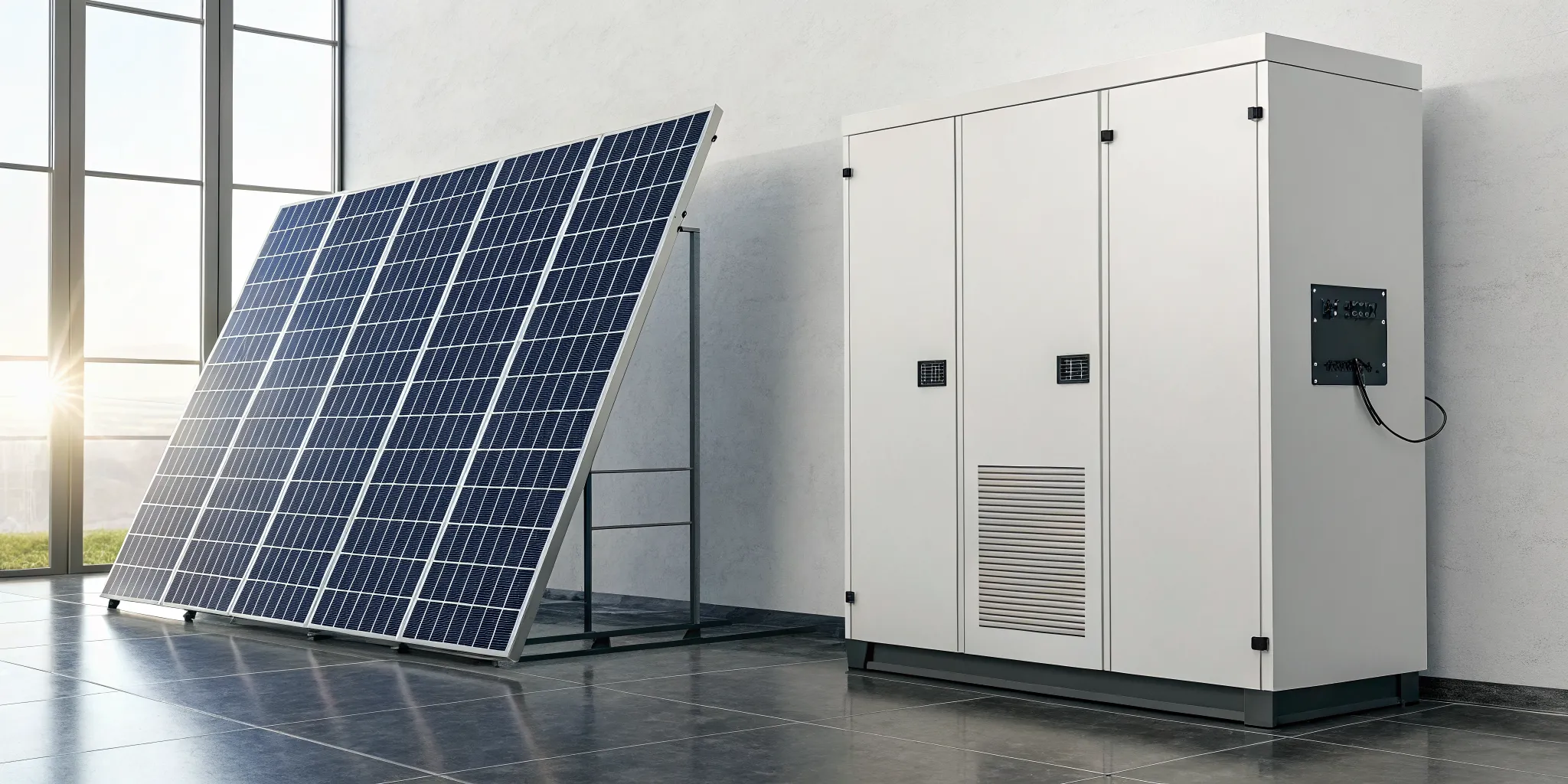
Relying on the public utility grid can feel like you’re not in control of your own home’s power. Between scheduled blackouts, unexpected outages, and ever-changing electricity rates, you’re often left at the mercy of the utility company. A battery backup solar panel system changes that dynamic completely. It empowers you to create your own reliable, independent power source, giving you control over your energy supply and costs. This guide is for anyone ready to stop worrying about the grid. We’ll explore how adding a battery gives you the freedom and security to power your home on your own terms, no matter what’s happening outside your door.
Key Takeaways
- Secure your power and your wallet: A solar battery acts as your personal energy reserve, keeping your home running during outages. It also helps you save money by using stored solar power during peak utility rate hours instead of buying expensive grid electricity.
- Choose a battery based on key metrics: Compare a battery's capacity (kWh) to know what it can power, its round-trip efficiency for less wasted energy, and its cycle life warranty for long-term performance. Matching these details to your goals is the best way to find the right fit.
- Use incentives and hire a professional: Lower your upfront investment by exploring federal tax credits and state-level rebates. For a safe and reliable setup, always have a certified professional handle the installation, as it involves complex electrical work and ensures your system performs correctly.
What Is a Solar Battery Backup System?
Think of a solar battery as a personal energy piggy bank for your home. When your solar panels produce more electricity than your home is using, the extra power doesn't go to waste. Instead, a solar battery backup system captures and stores that excess energy for you to use later. It’s a smart way to get the most out of your solar investment and a powerful tool for keeping your lights on when the grid goes down.
For many California homeowners, the threat of power outages is a real concern. A battery backup system provides peace of mind by acting as your home's personal power plant. When it detects a grid failure, it automatically switches over to provide electricity to your essential appliances, like your refrigerator, lights, and medical devices. This happens so seamlessly you might not even notice the power went out. It’s not just about convenience; it’s about security and maintaining control over your home's energy supply, no matter what’s happening with the local utility.
How Does It Work?
The process is beautifully simple and completely automated. During the day, your solar panels are hard at work converting sunlight into electricity. This power flows into your home first, running your appliances and electronics. Any extra energy produced is used to charge your battery. Once the sun sets or on a cloudy day when solar production drops, your home automatically draws power from the battery instead of pulling it from the grid.
When a grid outage occurs, the system’s transfer switch immediately disconnects your home from the utility lines. This is a critical safety feature that prevents your system from sending power back to the grid, a process called back-feeding, which could endanger utility workers. Your home then runs on the stored battery power, creating an independent and self-sufficient energy island. An essential guide to home solar batteries can provide more technical details on this process.
Grid-Tied, Off-Grid, and Hybrid: What's the Difference?
Understanding the type of solar system you have or want is key to choosing the right battery setup. Most residential solar installations are grid-tied, meaning they are connected to the public utility grid. These systems can send excess power back to the utility, often for credit, but they typically shut down during an outage for safety reasons unless they have a battery.
An off-grid system operates completely independently of the utility grid. This setup is common for remote properties where connecting to the grid is impossible or too expensive. For an off-grid system, battery storage isn't just an option; it's a necessity to ensure you have power at night and during periods of low sunlight. A hybrid system offers the best of both worlds. It remains connected to the grid but also includes a battery backup. This allows you to enjoy the reliability of the grid while having the security of stored power for outages and the flexibility to use your own solar energy whenever you want.
Why Add a Battery to Your Solar System?
Pairing solar panels with a battery is one of the smartest moves you can make for your home’s energy setup. While solar panels are fantastic for generating power during the day, a battery stores that excess energy for you to use whenever you need it, like at night or during a power outage. Think of it as your personal energy reserve. Adding a battery backup system gives you more control, security, and financial flexibility, turning your solar installation into a complete home energy solution. Let’s look at the key reasons why a battery is a powerful addition to your solar panels.
Gain Energy Independence and Blackout Protection
For many California homeowners, the biggest draw of a solar battery is the peace of mind it provides. When the power grid goes down, a standard grid-tied solar system automatically shuts off to prevent sending power back into the lines and endangering utility workers. With a battery, your home seamlessly switches over to its stored energy. This means your lights stay on, your refrigerator keeps running, and your essential devices remain powered. A solar battery effectively acts as a miniature power plant for your home, giving you true energy independence and protecting you from unexpected blackouts.
Save Money with Time-of-Use and Net Metering
A solar battery isn't just for emergencies; it's also a strategic tool for saving money. Many utility companies in California use Time-of-Use (TOU) rates, where electricity costs more during peak demand hours, typically in the late afternoon and evening. A battery allows you to store the free, clean energy your panels produce during the day and use it during these expensive peak hours instead of buying power from the grid. This strategy helps you maximize the value of your solar investment and significantly lower your monthly electricity bills. You can even calculate your potential savings to see how a battery impacts your return on investment.
Choose Your Backup: Whole-Home vs. Essential Appliances
When planning for a battery, you can decide what you want to power during an outage. You can opt for an "essential loads" setup, which backs up critical appliances like your refrigerator, lights, Wi-Fi, and medical equipment. This typically requires around 10 to 20 kWh of storage. Alternatively, you can choose a "whole-home" backup system that powers everything, including large appliances like your air conditioner. This more robust setup usually needs 20 to 40 kWh of storage or more. Our approach involves designing a system that’s perfectly tailored to your family’s specific needs and budget, ensuring you have the right amount of power when you need it most.
A Look at Popular Solar Battery Options
Once you decide to add a battery to your solar setup, the next step is figuring out which one is right for you. The market is full of great options, and it can feel a little overwhelming at first. But don't worry, we're here to walk you through some of the most popular choices so you can get a feel for what's out there. Think of it like car shopping: some are built for performance, others for efficiency, and some are all-around family vehicles. The best one for you depends entirely on your home's energy habits, your budget, and what you want to power during an outage.
Each battery comes with its own set of features, from capacity and power output to warranty and smart home integration. Some are designed to provide just enough power for your essential appliances, like the refrigerator and lights, while others can support your entire home, including your air conditioner. To help you get started, we’ve broken down a few of the top contenders. While we at AMECO have our preferred partners based on decades of experience, understanding the landscape is a great first step. Choosing the right battery backup system is a big decision, and it’s all about finding the perfect match for your home’s unique needs. Let's look at what makes each of these batteries stand out.
Tesla Powerwall
You’ve probably heard of the Tesla Powerwall, and for good reason. It’s one of the most well-known home batteries available. With 13.5 kWh of usable capacity, a single Powerwall can keep your essential appliances running for hours during a blackout. It’s designed to work seamlessly with your solar panels, storing the extra energy you generate during the day so you can use it at night or when the grid goes down. Its sleek, minimalist design also means it won't be an eyesore on the side of your house, blending in smoothly with your home’s exterior.
Enphase IQ Battery
If you love the idea of starting with what you need now and adding more later, the Enphase IQ Battery is a fantastic choice. Its modular design means you can begin with a smaller capacity and expand your storage as your family or energy needs grow. Enphase gives you a ton of control right from your phone, with smart apps that let you monitor your energy production and consumption in real time. This flexibility makes it a versatile and future-proof option for homeowners who want to stay in command of their power.
EcoFlow DELTA Pro
For those who want serious power and flexibility, the EcoFlow DELTA Pro is a true powerhouse. What makes it stand out is its incredible modularity. You can expand its capacity from a solid 6 kWh all the way up to a massive 90 kWh, which is enough to run even heavy-duty appliances like your central air conditioning. This makes it an amazing solution for whole-home backup, especially during those California heatwaves. It’s also designed to be a plug-and-play system, offering a straightforward approach to powerful energy storage.
Anker SOLIX E10
The Anker SOLIX E10 is another excellent choice for homeowners who appreciate a customizable and user-friendly system. It features a clean, stackable design that allows you to expand your capacity up to 12 kWh, letting you tailor your storage to your specific needs. Like other modern batteries, it comes with an intelligent app that gives you full control over your energy management. You can easily monitor your usage and make adjustments from anywhere. This makes the SOLIX E10 a strong contender for those who want a smart, adaptable energy solution for their home.
How to Compare Solar Batteries
Choosing the right solar battery can feel like a big decision, but it doesn't have to be complicated. When you know what to look for, you can confidently pick a battery that fits your home's needs and your budget. Think of it like shopping for any major appliance; you want to compare a few key features to find the best match. We'll walk through the four most important factors: capacity, efficiency, lifespan, and cost. Breaking it down this way makes it much easier to see which battery will give you the reliable power and peace of mind you're looking for.
Understanding Capacity and Backup Duration
A battery's capacity, measured in kilowatt-hours (kWh), tells you how much energy it can store. Think of it as the size of your energy savings account. A smaller 10 kWh battery is great for keeping essentials running during an outage, like your refrigerator, lights, and Wi-Fi. If you want to power your entire home, including your air conditioner, you might look at a larger 30 kWh system. The right capacity for you depends entirely on what you want to keep on when the grid goes down. Our team can help you figure out the perfect size with a personalized battery backup consultation.
Comparing Efficiency and Battery Chemistry
Not all batteries are built the same. Most modern home solar batteries use lithium-ion chemistry because it's efficient and reliable. Within that category, some types are better than others. For example, many top-tier systems use Lithium Iron Phosphate (LFP) batteries, which are known for being exceptionally safe and long-lasting. You'll also want to look at the battery's round-trip efficiency. This number tells you how much power you get back for every bit of power you put in. A higher efficiency rating means less energy is wasted during the charging and discharging process, giving you more value from your solar solutions.
Evaluating Cycle Life and Warranties
A battery's lifespan is measured in "cycles." One cycle is a full charge and discharge. A battery with a higher cycle life will last you longer, so it's a critical number to check. Just as important is the warranty. Most top brands offer a 10-year warranty, but you'll want to read the fine print. Does it guarantee a certain capacity level after 10 years? A strong warranty is a sign that the manufacturer stands behind its product. It's also wise to consider the company's history. A warranty is only useful if the company is still around to honor it, which is why our approach emphasizes partnerships with established, reputable manufacturers.
Breaking Down the Costs
Let's talk about the price. Installing a solar battery is a significant investment, often ranging from $10,000 to $20,000. However, that initial number doesn't tell the whole story. Federal tax credits and local incentives can dramatically lower your out-of-pocket cost, making it much more affordable. It's helpful to think of a battery not as a purchase but as an investment in your home's energy independence and security. Over time, it can save you money on utility bills, especially if your provider has time-of-use rates. You can use an estimate calculator to get a clearer picture of your potential costs and savings.
What's the Price Tag on a Solar Battery System?
Let's talk numbers. Adding a solar battery backup system is a significant home upgrade, and the price is often the first thing on everyone's mind. Generally, you can expect the cost of a residential solar battery to fall somewhere between $10,000 and $20,000. That range can feel wide, but it reflects the variety of options available to fit different homes and energy goals. Think of it like buying a car; the final price depends on the model, features, and performance you choose. This investment covers more than just the battery itself. It includes the hardware, professional installation, and the peace of mind that comes with having a reliable power source during an outage.
While the upfront cost is considerable, it’s also the key to unlocking greater energy independence and protecting your family from unpredictable blackouts. The right system can also lead to long-term savings on your utility bills, especially with California's changing energy rates. Before you get sticker shock, remember that this initial figure doesn't account for the various incentives and tax credits that can significantly lower your out-of-pocket expense. We'll get into those in a moment. To get a clearer picture of what a system might cost for your specific home, you can use an estimate calculator to explore different scenarios. The final price tag is shaped by a few key factors, from the battery's capacity to available financial incentives.
Key Factors That Influence Cost
The main driver of a battery's cost is its capacity, which is measured in kilowatt-hours (kWh). A smaller, 10 kWh battery might be perfect for keeping essentials like your refrigerator, lights, and medical devices running for a few days during an outage. A larger, 30 kWh system could power nearly your entire home, including your air conditioning. The brand you choose, the complexity of the installation, and whether you’re adding it to an existing solar array also play a role. Our customized approach helps you determine the right size and setup for your home, ensuring you only pay for what you truly need.
How to Save with Tax Credits and Incentives
The good news is that you likely won't have to pay the full sticker price. Several financial incentives can make a solar battery much more affordable. For starters, you may qualify for the federal solar tax credit, which allows you to deduct a portion of the hardware and installation costs from your federal taxes. As a California resident, you can also take advantage of state-level programs like the Self-Generation Incentive Program (SGIP), which offers generous rebates for battery installations. On top of that, some utility providers have programs that let you earn credits or cash by sending your stored energy back to the grid during peak demand.
Is a Solar Battery Backup Worth the Investment?
Deciding whether to add a battery to your solar panel system is a big question, and the answer really depends on your goals. For many California homeowners, the constant worry about power outages and rising electricity costs makes a battery a compelling option. It’s not just about saving money; it’s about gaining security and independence from a grid that can sometimes feel unreliable. Think of it as an investment in your home’s resilience.
A solar battery stores the excess energy your panels produce during the day, so you can use it whenever you need it: at night, on a cloudy day, or most importantly, during a blackout. This stored power can keep your lights on, your refrigerator running, and your family safe when the neighborhood goes dark. But it’s also a significant financial commitment. The best way to decide is to weigh the clear advantages against the costs and clear up a few common myths along the way. Let's break it down so you can see if a battery backup is the right move for you.
The Upsides
The most immediate benefit of a solar battery is uninterrupted power. When a blackout hits, a battery backup system can automatically switch on, keeping your essential appliances running without a flicker. This means your lights, refrigerator, and Wi-Fi stay on, providing a sense of security and normalcy. Beyond emergencies, a battery helps you take full control of your energy. You can use your stored solar power during peak evening hours when utility rates are highest, which can lead to significant savings on your electricity bill. This gives you true energy independence, reducing your reliance on the grid and protecting you from unpredictable rate hikes.
The Downsides
Let’s be direct: the biggest hurdle is the initial cost. A home battery is a major investment, often ranging from $10,000 to $20,000 or more, depending on the size and brand you choose. While incentives can help, it’s a significant upfront expense. For some, the return on investment isn't purely financial. It’s helpful to think of a battery as an insurance policy. It may not pay for itself in monthly savings alone, but its value becomes undeniable the moment you need it during an extended outage. You can use an estimate calculator to get a clearer picture of the costs and potential savings for your specific home.
Clearing Up Common Misconceptions
There's a lot of confusing information out there about solar batteries, so let's set the record straight. First, most grid-tied solar panel systems do not work during a power outage unless you have a battery. For safety reasons, they automatically shut down to prevent sending electricity back to the grid while utility workers are making repairs. Another myth is that a bigger battery means you can run everything at once. In reality, your inverter's power output limits how many appliances you can run simultaneously. A professional can help you understand the balance between battery capacity and inverter power, which is a key part of our approach to designing the right system for your home.
Your Pre-Installation Checklist
Getting ready for your solar battery installation is exciting. It’s the final step before you can enjoy more energy independence and peace of mind. To make sure everything goes smoothly, it helps to have a clear checklist of what to expect and consider. Think of this as your game plan. It will help you ask the right questions and feel confident as your home gets its power upgrade.
We’ll walk through the key things to think about before the installation team arrives. From figuring out the right battery size for your family’s needs to understanding how you’ll monitor your new system, being prepared makes the entire process feel seamless. Let’s get you ready for installation day.
Size Your System for Your Home's Needs
First things first, let's talk about size. Solar battery capacity is measured in kilowatt-hours (kWh), which tells you how much energy it can store. The right size depends entirely on what you want to power during an outage. A 10 kWh battery, for example, can typically run essential appliances like your refrigerator, lights, and Wi-Fi for a day or more. If you’re looking for whole-home backup, a larger system of 20-30 kWh might be a better fit to keep things like your air conditioning running. You can use an estimate calculator to get a clearer picture of your energy needs and what size system would work best for your home.
Check Your Space, Inverter, and Solar Setup
Your solar battery system is more than just the battery itself. It includes an inverter to convert solar energy into usable power for your home, racking to mount everything securely, and a monitoring system. You’ll need a dedicated space for the battery, usually in a garage or on an exterior wall, that’s cool, dry, and out of direct sunlight. During your consultation, a professional will assess your current solar setup and home layout to find the perfect spot. They’ll make sure everything is placed for optimal performance and safety, so you don’t have to worry about the technical details.
Plan for Monitoring and Maintenance
One of the best parts of a modern solar battery is the technology that comes with it. Most systems include a user-friendly app for your phone or computer that lets you see exactly how much energy you’re generating, storing, and using in real time. You can track your savings, see your home’s energy patterns, and even customize how your battery is used. For example, you can set it to charge during off-peak hours when electricity is cheaper. This level of control makes it easy to get the most out of your investment and stay on top of your system’s health without any guesswork.
Consider Battery Lifespan and Replacement Costs
A solar battery is a long-term investment, so it’s smart to think about its lifespan from the start. Most solar batteries are designed to last between 10 and 15 years, and many come with warranties that guarantee a certain level of performance over that time. While the initial cost is a significant factor, remember that this system will provide energy security and savings for years to come. When you discuss your battery backup options, be sure to ask about the warranty details and the expected lifespan of the specific models you’re considering. This helps you plan for the future and understand the full value of your system.
Why You Should Always Hire a Professional
While the idea of a DIY project can be tempting, installing a solar battery is a job for certified professionals. These systems involve high-voltage electricity and need to be perfectly integrated with your home’s electrical panel and your solar array. A professional installer ensures everything is done safely and up to code, protecting your home and your investment. Experts like our team at AMECO handle everything from permitting to the final connection, following a proven approach that guarantees your system works flawlessly from day one. Hiring a pro gives you the confidence that your battery backup will be reliable when you need it most.
Power Your Home with an AMECO Solar Battery
An AMECO solar battery is the perfect partner for your solar panels, giving you a reliable source of power day and night. It works by storing the extra electricity your panels generate during sunny afternoons. Then, when the sun goes down or the grid experiences an outage, your home automatically draws from that stored energy. Think of it as a personal power plant for your house. When a blackout hits, the system switches over instantly, so your lights, refrigerator, and other essential devices keep running without a flicker. This gives you true energy independence right when you need it most.
Every home’s energy needs are different, which is why we don’t believe in one-size-fits-all solutions. Our Approach is to design a system that fits your specific lifestyle. You can choose a setup that backs up just the essentials, like your fridge and Wi-Fi, or one that can power your entire home. For example, a 10 kWh battery can keep your critical appliances running for several days. If you want to power almost everything, including your air conditioning, a larger 30 kWh system might be a better match. We’ll help you figure out exactly what you need to feel secure.
Adding a battery backup is a significant home improvement, with installations typically ranging from $10,000 to $20,000 depending on the size and brand. While it's a considerable investment, it's also an investment in your family's comfort and security. For many California homeowners, the peace of mind that comes from knowing you'll have power during an extended outage is invaluable. It means your food stays cold, your medical devices stay on, and your life can continue with minimal disruption. It’s about taking control of your home's energy and being prepared for anything.
Related Articles
- Solar Battery Backup for Home: A Complete Guide
- The Ultimate Guide to Battery Backup for Home Appliances
- The Real Cost to Add Battery to Solar System
- 6 Best Home Battery Backup Systems for CA Homes
- Battery Backup
Frequently Asked Questions
Do my solar panels still work during a blackout if I don't have a battery? This is a fantastic question, and the answer surprises many people. For safety reasons, a standard grid-tied solar panel system automatically shuts down during a power outage. This prevents it from sending electricity back to the grid, which could be dangerous for utility workers. A solar battery is the key that allows your home to safely disconnect from the grid and continue using the power your panels generate.
How long will a battery actually power my home during an outage? The duration really depends on two things: the size of your battery and what you choose to run. A smaller battery, around 10 kWh, is typically designed to power your essential appliances (like the refrigerator, lights, and Wi-Fi) for a day or more. If you opt for a larger system to provide whole-home backup, you could run nearly everything, including your air conditioner, for many hours. We can help you calculate your specific needs to find the perfect fit.
Can I add a battery to the solar panel system I already have? Yes, in most cases you absolutely can. This process is called retrofitting, and it's a popular option for homeowners who installed solar panels a few years ago and now want the security of a battery. A professional will need to assess your current system, particularly your inverter, to ensure compatibility and design the most efficient way to integrate the new battery.
How much maintenance does a solar battery require? You'll be happy to hear that modern solar batteries are designed to be very low-maintenance. They are self-contained units that manage their own charging and discharging automatically. The best part is that they come with monitoring software, usually an app on your phone, that lets you keep an eye on performance without any hands-on work.
Besides blackout protection, how does a battery save me money? A battery is a smart financial tool, especially in California where many utilities use Time-of-Use rates. This means electricity costs more during peak hours, like in the evening when you get home from work. Your battery allows you to store the free, clean energy your panels produce during the day and use that stored power during these expensive peak hours, instead of buying it from the utility company.


.svg)
