


What's the Real Commercial Solar Panel Cost Per Square Foot?
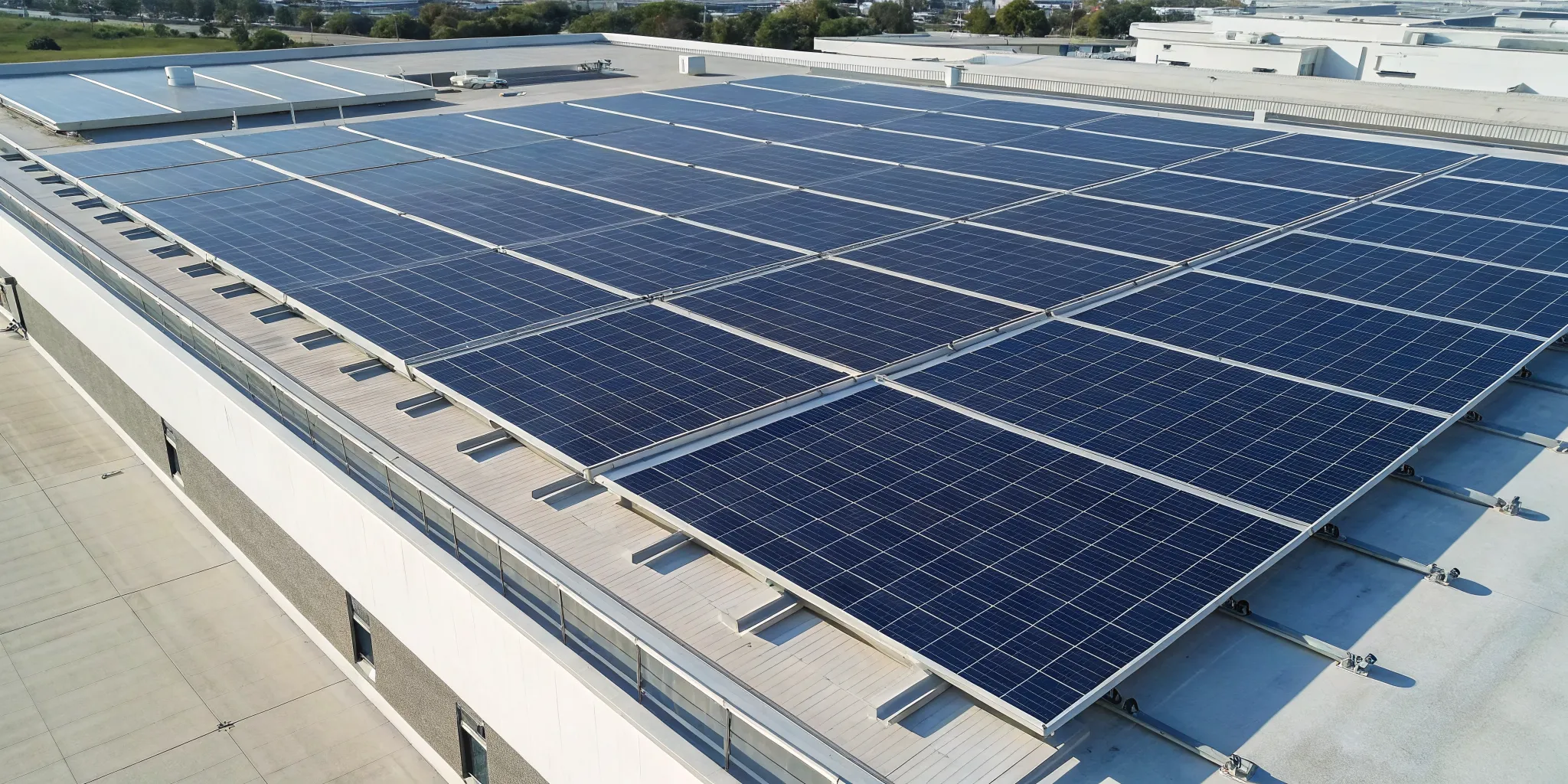
For California business owners, rising energy costs and an unreliable grid are major operational headaches. Solar offers a clear path to energy independence and predictable expenses, but the first hurdle is understanding the investment. While you might start by looking for a commercial solar panel cost per square foot, that number doesn't tell you about the powerful incentives designed to make solar affordable. This article provides a realistic look at the total project cost, from panels and installation to the long-term savings you can expect. We’ll show you how federal tax credits and other programs make solar a financially sound decision for businesses in our state.
Viewing a solar installation as just an expense is missing the bigger picture. It’s a strategic investment in your company’s financial future. By generating your own power, you gain control over unpredictable utility rates and create a valuable asset that increases your property value. To build a solid business case, you need to understand the complete financial landscape. This goes beyond a simple cost of commercial solar panels per square foot. We’ll walk you through the key factors that determine your project’s price, the tax credits that reduce your bottom line, and how to calculate your long-term return on investment.
Key Takeaways
- Understand the Total Project Cost: The price of a commercial solar project goes beyond the panels, including essential soft costs like labor and permits, and predictable long-term expenses such as inverter replacements and maintenance.
- Use Incentives to Maximize Your ROI: Your final investment can be significantly lower than the initial quote by taking advantage of the 30% federal tax credit, accelerated depreciation, and various financing options that make solar accessible.
- A Custom Quote is Non-Negotiable: Online calculators offer a starting point, but only a professional consultation can provide an accurate price based on your specific energy use, roof condition, and property details.
How Much Do Commercial Solar Panels Cost?
When you start looking into solar for your business, the first question on your mind is probably about the price tag. It’s a significant investment, so understanding the costs is the first step toward making a smart decision for your company’s future. The final price of a commercial solar installation can vary quite a bit, depending on your building, your energy needs, and the specific equipment you choose. There isn't a simple sticker price because every project is unique.
Think of it less as a one-size-fits-all product and more like a custom-tailored solution. The total cost is influenced by everything from the size of your system to the condition of your roof. To give you a clear picture, we'll break down the two most common ways solar projects are priced: by the watt and by the total system size. This will help you understand what goes into a quote and what you can expect for your investment. Our goal is to demystify these numbers so you can feel confident as you explore your options and plan your budget. We'll walk through the industry standards for pricing and the average cost ranges you might see, so you know exactly what to look for.
Pricing Models: Cost Per Square Foot vs. Per Watt
In the solar industry, the standard way to talk about cost is "price per watt." This measures how much you pay for every watt of power your system can generate. On average, commercial solar costs between $1.40 and $1.80 per watt. This figure helps you compare quotes on an apples-to-apples basis, focusing on the system's power output. While the price of the physical solar panels has decreased, the total project cost can be influenced by other factors like labor, permitting, and financing.
While cost per watt is the technical standard, thinking in terms of cost per square foot can also be helpful for initial planning. It gives you a rough idea of how much of your roof space will be used and the associated expense. However, since panel efficiency and layout vary, the price per watt remains the most accurate metric for what you're truly buying: energy production capacity for your commercial property.
Typical Cost Ranges for Businesses
So, what can you expect to pay? Before any tax credits or incentives, the cost for a commercial solar system typically falls between $2.50 and $3.22 per watt. If you prefer to think in terms of space, another general estimate is around $6 to $12 per square foot of roof area. Keep in mind, these are industry averages to give you a starting point. The final price for your project will depend on your specific building, energy consumption, and the equipment you choose. This is why getting a detailed, custom quote is so important. An online estimate calculator can give you a ballpark figure, but a professional assessment will account for all the unique variables of your property.
Historical Cost Data and Trends
One of the most encouraging trends in the solar industry is the consistent drop in prices over the last decade. While the cost of the physical panels has decreased dramatically, what we call "soft costs"—things like labor, permitting, and engineering design—now make up a significant part of the total investment. Some analyses show average commercial costs between $1.40 and $1.80 per watt, which often reflects a focus on the hardware itself. The key takeaway is that while prices have become more accessible, the total project cost is a comprehensive figure. Having been in the solar and roofing business since 1974, we've seen this evolution firsthand. Our experience allows us to accurately budget for both hardware and soft costs, ensuring there are no surprises. Our approach is built on providing a transparent, all-inclusive quote that reflects the true scope of your project from start to finish.
What to Expect: Average Costs by System Size
Looking at the total project cost gives you a clearer budget picture. Most commercial solar systems cost between $150,000 and $600,000. That’s a wide range because every business has unique energy needs. A small office building will require a much smaller system than a large warehouse or manufacturing facility, and the price will reflect that. For a typical roof-mounted commercial solar system, businesses can expect to pay between $150,000 and $500,000 or more.
These figures are a starting point, not a final quote. The best way to understand what your specific project will cost is to get a detailed, personalized estimate. A professional consultation will assess your energy usage, available space, and financial goals to design a system that fits your business perfectly. You can even use an estimate calculator to get a preliminary idea of your potential investment and savings.
Entry-Level System Costs
If the larger project costs we've discussed feel out of reach, let's talk about what an entry-level system looks like. For smaller businesses or companies with more modest energy needs, a project can start near the $150,000 mark. This initial investment isn't just for panels; it covers everything needed to get you up and running, including the essential "soft costs" like system design, permitting, and installation labor. It’s not about cutting corners—it’s about creating a system that’s perfectly sized for your operations. A smaller system still delivers significant long-term savings on your energy bills and gives you more control over your power. Understanding our approach to custom design ensures you get a solution that meets your specific needs without over-investing.
5 Factors That Influence Your Commercial Solar Cost
When you get a quote for a commercial solar project, you’ll notice the final price is more than just the cost of the panels. Several key factors influence the total investment required to get your system up and running. Understanding these variables will help you see exactly where your money is going and why a custom quote is so important. From the size of your system to the condition of your roof, each element plays a role in shaping your project's scope and cost.
System Size: How Much Power Do You Need?
The most significant factor is the size of the solar system you need, which is measured in kilowatts (kW). Your system size depends on your business's energy consumption, available roof space, and budget. While it might seem counterintuitive, larger systems often have a lower cost per watt due to efficiencies in both equipment purchasing and installation labor. The goal is to design a system that meets your energy needs without overbuilding. We help our commercial customers find that perfect balance, ensuring you get the power you need for the best possible value.
When to Consider Solar: The $300/Month Rule
A helpful rule of thumb we often share is the "$300/month rule." If your business's electricity bill consistently hits or exceeds $300, it’s a strong indicator that you should seriously explore solar. Why this number? Because at this level of spending, the potential monthly savings from generating your own power become substantial enough to provide a compelling return on your initial investment. For example, a business with a $1,000 monthly bill could see savings of around $750 each month. While your savings will scale with your bill, the principle holds true: a higher utility cost means greater potential for solar to reduce your overhead. This is the point where the long-term financial benefits really start to outweigh the upfront cost, making it a strategic financial move rather than just an expense. The best first step is to review your past year of energy bills to see if you fit this profile and then get a professional assessment to see what a custom system could do for your bottom line.
The Impact of Panel Efficiency on Price
Not all solar panels are created equal. The type and quality of the equipment you choose, including panels, inverters, and mounting hardware, directly impact the price. High-efficiency panels cost more upfront but generate more power in a smaller amount of space, making them ideal for businesses with limited roofing areas. Opting for premium equipment is an investment in durability and long-term performance. Our approach prioritizes quality components to ensure your solar system is a reliable asset for decades to come.
Monocrystalline vs. Polycrystalline Panels
When you start exploring different solar solutions, you'll encounter two main types of panels: monocrystalline and polycrystalline. Monocrystalline panels, made from a single silicon crystal, are the high-performance option. They are more efficient, generating more power per square foot, and are recognizable by their sleek, uniform black color. This makes them perfect for businesses with limited roof space that want to maximize energy production. While their initial price is higher, they often provide better long-term value due to a longer lifespan and superior performance, especially on overcast days.
On the other side, you have polycrystalline panels. These are crafted by melting multiple silicon fragments together, which gives them their characteristic blue, marbled appearance. This manufacturing process is less expensive, making polycrystalline panels a more budget-friendly option upfront. However, they are slightly less efficient than their monocrystalline counterparts, so you would need more of them to generate the same amount of power. The best choice really depends on your specific situation—your budget, available space, and long-term energy goals. We can help you weigh the pros and cons to determine which panel type aligns perfectly with your business needs.
Understanding Panel Efficiency Ratings
Beyond the type of panel, you’ll want to pay close attention to its efficiency rating. This number, expressed as a percentage, tells you how effectively a panel converts sunlight into usable electricity. A higher efficiency rating means the panel can generate more power within the same physical space. For instance, a 22% efficient panel will produce more electricity than a 19% efficient panel of the exact same size. This is a critical detail for businesses with limited roof or ground area, as high-efficiency panels allow you to achieve your energy goals with a smaller, more compact system footprint.
Panels with higher efficiency ratings typically come with a higher price tag, but it's important to see this as an investment in long-term performance. The extra upfront cost can lead to greater energy production and more significant savings over the system's lifespan, ultimately delivering a stronger return. Our approach is to walk you through these technical specifications, making sure you understand how different efficiency levels will impact your system's output and your bottom line. It’s all about designing a system that provides the best possible value for your unique commercial property.
How Roof Condition Affects Installation Costs
Your roof is the foundation of your solar energy system, so its condition is critical. If your roof is old or needs repairs, those issues must be addressed before solar panels can be installed, which adds to the overall project cost. At AMECO, our dual expertise in both solar and roofing solutions means we can handle any necessary preparations seamlessly. Factors like roof pitch, material (like tile or metal), and accessibility can also affect the complexity and labor costs of the installation.
Factoring in Complex Roof Types
Beyond the general condition, the specific characteristics of your roof play a big part in the final cost. A steep pitch, for example, requires more safety equipment and time, while materials like Spanish tile or metal demand specialized mounting hardware and expertise to prevent damage. Obstacles such as skylights, vents, and HVAC units can also complicate the panel layout and make the installation more labor-intensive. This is where working with an integrated solar and roofing company makes a difference. We assess these unique site conditions from the start, ensuring that any complexities are factored into the plan and budget, preventing surprise costs down the line.
Why Your Location and Sun Hours Are Key
Where your building is located and how much direct sunlight it receives are major variables. A property with a south-facing roof and no shading from trees or adjacent buildings is ideal for maximizing energy production. The distance from your solar array to the point where it connects to the utility grid can also influence costs due to wiring and trenching requirements. We use advanced tools to assess your property's specific conditions and design a system that captures the most sunlight possible, giving you a clear picture of your potential energy output from our solar solutions.
Using Tools to Estimate Sunlight Exposure
Figuring out your property's sun exposure is more scientific than just looking up at the sky. We use sophisticated software and satellite imagery to create a detailed "sun map" of your roof. This technology allows us to model the sun's path across your property for every hour of the day, all year long. It helps us pinpoint the most productive spots for panel placement and identify any potential shading from nearby trees, buildings, or even future construction. This level of detail is crucial for designing a system that performs optimally from day one. It's a core part of our approach to turn abstract data into a concrete, high-performance plan for your property.
How Local Permits and Rules Impact Your Budget
Every city and county has its own set of rules and permitting processes for solar installations. These administrative requirements can sometimes lead to delays or additional costs if not handled by an experienced team. A professional solar installer will manage all the necessary paperwork, inspections, and communications with local authorities and your utility company. This service is a crucial part of a turnkey solar project, ensuring your installation is fully compliant and saving you the headache of dealing with red tape.
What's Included in a Commercial Solar Installation Quote?
When you receive a solar quote for your business, you'll notice it's more than just a price tag for panels. A detailed quote breaks down all the moving parts of your project, giving you a clear picture of where your investment is going. Think of it as a roadmap for your transition to solar energy. A trustworthy installer will provide a transparent, itemized estimate that covers everything from the physical equipment to the paperwork required to get your system up and running. Understanding these components helps you compare offers accurately and ensures there are no surprises down the line. Let's walk through the key items you should expect to see.
The Panels, Racking, and Inverters
The physical equipment, or hardware, makes up a significant portion of your project's cost. This isn't just about the solar panels themselves, but also the inverters that convert solar energy into usable electricity, the mounting racks that secure panels to your roof, and any wiring needed to connect the system. The brand and quality of these components matter. Higher-efficiency panels might have a larger initial cost, but they can generate more power in less space, offering a better return over time. Your quote should specify the type and brand of the solar solutions being proposed so you know exactly what you're getting for your money.
The Cost of Professional Installation
Installing a commercial solar system isn't a simple DIY project; it requires a team of skilled professionals. Labor costs cover the expert technicians who will design your system, secure it to your property, and ensure every connection is safe and up to code. These costs account for the team's experience, training, and insurance. While it can be tempting to look for the lowest labor price, remember that quality installation is crucial for your system's long-term performance and safety. A professional installer follows a meticulous approach to guarantee your system is built to last and operates at peak efficiency from day one.
Understanding Labor and Financing Costs
Beyond the hardware, your quote includes "soft costs" like the labor for our expert installation team and the fees for local permits. But the financial story doesn't end with the costs. It's equally important to understand how you can pay for your system and the incentives that make it more affordable. Your final investment can be significantly lower than the initial quote once you factor in powerful financial tools. For example, the 30% federal tax credit and accelerated depreciation can dramatically reduce your net cost. We break down how these incentives work to maximize your ROI, making solar an accessible investment for businesses of all sizes.
What to Budget for Permits and Inspections
Before any work can begin, your solar project needs to get the green light from local authorities. This involves securing permits and scheduling inspections, which come with their own fees and administrative work. Every city and county has different regulations, and a seasoned solar company will handle this entire process for you. The costs associated with permits and inspections will be included in your quote. This part of the process ensures your installation is fully compliant with local building and electrical codes, which is essential for safety and for connecting your system to the grid.
Getting Your Roof Solar-Ready
Your roof is the foundation for your solar array, so it needs to be in excellent shape. Before installation, a thorough assessment is necessary to check for any damage or signs of aging. If your roof needs repairs or is nearing the end of its lifespan, it’s best to address this before putting panels on top. Some quotes may include costs for minor repairs or reinforcements needed to support the weight of the solar system. Working with a company that specializes in both solar and roofing solutions is a major advantage, as they can ensure your roof is perfectly prepared for a successful and long-lasting installation.
Understanding Warranties and Project Timelines
A comprehensive quote is a great start, but your peace of mind also depends on what happens after you sign the contract. A commercial solar project is a long-term asset, and you need to be confident in its performance and the team that installed it. This is where understanding warranties and project timelines becomes essential. A solid warranty protects your investment from unexpected issues, while a realistic timeline helps you plan for the installation process with minimal disruption to your business operations. A professional partner will be transparent about both, giving you a clear understanding of what to expect every step of the way.
Typical Installation Warranties
Your solar system comes with several layers of protection. The solar panels themselves typically have a 25-year performance warranty, guaranteeing they will produce a certain amount of power over their lifespan. The inverters, which are the brains of the system, usually have shorter warranties, often between 5 and 15 years. Beyond the equipment, you should look for a workmanship warranty. This covers the installation itself—the quality of the labor, wiring, and mounting. A workmanship warranty is only as reliable as the company offering it, which is why our approach emphasizes long-term partnerships and standing behind our work for decades to come.
Common Causes of Project Delays
Even with the best planning, some factors can affect your project's timeline. The most common source of delays is the permitting process. Each city has its own requirements and review periods, which can take time to work through. Coordinating with the local utility company for grid interconnection is another step that has its own schedule. And, of course, unpredictable weather can sometimes pause on-site work, especially if any roofing preparations are needed. An experienced installer anticipates these potential hurdles and manages them proactively, keeping you informed and ensuring the project moves forward as smoothly as possible for our commercial customers.
Debunking Common Myths About Commercial Solar Costs
When you're considering a significant investment like solar for your business, it's easy to get tangled in misinformation. Let's clear the air and look at some of the most common myths about commercial solar costs so you can make your decision with confidence.
Myth #1: The Sticker Price on Panels is All You'll Pay
It’s tempting to focus on the advertised price of solar panels, but that figure is just one piece of the puzzle. Your total investment covers essential components like inverters and mounting hardware, plus soft costs for labor, engineering, and local permits. While panel prices have become more affordable, these other factors play a significant role in the overall project cost. That's why a detailed, all-inclusive quote is so important for understanding your true investment.
Myth #2: Solar is Only for Big Corporations
You don't need to be a massive corporation to benefit from solar energy. While larger projects can achieve a lower cost-per-watt, solar is a scalable solution for businesses of all sizes. Many small and medium-sized businesses find that a solar installation provides a fantastic return by drastically reducing their electricity bills. With various financing options available, the upfront cost is more manageable than ever. The key is getting a system designed for your specific energy needs, not assuming it's out of reach.
Myth #3: Incentives Are a Guaranteed Given
It's a mistake to assume your project will automatically receive every available credit. The Federal Solar Investment Tax Credit (ITC) provides a significant base credit, but bonus credits can dramatically lower your cost. These bonuses, however, come with specific requirements related to your location or the materials you use. It's possible to stack these credits, but qualification isn't guaranteed. Working with an experienced installer who understands these rules is crucial for maximizing your savings and ensuring you meet all criteria.
Myth #4: You'll See an Instant ROI
While you'll start seeing savings on your utility bill from the first month, a solar system is a long-term investment. The time it takes for your energy savings to cover the initial cost is the payback period, which for many businesses is 6 to 10 years. After that point, the energy your system produces is essentially free profit for your business. Think of it as prepaying for decades of electricity at a fixed rate. Adding a battery backup can also provide immediate value by protecting your operations from costly power outages.
Are There Hidden Costs with Commercial Solar?
A transparent, detailed quote is the first step in any commercial solar project. But to understand the full financial picture, it’s wise to look beyond the initial installation price. Thinking about the total cost of ownership over the 25-plus year lifespan of your system helps you create a realistic long-term budget. These aren't "hidden" costs in a negative sense; they are predictable operational expenses that every savvy business owner should plan for. A trustworthy partner will be upfront about these factors from the start, which is a core part of our approach to every project. Planning for these future costs ensures your solar investment delivers the returns you expect without any surprises down the road.
Planning for Maintenance and Cleaning Costs
While solar panels are incredibly durable and require little upkeep, they aren't completely "set it and forget it." Here in California, dust, pollen, and bird droppings can accumulate on your panels, which can slightly reduce their energy output. While a good rainstorm often does the trick, periodic professional cleaning ensures your system consistently operates at peak efficiency. It’s also a good practice to have your system inspected occasionally to make sure all connections are secure and components are in good shape. Factoring in a small annual budget for maintenance helps you protect your investment and maximize your energy savings for years to come.
Specific Maintenance Cost Estimates
Let's get specific with the numbers so you can budget accurately. For routine cleaning, you can plan on about $10 to $30 per panel. This service clears away the dust, pollen, and grime that inevitably builds up and can slightly reduce your system's output. Think of it as a quick tune-up to keep things running smoothly. For a more thorough annual inspection, you should budget between $200 and $600. During this check-up, a technician will verify that all connections are secure and your system's components are in top condition. Being transparent about these long-term operational costs is a key part of our approach, as it ensures you have a realistic financial plan for the life of your system.
Budgeting for Future Inverter Replacements
The inverter is the hardworking brain of your solar system, converting the direct current (DC) electricity your panels produce into alternating current (AC) that your business can use. While your solar panels are warrantied for 25 years or more, inverters typically have a shorter lifespan of about 10 to 15 years. Replacing a commercial inverter is a significant future expense, often costing between $5,000 and $30,000 depending on its size and complexity. Think of this as a planned capital expenditure, similar to replacing a commercial HVAC unit. When the time comes, you may even benefit from newer, more efficient technology.
The Long-Term Cost of Battery Replacement
For many California businesses, adding a battery backup is a smart move for energy independence and protection against disruptive blackouts. If you opt for energy storage, it’s important to include its replacement in your long-term financial plan. Similar to inverters, solar batteries have a lifespan of about 10 to 15 years. When it’s time for a replacement, the cost can range from $10,000 to over $100,000, depending on the size and capacity of your storage system. By planning for this expense from the beginning, you get a complete understanding of your system's total cost of ownership. This ensures you can continue to rely on your stored energy for years to come without any financial surprises.
Don't Forget Insurance and System Monitoring
Once your solar system is installed, it becomes a valuable asset for your business, so you’ll need to protect it. This usually means contacting your insurance provider to add the system to your commercial property policy, which may lead to a modest increase in your premium. Additionally, most modern solar solutions include monitoring software that lets you track your energy production in real time. This is a fantastic tool for verifying your system’s performance and ROI. While basic monitoring is often included, it's good to clarify if there are any long-term subscription fees for advanced analytics or reporting services.
How to Lower Your Commercial Solar Costs
Investing in a solar system for your business is a significant financial decision, but the initial quote isn't the final word on your total cost. A powerful combination of tax incentives, credits, and local programs can dramatically reduce your net investment. These programs are designed to make clean energy more accessible for commercial customers by rewarding them for making the switch.
Think of these incentives as a partnership. The government and utility companies want to encourage sustainable energy, and they provide financial tools to help you get there. By taking advantage of these programs, you can shorten your payback period and improve your return on investment from day one. Understanding which incentives apply to your business is a key part of planning your project. Let’s look at the most impactful ways to lower your solar costs.
Save Big with the Federal Solar Tax Credit (ITC)
The Federal Solar Investment Tax Credit (ITC) is one of the most valuable incentives available for businesses going solar. This isn't a simple deduction; it's a dollar-for-dollar credit that reduces your federal tax liability. Currently, the base credit allows you to claim 30% of your total system cost. For a $100,000 solar project, that’s a $30,000 credit right off the bat.
Even better, you may be able to increase that credit. The ITC includes several "adders" that can stack on top of the base 30% if your project meets specific criteria, such as using domestically sourced materials or being located in an energy community. An expert can help you determine exactly which credits your project qualifies for.
Crucial Deadlines for the 30% Credit
To make the most of the 30% tax credit, you need to be aware of some important timelines. The federal government has set a key date: to be eligible for the full credit, construction on your solar project must begin by July 4, 2026. While that might seem far away, planning and executing a commercial solar installation takes time. If you start construction after that date, the rules get much stricter, requiring the system to be fully operational by the end of 2027. This compressed timeline can introduce risks and potential complications. Acting sooner rather than later ensures you have ample time to plan properly and lock in your savings without the pressure of a looming deadline. A well-managed project timeline is key to a stress-free installation.
Understanding Bonus "Adders" for the ITC
The 30% credit is just the starting point. Your business could qualify for bonus credits, or "adders," that can significantly increase your savings. For example, you can get an additional 10% credit if your project uses a certain amount of American-made steel, iron, and manufactured products. Another 10% is available if your business is located in an "energy community," such as an area with a history of coal production. There are even larger bonuses of 10% or 20% for smaller systems installed in designated low-income communities. These adders can be stacked, meaning your total tax credit could be much higher than the initial 30%, making the financial case for solar even more compelling for your commercial property.
How to Claim a Total Credit of 50-70%
It's entirely possible to stack these bonus credits to achieve a total tax credit of 50%, 60%, or even 70% of your project cost. Imagine cutting the net cost of your solar investment by more than half—it’s a game-changer. However, the rules for qualifying for each adder are specific and complex. This isn't something you want to leave to chance or figure out on your own. The best way to maximize your financial return is to work with a solar partner who has deep expertise in these incentives. An experienced installer can analyze your project's specifics to identify every credit you’re eligible for and ensure all the requirements are met, helping you calculate your true savings and secure the best possible ROI.
Using Accelerated Depreciation (MACRS) to Your Advantage
Beyond the ITC, your business can also benefit from accelerated depreciation. Typically, when you purchase a business asset, you deduct its value over many years. However, the Modified Accelerated Cost Recovery System (MACRS) allows solar projects to be depreciated on a five-year schedule. This lets you recover the cost of your investment much faster.
What’s more, current bonus depreciation rules may allow you to deduct a huge portion of the system’s cost in the very first year. This can create a substantial reduction in your taxable income, providing a significant financial lift right after your system is installed. It’s a powerful tool for managing your business’s tax strategy while you invest in solar.
Tapping into California's Solar Incentives
While the federal government offers major incentives, don't overlook programs available right here in California. The state has long been a leader in renewable energy, and there are often local utility rebates or specific grants available to businesses. These programs can vary by city, county, and utility provider, so it’s important to see what’s available in your specific area.
The landscape of state and local incentives changes, so working with a local solar installer who is up-to-date on the latest programs is essential. They can help you identify and apply for opportunities you might otherwise miss. You can also explore the Database of State Incentives for Renewables & Efficiency (DSIRE) to see what might apply to your business.
State-Level Tax Credits
While the federal government offers major incentives, don't overlook programs available right here in California. The state has long been a leader in renewable energy, and there are often local utility rebates or specific grants available to businesses. These programs can vary by city, county, and utility provider, so it’s important to see what’s available in your specific area. This is where local expertise becomes invaluable. A seasoned installer who works in your community will know the ins and outs of these hyper-local programs, ensuring you don’t leave any money on the table. You can start your own research by exploring the California Energy Commission's website for information on current programs.
Solar Renewable Energy Certificates (SRECs)
In some states, businesses can earn extra income by selling Solar Renewable Energy Certificates, or SRECs. The concept is simple: for every megawatt-hour of clean energy your system produces, you earn one certificate that can be sold to utilities. While California doesn't have a traditional SREC market for individual businesses, the principle of valuing clean energy is central to our state's policy. California's Renewable Portfolio Standard (RPS) mandates that utilities get a growing percentage of their electricity from renewable sources. By installing solar, your business becomes a key part of this statewide effort. This is why other incentives, like net metering and local rebates, exist—to reward you for helping California meet its ambitious clean energy goals.
How Net Metering Can Reduce Your Bills
Net metering is a billing program that allows you to get credit for the excess electricity your solar panels generate and send back to the grid. When your system produces more power than your business is using, that surplus energy helps power your community, and your utility company compensates you with credits on your bill. This helps offset the cost of any electricity you pull from the grid at night or on cloudy days.
California's net metering rules have evolved, making it even more strategic to pair your solar panels with a battery backup system. By storing your excess solar energy in a battery, you can use it yourself whenever you need it, giving you more energy independence and maximizing your savings under the current structure.
How Different Organizations Can Claim Tax Credits
The great news about solar incentives is that they’ve become more flexible, opening the door for all types of organizations to benefit. The way you claim the Federal Solar Tax Credit depends on your organization's tax status. Whether you’re a for-profit business, a non-profit, or a government entity, there’s a pathway designed to help you access these valuable savings. Understanding these options is key to building the strongest possible financial case for your solar project.
Direct Pay for Non-Profits and Government Bodies
For a long time, tax-exempt organizations like schools, churches, and local governments couldn't take advantage of solar tax credits because they don't pay federal income tax. That has completely changed with a new provision called "Direct Pay." Now, these entities can receive the full value of the tax credit as a direct cash payment from the IRS. This is a game-changer, making solar an accessible and financially smart investment for organizations dedicated to serving their communities. It allows them to lower their operating costs and redirect those savings back into their core mission.
Transferability for Taxable Businesses
For-profit businesses also have a new layer of flexibility through "Transferability." Let's say your business invests in a solar system but doesn't have enough tax liability in a given year to use the entire credit. Instead of carrying it forward, you can now sell your tax credit to another company for cash. This provides an immediate financial return that can be used to offset the project's upfront cost or be invested back into your business. It makes the financial benefits of going solar more immediate and adaptable to your company's specific tax situation, ensuring no incentive value is left on the table.
Alternative Cost-Saving Strategies
Beyond tax credits and depreciation, there are several other strategies to make your solar project more affordable. You don't need to have all the capital on hand to make this investment. Financing options like solar loans allow you to pay for your system over time, often with monthly payments that are lower than your current utility bill. This means you can start saving from day one with little to no upfront cost. Another option is a Power Purchase Agreement (PPA), where a third party installs and owns the system on your property, and you simply agree to buy the clean energy it produces at a fixed, predictable rate that is lower than what the utility charges.
The most effective financial plan often involves combining these strategies. By stacking the 30% federal tax credit, accelerated depreciation, and a smart financing plan, your final investment can be significantly lower than the initial quote. This multi-pronged approach makes solar accessible for nearly any business, regardless of size or cash flow. A professional consultation can help you explore all the incentives and financing options available to create a custom plan that aligns with your budget and financial goals, ensuring a smooth transition to clean energy for your commercial property.
How to Finance Your Commercial Solar Project
A commercial solar installation is a major investment, but the upfront cost doesn't have to be a barrier. Several financing paths are available, each with its own set of benefits. Whether you want to own your system outright or simply want to save on your energy bills with zero money down, there’s a solution that can work for your business. Understanding these options is the first step toward making a smart financial decision for your company's energy future. Here are four of the most common ways to finance a commercial solar project.
The Pros and Cons of Paying with Cash
Paying with cash is the most straightforward way to finance your solar project. When you pay upfront, you own the system from day one, which means you get to keep all the savings and tax benefits for yourself. There are no interest payments to worry about, so you can maximize your return on investment over the system's lifespan. While it requires a significant initial outlay, this path offers the greatest long-term financial rewards and complete control over your energy asset. It's an excellent choice for businesses that are prepared to make the investment and want to see the fastest payback period on their solar solutions.
Is a Solar Loan Right for Your Business?
If you prefer to keep your capital free for other business needs, a solar loan is a fantastic option. This approach lets you finance the system's cost while still holding the title of ownership. Because you own the equipment, you are still eligible for valuable tax incentives and depreciation benefits that help reduce the overall cost. Many financial institutions offer competitive loan products specifically for renewable energy projects. This is a popular path for commercial customers who want the benefits of ownership without the large upfront expense, allowing them to start saving on energy costs right away while paying for the system over time.
Exploring C-PACE Financing Options
Commercial Property Assessed Clean Energy, or C-PACE, is a unique financing tool available to commercial property owners in California and other states. It allows you to fund 100% of your project costs, including installation, with no money down. Instead of a traditional loan, the financing is repaid over time through an assessment on your property tax bill. The best part? You still own the solar system, so you can claim all the associated tax credits and incentives. This option is especially helpful for larger projects, as it ties the investment to the property itself, making it a secure and attractive way to fund major energy upgrades.
Lease vs. PPA: What's the Difference?
If your main goal is to lower your electricity bills without any upfront investment or ownership responsibilities, a solar lease or a Power Purchase Agreement (PPA) might be the perfect fit. With these options, a solar developer installs and maintains the system on your roof at no cost to you. In exchange, you agree to buy the power it generates at a fixed, predictable rate that is typically lower than what your utility charges. While you won't receive the tax benefits since you don't own the equipment, you get immediate energy savings and budget certainty. It’s a hassle-free way to go green and reduce your operating costs from day one.
Is Commercial Solar a Good Investment?
Thinking about a commercial solar installation as just another expense misses the bigger picture. It’s a strategic investment in your company’s financial health, operational stability, and brand identity. When you look beyond the initial price tag, you’ll find that going solar offers compelling returns that strengthen your business for years to come. From slashing overhead costs to attracting more customers, the benefits are clear, tangible, and measurable.
Forecasting Your Long-Term Energy Savings
The most immediate return you’ll see from a solar installation is a dramatic reduction in your electricity bills. In a state like California where energy rates are high and often unpredictable, generating your own power provides a powerful buffer against rising utility costs. Your solar system can pay for itself over time simply through these monthly savings. This transforms a variable expense into a fixed, predictable one, giving you greater control over your budget. For many commercial customers, this financial stability is one of the most significant advantages of switching to solar energy.
How Solar Reduces Expensive Demand Charges
Many businesses are surprised to learn that a large portion of their utility bill isn't just for the electricity they use, but for *when* they use it. These are called demand charges, and they’re based on the highest peak of energy your business draws from the grid during a billing cycle. By generating your own power on-site during the day, you can significantly lower that peak demand, directly cutting down on these costly fees. This gives you much-needed control over unpredictable utility rates. Pairing your system with a battery backup takes this a step further, allowing you to store solar energy and use it during peak hours, giving you maximum independence from the grid and its pricing structures.
Example: Potential Monthly Savings
While every business’s savings will be unique, let's consider a simple example. Imagine your company currently spends $3,000 per month on electricity. A custom-designed solar system could be sized to offset 90% of that usage, immediately reducing your monthly bill to just $300. Over a year, that’s $32,400 in savings. Your solar system essentially locks in your electricity costs for the next 25+ years, protecting you from future rate increases. The best way to see what your specific savings could look like is to get a personalized analysis. Using an estimate calculator can give you a great starting point for understanding your potential return on investment.
How Solar Can Increase Your Property's Value
A building equipped with a solar energy system is a more valuable asset. Should you ever decide to sell, the property becomes more attractive to buyers who are eager to benefit from lower operating costs. Beyond the physical property, a solar installation also enhances your brand’s value. Customers increasingly choose to support businesses that demonstrate a commitment to sustainability. Your solar panels serve as a visible sign that your company is forward-thinking and environmentally responsible, which can build loyalty and attract a wider audience. Our custom solar solutions are designed to meet your business goals while making a positive statement.
How to Calculate Your Solar ROI
Understanding when your solar system will pay for itself is simpler than you might think. The basic formula for your payback period is your total installed cost (minus any tax credits or incentives) divided by your annual energy savings. For example, if your net system cost is $50,000 and you save $10,000 per year on electricity, your payback period is five years. Many businesses find their solar investment pays for itself in about 6 to 10 years. After that, all the energy your system produces represents pure profit. You can estimate your potential savings with our online tool to get a clearer picture of your specific ROI.
Understanding Your Payback Period
The payback period is the tipping point where your solar system transitions from a cost to a pure profit center. It’s the length of time it takes for your accumulated energy savings to completely cover your initial investment. For most businesses, this happens within 6 to 10 years. After that milestone, every kilowatt-hour of electricity your system generates is essentially free, providing a significant advantage to your bottom line for the remaining 15-20 years of the system's life. This is how you trade a volatile, ever-increasing utility bill for decades of predictable, low-cost energy. You can get a clearer idea of what this timeline looks like for your business when you calculate your potential savings and see the numbers for yourself.
Get Your Custom Commercial Solar Quote
While online calculators can give you a ballpark figure, they can’t capture the unique details of your business. The only way to know the true cost of a solar installation is to get a custom quote from a professional. A generic cost-per-square-foot estimate won't account for your building's specific energy needs, roof condition, or the financial incentives you might qualify for. Think of an online estimate calculator as a helpful first step, but a personalized consultation is where you'll find the real numbers.
A comprehensive quote considers factors far beyond the price of the panels. An expert will analyze your energy consumption patterns to determine the right system size and capacity for your operations. They will also assess your property for installation complexity, including the state of your roof and any potential shading issues. These "soft costs," which include things like engineering design, local permitting, and labor, are a significant part of the total price and can only be calculated after a thorough site evaluation. This detailed approach ensures your quote is all-inclusive, with no surprises down the line.
To prepare for your consultation, it’s a good idea to gather your electricity bills from the past 12 months. This information gives the solar consultant a clear picture of your annual energy usage and helps them design a system that maximizes your savings. You should also take note of your roof's age and condition. If repairs or a replacement might be needed, addressing your roofing solutions at the same time as your solar installation can be more efficient and cost-effective.
Once you have this information, you’re ready to connect with a solar expert. A professional consultation will provide you with a complete proposal that includes a custom system design, a detailed cost breakdown, your projected energy savings, and a list of all the federal and state incentives your business can claim. This tailored plan gives you the precise data you need to make a confident investment in your company's energy future.
Related Articles
- How to Use a Commercial Solar Panel Cost Calculator
- Solar Panel Installation Cost Calculator: A 2026 Guide
- Solar Panel Home Installation Cost: What to Expect
- How Much Do Solar Panels Cost for a House? A Full Guide
- Enjoying More Energy-Efficient Holidays with Solar Power
Frequently Asked Questions
How long does it take for a commercial solar system to pay for itself? Most businesses see their solar investment pay for itself through energy savings in about 6 to 10 years. After this payback period, the electricity your system generates is essentially pure profit for your company. The exact timing depends on your final system cost, how much you save on utility bills, and the financial incentives you claim, but it's a predictable path to long-term savings.
My business isn't very big. Is solar still a good investment for me? Absolutely. Solar is a scalable technology that benefits businesses of all sizes, not just large corporations. The key is designing a system that matches your specific energy consumption. For many small and medium-sized businesses, drastically reducing or eliminating a major operating expense like electricity provides a fantastic and reliable return on investment.
What if my roof needs repairs? Do I have to handle that separately? Your roof's condition is a critical part of any solar project. If it's older or needs work, those issues must be addressed before panels are installed. The ideal situation is working with an installer who also specializes in roofing. This allows you to handle any necessary roof preparations and the solar installation as one seamless project, ensuring both are done correctly and efficiently.
Do I have to pay for the entire system with cash? Not at all. While paying with cash offers the fastest return, it's not the only path. Many businesses use solar loans to finance the project while still owning the system and claiming all the tax benefits. Other options, like C-PACE financing or leases, can help you get the benefits of solar with little to no upfront cost, making the investment accessible for a wide range of financial situations.
Besides the installation, what other long-term costs should I plan for? It's smart to think about the total cost of ownership. While solar panels are very low maintenance, you should budget for occasional professional cleanings to keep them producing at their best. The most significant planned expense is replacing the inverter, which typically has a 10 to 15-year lifespan. Thinking of this as a future capital expense, much like a new HVAC unit, helps you budget realistically for the system's entire life.


.svg)
