


Your Guide to Residential Solar System Design
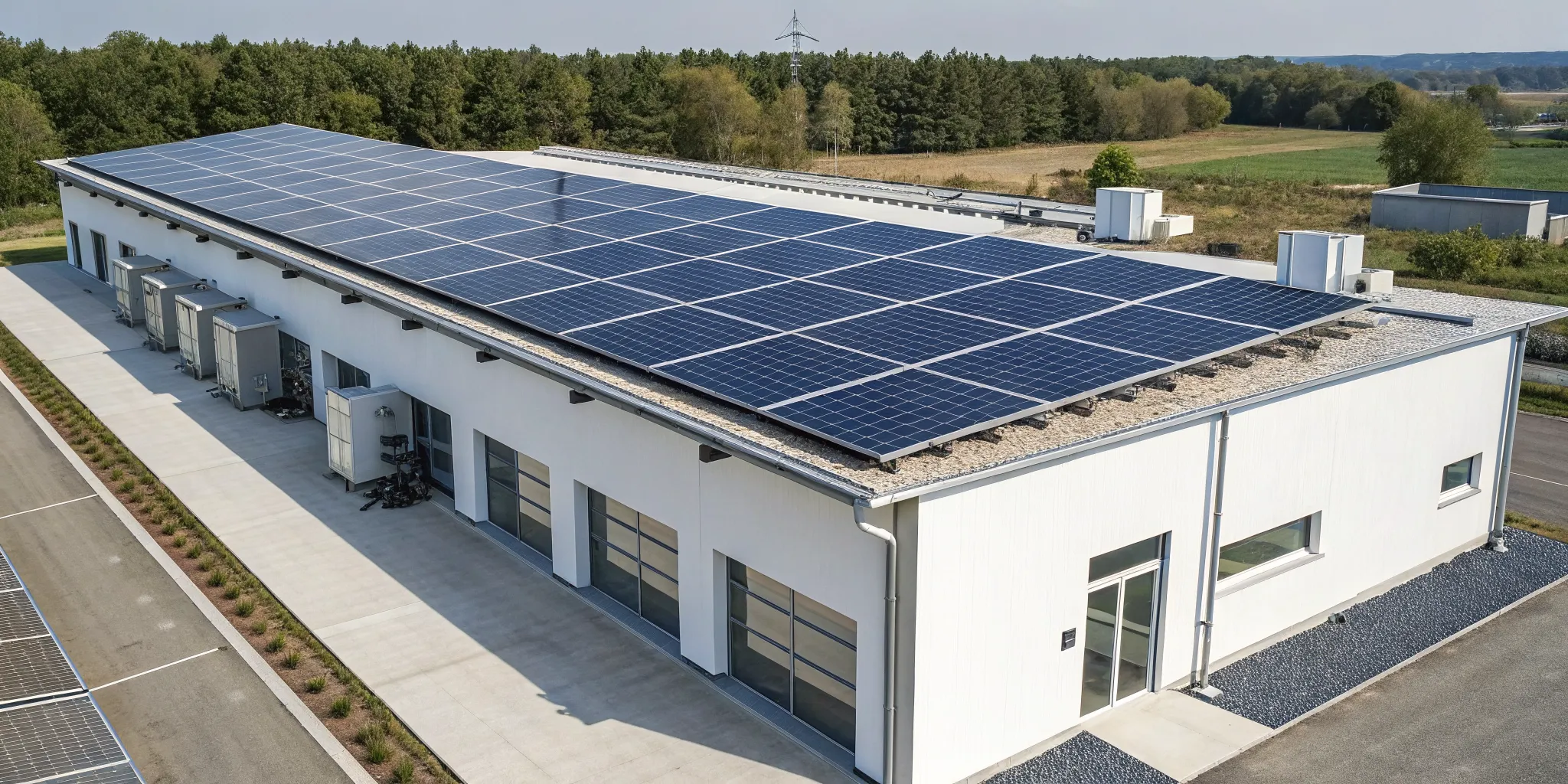
High electricity bills and the threat of blackouts can feel overwhelming. You know going solar is a powerful solution, but a generic, one-size-fits-all kit rarely delivers the savings you expect. True energy independence comes from a plan built just for you. A thoughtful residential solar system design is the key. This custom solar design solution analyzes your specific energy use, your roof's unique layout, and your future goals. It’s how you create a system that’s perfectly matched to your life, ensuring your investment actively lowers your bills and keeps the lights on.
Key Takeaways
- Demand a custom-fit design: Avoid generic solar packages. A system designed specifically for your home's energy consumption, roof orientation, and budget will maximize your energy production and long-term savings.
- Look beyond the panels: A successful solar project includes more than just the panels themselves. Ensure your plan accounts for your roof's condition, future energy needs like an EV, and a battery backup for true energy security.
- Lean on professional expertise: While DIY tools are great for initial planning, a professional handles the complex details that ensure success. They manage permits, perform detailed site analysis, and guarantee your system is safe, compliant, and optimized for performance.
What Is a Custom Solar System Design?
Think of a custom solar system design as a detailed blueprint created exclusively for your home. It’s a tailored plan that moves beyond generic packages to give you a solar setup that perfectly fits your life and your property. Instead of guessing, this process involves a careful look at your home’s unique energy profile. A professional will consider how much electricity your family uses, the specific angle and direction of your roof, any potential shading from trees or nearby structures, and of course, your budget. This isn't just about slapping panels on a roof; it's about engineering a power plant for your specific address.
This personalized strategy is the foundation of a successful solar installation. It ensures that every component, from the panels to the inverter, is selected and placed for optimal performance. AMECO’s our approach is built around this very idea: creating a system that’s just right for you. By taking the time to design a system from the ground up, you get an efficient, effective solution that maximizes your energy savings and gives you confidence in your investment for years to come. It’s the difference between a solar system that works and a solar system that works wonders for your home.
Why One-Size-Fits-All Solar Fails
You wouldn’t buy a one-size-fits-all suit for a wedding, so why take that approach with a major home investment like solar? Every home is different, and so is every family’s energy consumption. A pre-packaged solar kit can’t possibly account for your unique lifestyle, like whether you work from home, plan on buying an electric vehicle, or have a hot tub running in the backyard.
These cookie-cutter solutions often lead to one of two problems. Either the system is oversized, meaning you pay for more panels and power than you’ll ever need, or it’s undersized and can’t produce enough energy to significantly lower your electricity bills. A custom design avoids this gamble by matching the system to your actual needs.
The Payoff: Why a Custom Solar Design Solution Matters
When your solar system is designed specifically for your home, the benefits are clear. First and foremost, you get maximum efficiency. A tailored layout ensures your panels are positioned to capture the most sunlight possible, which translates directly into more clean energy and lower utility bills. This optimization also means you get the most value out of every dollar you invest.
Beyond savings, a custom design provides peace of mind. Using advanced software, professionals can map out a precise plan that accounts for your roof’s specific conditions, streamlining the installation process. You can even see what the final result will look like on your home. This thoughtful planning ensures your system is built to perform reliably from day one. Curious about what a tailored system could save you? Use our estimate calculator to get a preliminary idea.
How to Calculate Your Home's Energy Needs
Before you can design the perfect solar system, you need a clear picture of how much power your household actually uses. Think of it like tailoring a suit; you have to take precise measurements before you can cut the fabric. Getting this part right ensures your system is powerful enough for your needs today and flexible enough for your life tomorrow. It’s the foundational step that prevents you from overspending on a system that’s too large or, worse, being disappointed by one that’s too small.
This process isn’t as complicated as it sounds. By looking at your past energy use and thinking a little about the future, you can get a surprisingly accurate idea of what your home requires. This assessment is the key to creating a truly custom system that serves you well for years to come.
What Your Electricity Bill Can Tell You
Your past energy usage is the best predictor of your future needs. The first step is to gather your electricity bills from the last 12 months. Most utility companies make this easy to find online. Look for your monthly or daily "kilowatt-hour (kWh)" usage. This number tells you exactly how much electricity you consumed.
Once you have this data, you can calculate your average daily energy use. Simply add up the total kWh from a full year and divide by 365. This average is your baseline. From there, it’s wise to add a buffer of about 20% to 30%. This ensures your system can handle days with higher-than-average use and accounts for the natural, gradual decrease in panel efficiency over time. This simple step helps you avoid designing a system that can't quite keep up.
Will Your Energy Needs Change in the Future?
Your life isn’t static, and your energy needs won’t be either. A great solar design accounts for what’s next. Are you thinking about buying an electric vehicle in the next few years? Planning to add a hot tub, or maybe a new air conditioning unit? Even a growing family or a shift to a permanent work-from-home setup can change your energy profile.
It’s important to factor these potential changes into your design now. Adding an extra 20% capacity for future growth is a common rule of thumb. This foresight saves you from the hassle and expense of adding more panels down the road. By planning ahead, you can design a system that supports your evolving lifestyle and helps you future-proof your energy supply for years to come.
How to Find the Right Solar System Size
Once you have your baseline energy use and have accounted for future plans, you can start to figure out your ideal system size. This calculation isn't just about your kWh consumption. It’s a balance of several key factors, including how much direct sunlight your property gets each day, the amount of available roof space, and your overall budget.
A south-facing roof with no shade is ideal, but a custom design can work around different orientations and obstacles. To get a preliminary idea of what might work for your home, you can use an online tool to get a ballpark figure for your system size and potential costs. This is a great way to explore your options before a professional consultation, where an expert can refine the details and create a precise plan tailored to your home’s unique characteristics.
Key Components of Your Residential Solar System Design
A custom solar system is much more than just the panels you see on a roof. It’s a complete ecosystem of components working together to power your home efficiently. Think of it like a team where each player has a specific and vital role. Understanding these building blocks will help you appreciate how your system generates, converts, and stores energy, giving you true energy independence. Let's break down the key players that make up your home's new power plant.
Choosing the Right Solar Panels
Solar panels, also known as photovoltaic (PV) modules, are the stars of the show. They are the components that do the heavy lifting of capturing sunlight and converting it into direct current (DC) electricity. When you picture a solar-powered home, these are the first things that come to mind. The quality and efficiency of your panels directly impact how much power your system can generate.
Choosing the right solar solutions is the first step in designing a system that meets your specific energy goals. High-quality panels are built to last for decades, providing you with a reliable source of clean energy and significant savings on your electricity bills year after year.
Why Your Choice of Inverter Matters
If solar panels are the heart of your system, the inverter is the brain. Your panels produce DC electricity, but your home’s appliances run on alternating current (AC) electricity. The inverter’s critical job is to convert that DC power into usable AC power. Without an inverter, the energy your panels collect would be useless for powering your lights, refrigerator, and other devices.
This conversion happens seamlessly in the background, making solar energy compatible with your daily life. A well-chosen inverter not only handles this conversion but also optimizes your system's performance, ensuring you get the most out of every ray of sunshine.
Single Inverters vs. Microinverters
When it comes to inverters, you generally have two main choices: a single, central "string" inverter or multiple microinverters. A string inverter is one box that manages all the power from your solar panels, which are linked together in a series, like old-fashioned holiday lights. This approach is often more cost-effective upfront because you only need to install one unit. On the other hand, microinverters are small devices attached to each individual solar panel. This setup allows every panel to operate independently. While the initial cost can be higher due to the number of units, this design is especially useful for homes with complex roof layouts or intermittent shading, as the performance of one panel won't impact the others.
The Role of Advanced "Smart" Inverters
The choice between inverter types has a big impact on your system's overall production, especially on less-than-perfectly-sunny days. With a traditional string inverter, if one panel’s output drops—say, from a stray leaf or a shadow from a chimney—the performance of the entire string of panels decreases. It creates a "weakest link" effect. This design also introduces a single point of failure; if that one inverter stops working, your entire system goes offline. Microinverters solve this problem. Because each panel has its own inverter, they function as a team of individuals. A shaded panel won't drag down its neighbors, so the rest of your system keeps producing at its full potential. This panel-level optimization is a key feature of the advanced solar solutions available today, ensuring you get the most power possible throughout the day.
Understanding Inverter Lifespan
Thinking long-term is crucial when investing in solar, and your inverter's lifespan is a key part of that equation. String inverters typically come with a warranty of about 10 to 15 years. Since your solar panels are expected to last 25 years or more, this means you will likely need to replace a string inverter at least once during your system's lifetime. Microinverters, however, are built for the long haul. They often carry a 25-year warranty, designed to match the lifespan of your panels. This kind of long-term reliability is a cornerstone of creating a truly independent energy system, much like adding a battery backup to keep your home powered during an outage.
Do You Need a Solar Battery?
What happens to the extra energy your panels produce on a sunny afternoon? That’s where battery storage comes in. A solar battery acts as your personal energy reserve, storing excess power for you to use later. This means you can power your home with solar energy at night or keep the lights on during a grid outage.
For California homeowners, a battery backup system is your key to energy independence and a reliable safety net against blackouts. Instead of sending all your extra power back to the grid, you can save it for when you need it most, giving you peace of mind and greater control over your energy.
Beyond the Home: Utility-Scale Battery Storage
The same idea that keeps your lights on during an outage is also being applied on a massive scale to support entire communities. This is called utility-scale energy storage, and it’s basically a giant battery system designed for the power grid. These large-scale projects store vast amounts of electricity, often from solar and wind farms, and then release it when demand is high or the sun isn't shining. This makes the entire grid more resilient and less vulnerable to the blackouts we know all too well in California. By creating this large-scale energy reserve, utility companies can provide a more consistent power supply, which is a huge step forward in building greater local energy security and a more reliable, clean energy future for all of us.
Racking and Mounting: Securing Your Investment
Racking and mounting hardware is the unsung hero of your solar installation. This is the framework that securely fastens your solar panels to your roof. Its job is twofold: to hold your valuable panels firmly in place against wind and weather, and to position them at the perfect angle to capture maximum sunlight throughout the day.
A solid mounting system is essential for both the safety and performance of your solar array. Because this hardware is attached directly to your roof, it’s crucial that the installation is handled correctly to protect your home’s integrity. That’s why pairing your solar project with professional roofing solutions ensures a secure, leak-free foundation for years to come.
The Cost and Lifespan of Racking
Think of racking as the durable skeleton of your solar system. It’s the engineered foundation that holds everything together, designed to withstand the elements for a lifetime that can easily exceed 25 years. While it might not be the most talked-about component, it’s a critical part of your investment, typically making up about 10% to 25% of your total system cost. The exact price varies based on factors like your roof material, the size of your solar array, and the specific type of mounting hardware recommended for your home. This is why ensuring your racking is installed correctly is just as important as choosing the right panels—it protects your roof, your panels, and your entire investment.
Ground-Mounted Systems and Solar Trackers
While rooftop arrays are the most common sight, they aren't your only choice. If your property has enough available land, a ground-mounted system can be a powerful alternative. The main benefit is optimal positioning. Free from the constraints of a roof's angle or orientation, ground-mounted panels can be installed at the perfect tilt to capture maximum sunlight, which often results in higher energy production. This is a fantastic solution for homeowners whose roofs may have shading issues from trees or aren't facing the ideal southerly direction. It gives you the freedom to design a system based purely on performance.
To take optimization even further, solar trackers are an advanced option that acts like a sunflower for your panels. These systems automatically adjust the angle of your array throughout the day to follow the sun's path across the sky. This constant movement can increase your energy production by a remarkable 20% to 50% compared to a fixed system. While trackers come with a higher upfront cost and require more maintenance, the significant gain in performance can be a game-changer for those looking to get the absolute most out of their solar investment and maximize their energy independence.
Tracking Your Solar Production with a Monitoring System
Once your system is up and running, a monitoring system gives you a real-time view of its performance. This software, often accessible through an app on your phone or computer, shows you exactly how much energy your panels are producing and how much your home is consuming. It’s a simple way to track your energy savings and make sure everything is working as it should.
This technology empowers you to understand your energy habits and see your investment pay off. As part of our approach, we ensure you have the tools to monitor your system's health, so you can be confident it’s delivering optimal performance day in and day out.
Emerging Tech: Building-Integrated Photovoltaics (BIPV)
What if your solar panels weren't just on your roof, but were actually part of your roof? That’s the idea behind an exciting technology called Building-Integrated Photovoltaics, or BIPV. Instead of mounting traditional panels on top of your home, BIPV technology weaves solar cells directly into the building materials themselves, like shingles, tiles, or even windows. This approach serves a dual purpose: your roof protects your home from the elements while also generating clean energy. The result is a sleek, seamless look that blends perfectly with your home’s architecture, moving solar from an addition to an integrated feature.
This technology is about more than just curb appeal. A well-designed BIPV system is a true workhorse, turning your home's exterior into an active power generator that can significantly reduce your reliance on the grid. With the market for these solutions growing rapidly, choosing BIPV represents a forward-thinking investment in your home's value and sustainability. Incorporating it into a custom solar design means you’re not just meeting your energy needs today—you’re building a smarter, more resilient home for tomorrow.
Your Custom Solar Design Process in 5 Steps
Turning your home solar is an exciting project, and a custom design ensures you get the most out of your investment. While every project is unique, the process follows a clear path from initial assessment to flipping the switch. Here’s a step-by-step look at how we bring a custom solar system to life, making sure it’s the perfect fit for your home and energy goals.
Step 1: The Initial Site and Energy Assessment
Before we can design your system, we need to understand your energy habits. The best place to start is by looking at your past electricity bills to see how much power your household uses. This gives us a baseline for your daily energy needs. We’ll also talk about your future plans. Are you thinking about buying an electric vehicle or adding a new room? We’ll factor that in, typically adding a buffer to ensure your system can handle your needs for years to come. This initial consultation is a core part of our approach and helps us tailor a solution just for you.
Step 2: Choosing Your Solar Equipment
A solar system is more than just panels. The main components include the solar panels themselves, inverters that convert solar energy into usable electricity, and mounting structures that secure everything to your roof. We also help you select the right battery backup to store excess energy for nights or power outages, giving you true energy independence. We only work with trusted manufacturers to ensure every part of your system, from the wiring to the safety gear, is high-quality, reliable, and built to last. This focus on quality components is essential for a long-term solar investment.
Step 3: Creating Your Residential Solar Design Blueprint
This is where the design really takes shape. Our solar designers create a detailed blueprint that shows exactly where the panels will go on your roof. We work to make sure the system not only performs efficiently but also fits seamlessly with your home's aesthetic. Using advanced software, we can show you what the final installation will look like before we even start. You can even play with different looks yourself using our 3D Home Visualizer. The goal is a system that is both powerful and beautiful, integrating perfectly with your home’s design from the very beginning.
Key Documents: Schematics and Permit Plan Sets
After your custom design is finalized, it’s turned into a set of official documents called schematics and permit plan sets. You can think of this as the technical roadmap for your entire project. This step isn't just about paperwork; these detailed plans are absolutely essential for getting the green light from your local building department and utility company. They include everything from precise wiring diagrams and a layout of your roof to information sheets on all the equipment being used. A professional team handles this entire process, making sure every detail is documented correctly. This meticulous planning is a key part of our comprehensive approach, guaranteeing your installation is compliant, safe, and ready for a smooth approval process.
Step 4: Maximizing Sun Exposure and Output
Your roof is the key to your system's performance. We conduct a thorough analysis to find the best placement for your panels, maximizing their exposure to the sun throughout the day. Even a small shadow from a nearby tree or chimney can significantly reduce how much power your panels produce, so we use specialized tools to map out any potential shading issues. We also inspect the condition of your roof. If it needs repairs or a replacement, it’s best to handle that before installation. Our integrated roofing solutions ensure your home’s foundation is as solid as your new energy system.
Best Practices for Panel Placement and Tilt
To get the most power from your solar panels, where and how they’re positioned matters immensely. For us here in California, the ideal orientation is facing true south. This allows the panels to capture the maximum amount of sunlight as the sun travels across the sky. The tilt, or angle, of the panels is just as important. The goal is to have the sun’s rays hit the panels as directly as possible throughout the year. While a tilt that matches our local latitude is a great rule of thumb, a professional assessment fine-tunes this for your specific roof. This careful positioning is a key part of our approach, ensuring your system is engineered for peak performance and maximum energy savings.
Step 5: Securing Permits and Starting the Install
With a final design in hand, we move on to the logistics. We handle all the necessary permits and paperwork with your local utility and city, so you don’t have to worry about the administrative details. As a licensed and certified installer with decades of experience, we ensure everything is done to code. Once the permits are approved, our professional crew gets to work on the installation. We pride ourselves on a clean, efficient, and respectful process, treating your home like our own. From start to finish, we manage every detail to ensure a smooth transition to solar energy.
When a Professional Engineer (PE) Stamp is Needed
You might hear the term "PE stamp" during the solar design process, and it’s an important part of ensuring your system is safe and reliable. A Professional Engineer (PE) stamp is an official seal of approval on your solar blueprints from a licensed engineer. It certifies that the design is structurally sound and meets all local building and electrical codes. Think of it as a final expert review that confirms your system can handle everything from high winds to the weight of the panels on your roof.
In California, a structural PE stamp is generally required for residential solar systems larger than 10 kilowatts (kW). If you’re planning a robust system to cover all your energy needs or to power a future EV, you’ll likely need one. This isn’t something you have to figure out on your own; it’s a critical detail that your solar installer manages. As part of our approach, we handle all engineering and permitting requirements to ensure your project moves forward smoothly and complies with every regulation.
Typical Installation Timelines
Once your custom design is finalized, the timeline is split into two main phases: permitting and installation. The permitting stage often takes the longest, as we submit your plans to your local city and utility company for approval. This administrative process can take several weeks, depending on your local authority. This is where having an experienced team pays off, as we ensure all paperwork is filed correctly to prevent delays and keep your project on track.
After the permits are approved, the physical installation is surprisingly fast. For most residential customers, our crew can complete the entire installation in just a few days to a week. During this time, we’ll mount the racking, install the panels, and connect all the electrical components. While things like weather can sometimes affect the schedule, our professional team works efficiently to minimize any disruption to your daily life and get your new solar system running as quickly as possible.
DIY Residential Solar Design: Tools of the Trade
If you’re the type of person who loves a good project, the idea of designing your own solar system can be pretty exciting. Even if you plan to hire a professional for the final installation (which we highly recommend), getting familiar with design software gives you a huge advantage. It helps you understand the possibilities for your home and allows you to have a more informed, productive conversation with your solar installer. Thankfully, there are some powerful tools out there that can help you map out your system, from panel placement to performance estimates.
What to Look for in Solar Design Software
When you start exploring solar design software, you’ll want a tool that gives you a complete picture. The best programs help you create a precise layout, estimate energy production, and even calculate potential savings. Professional installers often use comprehensive software like Aurora Solar because it helps them create accurate and efficient designs from start to finish. For your own planning, look for software that offers detailed modeling of your home and can analyze how much sunlight your roof gets. This ensures your design is based on real-world conditions, not just guesswork, giving you a solid foundation for your solar project.
How Shading Analysis Maximizes Your Solar Output
A simple 2D sketch of your roof won’t give you the full story. Your home has unique angles, and things like trees, chimneys, or even a neighbor’s second-story addition can cast shadows on your panels. This is where 3D modeling and shading analysis become essential. Good software creates a digital model of your house and simulates the sun’s path across the sky for every hour of every day of the year. This analysis identifies which parts of your roof get the most sun and which are prone to shade. Using this data helps you place panels for maximum energy production and avoid unpleasant surprises after installation.
Professional Tools for Shade Reports
While consumer software gives you a great overview, professional installers use specialized equipment to get an even more precise reading. Tools like the Solmetric SunEye or Solar Pathfinder are used on-site to create an official shade report. This isn't just a simulation; it's a real-world measurement of how shadows will fall on your roof throughout the year. This level of detail is critical because even a small, consistent shadow can significantly reduce a panel's output. A thorough custom solar design process uses this data to guarantee your panels are placed for peak performance, and in some cases, these official reports are even required to qualify for certain local incentives.
A Quick Look at OpenSolar and Aurora Solar
Ready to start experimenting? A great place to begin is with OpenSolar, a free, web-based platform that many solar professionals actually use to create proposals. It’s powerful enough to give you a realistic design without costing you a dime. If you’re curious about the tools the pros use, you can also check out the free demo offered by Aurora Solar. Playing around with these tools is a fantastic way to learn the ropes of solar design. You can test different layouts and see how they impact your potential energy output, making you a much more knowledgeable partner when you work with a professional installer.
Free Online Tools for Preliminary Research
While professional-grade software comes with a steep learning curve, you don’t need to be a solar engineer to start exploring your home’s potential. Several free online tools can give you a solid head start on your research. Playing around with these resources helps you understand the basics of solar design and what might be possible for your property. This initial exploration empowers you to ask smarter questions and have a more productive conversation when you’re ready for a professional consultation. Think of it as doing a little homework to make sure you get the most out of your final project.
PV Watts and NREL for Solar Data
One of the first questions you probably have is, "How much sun does my roof actually get?" The PVWatts Calculator, developed by the National Renewable Energy Laboratory (NREL), is the perfect tool to answer that. This free resource allows you to enter your address and a potential system size to get a surprisingly detailed estimate of how much electricity a solar array could generate on your property. It breaks down the production month by month, accounting for local weather patterns and sun angles. While it won't replace a detailed on-site analysis, it’s an excellent way to get a data-driven look at your home’s solar viability before you even speak to an installer.
Google SketchUp for Basic Modeling
If you want to visualize how panels might look on your roof, Google SketchUp is a fantastic, user-friendly tool for basic 3D modeling. While it isn't specifically for solar design, you can build a simple model of your home to map out potential panel layouts. This process helps you see how obstructions like chimneys or vents might limit your available space. You can even use its shadow simulation features to get a rough idea of how nearby trees could affect your system's output throughout the day. For a more streamlined experience, you can also use our 3D Home Visualizer to see how a finished system will look on your actual house.
See Your Home with Solar: Use AMECO's Free Tools
A technically sound design is one thing, but you also want to love how your solar system looks on your home. After all, it’s a major addition to your property. To bridge the gap between a technical blueprint and the final result, you can use our free 3D Home Visualizer. This tool lets you see exactly how solar panels and even different roofing materials will look on a model of your house. It helps you make confident decisions about the aesthetics of your system. You can also use our solar estimate calculator to get a preliminary idea of system size and cost, giving you a complete picture before you commit.
Going Solar in California: Rules You Need to Know
Going solar in the Golden State is an exciting move, but it comes with a few key regulations you’ll want to understand. Think of these rules not as hurdles, but as a framework designed to make sure every solar installation is safe, effective, and fair for everyone. From getting the right permissions to understanding how you’ll be credited for the power you produce, a little knowledge goes a long way. Working with an experienced installer like AMECO means you have a guide to handle the details, but it’s always smart to know the basics of the process yourself.
The California Solar Permitting Process
Before any panels go up on your roof, you’ll need to get the green light from your local government. This involves securing a building permit, which is standard procedure to ensure your system meets all safety and construction codes. The requirements can differ from one city or county to the next, so it’s a crucial part of the planning phase. The state offers a helpful California Solar Permitting Guidebook that breaks down the process. A professional installer will manage the entire permitting process for you, but knowing it’s a required step helps you understand the project timeline from start to finish.
What Is Net Metering in California?
One of the biggest financial perks of going solar is net metering. It’s a billing system that gives you credit for any extra electricity your panels produce and send back to the power grid. When your system generates more power than you’re using, your utility company credits your account, offsetting the cost of the electricity you pull from the grid at night or on cloudy days. The California Public Utilities Commission (CPUC) sets the rules for Net Energy Metering, and policies can change over time. Understanding how this program works is key to seeing the full financial picture of your solar investment.
Can You Add More Panels Later?
Your energy needs today might not be the same five or ten years from now. Maybe you’re thinking about buying an electric vehicle, adding a new room to your home, or installing a central air conditioning system. When designing your solar setup, it’s wise to consider these future possibilities. Planning for future solar expansion from the start can make it much easier and more affordable to add more panels later. A thoughtful design might include a larger inverter or leaving space on your roof for a future addition. This foresight ensures your solar system can grow with you and your family’s needs.
Qualifying for Solar Incentives
One of the best parts about going solar is that you don’t have to cover the entire cost alone. Both the federal government and the state of California offer incentives to make the switch more affordable. The main one to know is the federal Residential Clean Energy Credit, which allows you to deduct a percentage of your system's cost directly from your federal tax bill, as long as you have tax liability. To qualify, you must own your home and have purchased and installed the system. On top of that, California offers its own set of solar incentives and rebates, though some are based on factors like income. The safest way to ensure your installation will qualify for these valuable credits is to have it completed by a professional. An experienced installer, like AMECO, understands the specific requirements and handles the details, so you can be confident you’ll receive every credit you’re entitled to.
5 Common Solar Design Mistakes to Avoid
Designing a solar system for your home is an exciting step toward energy independence. But a few common missteps can lead to a system that doesn’t quite meet your expectations, costing you more money or producing less energy than you’d hoped. The good news is that these mistakes are easy to avoid when you know what to look for. Let’s walk through some of the most frequent design errors so you can feel confident in your solar journey. By understanding these points, you’ll be better prepared to work with a professional to create a system that’s truly tailored to your home and lifestyle.
Mistake #1: Paying for More Panels Than You Need
It’s easy to think that more solar panels automatically equal more savings, but that’s not always the case. An oversized system can lead to a much higher upfront cost without a proportional return on your investment. Depending on your utility’s net metering rules, you may receive very little credit for the excess energy you send back to the grid. A well-designed system is about efficiency, not just size. The goal is to generate the right amount of power for your needs. A professional design will balance panel quantity with your home’s specific consumption patterns to create a system that’s both effective and cost-efficient. You can use an estimate calculator to get a preliminary idea of what size is right for you.
Mistake #2: Not Planning for Future Power Use
While you don’t want a system that’s too big, you also don’t want one that’s too small. A common oversight is designing a system based only on your past electricity bills without considering the future. Are you planning to buy an electric vehicle, install a central air conditioner, or add a hot tub? These additions will significantly increase your energy consumption. A good rule of thumb is to plan for a system that produces about 20% more energy than you currently use. This buffer ensures you’ll have enough power for future lifestyle changes and provides a cushion during less sunny months, making it a smart plan for residential customers thinking long-term.
Mistake #3: Is Your Roof Ready for Solar?
Your roof is the foundation of your solar panel system, so its condition is critical. Installing brand-new solar panels on a roof that’s nearing the end of its lifespan is a recipe for trouble. If your roof needs repairs or a replacement in a few years, the solar panels will have to be removed and reinstalled, adding a significant and avoidable expense. Before any solar installation, a thorough roof inspection is a must. At AMECO, we combine our solar expertise with professional roofing solutions, so we can ensure your roof is in perfect shape to support your system for decades to come. This integrated approach saves you time, money, and future headaches.
The Importance of Proper Roof Flashing
When you install a solar system, the mounting hardware creates penetrations in your roof. This is where roof flashing comes in. Flashing is a thin material, typically made of metal, that is installed around these penetrations to create a waterproof seal and direct water away. It’s a small detail that makes a huge difference. In fact, improperly installed flashings are one of the leading causes of roof leaks after a solar installation, which can lead to costly water damage and mold growth inside your home. This is why it’s so critical to work with an installer who understands the nuances of roofing. Ensuring this step is done correctly protects not only your solar investment but the structural integrity of your entire home.
Mistake #4: Not Including Battery Storage
In California, power outages and changing utility rates are a part of life. A solar panel system alone will generate power during the day, but it won’t keep your lights on during a blackout for safety reasons. This is where battery storage comes in. A battery backup system stores the excess energy your panels produce during the day so you can use it at night or during a grid outage. It gives you true energy independence, protecting you from blackouts and allowing you to use your own clean energy around the clock. While not every system requires a battery, it’s a crucial component for anyone who values reliability and wants to maximize their solar investment.
Mistake #5: Taking on a DIY Design Without Help
While DIY projects can be rewarding, designing and installing a solar system is a complex job that’s best left to professionals. There are many free tools available to help you visualize a system, but they can’t replace the expertise of a certified solar designer. A professional will conduct a detailed site assessment, handle all the necessary permits, and ensure your system complies with local building codes and utility requirements. They also guarantee the system is installed safely and optimized for maximum production. Following a proven, professional approach ensures your system is efficient, safe, and built to last, saving you from costly mistakes and potential safety hazards.
Busting Myths About Custom Solar Design
When you start exploring solar, you’ll find a lot of information out there, and not all of it is accurate. It’s easy to get tripped up by common myths that can make the process feel more complicated than it needs to be. Let's clear the air and tackle some of the biggest misconceptions about custom solar design so you can move forward with confidence.
Myth: All Solar Systems Are the Same
It’s tempting to think of solar panels as a simple purchase, like buying a new appliance. The truth is, a solar energy system is a highly customized installation tailored to your specific home and lifestyle. A one-size-fits-all approach just doesn’t work. A proper solar energy system design accounts for your roof’s angle, your daily energy consumption, and even potential shade from a neighbor’s tree. Bad planning can lead to an underperforming system and higher costs down the road. Your home is unique, and your solar system should be too.
Myth: Cloudy Days Mean No Solar Power
While California gets plenty of sunshine, we all know that gray, overcast days happen. A common worry is that solar panels become useless without direct, bright sunlight. Thankfully, that’s not the case. Modern solar panels are incredibly efficient and continue to produce energy even on cloudy days. Plus, a well-designed system is built with these variations in mind. Professionals often design systems to produce more energy than your home typically uses. This buffer ensures you have enough power during less sunny periods or when your energy needs unexpectedly increase. Adding a battery backup can also store excess energy for you to use anytime, day or night.
Myth: A DIY Design Is Just as Good
Solar design software has become incredibly advanced, and it’s a fantastic tool for homeowners to visualize their options. However, these tools are most powerful in the hands of a professional. An experienced designer uses sophisticated solar design software to run complex simulations that account for weather patterns, shading throughout the year, and local building codes. A professional can identify potential issues a DIY design might miss, ensuring your system is safe, efficient, and compliant. Think of it this way: you can use a 3D visualizer to pick out paint colors, but you’d still hire a professional painter for a perfect finish.
Myth: The Sticker Price Is the Final Price
Focusing solely on the initial price tag is one of the biggest mistakes you can make when going solar. A cheaper, poorly designed system might seem like a good deal at first, but it can cost you much more in the long run. If the system underperforms, you won’t see the energy savings you were promised, meaning you’ll still be paying high utility bills. It could also require expensive repairs or modifications. A quality, custom design from a reputable company is an investment in decades of reliable performance and predictable savings. It’s about securing the best long-term value for your residential solar solution, not just the lowest initial price.
Ready for a Professional Residential Solar System Design?
While DIY design tools are fantastic for getting a preliminary idea of your home’s solar potential, there comes a point where an expert eye is invaluable. Think of it like this: you might use an online tool to sketch out a new kitchen layout, but you’d hire a contractor to actually build it. A solar energy system is a major home investment, and a professional design ensures it performs efficiently and saves you money for years to come. A poorly planned system can lead to higher costs, lower energy production, and headaches down the road.
A professional solar designer does more than just decide where panels go. They take a holistic look at your property and goals, following a detailed design process to create a truly custom solution. They use advanced software, like Aurora Solar, to generate precise 3D models of your home and run sophisticated shading analysis. This technology is so accurate that it can determine your roof’s solar exposure for every hour of the year, often without an initial site visit. This level of detail helps maximize your system’s output and your long-term savings.
You should definitely call a professional if your project has any complexity. This includes homes with unique rooflines, high energy consumption, or plans to incorporate a battery backup for energy security during blackouts. Experts also handle the critical, and often confusing, steps of securing permits and ensuring your system complies with local California building codes and utility interconnection standards. Their expertise ensures your project moves smoothly from concept to completion, giving you a reliable and effective system built to last.
When evaluating professional designers, look for verified credentials from panel manufacturers. AMECO Solar was recognized as a Gold Tier installer in the 2026 REC Certified Solar Professional Program, which means our team has been independently vetted for quality and technical proficiency by REC Group.
Related Articles
- Energy Saving Solar Panels: A Homeowner's Guide
- Solar Panels More Common on New Homes
- Guide Of Solar Power System | Ameco Solar US
- Professional Solar Installation: A Complete Guide
- Solar Calculator by Address: Your 2026 Guide
Frequently Asked Questions
Why can’t I just buy a standard solar kit instead of getting a custom design? While a pre-packaged kit might seem simpler, it rarely provides the best value. Your home’s energy use is as unique as you are, and a generic system can’t account for your specific roof angle, local weather patterns, or future plans like buying an electric car. This often results in a system that is either too small to make a real dent in your bills or too large, meaning you paid for power you’ll never use. A custom design ensures your system is perfectly sized for maximum efficiency and savings.
How do I know if I need a battery with my solar panels? A battery isn't required for every system, but it is the key to true energy independence. Without a battery, your system powers your home during the day, but you still rely on the grid at night. In California, a battery backup gives you a crucial safety net, keeping your lights and essential appliances running during a blackout. It also lets you store your own clean energy to use after the sun goes down, giving you more control and reducing your reliance on your utility company.
What if my roof is old? Do I need to replace it before going solar? This is a great question to ask. Your roof is the foundation for your solar system, which is designed to last for 25 years or more. Installing new panels on a roof that needs to be replaced in five years creates a costly problem, since the panels will have to be removed and reinstalled. A professional solar consultation should always include a thorough roof inspection. If repairs or a replacement are needed, it’s best to handle that first to ensure a secure, leak-free foundation for your investment.
I’m planning to buy an electric vehicle soon. How does that affect my solar design? Planning for future energy needs is one of the most important parts of a smart solar design. An electric vehicle can significantly increase your household’s electricity consumption, so it’s essential to factor that in from the start. A good designer will help you calculate that future usage and build a system with enough capacity to handle it. This foresight prevents you from having to make expensive additions to your system down the road and ensures your solar investment can support your lifestyle for years to come.
Can I use online tools to design my own system and save money? Online visualizers and calculators are fantastic for exploring your options and understanding what a solar system might look like on your home. However, they can’t replace the expertise of a professional designer. A certified professional uses advanced software to perform a detailed analysis of sun exposure and shading, ensures the design meets all local building and electrical codes, and handles the complex permitting process for you. Using the tools to become an informed homeowner is a great idea, but leaving the final, technical design to an expert ensures your system is safe, efficient, and built to last.


.svg)
