


Power Outage Battery Backup: The Ultimate Guide
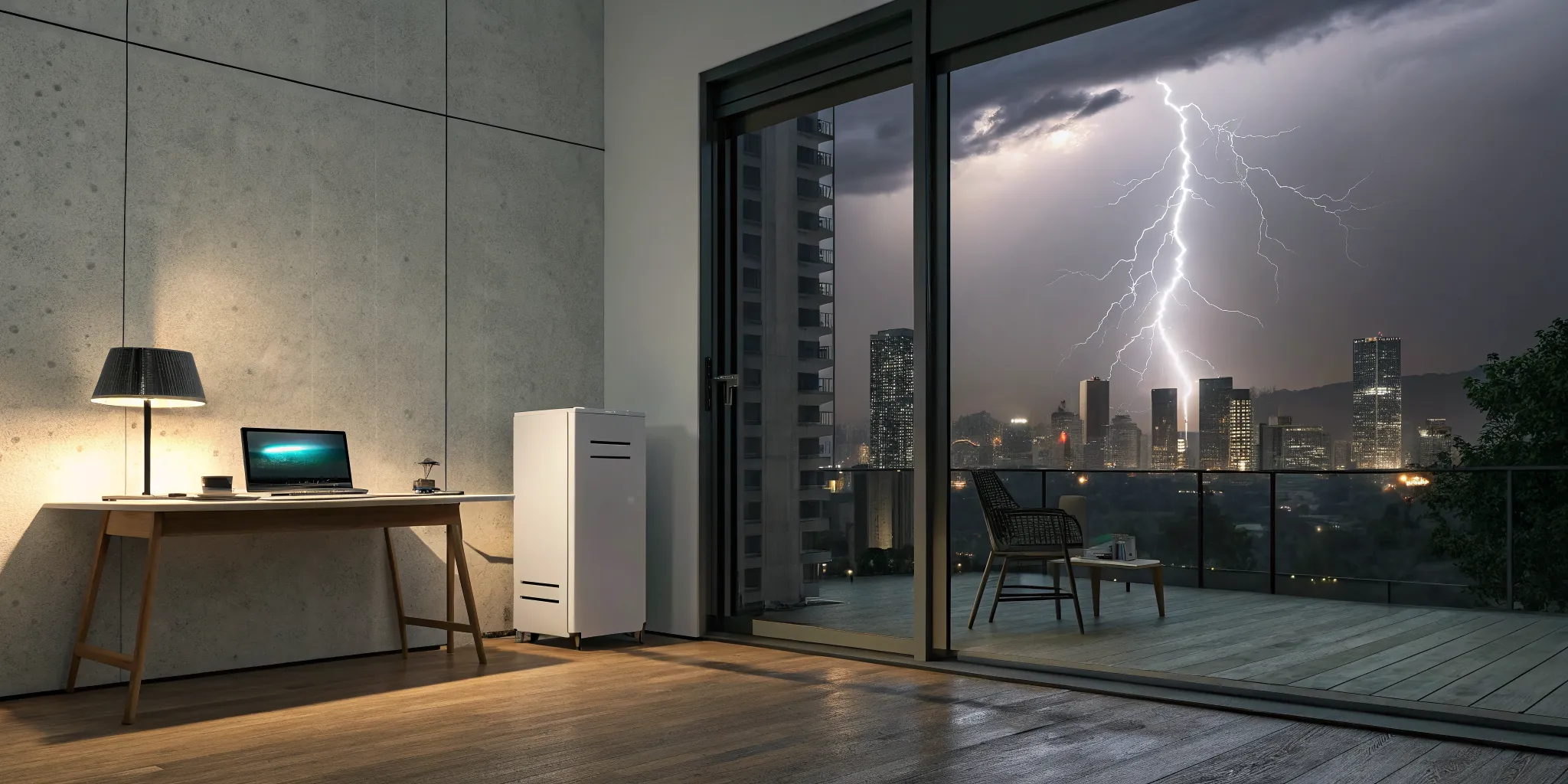
Many homeowners are surprised to learn their solar panels won't work during a blackout. For safety reasons, most solar systems are designed to shut down when the grid goes dark. This is where a power outage battery backup becomes the missing piece of your energy independence puzzle. By pairing a battery with your solar array, you create a self-sufficient microgrid for your home. Your panels can continue to generate and store clean energy, keeping your lights on and your home running, no matter what’s happening with the utility lines. Let's explore how this powerful duo works.
Key Takeaways
- Keep Your Home Running Through Outages: A battery backup delivers instant, quiet power when the grid fails, keeping your essentials on without the hassle of a generator. It is also what allows your solar panels to continue working during an outage.
- Take Charge of Your Utility Costs: Storing your own solar energy or cheaper off-peak power lets you use it when electricity rates are highest. This reduces your reliance on the utility company and gives you more control over your monthly bills.
- Choose a System That Fits Your Life: The best battery is the one tailored to you, so start by deciding what you need to power. Focusing on key features like capacity, power output, and solar compatibility will help you find your perfect match.
What Is a Power Outage Battery Backup?
Think of a power outage battery backup as a giant, rechargeable power bank for your home. It’s a system designed to store electricity and automatically deliver it to your home when the main power grid goes down. Unlike small portable chargers for your phone, a home battery backup system is powerful enough to run essential appliances, lights, and medical devices, keeping your life uninterrupted during an outage.
These systems are designed to provide electricity for a set amount of time, which depends on the battery's capacity and how much power your connected devices need. Whether you want to keep just the refrigerator and Wi-Fi running or power a larger portion of your home, you can find a system that fits your needs. For homeowners in California, where power outages can be a frequent concern, having a reliable backup source offers incredible peace of mind and security. It ensures your home remains a safe and functional sanctuary, no matter what’s happening with the grid.
How Does It Work?
The magic of a battery backup system lies in its simplicity. The system charges by drawing electricity from your home’s electrical panel or, even better, from your solar panels. This energy is then stored in the battery, ready for when you need it most. The entire process is managed by smart technology that constantly monitors your home's connection to the power grid.
When the system detects a power outage, it instantly and seamlessly switches over to battery power. The transition is so quick you might not even notice the grid went down, except for the fact that your lights are still on. This ensures your essential appliances and devices stay operational, allowing your home to remain functional when it matters most. By pairing it with solar panels, you can even recharge your battery during the day, creating a truly self-sufficient energy solution.
Battery Backup vs. Generator: What's the Difference?
While both battery backups and traditional generators provide power during an outage, they work in very different ways. A generator creates electricity by burning fuel like gasoline or natural gas. This process can be noisy, produces exhaust fumes, and requires you to keep a supply of fuel on hand. Generators also need regular maintenance to ensure they’ll start when you need them.
A home battery backup, on the other hand, functions silently and without any emissions. It stores energy instead of creating it, offering a cleaner and quieter solution. Because they can be charged with renewable energy from solar panels, battery systems align perfectly with a sustainable lifestyle. This reflects a modern approach to energy that prioritizes both reliability and environmental responsibility, giving you security without the noise and pollution of a generator.
Why You Need a Battery Backup in California
Living in California means enjoying beautiful weather, but it also comes with a unique set of energy challenges. From seasonal wildfires to an aging power grid, the reality is that power outages are becoming more common. A battery backup system isn't just a convenience; it's a powerful tool for securing your home's energy supply and taking control of your utility bills. Think of it as your personal energy reserve, ready to kick in when you need it most and save you money when you don't. It offers peace of mind that is hard to put a price on, ensuring your family stays safe and comfortable no matter what's happening with the grid.
Bracing for California's Power Outages
With frequent power outages becoming the norm, a reliable backup plan is more important than ever for homeowners. A battery backup is an energy storage system designed to keep your home’s essential appliances and devices running when the grid goes down. Instead of fumbling for flashlights, you can maintain a sense of normalcy. Your lights stay on, your refrigerator keeps running, and your Wi-Fi remains connected. Modern, scalable battery solutions can connect directly to your home and power an entire household, including HVAC systems, for days at a time. This ensures your home remains a safe and comfortable haven during extended outages, providing security when you need it most.
Gain Energy Independence and Control Utility Costs
Beyond outage protection, a battery backup system gives you a new level of energy independence. When you pair it with one of our solar solutions, you can store the clean energy your panels produce during the day and use it at night or during peak hours when electricity rates are highest. This strategy helps you stabilize energy costs and reduce your reliance on the utility company. For both residential and commercial property owners, this means significant long-term savings and greater control over your monthly expenses. It’s like having an automatic backup generator, but without the noise or dirty fuel, giving you clean, quiet, and reliable power on your own terms.
Exploring the Types of Battery Backup Systems
When you start looking into battery backups, you’ll quickly realize it’s not a one-size-fits-all solution. The right system for you depends entirely on your goals. Are you just trying to keep your phone charged and the Wi-Fi on, or do you want to run your entire home without interruption when the grid goes down? Understanding the different types of systems is the first step toward finding the perfect match for your needs.
From small, portable units to comprehensive systems that integrate with your home’s electrical panel, each option offers a different level of power and convenience. Think of it as choosing a vehicle: a scooter is great for quick trips around the block, but you’ll need an SUV for a family road trip. We’ll walk through the main categories, from portable power stations to whole-home and solar-integrated storage, so you can confidently decide which path to energy independence is right for you.
Portable Power Stations
Think of portable power stations as supercharged battery packs. They are standalone, rechargeable units with built-in outlets that you can use to plug devices directly into. These are fantastic for keeping small electronics running for hours, like your laptop, phone, and internet router. Some larger models can even power a small appliance like a mini-fridge or a TV.
Their biggest advantage is their grab-and-go nature. You can easily move them from room to room or even take them with you on a camping trip. However, they are a temporary fix. A portable station won’t power your home’s built-in lighting, your central air conditioning, or your refrigerator. They are a great entry point for emergency preparedness but aren’t designed for whole-home support.
Whole-Home Battery Systems
A whole-home battery system is a more permanent and powerful solution. This type of system is professionally installed and integrates directly with your home’s electrical panel. It’s an energy storage system designed to keep your home’s essential appliances and devices running automatically when the grid goes down. You won’t have to fumble for flashlights or extension cords; the power transition is seamless.
These systems provide true security and peace of mind, ensuring your refrigerator stays cold, your lights stay on, and critical medical equipment remains operational. It’s like having your own personal power grid on standby. For homeowners looking for reliable, hands-off protection during an outage, a whole-home system is a game-changer for your residential property.
Solar-Integrated Storage
This is where battery backup truly shines, creating a powerful cycle of energy independence. A solar-integrated system pairs a whole-home battery with a rooftop solar panel installation. During the day, your solar panels generate electricity. Any excess power you don’t use is stored in your battery instead of being sent back to the grid. Then, you can use that stored energy at night or, most importantly, during a power outage.
Many people are surprised to learn that most solar solutions don't work during an outage unless they are paired with a battery. Without a battery, grid-tied solar systems are required to shut down for safety reasons. By adding a battery, you create a self-sufficient ecosystem where your panels can continue generating and storing power, keeping your home running for days.
What Can You Power During an Outage?
When the power goes out, the first question on everyone’s mind is, "What still works?" With a home battery backup, the answer can be surprisingly reassuring. A modern battery system isn't just for keeping a single lamp on; it’s designed to seamlessly power the parts of your home you rely on most. The key is understanding that you get to decide what stays on. During your system's design, you'll identify "essential loads," which are the circuits your battery will prioritize during an outage.
This could be anything from your refrigerator to your home office setup. While a smaller battery might focus on the absolute basics, a larger system, especially one paired with solar panels, can power a significant portion of your home for an extended period. This capability provides more than just convenience; it offers genuine security and peace of mind, knowing your family can remain safe and comfortable no matter what’s happening with the grid. Our approach involves a personalized consultation to help you determine exactly which appliances and systems are most critical for your household. This ensures your battery backup is perfectly tailored to your needs when you need it most.
Keeping Your Essential Appliances Running
A backup battery is an energy storage system designed to keep your home’s essential appliances and devices running when the grid goes down. First on the list for most people is the kitchen. With a battery backup, you can keep your refrigerator and freezer running, preventing hundreds of dollars worth of food from spoiling. You can also power smaller appliances like your microwave to heat up meals, a coffee maker to get your morning started, or an electric kettle. For anyone relying on powered medical equipment, such as a CPAP machine, a battery backup is a non-negotiable for ensuring health and safety during an outage.
Maintaining Your Home Office and Connectivity
In an age where many of us work from home, staying connected during an outage is crucial. A battery backup can easily power your internet modem and router, keeping your Wi-Fi online so you can stay in touch with family, get news updates, and continue working without interruption. You can also keep your laptop, phone, and other devices charged and ready to go. Many modern battery backup systems include an energy management app that lets you track your power usage and battery status right from your phone, giving you full control and visibility even when the grid is dark. This ensures your home office remains a productive space.
Powering Your Lights, Heating, and Cooling
Comfort and safety are paramount during a power outage, and a battery backup helps maintain both. You can keep essential lights on in key areas like the kitchen, bathrooms, and hallways, so you aren't fumbling around in the dark. Depending on the size of your system, you can also power your home’s heating and cooling. While a large central air conditioner requires a lot of energy, a battery can often run a high-efficiency furnace, a window AC unit, or ceiling fans to keep your home at a comfortable temperature. With a proper setup that includes solar solutions, a battery backup can keep these appliances running for up to a few days.
What to Look for in a Battery Backup System
Choosing the right battery backup system can feel a lot like picking out a new car. You wouldn't buy a two-seater sports car for a family of five, and you probably wouldn't choose a minivan for serious off-roading. It’s all about matching the features to your specific needs. When you start comparing battery systems, you’ll see a lot of technical terms that can feel overwhelming. But don't worry, I'm here to walk you through the seven key features to look for. Understanding these will help you feel confident in your decision and find the perfect fit for your home.
From how long it will last during an outage to how it integrates with solar panels, each feature plays a vital role in creating a reliable and efficient energy solution. We'll cover capacity, battery chemistry, power output, and more. By the end of this section, you'll have a clear checklist to help you select a battery backup that gives you true energy independence and peace of mind. Let's get started.
How Long Will It Last? (Capacity and Runtime)
The first question on everyone's mind is, "How long will it keep my lights on?" The answer lies in the battery's capacity, which is measured in kilowatt-hours (kWh). Think of capacity as the size of your battery's fuel tank; a higher kWh means more stored energy. However, the runtime isn't a fixed number. It depends entirely on how much power you're using. If you're only running a few lights and your fridge, your battery will last much longer than if you're also powering an air conditioner. A professional installer can help you calculate your needs to ensure your system can power your essential devices for as long as you need during an outage.
Built to Last: Understanding Battery Chemistry and Lifespan
Not all batteries are created equal, and their internal chemistry makes a huge difference in performance and safety. Most modern home battery systems use a type of lithium-ion chemistry, with Lithium Iron Phosphate (LFP) being the gold standard. LFP batteries are known for their superior safety, stability, and long lifespan. A battery's life is measured in cycles, where one cycle is a full charge and discharge. High-quality batteries are typically warrantied for 10 years or thousands of cycles, making them a reliable power source for years to come. This durable chemistry is a key component of our solar solutions, ensuring your investment is protected.
Will It Power Your Devices? (Output and Compatibility)
While capacity tells you how much energy is stored, power output tells you how much electricity the battery can deliver at one time. Measured in kilowatts (kW), this determines which devices you can run simultaneously. For example, a battery might have a large capacity (10 kWh) but a low power output (3 kW), meaning it can power a few small things for a long time. A system with a higher output, say 6 kW, can run more demanding appliances like a well pump or an AC unit. It’s crucial to match the output to the needs of your residential household to avoid issues when you need power most.
Choosing the Right Inverter: Pure vs. Modified Sine Wave
The inverter is the part of your system that converts the DC power stored in the battery to the AC power your home uses. There are two main types: pure sine wave and modified sine wave. Pure sine wave inverters produce clean, high-quality electricity that is identical to what you get from the grid. This is essential for running sensitive electronics like computers, modern refrigerators, and medical equipment without risking damage. Modified sine wave inverters are cheaper but produce a "choppier" electrical signal that can harm certain devices. For a whole-home system, a pure sine wave inverter is the only way to go, reflecting a commitment to quality components in our approach.
Seamless Power: Why Automatic Switchover Matters
One of the best features of a modern battery backup system is its ability to switch on the instant the grid goes down. This is handled by an automatic transfer switch. The transition is so seamless that you might not even notice your lights flicker. You won't have to go outside in the dark to flip a switch or start a generator. Your power stays on, your Wi-Fi keeps running, and your daily life continues without interruption. This instant-on capability is a core requirement for a truly reliable battery backup and provides incredible peace of mind, especially during California's unpredictable outages.
Take Control with Smart Monitoring and Management
Modern battery systems come with powerful and user-friendly apps for your smartphone or computer. These energy management tools give you a real-time look at your home's energy ecosystem. You can track your battery's charge level, see how much power your solar panels are producing, and monitor your home's overall energy consumption. Some apps even send you alerts when an outage occurs or when your battery is fully charged. This level of control and insight allows you to make smarter energy decisions and truly manage your power. It's as intuitive as the tools we provide, like our 3D Home Visualizer.
Planning for the Future: Scalability and Solar Integration
Your energy needs might change over time. You might buy an electric vehicle, add an extension to your home, or simply find you want more backup capacity. That's why scalability is so important. Many systems are modular, meaning you can easily add more battery units to increase your storage capacity later on. It's also critical that your system is designed to integrate perfectly with solar panels. Pairing your battery with solar allows you to store the free, clean energy you generate during the day and use it at night or during an outage, creating one of our truly independent solar solutions.
A Look at Top Battery Backup Brands
Once you know what features you need, it’s time to look at the brands that bring these systems to life. The battery backup market has grown significantly, giving you plenty of great choices. At AMECO, we partner with the industry’s most trusted manufacturers to ensure you get a reliable and high-performing system. Our focus is on providing battery backup solutions that offer security and peace of mind. Let's explore some of the top players in the space, from systems that can power your entire home to more targeted options.
Leading Whole-Home Options
For homeowners who want comprehensive, uninterrupted power, whole-home systems are the gold standard. Brands like Tesla and Enphase are leaders in this category, offering powerful batteries that integrate directly with your home’s electrical panel and solar array. Think of a home backup battery as an automatic, clean-energy generator. When the grid goes down, it kicks in instantly to keep everything from your lights to your refrigerator running. These systems are designed to work seamlessly with your solar solutions, storing excess energy during the day so you can use it anytime, giving you true energy independence and security.
Reliable Portable and Mid-Range Options
If you don't need to power your entire house, there are excellent mid-range and even portable options available. Brands like FranklinWH offer sleek, wall-mounted units that blend right into your garage or utility space. These systems are perfect for running essential circuits, like your home office, kitchen appliances, and medical devices. A mid-range battery might offer around 5 to 10 kWh of capacity, which is plenty to get you through a typical outage without skipping a beat. These systems provide a fantastic balance of performance and affordability, and you can always start with one and add more later. You can use our estimate calculator to get a better idea of what size system fits your needs and budget.
How Much Does a Power Outage Battery Backup Cost?
Let's talk about the elephant in the room: the price tag. A home battery backup system is a significant investment, and it’s smart to understand the costs involved before you commit. The final price depends on several factors, including the battery's capacity, brand, and the complexity of the installation.
However, thinking about the upfront cost is only half the story. It’s also important to consider the long-term savings and the invaluable peace of mind that comes with having a reliable power source. Plus, a variety of financial incentives are available that can make installing a battery system much more affordable. Let's break down what you can expect.
Weighing the Upfront Cost vs. Long-Term Savings
The initial cost of a home battery backup can feel daunting, but its real value becomes clear over time. Think of it less as an expense and more as an investment in your home's security and your family's comfort. During an outage, a battery system can keep your essential devices running, from the refrigerator and medical equipment to your home office Wi-Fi. This isn't just about convenience; it's about maintaining normalcy when the grid is down.
Unlike a noisy, fuel-dependent generator, a battery provides silent, automatic power without ongoing fuel costs or fumes. Over the years, this adds up to significant savings and less hassle. When you factor in the ability to store cheap, off-peak energy or your own solar power, you gain more control over your utility bills. It’s about having peace of mind, knowing your home is protected.
How to Save with Incentives and Tax Credits
You don’t have to cover the entire cost of a battery system on your own. Several programs are available to make energy storage more accessible for homeowners. The most significant is the federal Residential Clean Energy Credit, which allows you to claim a credit for 30% of the cost of a new battery storage system with a capacity of 3 kilowatt-hours or more.
Here in California, homeowners may also qualify for the state’s Self-Generation Incentive Program (SGIP), which offers a rebate for installing a new battery. These incentives can substantially reduce your initial investment. Understanding and applying for these programs can feel complex, but our team follows an approach that handles the details for you, ensuring you get every available credit and rebate.
Battery Backup vs. Generator: Which Is Better for You?
When the power goes out, having a backup plan is essential. For years, the go-to solution was a generator, but now, home battery backups present a modern, compelling alternative. So, which one is right for you? A generator works by burning fuel, like gasoline or natural gas, to create electricity on the spot. Think of it as a personal power plant you can fire up when you need it. A
While both can keep your lights on, they operate very differently. Generators require regular maintenance, a steady supply of fuel, and manual startup (unless you have a more expensive standby model). They're also noisy and produce exhaust fumes, which means you need to place them carefully. Batteries, however, are quiet, produce no emissions, and kick in automatically. The best choice depends on your priorities, from maintenance and noise levels to long-term energy costs and environmental impact. Let's look at what makes a battery backup system such a strong contender, especially for California homeowners.
The Upside of Battery Backup Systems
The biggest draw for many homeowners is how seamlessly a battery backup fits into daily life. Unlike a loud, gas-powered generator, a battery system is silent and produces no fumes. It provides security and peace of mind, acting as an automatic backup without the noise or dirty fuel. When the grid goes down, the switch is instantaneous; you might not even notice the power went out. Plus, modern systems have a sleek, wall-mounted design that blends right into your garage or utility space. When paired with solar solutions, a battery can store the clean energy you produce during the day, giving you power through the night and helping you save on utility bills.
What to Consider Before Choosing a Battery
Before you choose a battery, think about what you truly need during an outage. Do you want to keep just the essentials running, like the refrigerator and Wi-Fi, or power more of your home? Your answer determines the capacity you’ll need. Next, consider your charging source. A battery backup can draw power from the grid, often during cheaper off-peak hours, or it can store energy from your solar panels. Most systems also include a handy management app that lets you track your energy usage and see how much backup power you have left. Ultimately, the system should operate automatically, giving you a reliable source of power without any extra effort when the grid is unstable.
Debunking Common Myths About Battery Backups
When you start researching battery backups, you’ll find a lot of information out there, and not all of it is accurate. It’s easy to get tangled up in misinformation that can make the decision feel more complicated than it needs to be. Let’s clear the air and tackle some of the most common myths head-on. By separating fiction from fact, you can get a much clearer picture of what a battery backup can do for your home and your peace of mind.
Myth: "My Solar Panels Will Work During an Outage."
This is one of the most common and surprising misconceptions for new solar owners. The truth is, most grid-tied solar panel systems are designed to automatically shut down during a power outage. This is a critical safety feature called "anti-islanding," which prevents your system from sending electricity back to the grid and potentially harming utility workers making repairs. Your solar panels will only continue to power your home during an outage if they are paired with a battery backup system. The battery safely disconnects your home from the grid, creating your own personal microgrid and allowing you to use the solar energy you’re generating.
Myth: "They're Too Expensive to Be Worth It."
While there is an upfront investment, framing a battery backup as just an expense misses the bigger picture. Think of it as an investment in security, comfort, and energy independence. During an outage, a battery keeps your lights on, your food fresh, and your essential devices running. Beyond outage protection, a battery can also help you save money on your utility bills by storing cheap solar energy to use during expensive peak hours. When you consider the cost of spoiled groceries, lost work, or simply the stress of being without power, the value of a reliable battery system becomes much clearer.
Myth: "All Battery Systems Are Basically the Same."
This couldn't be further from the truth. Battery backup systems vary significantly in capacity, power output, chemistry, and features. Capacity determines how much energy the battery can store, which translates to how long it can power your home. Power output dictates which appliances it can run simultaneously. Some systems are designed to back up a few essential circuits, while others can power your entire house. The right system for you depends entirely on your specific needs and goals. That’s why a customized approach is so important to ensure you get a solution that perfectly fits your home and lifestyle.
Myth: "Batteries Require a Lot of Maintenance."
Unlike traditional generators that need fuel, oil changes, and regular tune-ups, modern home battery systems are remarkably low-maintenance. They are quiet, self-contained units with no moving parts to service. Once professionally installed in a suitable location like a garage, a battery operates automatically in the background, ready to kick in the moment you need it. The system’s software manages its health and performance, and you can often monitor it from a simple smartphone app. This "set it and forget it" convenience is a major reason why so many homeowners are choosing to pair solar solutions with battery storage.
Is a Solar Battery Backup Right for You?
Deciding on a solar battery backup often comes down to one simple question: How much is your peace of mind worth? For many homeowners, adding a battery backup isn’t about preparing for a far-fetched, worst-case scenario. It’s about knowing you have a reliable source of power for your daily life, especially when the grid is unpredictable. A backup battery is an energy storage system designed to keep your home’s essential appliances and devices running when the grid goes down. This means you can keep the lights on, the refrigerator cold, and your essential medical devices powered during an outage, without a second thought.
Beyond just emergencies, a battery system helps you manage your energy usage more effectively. It stores the excess solar power your panels generate during the day so you can use it at night. This strategy is particularly smart for dealing with California's time-of-use utility rates, allowing you to draw from your own stored energy when grid prices are highest. This gives you more control over your monthly bills and reduces your reliance on the utility company. Ultimately, a home backup battery provides security and a greater sense of control over your home's energy. It’s about creating a more resilient and independent home, ready for whatever comes its way.
How to Find the Right Size System for Your Home
Finding the right size battery system is less about getting the biggest one available and more about matching it to your specific needs. Start by thinking about what you absolutely need to power during an outage. Is it your refrigerator and a few lights? Or is it your entire home office, including your Wi-Fi router? Make a list of these "must-have" appliances. A professional can help you perform an energy audit to determine the exact power requirements. Most modern systems also include a handy energy management app that lets you track your battery’s charge and monitor your power flow right from your phone, giving you complete visibility and control.
The Power Duo: Pairing Solar Panels with Battery Storage
Here’s a common misconception: many people assume their solar panels will keep the power on during an outage. In reality, most grid-tied solar systems are designed to shut down when the grid goes offline. This is a safety measure to protect utility workers from energy feeding back into the lines they're repairing. This is where a battery backup becomes essential. When you pair your solar panels with a battery, you create a self-sufficient microgrid for your home. Your panels charge the battery during the day, and the battery provides power to your home when the sun goes down or the grid fails, giving you true energy independence.
Related Articles
- Solar Battery Backup for Home: A Complete Guide
- 6 Best Home Battery Backup Systems for CA Homes
- The Ultimate Guide to Battery Backup for Home Appliances
- The Real Cost to Add Battery to Solar System
- Solar Battery vs Generator: Which One Is Better for Your Home? | AMECO Solar
Frequently Asked Questions
I already have solar panels. Do I still need a battery for power outages? This is a great question, and the answer surprises many solar owners. For safety reasons, most solar panel systems are designed to automatically shut down during a grid outage. This prevents them from sending power back to the grid where workers might be making repairs. A battery backup is the key to unlocking your solar power when the grid is down. It safely disconnects your home from the utility, creating a personal microgrid so your panels can continue to generate and store electricity, keeping your home powered.
Why should I choose a battery backup instead of a traditional generator? While a generator can certainly provide power, a battery backup offers a much more seamless and pleasant experience. Battery systems are completely silent and produce no exhaust fumes, so you can install them in a garage without worrying about noise or ventilation. They also switch on automatically the moment an outage occurs, so you might not even notice the grid went down. Generators, on the other hand, are noisy, require a steady supply of fuel, and need regular maintenance to ensure they will start when you need them.
How long will a battery keep my power on during an outage? The runtime of a battery isn't a single number; it depends on two things: the battery's capacity (how much energy it can store) and how much power you are using. If you are only running essential items like your refrigerator, lights, and Wi-Fi, a standard battery can last for many hours or even a full day. If you add heavy-duty appliances like an air conditioner, the runtime will be shorter. During a consultation, we can help you calculate your specific needs to ensure your system provides power for as long as you need it.
Will a battery backup power my entire house during an outage? It certainly can, but it doesn't have to. You have the flexibility to decide what gets power. Some homeowners choose a larger system capable of running their entire home just as it would normally. However, a more common approach is to connect the battery to your home's most essential circuits. This could include your kitchen for the refrigerator and microwave, your home office for the Wi-Fi, and key lights and outlets. This strategy maximizes your battery's runtime and ensures your most critical needs are always met.
Are there any programs that make a battery backup system more affordable? Yes, absolutely. You don't have to bear the full cost alone. The federal government offers a Residential Clean Energy Credit, which allows you to claim a tax credit for 30% of the total cost of your battery storage system. Additionally, California has its own program called the Self-Generation Incentive Program (SGIP), which provides a direct rebate to homeowners who install a new battery. These incentives can significantly reduce your upfront investment, making energy independence much more attainable.


.svg)
