


A Beginner's Guide to Solar System Planning
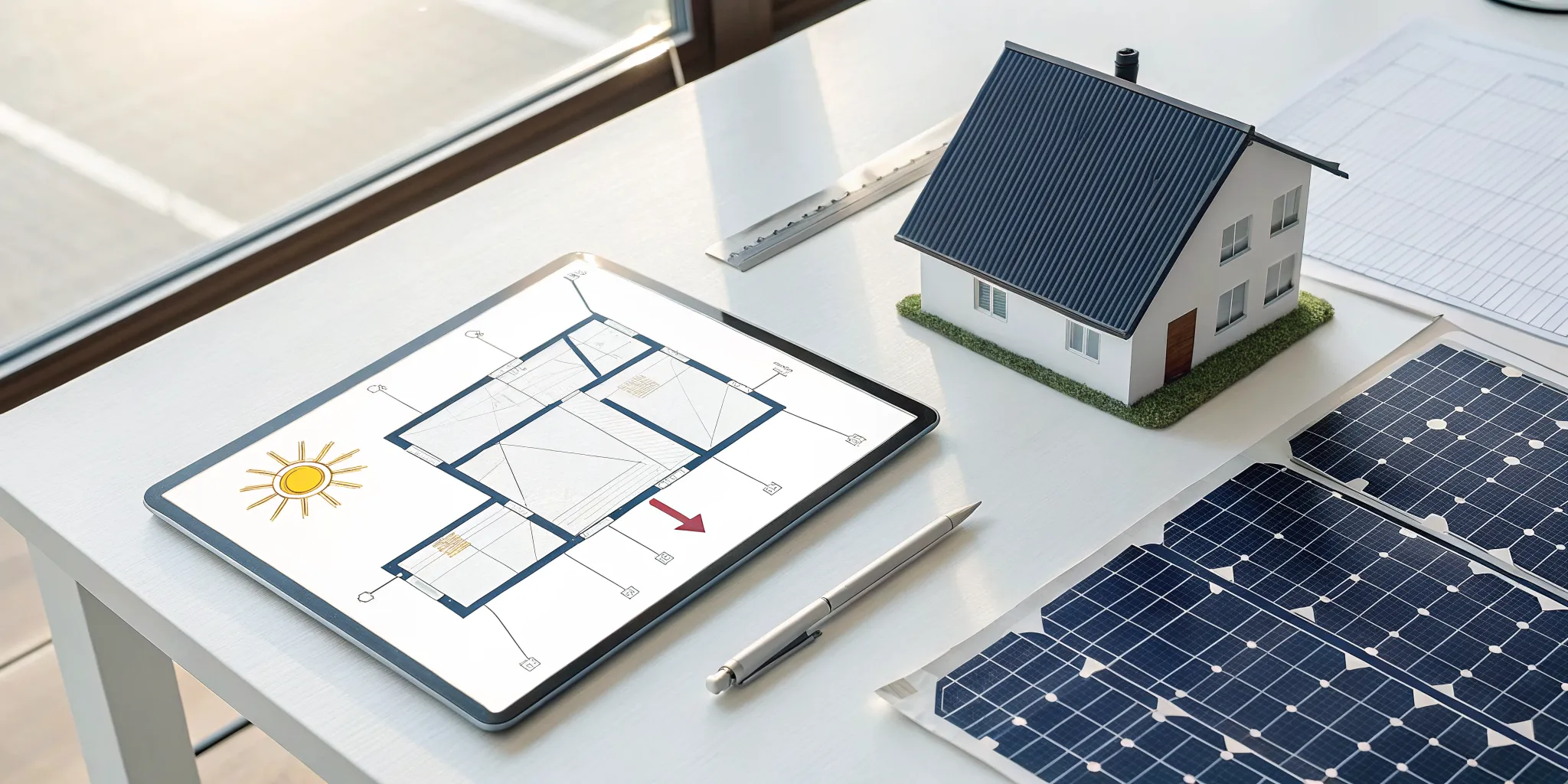
Your home’s energy needs are likely to change over time. Maybe you’ll buy an electric vehicle, add a home office, or simply find your family growing. A great solar system shouldn’t just meet your needs today; it should be ready for your future. This forward-thinking strategy is at the heart of effective solar system planning. It’s about designing a system with enough capacity to handle what’s next, ensuring you don’t have to make expensive upgrades down the road. By planning for future growth and considering options like battery storage, you can create a resilient energy solution that will serve your family for decades to come.
Key Takeaways
- Assess your home and energy use first: Before you talk to an installer, review a full year of your electricity bills to find your average usage and check your roof's age and condition to see if it needs repairs.
- Match your system to your lifestyle: Decide what you want most from solar, whether it's lower monthly bills with a grid-tied system or blackout protection with a hybrid battery backup, so you can choose the right technology.
- Understand the full financial picture: Look beyond the initial price tag by factoring in the 30% federal tax credit and potential utility rebates to see your true cost, and choose a qualified installer who can help you with the details.
What Is Solar System Planning?
Think of solar system planning as creating the blueprint for your home’s energy future. It’s the essential first step where you and a solar professional map out a system tailored specifically to your household. This process goes far beyond just picking out solar panels. It involves a careful analysis of your daily energy consumption, a thorough assessment of your property’s potential for generating solar power, and the strategic selection of all the right components, including panels, inverters, and even battery backup systems.
A well-thought-out plan ensures your solar installation is efficient, effective, and built to meet your goals, whether that’s lowering your electricity bills or keeping the lights on during a blackout. It’s about understanding the complete picture of your energy habits and your home’s unique characteristics. By taking the time to plan properly, you set the foundation for a system that will serve you well for decades. This detailed preparation is central to our approach and is the best way to guarantee your transition to solar energy is smooth and successful.
Why Plan Your Solar Project?
Jumping into a solar project without a solid plan is like building a house without a blueprint. You might end up with something that doesn’t quite work for you. Proper planning helps you avoid common pitfalls like unexpectedly high costs, poor energy production, and long-term frustration. Before you even think about system size, it’s wise to evaluate your home’s electricity use. Making simple energy-efficient upgrades first can often reduce the size, and therefore the cost, of the solar system you actually need. A good design ensures every dollar you invest works harder for you, maximizing your energy production and your return on investment.
What's the Planning Timeline?
The timeline for planning and installing a solar system can vary, but it’s helpful to know the key stages. The process generally begins with an initial consultation and site assessment, followed by system design. Once you approve the design, the next major step is permitting. Most cities and counties require permits for solar installations, which involves submitting detailed plans for review. After the permits are approved, the installation can begin. The final step is a city inspection and receiving "Permission to Operate" (PTO) from your utility company. Your solar installer can provide a more specific timeline based on your location and the complexity of your project for residential customers.
How to Assess Your Home's Energy Needs
Before you can design the right solar system, you need a clear picture of how much electricity your home actually uses. Think of it as creating a budget for your energy. This step is all about gathering the data that will inform every other decision you make, from the number of panels you need to the size of your inverter. By understanding your consumption patterns, you can ensure your solar investment is perfectly tailored to your lifestyle, both now and in the future. It’s the foundational step that puts you in control of your energy journey and helps you have a productive conversation with a solar professional. Getting this right from the start prevents you from overspending on a system that’s too large or being disappointed by one that’s too small.
Calculate Your Daily Energy Use
Your first move is to become an energy detective. Grab your electricity bills from the past 12 months. Looking at a full year is key because it shows you the complete story of your energy use, capturing those hot summer months when the AC is running full blast and the cooler winter days. On your bill, find your usage listed in kilowatt-hours (kWh). This number tells you how much power you consumed. Add up the kWh from all 12 months and divide by 365 to get your average daily use. Also, think about what’s ahead. Are you planning to buy an electric vehicle or add a hot tub? Factoring in future energy needs for your residential home ensures your system can keep up with your life.
Account for Seasonal Changes
Living in California means we get plenty of sunshine, but the amount of solar energy your panels can capture changes with the seasons. This is where a concept called "Peak Sun Hours" comes in. It isn’t just the number of hours the sun is in the sky; it’s a measure of how much solar energy hits your roof at its most intense. For example, the long, direct sunlight of a summer afternoon provides more energy than the lower, angled light of a winter morning. Understanding these seasonal shifts is crucial for accurately estimating how much power your solar panels will generate throughout the year and ensuring you have enough energy during the shorter days of winter.
Plan for Future Energy Needs
A good solar plan doesn't just meet your current needs, it anticipates your future ones. A helpful guideline is the "20% rule," which suggests designing your system to produce about 20% more energy than your home currently uses. This extra capacity acts as a smart buffer. Maybe your family will grow, you’ll start working from home permanently, or you’ll decide to add a major appliance. This 20% cushion ensures your system can handle those changes without needing an expensive upgrade. It’s a forward-thinking approach that also prepares you for adding a battery backup system down the road for even greater energy independence.
What to Evaluate About Your Property
Before you start picking out panels, it's time for a quick home check-up. Your property has a few key features that will directly influence how well your solar system performs and how smoothly the installation goes. Think of it like finding the perfect spot in your garden for a sun-loving plant. You need to look at the foundation (your roof), the amount of sunlight it gets, and the direction it faces. Getting these details right from the start sets you up for a successful solar project and maximum energy savings down the road.
Assess Your Roof's Condition and Age
This is a big one. If your roof is getting close to the end of its 20- or 30-year lifespan, it’s much smarter to replace it before installing solar panels. Taking panels off to fix a leaky or old roof and then putting them back on is an extra cost and headache you can easily avoid. A sturdy, reliable roof is the best foundation for your solar investment. Since we have over 50 years of combined experience in both solar and roofing solutions, we can help you figure out if your roof is ready for panels or if an upgrade makes more sense. A quick inspection can save you a lot of trouble later.
Analyze Shade and Sun Exposure
Your solar panels need sunlight to work, so any shade from trees, chimneys, or nearby buildings can reduce their energy production. Even a small shadow falling across one panel can affect the output of the entire string of panels it's connected to. While you can get a general idea by observing your roof throughout the day, a professional site evaluation is the best way to get a precise analysis. We use special tools to map the sun’s path over your home for the entire year, identifying any potential shade issues. This is a key part of our approach to designing a system that gets the most sun exposure and generates the most power for your home.
Check Your Roof's Orientation and Structure
The direction your roof faces matters. Here in California, a south-facing roof is the gold standard because it gets the most direct sunlight throughout the day. But don’t worry if your roof faces east or west; those orientations are also great for solar. We design custom solar solutions that work for your specific roofline, ensuring you capture plenty of sun during peak usage hours. Just as important is your roof's structural integrity. It needs to be strong enough to hold the weight of the panels, and as part of our assessment, we’ll make sure your roof is structurally sound and ready for installation.
What Are the Different Types of Solar Systems?
Once you know your energy needs and what your property can handle, it’s time to think about the type of solar system that fits your goals. Solar systems aren't a one-size-fits-all solution, and the right setup for you depends entirely on what you want to achieve. Are you primarily looking to lower your monthly utility bills and reduce your carbon footprint? Or is your main concern having a reliable power source during California's frequent blackouts? Maybe you're building a home in a remote area and want complete energy independence.
Each of these goals points to a different type of solar installation. A system designed for maximum cost savings will look different from one built for total self-sufficiency. Understanding the core differences between grid-tied, hybrid, and off-grid systems is the most important step in making a confident choice that aligns with your lifestyle, budget, and long-term plans. It ensures you invest in a system that not only works for your home but also delivers the specific benefits you care about most. Let's walk through the three main options so you can see which one is the perfect match for you.
Grid-Tied Systems
Grid-tied systems are the most common choice for homeowners. With this setup, your home is connected to both your solar panels and your local utility’s power grid. When the sun is shining, you use the clean energy your panels produce. At night or on cloudy days, you automatically draw power from the grid, so you never have to worry about running out of electricity.
One of the biggest advantages of a grid-tied system is its simplicity and lower upfront cost, since you don’t need to purchase batteries. Plus, if your panels generate more power than you use, you can often send that excess energy back to the grid for credits on your bill. The main thing to remember is that if the grid goes down, your solar solutions will too for safety reasons.
Hybrid Systems with Battery Backup
A hybrid system gives you the best of both worlds. Like a grid-tied system, it’s connected to the utility grid, but it also includes a battery. This allows you to store the extra solar energy your panels produce during the day instead of sending it all back to the grid.
Having a battery backup means you can use your own stored solar power at night, reducing your reliance on the utility company and protecting you from peak electricity rates. More importantly, if a blackout hits your neighborhood, your battery can keep your essential appliances running without interruption. This option is perfect if your main goals are energy independence and peace of mind.
Off-Grid Systems
An off-grid system makes your home completely independent from the utility grid. All the electricity you use comes directly from your solar panels and is stored in a large battery bank. This is the ultimate solution for energy independence, but it requires careful planning.
Because you can’t fall back on the grid, an off-grid system must be designed to meet 100% of your energy needs, even during long stretches of cloudy weather or the short days of winter. This usually means you’ll need more panels and a larger battery capacity than you would for a hybrid system. While less common for homes in cities and suburbs, going off-grid is a fantastic option for remote properties where connecting to the grid is either impossible or incredibly expensive. Our customized approach ensures your system is built for your exact needs.
How to Determine the Right System Size
Figuring out the right size for your solar system is a critical step. You want a system that’s big enough to cover your energy needs without overpaying for panels you won’t use. Sizing your system correctly helps you lower utility bills and gain energy independence, especially during power outages. It involves looking at three main factors: how much sun your home gets, how much electricity your family uses, and building in a smart buffer for the future. Let's walk through how to put these pieces together.
Find Your Location's Peak Sun Hours
First, let's talk about sunshine. "Peak sun hours" isn't just the number of hours from sunrise to sunset; it’s a measure of how many hours per day your roof receives sunlight at an intensity that’s ideal for solar production. In California, the exact amount varies by location. A great way to get a clear picture is by using an online tool. The NREL PVWatts calculator is a fantastic resource that uses your address to estimate the solar energy available to you. This number is a key ingredient for calculating how much power your panels can generate.
Match System Size to Your Energy Needs
Next, you’ll need to understand your own energy habits. The easiest way is to grab your electricity bills from the past year to find your average usage in kilowatt-hours (kWh). This gives you a solid baseline. It’s also important to think about the future. Are you planning on buying an electric vehicle or adding a pool? These additions will increase your energy consumption, so you’ll want to factor them into your plan now. A good estimate calculator can help you see how these changes affect your required system size.
Factor in Efficiency and the 20% Rule
Once you know your energy needs, it’s wise to add a cushion. A good guideline is the "20% rule," which suggests designing your system to produce about 20% more energy than you typically use. This buffer isn't about overspending; it’s about being prepared. It accounts for less sunny days, the natural decline in panel efficiency over decades, and unexpected increases in your energy use. This extra power also makes adding a battery backup system even more valuable, as you’ll have more surplus energy to store for when you really need it, like during a blackout.
What Are the Key Financials to Consider?
Thinking about going solar is exciting, but it’s also a significant financial decision. Understanding the costs, incentives, and potential savings is a critical part of the planning process. When you start looking at quotes, you’ll see a lot of numbers, but don’t let them overwhelm you. The key is to break them down into three main areas: the upfront system cost, the available tax credits and incentives that lower that cost, and the long-term savings you’ll get from programs like net metering.
A good solar partner will walk you through every line item, ensuring you have a clear picture of your investment. They’ll explain how federal and state programs can reduce your initial expense and help you understand how you’ll earn credit for the extra energy your system produces. By getting familiar with these financial pieces, you can confidently compare your options and see how a solar solution not only benefits the environment but also makes solid financial sense for your family. It’s all about seeing the complete picture, from the day of installation to the decades of energy savings ahead.
System Costs and Pricing
When you receive a quote for a solar system, it should be more than just a single price tag. A detailed proposal will break down exactly what you’re paying for. Look for the total system cost, which includes the panels, inverters, installation labor, permits, and any applicable taxes. The quote should also specify the system’s power capacity in watts (W) or kilowatts (kW) and its estimated annual energy production in kilowatt-hours (kWh). To easily compare different offers, pay attention to the cost per watt. This simple metric helps you evaluate the value you’re getting from each potential installer. You can get a preliminary idea of costs by using an online estimate calculator to start your research.
Federal Tax Credits and State Incentives
One of the biggest financial benefits of going solar is the federal Residential Clean Energy Credit. If you purchase and own your solar panel system, you can claim a tax credit for 30% of the total cost for systems installed between 2022 and 2032. This is a dollar-for-dollar reduction of your federal income tax liability, which can significantly lower the net cost of your investment. Beyond the federal credit, many states and local utilities offer their own incentives. You can explore these programs on the Database of State Incentives for Renewables & Efficiency (DSIRE). A knowledgeable solar installer will factor these savings into your proposal, showing you the true cost after all credits and rebates are applied.
Net Metering and Utility Rebates
Net metering is a billing arrangement that allows you to get credit for any excess electricity your solar panels generate and send back to the grid. When your system produces more power than your home is using, that extra energy helps power your neighbors’ homes, and your utility company credits your account. At night or on cloudy days, you can draw power from the grid and use those credits to offset the cost. The specific rules for net metering vary between utility companies and can change, so it’s important to understand your local policy. Your installer should explain how your utility’s program works and how it will impact your electricity bills and the overall payback period for your system.
What Common Planning Mistakes Should You Avoid?
Going solar is an exciting step, but a few common slip-ups can trip up even the most careful planners. Knowing what to watch for makes the process smoother and helps you get the best system for your home. By avoiding these four key mistakes, you’ll be on your way to a successful solar installation that meets your energy goals and budget.
Mistake #1: Thinking Solar Is Too Expensive
A common myth is that solar is just too expensive. While there's an initial investment, solar has become much more accessible. Thanks to technology improvements, federal tax credits, and flexible financing, the cost has dropped significantly. Instead of assuming it's out of reach, get a clear picture of the numbers for your home. An estimate calculator can give you a personalized idea of the costs and potential savings, which often makes the decision much easier.
Mistake #2: Ignoring How Shade Affects Performance
It’s easy to underestimate how much shade can impact your solar panels. Shade is the enemy of production, as even a small amount on one part of your array can reduce the output of the entire system. Before installation, observe your roof throughout the day and note any trees or buildings that cast shadows. A professional site evaluation is the best way to get an accurate assessment, as experts can map the sun’s path to find the most productive spots for your panels.
Mistake #3: Skipping Home Energy Upgrades
Jumping to solar without first looking at your home’s energy use is a missed opportunity. Before investing in a system, try to make your home more energy-efficient. Simple upgrades like sealing air leaks or switching to LED lighting can lower your electricity use. This means you might install a smaller, less expensive solar system to cover your needs. A home energy audit can help you find the most effective ways to reduce your usage, ensuring your solar investment goes further.
Mistake #4: Underestimating the Permit Process
Dealing with permits isn’t exciting, but you can’t skip it. Most cities require permits for solar installations to ensure they are safe and up to code. The process involves submitting detailed plans and passing an inspection before you can turn your system on. Trying to handle this alone can be confusing and cause delays. A qualified installer will manage all the paperwork and inspections for your solar solutions, making sure everything is done correctly and saving you a major headache.
How to Prepare Your Home for Solar Panels
Once you’ve done your research and are feeling excited about solar, it’s time to get your home ready for the switch. A little preparation can make the installation process much smoother and ensure you get the most out of your new system for years to come. Think of it as setting the foundation for your home’s energy independence. By taking a few proactive steps before the installation crew arrives, you can prevent potential delays, avoid unexpected costs, and make sure your solar investment delivers the best possible return from day one. This phase is all about making sure your property is the perfect canvas for a high-performing solar energy system.
Getting your property ready involves three key areas: optimizing your home's current energy use, ensuring your roof is structurally sound, and understanding the local permitting landscape. Addressing these elements beforehand helps streamline the entire project, from the initial system design to the final inspection. A qualified solar installer will be your partner in this, guiding you through each step. However, knowing what to expect empowers you to ask the right questions and feel confident in your decisions. Let's walk through what each of these preparation steps involves so you can feel fully prepared for your transition to clean energy.
Make Your Home More Energy-Efficient
Before you install a single panel, it’s a great idea to look at how much electricity your home currently uses. Making your home more energy-efficient can actually reduce the size of the solar system you need, which can lower your upfront costs. Simple changes like switching to LED light bulbs, sealing air leaks around windows and doors, or adding insulation can make a surprising difference in your overall energy consumption.
You can start by reviewing your past utility bills to understand your usage patterns. For a more detailed look, you might consider a home energy audit. The goal is to lower your baseline energy needs so your new solar system is sized perfectly for your lifestyle. Our solar estimate calculator can also help you get a sense of what size system you might need based on your current usage.
Consider Roof Repairs or Upgrades
Your roof is the foundation of your solar panel system, so it needs to be in excellent shape. Solar panels are designed to last for 25 years or more, and your roof should be able to support them for that entire lifespan. If your roof is aging or needs repairs, it’s far more cost-effective to handle that before the solar installation. Removing and reinstalling panels later to replace a roof is a complex and expensive job.
As a company with decades of experience in both solar and roofing solutions, we always assess the roof’s condition as a first step. We also check for things like shade from nearby trees that could impact performance and review any neighborhood or HOA rules that might apply to solar installations.
Understand Local Permitting Rules
Getting the proper permits is a critical part of any solar project. The rules for solar plan sets and permits can vary quite a bit depending on where you live. There are no single national standards, so requirements can change from state to state and even from one city or county to the next. This process typically involves submitting detailed plans of your system for approval and passing a final inspection before it can be connected to the grid.
While this might sound complicated, you don’t have to figure it out on your own. A professional solar installer will handle the entire permitting process for you. At AMECO, our approach includes managing all the necessary paperwork and inspections to ensure your project meets every local requirement. This lets you focus on the exciting parts of going solar while we handle the administrative details.
What Tools and Resources Can Help You Plan?
Planning your solar project doesn't have to be overwhelming. You have access to a variety of excellent tools and professional resources that can guide you from initial curiosity to a concrete action plan. Think of it as a three-step process: starting with online tools for a general idea, moving to a professional site evaluation for a precise assessment, and finally, partnering with a qualified installer to bring your vision to life. Each step builds on the last, giving you the confidence to make smart, informed decisions about your home’s energy future. Let's walk through the resources that will help you the most.
Use Online Calculators and Tools
A great way to begin your research is with online tools. They can give you a solid baseline understanding of your home’s solar potential without any commitment. A fantastic free resource is the NREL PVWatts calculator, which uses your address to estimate the solar energy you could generate each month. For a more tailored look, you can use an estimate calculator to get a preliminary idea of system costs and potential savings. Some companies even offer a 3D home visualizer to help you see what panels would look like on your roof. While these tools are incredibly helpful for initial planning, remember they provide estimates. The next step is to get a professional to verify the details on-site.
Get a Professional Site Evaluation
Nothing replaces having an expert physically assess your property. An on-site evaluation is where a generic estimate becomes a personalized solar plan. A professional will inspect your roof’s age and condition to determine if it needs repairs before installation, a service that is often part of comprehensive roofing solutions. They’ll also analyze your property for shading from trees, chimneys, or nearby buildings, as even small shadows can significantly impact your system’s output. This detailed assessment, which is a key part of our approach, also confirms your roof’s orientation and structural capacity. This step ensures your final system design is perfectly optimized for your home’s unique characteristics and maximizes your energy production.
Partner with a Qualified Solar Installer
Choosing the right installer is one of the most important decisions you’ll make. This is the team that will design and install your system, so you want to work with experienced professionals. A good practice is to get quotes from at least three different installers. When you review them, look for a company that is properly licensed, insured, and holds certifications from organizations like the North American Board of Certified Energy Practitioners (NABCEP). Don’t hesitate to ask for references and look at examples of their past work. A reputable installer will be transparent and ready to provide you with a portfolio of their solar solutions. Finding a trustworthy partner ensures your project is completed correctly and safely.
How to Go From Planning to Installation
You’ve done the research, assessed your home, and figured out your budget. Now it’s time for the most exciting part: turning your solar plans into a reality. This final phase is all about choosing the right team and understanding the steps that will take you from a signed contract to a powered-up system. With a clear roadmap, you can feel confident as your project moves toward the finish line.
Choose the Right Solar Installer
Selecting an installer is the single most important decision you'll make in this process. You’re not just hiring a contractor; you’re choosing a long-term partner for your home’s energy future. Start by getting quotes from at least three different companies. Look for installers who are properly licensed, insured, and certified. Don’t be shy about asking for references from past clients. A reputable company will be happy to share them. You want to find a partner who understands your goals and has a long track record of successful installations in your area. This ensures you’re working with a team that has the experience to get the job done right.
What to Expect During Installation
Once you’ve chosen your installer, they will handle most of the technical work. A good team will manage the entire permitting process with your local jurisdiction, so you don’t have to worry about the paperwork. They will also create a final design that places the panels for maximum sun exposure, ensuring your system performs at its best. The physical installation usually only takes a few days. During this time, the crew will mount the racking, install the solar panels, and connect the system to your home’s electrical panel. Your installer will also coordinate with your utility company to get everything connected to the grid.
Set Realistic Project Expectations
While the physical installation is quick, the entire process from signing to activation takes time. Most jurisdictions require permits before work can begin, and your system will need to pass a final inspection before you can officially "flip the switch." Your installer should give you a clear timeline for these administrative steps. It’s also a good idea to confirm you understand your utility’s net metering policy, which determines how you get credited for the extra energy your panels produce. A great installer provides dedicated support for residential customers and will walk you through every milestone, so you always know what to expect next.
Related Articles
- Professional Solar Installation: A Complete Guide
- Energy Saving Solar Panels: A Homeowner's Guide
- Solar Panel Home Installation Cost: What to Expect
- Solar Power | Solar Panel Installation | Ameco Solar USA
- Solar Panels for Your Business: A Complete Guide
Frequently Asked Questions
How long does the entire solar installation process usually take? While the physical installation of the panels on your roof might only take a few days, the full process from signing a contract to powering on your system is longer. The timeline includes several key steps: a final design, engineering, submitting plans for city or county permits, the installation itself, a final inspection, and getting Permission to Operate (PTO) from your utility company. The permitting and utility approval stages can vary the most, but a good installer will give you a clear and realistic timeline based on your specific location.
Is solar still a good option if my roof doesn't face south? Absolutely. While a south-facing roof is often considered the ideal for maximizing sun exposure, it's definitely not a requirement. Homes with east or west-facing roofs are also excellent candidates for solar. A well-designed system will simply place panels on those surfaces to capture the strong morning and afternoon sun. A professional site evaluation will determine the best placement for your panels to ensure great energy production, no matter which way your home is oriented.
Why is it so important to check my roof's condition before installation? Think of your roof as the foundation for your solar system. Solar panels are built to last for 25 years or more, and your roof needs to be in good enough shape to support them for that entire time. Addressing any needed repairs or replacing an old roof before the panels go on is much simpler and more affordable than having to remove and reinstall the entire system down the road. A quick roof assessment is a crucial step to protect your long-term investment.
What's the main advantage of adding a battery to my system? The biggest benefit of a battery is energy independence, especially during a power outage. While a standard grid-tied system will shut down during a blackout for safety, a system with a battery backup can keep your essential appliances running. A battery also allows you to store the excess solar energy you generate during the day and use it at night, which can help you avoid paying your utility's higher peak electricity rates.
What happens to the extra power my solar panels generate? When your panels produce more electricity than your home is using, that surplus energy is sent back to the utility grid. Through a program called net metering, your utility company gives you credit for that power. You can then draw on those credits at night or on cloudy days when your panels aren't producing as much. It’s like having an energy savings account where you can deposit power when the sun is shining and withdraw it when you need it.


.svg)
