


The Five Most Common Problems with Solar Panels
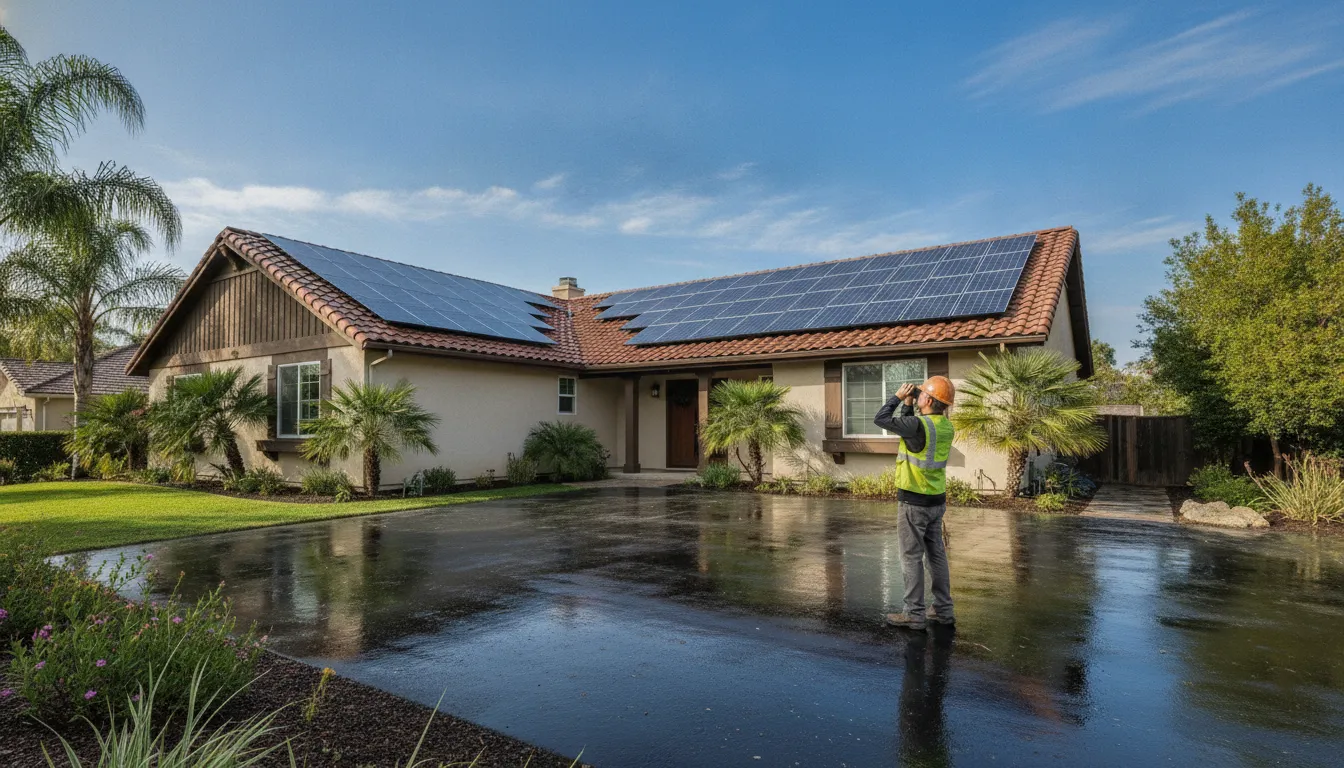
A solar system can look fine from the ground. A production change, monitoring alert, or roof leak may signal a problem. Compare performance with your system's own history. Separate normal changes from faults. California sunlight, shade, weather, soiling, equipment, and roof conditions all affect what homeowners see.
The five most common problems with solar panels usually involve installation or roof issues, lower-than-expected production, inverter or electrical faults, monitoring interruptions, and maintenance concerns. Some are preventable through careful design, weatherproofing, commissioning, and routine observation. Others require a qualified professional, especially when wiring, mounting, roof penetrations, or damaged equipment is involved. For property-specific guidance, Get An Estimate.
Understanding how these categories appear in daily use makes troubleshooting more practical and helps you know what to check safely before scheduling service. We will start by looking at what each problem means and which warning signs should not be ignored.
What are the five most common problems with solar panels?
Solar panels are only one part of a working solar array. The roof, mounting hardware, wiring, inverter, and monitoring connection all affect whether the system performs as intended. That is why a change in energy production does not automatically mean a panel has failed. Sunlight, shade, cloud cover, weather, and surface dirt can cause normal variation. The useful question is whether the change is unusual for your home and whether it continues under comparable conditions.
For homeowners, the five most common problems with solar panels and related system equipment generally fall into these categories:
- Roof and mounting problems: Aging roofing, poor attachment points, damaged flashing, or inadequate weatherproofing can create leaks or allow movement. A roof that needs attention is not a panel fault, but it can affect the entire installation.
- Electrical and inverter faults: The inverter converts the panels' direct-current electricity into usable alternating-current electricity. An alert, shutdown, tripped protection device, or visible equipment damage may indicate an electrical issue that requires professional diagnosis.
- Lower-than-expected production: Shade, changing weather, soiling, obstructions, wiring issues, or damaged equipment can reduce output. A modest day-to-day change may be normal. A persistent drop compared with the system's own history deserves investigation.
- Monitoring and communication failures: A monitoring app may stop receiving data even while the array continues producing power. Conversely, a monitoring alert can point to a production or equipment problem. Check the system status and the timing of the last update before assuming the panels are offline.
- Surface dirt, debris, and physical damage: Dust, leaves, bird activity, nearby vegetation, hail, or other impacts can obstruct or damage panels. A homeowner can look from a safe location, but should not climb onto the roof, remove panels, or work near electrical equipment.
These categories can overlap. For example, a roof issue may affect mounting, while a communication issue can make a healthy system appear inactive. A qualified inspection should consider the roof, electrical compatibility, installation quality, equipment, and monitoring together. Treating one symptom in isolation can miss the underlying cause. AMECO's solar solutions include system design and installation for California properties, with equipment and monitoring selected around the home's circumstances.
| Problem area | What you may notice | Best first step |
|---|---|---|
| Roof and mounting. | Leaks, damaged flashing, or movement. | Observe from a safe location and arrange an inspection. |
| Production and equipment. | Persistent low output or an inverter alert. | Compare monitoring history and record the alert. |
| Maintenance and debris. | Visible buildup, shade, or storm debris. | Remove only safe ground-level obstructions and follow cleaning guidance. |
Start with safe observations. Compare current information with your normal production history. Note any alerts. Look for visible shade or obstruction from the ground. For routine care, review this solar panel maintenance checklist. If you see a roof leak, damaged equipment, exposed wiring, or a persistent unexplained decline, avoid DIY repairs and arrange qualified service. Get An Estimate for project-specific guidance on a new installation, system review, or solar-and-roofing needs.
How can installation and roof problems affect a solar array?
A solar array depends on more than the panels themselves. The roof, mounting hardware, flashing, electrical connections, inverter, and commissioning process all have to work together. If an aging roof is covered before its condition is checked, a problem can affect both energy equipment and the home beneath it. The same is true when mounting points are not properly sealed.
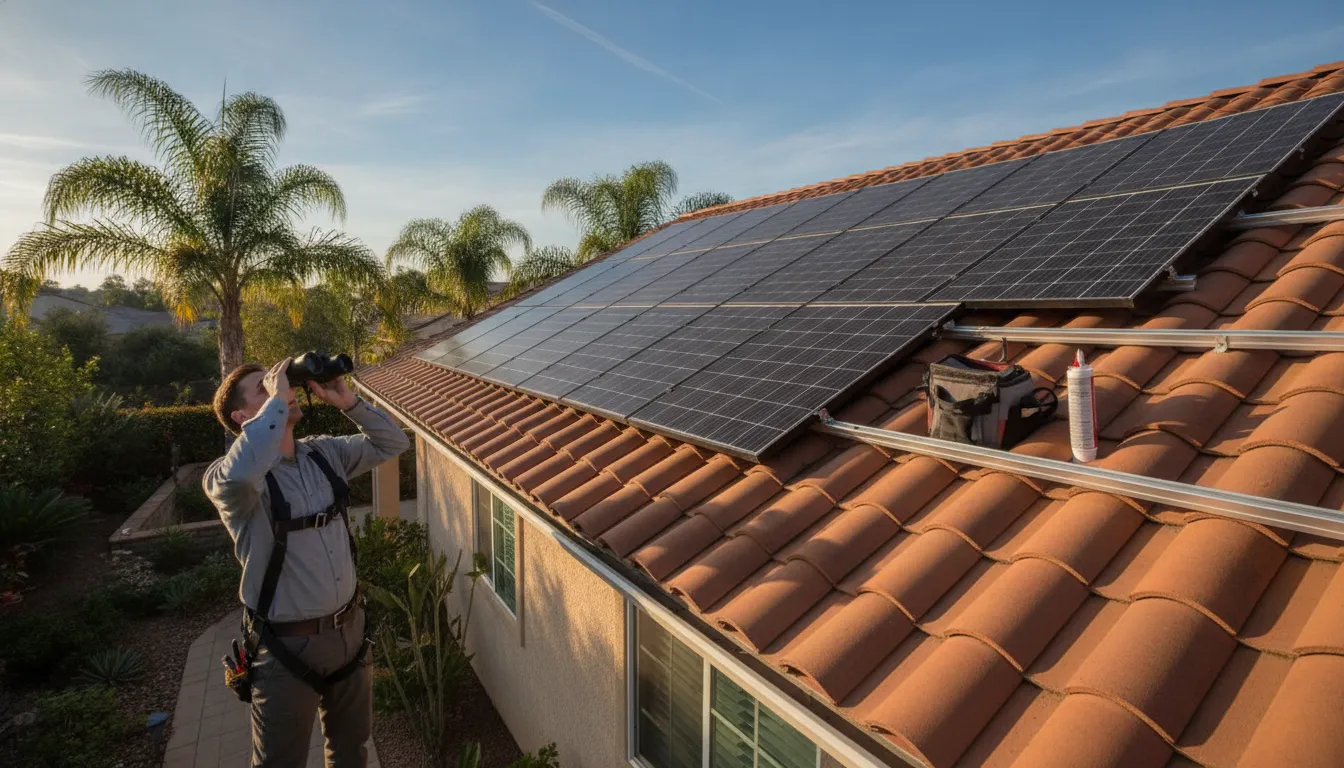
Roof condition comes first
Roof age, damaged shingles or tiles, weak decking, and areas with existing moisture can complicate an installation. Solar equipment may remain productive while a roof issue develops, which can make the source of a leak harder to identify later. A qualified installer should inspect the roof and discuss whether repairs or replacement should happen before the array is installed. AMECO's solar-ready roofing services can help homeowners evaluate the roof and solar work as one coordinated project.
Homeowners can safely observe ceiling stains, damp attic areas, lifted roofing materials, or water appearing after rain. Do not climb onto the roof, remove panels, or attempt to seal a mounting point yourself. Those actions can create fall, electrical, and additional water-intrusion risks.
Mounting and weatherproofing protect the structure
Mounting hardware must be attached to suitable structural points, and each penetration needs appropriate flashing and weatherproofing. Poorly installed or aging seals may allow water to enter around the attachment rather than through the panel surface. Wind, heavy rain, and temperature changes can also make installation quality important over time. A coordinated solar and roofing contractor can account for roof materials, reinforced mounting points, drainage, and access for future service.
During a visual check from the ground, look for displaced flashing, unusual debris near roof edges, visible sagging, or water marks inside the home. These observations are useful to report, but they do not establish the cause. A professional inspection is the safer next step, particularly after severe weather or when a roof leak appears near the array.
Wiring and commissioning influence system behavior
Electrical compatibility, conductor routing, inverter setup, and system commissioning affect whether an array starts and operates as intended. A proper process includes structural and electrical checks, permitting, testing, commissioning, customer training, and handoff. AMECO describes its installation approach around these stages, with system design based on the property's energy use and conditions.
After installation, a homeowner can check whether the monitoring portal reports normal communication and whether production follows the system's own history under similar sunlight and weather. An alert, unexplained production change, tripped equipment, exposed wiring, burning smell, or water intrusion should be reported to a qualified professional. For project-specific questions about roof coordination or solar solutions, homeowners can Get An Estimate.
Installation prevention steps
- Confirm the roof condition and structural suitability before equipment is installed.
- Ask how mounting points, flashing, wiring, and weatherproofing will be checked.
- Review commissioning, monitoring setup, testing, and homeowner handoff.
Why is my solar system producing less power than expected?
A lower production reading does not automatically mean a panel has failed. Solar output changes with available sunlight, shade, cloud cover, seasonal weather, surface dirt, and the condition of the equipment. The useful question is whether today's production is reasonable for the conditions and consistent with your system's own history.
Start with a historical comparison
Open your monitoring platform and compare similar days, weeks, or months rather than relying on a single day's total. Look for a change that persists under similar sunlight conditions. Also note an unexpected gap in the daily production curve or an alert affecting one panel, one string, or the entire array. Remote or panel-level monitoring can help distinguish a localized issue from a weather-related change. AMECO's guide to monitoring solar energy production explains how these tools can make production changes easier to identify.
Check common, visible causes first
- Shade: A tree, new construction, chimney, or other obstruction may block sunlight during part of the day. Seasonal changes can make a previously minor shadow more noticeable.
- Weather: Cloud cover, rain, smoke, and shorter winter daylight can reduce available sunlight. Compare the reading with local conditions before treating normal variation as a fault.
- Soiling: Dust, pollen, bird droppings, and nearby construction debris can cover the panel surface. Review AMECO's guidance on cleaning solar panels safely before attempting any maintenance.
- Visible damage: Cracked glass, impact marks, loose components, scorch marks, or signs of water intrusion require professional attention. Do not walk on panels or remove them to investigate.
- Wiring or equipment faults: A loose connection, damaged cable, inverter issue, or communication failure can affect reported or actual production. These components remain electrically hazardous, even when the system appears inactive.
Know when troubleshooting should stop
Safe homeowner checks include reviewing monitoring alerts, observing the array from the ground, noting recent shade or weather changes, and recording when the production change began. Do not open an inverter, reset unfamiliar electrical equipment, climb onto the roof, handle wiring, or bypass a warning. Contact a qualified solar technician if production remains unusually low, an alert persists, damage is visible, or the system stopped producing altogether. A professional can test the array, inverter, wiring, and roof-related conditions together instead of guessing from one symptom.
How do inverter, electrical, and monitoring failures show up?
Not every warning in a solar app means that a panel has failed. The monitoring system may be reporting a communication interruption, while the array itself continues producing power. Conversely, an inverter can show a normal-looking connection while production has changed for another reason. Start by comparing the alert with the system's recent production history and the conditions outside, rather than assuming the first message identifies the cause.
Common signs that deserve attention include:
- An inverter display or app reports a fault, alarm, or system shutdown.
- The monitoring portal stops receiving updates or shows no recent data.
- Production falls sharply compared with similar sunny days in the system's own history.
- A circuit breaker trips, an electrical odor is present, or equipment appears hot, damaged, or wet.
- The system repeatedly reconnects, disconnects, or reports that part of the array is offline.
Communication failure is not always production failure
A monitoring interruption can result from a network, gateway, or connection problem. In that situation, the app may be unable to display current information even though the panels and inverter are operating. A production fault is different: the inverter or system may be receiving sunlight but not converting or delivering energy as expected. Because the app alone may not distinguish these conditions, record the exact alert, its time, and any change in the production graph. This information gives a qualified technician a more useful starting point.
AMECO's guide to monitoring solar energy production explains how monitoring tools can reveal production changes and help identify potential system issues. AMECO's solar offerings can integrate REC panels with SolarEdge or Enphase inverter systems and remote or panel-level monitoring, depending on the system design.
What should you do if a breaker or inverter looks wrong?
Do not open the inverter, remove panel covers, disconnect wiring, or attempt to repair an alarm. Solar equipment can remain electrically hazardous even when the sun is not shining. If a breaker has tripped, do not repeatedly reset it, especially when there is an odor, visible damage, moisture, sparking, or unusual heat. Keep people away from the equipment and seek qualified service. A professional can evaluate the inverter, wiring, electrical compatibility, monitoring connection, and related equipment as one system.
For a broader explanation of warning signs and when assistance is appropriate, review AMECO's solar system servicing guidance. If the fault persists or production remains abnormal, its residential solar panel repair resource can help you understand the next step. The right diagnosis depends on the property, equipment, installation, and monitoring history, not just the message shown on a screen.
What maintenance prevents common solar panel problems?
Good maintenance is mostly about noticing changes early and keeping small issues from becoming safety, roof, or production concerns. Start with a visual check from the ground. Look for new shading, fallen branches, heavy debris, cracked glass, loose-looking components, water around roof penetrations, or visible damage after severe weather. Do not climb onto the roof or touch panels, wiring, or electrical equipment to investigate.
Keep observations simple and cleaning safe
Vegetation can gradually shade an array, while birds and other animals may leave debris around panels or mounting areas. Trim or remove nearby growth only when you can do so safely from the ground and without contacting the system. If branches are close to the array, ask a qualified professional for help rather than working around energized equipment.
Cleaning needs the same caution. Dust, pollen, leaves, and other soiling may affect production, but homeowners should follow the equipment and installer guidance for their property. Never use abrasive tools, harsh chemicals, or unsafe roof access. For practical boundaries, review this guide to cleaning solar panels safely. A professional can determine whether cleaning is appropriate and how to complete it without damaging the panels, roof, or mounting system.
Use monitoring and records to find changes
Check the monitoring system for alerts and compare current behavior with the system's own history. A change on a cloudy day may reflect weather, while a persistent or unexplained change deserves closer attention. Record the date, the alert or symptom, recent weather, visible obstructions, and any unusual roof activity. This information can help an installer distinguish soiling or shade from an inverter, wiring, communication, or panel problem. A solar panel maintenance checklist can help organize these observations without imposing a fixed schedule on every home.
Include the roof and call for professional maintenance
Solar equipment and the roof should be considered together. From a safe vantage point, watch for new ceiling stains, roof-area leaks, missing roofing materials, or changes near mounting points. Do not remove panels, loosen hardware, inspect wiring, reset unfamiliar equipment, or open an inverter. Those tasks can involve fall, electrical, and weatherproofing hazards.
Professional maintenance is especially appropriate after significant weather, when monitoring shows a continuing change, or when a roof concern appears near the array. A qualified solar and roofing team can inspect mounting, flashing, weatherproofing, electrical connections, equipment status, and monitoring together. That broader review helps identify the source of a symptom instead of treating only the visible panel surface.
When should a California homeowner call a solar professional?
Some solar concerns can begin with a safe visual check or a review of your monitoring app. A homeowner can note an alert, compare recent production with the system's normal history, and look for obvious shade, debris, or storm damage from the ground. Electrical work, roof access, panel removal, and inverter repair are different. Those tasks require a qualified professional who can assess the system without creating additional risk.
Contact a solar professional promptly if you notice any of the following:
- An active roof leak, water staining, or moisture near equipment, conduit, or an interior ceiling below the array.
- Exposed, loose, melted, or visibly damaged wiring, conduit, connectors, or electrical equipment.
- A burning smell, smoke, unusual heat, crackling, or signs of scorching around the inverter, disconnect, or other system components. Move away from the area and contact emergency services if there is an active fire or immediate danger.
- Repeated inverter or monitoring alerts that return after you follow the manufacturer's basic reset guidance, if provided.
- An unexplained production change that persists after accounting for normal differences in sunlight, shade, weather, and soiling.
- Loose-looking mounts, damaged flashing, lifted roofing materials, cracked tiles, or other concerns about how the array is attached to the roof.
Do not open an inverter, disconnect wiring, climb onto a roof, or attempt to tighten mounting hardware based only on an online tutorial. Solar equipment can remain energized in daylight, and a roof issue may involve concealed damage. If there is a burning smell, smoke, exposed electrical conductor, or active water intrusion near electrical equipment, treat it as an urgent safety matter rather than routine maintenance.
For less urgent concerns, gather useful information before the visit. Record the date an alert appeared, take photographs from a safe location, note recent storms or roof work, and save production data showing the change. This helps the technician distinguish a communications problem from a production fault and determine whether the roof, mounting, electrical system, inverter, or panels need attention together.
When roof condition or weatherproofing is part of the concern, an integrated provider can coordinate both sides of the evaluation. AMECO's solar solutions and solar-ready roofing resources explain how system design, mounting, flashing, and roof protection connect. If you want a property-specific review, Get An Estimate is a practical next step.
Ask any professional what they found, whether the issue is urgent, what evidence supports the diagnosis, and which work requires a licensed trade. Clear answers and a documented inspection are more useful than replacing a component before the underlying cause is understood.
Frequently Asked Questions
What are the signs of a faulty solar panel?
Watch for a sustained production drop compared with your system's normal history, visible cracks or damage, unusual discoloration, repeated monitoring alerts, or an inverter that reports a fault. A single cloudy day does not prove a panel problem because sunlight, shade, weather, and soiling all affect output. If the change persists, document the alert or production pattern and arrange a professional inspection.
How can I tell whether low output is caused by dirty panels?
Dirt, leaves, bird debris, and other soiling can reduce production. Look from the ground for obvious buildup, but do not climb onto the roof or use abrasive tools. Safe cleaning methods depend on the roof, panel access, and local conditions. If the array is difficult to reach, or cleaning does not explain the change, have a qualified technician evaluate the system.
What should I do if my solar inverter shows an error?
Record the exact alert, check whether your monitoring app shows a communications issue or a production fault, and follow the equipment manufacturer's basic instructions. Do not open the inverter, handle exposed wiring, or repeatedly reset breakers. An inverter alarm can reflect an electrical or equipment problem that requires testing by a qualified solar professional.
Can solar panels cause roof leaks?
A leak may involve flashing, mounting points, roof age, or a separate roofing condition rather than the panel itself. Document where and when water appears, then contact a professional promptly. A coordinated inspection should assess the roof, mounting, flashing, and weatherproofing together. Solar-integrated roofing may include reinforced mounting points, integrated flashing, and weatherproofing.
When should I call a solar professional?
Call promptly for water intrusion, exposed or damaged wiring, burning smells, arcing sounds, repeated inverter faults, storm damage, or a production decline that remains after basic visual checks. Homeowners can review monitoring and observe conditions from a safe location, but electrical, roof, mounting, and equipment work should be professionally evaluated.
Ready to get project-specific solar and roofing guidance?
When panel problems involve production changes, roof concerns, or electrical equipment, a property-specific review can help clarify the next step. To discuss your system or future project with AMECO Solar & Roofing, get an estimate through the online form. Share the details you have, and the team can use them to better understand your solar and roofing needs.


.svg)
